Understanding and Eliminating Penicillium Mold in Your Home
While some forms of mold are vital for groundbreaking medical advancements, like the production of penicillin from certain Penicillium species, the presence of Penicillium mold in your home is a different story altogether. Far from being beneficial, it represents a significant health and structural concern that demands immediate attention.
Like many common indoor molds, Penicillium thrives in damp, often overlooked environments. If left unchecked, it can lead to a range of health issues, from aggravating existing allergies and asthma to triggering more severe respiratory problems. Discovering mold in the home is never a pleasant experience, and proactive removal is crucial to safeguard your living space and well-being. This comprehensive guide will equip you with the knowledge to accurately identify Penicillium mold, understand why its indoor presence is a serious concern, and learn effective strategies to safely and thoroughly remove it. We’ll also share valuable insights from Michael Sacenti of American Healthy Homes, an expert in mold remediation.
What Exactly Is Penicillium Mold?
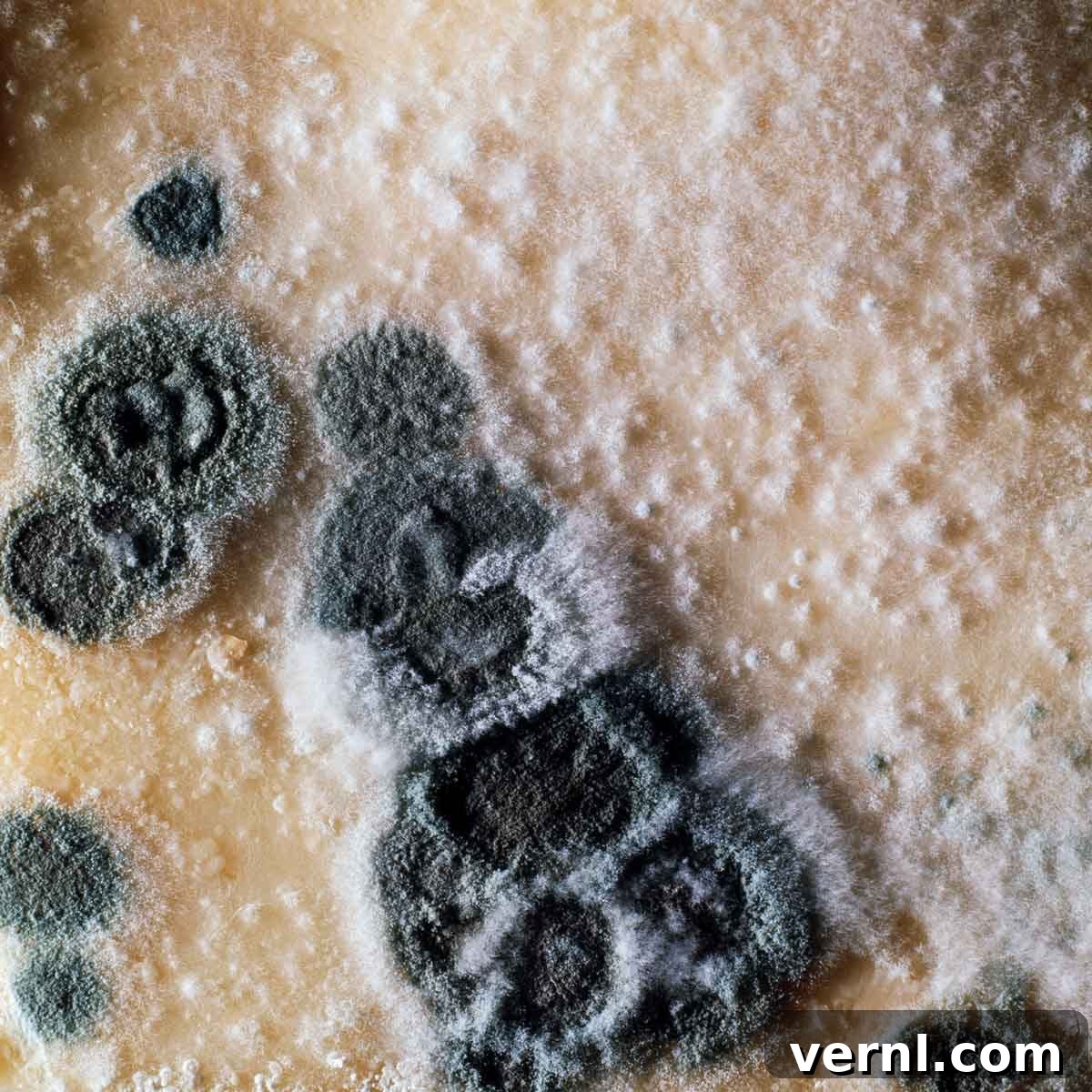
The extensive family of molds known as Penicillium was first formally described in 1809 by the distinguished German naturalist Johann Heinrich Friedrich Link. Comprising an estimated 300 or more species, this genus is easily recognizable by the characteristic blue, green, or yellow spores many of its members produce. These vibrant colors are often the first visual clue to their presence.
Penicillium species are ubiquitous in nature, playing a significant role in the natural decomposition cycle. They are notorious as one of the most common culprits behind fruit and vegetable spoilage, often appearing as a fuzzy growth on decaying produce. Their microscopic spores are predominantly airborne, allowing them to spread efficiently across vast distances. These molds demonstrate a preference for cool to moderate climates and thrive in environments rich in moisture and organic matter.
Beyond their role in decomposition and spoilage, certain Penicillium species are incredibly valuable to humanity. For instance, they are essential in the production of specific gourmet cheeses like Roquefort and Camembert, as well as various cured meats. Most notably, the groundbreaking antibiotic Penicillin, a cornerstone of modern medicine, is derived from Penicillium chrysogenum. However, it’s crucial to remember that while these specific strains are beneficial in controlled industrial settings, finding any type of Penicillium growing uncontrollably within your home is a cause for concern and requires immediate action.
Where Is Penicillium Mold Commonly Found Indoors?
Penicillium mold is a global presence, flourishing in cool, damp environments across every continent. In outdoor settings, it typically grows on decaying organic materials such as fruits, vegetables, and general vegetation. Common examples include the fuzzy blue-green growth seen on old bread, spoiling apples and pears, or rotting plant bulbs—all perfect habitats for various Penicillium species.
When it infiltrates indoor environments, Penicillium seeks out similar conditions: moisture and a food source. This makes areas prone to humidity and water leaks prime targets. Basements are particularly vulnerable, especially those with poor ventilation, leaky foundations, or after flooding. Michael Sacenti, an expert from American Healthy Homes, notes that he most frequently encounters the *Aspergillus penicillium* strain indoors. “It’s usually found on lumber, building materials, plywood, and joists in the basement,” he explains, highlighting the mold’s affinity for porous construction materials.
Beyond basements, other common indoor locations include:
- Bathrooms: Due to high humidity from showers and baths, condensation, and potential leaks around plumbing fixtures.
- Kitchens: Especially under sinks, behind refrigerators, or in pantries where food may spoil or leaks occur.
- Attics: If there are roof leaks, poor ventilation, or condensation build-up.
- Walls and Ceilings: Particularly those affected by plumbing leaks, roof leaks, or condensation. Drywall and insulation are excellent food sources once wet.
- Carpets and Upholstery: If they have been exposed to moisture and not dried quickly and thoroughly.
- Window Sills: Where condensation frequently accumulates.
Essentially, any area of your home that experiences persistent dampness, has experienced water damage, or contains organic materials can become a breeding ground for Penicillium mold. Its ability to grow on a wide array of surfaces makes vigilance against moisture intrusion paramount for homeowners.
Identifying Penicillium Mold
While professional mold testing is the most definitive way to identify mold species, understanding the common visual and olfactory cues of Penicillium can help you recognize a potential problem. As mentioned, Penicillium mold typically appears in shades of blue, green, or yellow. Its texture is often fuzzy or powdery, growing in circular colonies that can expand rapidly if conditions are favorable.
Beyond visual identification, a distinct musty or earthy odor is a strong indicator of mold growth. This smell is caused by microbial volatile organic compounds (MVOCs) released by the mold as it grows. If you detect such an odor, even without visible mold, it’s crucial to investigate its source, as mold can often hide behind walls, under flooring, or in other concealed spaces.
However, it’s important to note that many mold species share similar appearances and odors. Therefore, if you suspect a significant mold problem, or if you or your family members are experiencing health symptoms, consulting with a certified mold inspector is highly recommended. They can accurately identify the mold species, assess the extent of the infestation, and recommend the most effective remediation strategies.
What Are the Health Effects of Penicillium Mold Exposure?
While Michael Sacenti points out that Penicillium is “not extremely dangerous” in all cases, he quickly adds a critical caveat: “everyone’s respiratory system is different. So it may bother you more than it bothers someone else.” This underscores the highly individualized nature of mold sensitivity and the potential for significant health impacts.
Like many common indoor molds, Penicillium poses a particular threat to individuals with weakened or compromised immune systems, young children, the elderly, and those with pre-existing respiratory conditions like asthma or allergies. Exposure can trigger a range of adverse health effects, including:
- Allergic Reactions: This is one of the most common responses to mold exposure. Symptoms can include sneezing, runny or stuffy nose, itchy eyes, skin rashes, and even hives. For individuals with asthma, mold spores can act as powerful triggers, leading to severe asthma attacks characterized by wheezing, coughing, chest tightness, and shortness of breath.
- Respiratory Problems: Beyond allergic reactions, prolonged exposure to Penicillium can cause more generalized respiratory issues. These may include persistent coughing, wheezing, shortness of breath, and irritation of the throat and nasal passages. Over time, chronic exposure can lead to the development of hypersensitivity pneumonitis, a serious lung condition.
- Mycotoxin Production: Several species of Penicillium are known to produce mycotoxins, which are toxic compounds that can have severe health consequences. While not all Penicillium molds produce mycotoxins, and not all mycotoxins are equally dangerous, some are known carcinogens. Other mycotoxins can cause measurable organ damage when inhaled or ingested, potentially affecting the nervous system, kidneys, and liver. The impact of mycotoxins varies widely depending on the specific toxin, the duration and level of exposure, and the individual’s overall health.
- Infections: Though less common, certain species of Penicillium can cause infections, especially in immunocompromised individuals. For instance, Penicillium marneffei is a notable species that, when ingested, can lead to serious systemic infections affecting various vital organs, including the lungs, kidneys, spleen, liver, and bone marrow. Such infections require prompt medical attention.
Due to these potential health risks, it is always advisable to address Penicillium mold growth in your home promptly and effectively, minimizing exposure for all occupants.
Comprehensive Guide to Removing and Preventing Penicillium Mold
The fundamental principle behind all mold growth, including Penicillium, is the presence of sufficient moisture. Eliminate the moisture, and you eliminate the mold. Addressing moisture issues is thus the cornerstone of both removal and prevention strategies.
Effective Moisture Control: Your First Line of Defense
Many molds thrive in homes with high relative humidity, which is often an easier issue to resolve. Michael Sacenti offers practical advice:
- Ventilation: In cool climates, opening windows regularly or installing a heat recovery ventilator (HRV) can help exchange stale, humid indoor air with fresh, drier outdoor air.
- Air Conditioning: In hot, humid regions, running your air conditioning system not only cools your home but also effectively removes excess moisture from the air.
- Dehumidifiers: Sacenti specifically suggests running a dehumidifier in your basement, a common hotspot for mold due to its inherent dampness. Aim to maintain indoor humidity levels between 30% and 50% year-round.
It’s important to understand that Penicillium has relatively low moisture requirements compared to some other molds. It can sometimes grow in homes with seemingly normal airborne humidity, provided there is at least one consistently moist surface somewhere. This highlights the importance of not just controlling ambient humidity but also actively seeking out and addressing localized moisture sources.
To prevent Penicillium from taking root and spreading, ensure your home remains consistently dry and well-ventilated. Promptly fix any leaks from plumbing, roofs, or windows. Regularly inspect areas prone to dampness, such as bathrooms, kitchens, and basements. Furthermore, be diligent about not keeping spoiling food of any sort, as it provides a perfect environment for mold spores to take root and flourish.
DIY Penicillium Mold Removal for Small Areas
For small patches of visible mold, generally less than 10 square feet (roughly 36 x 36 inches), DIY removal can be an option. However, prioritize safety above all else:
- Safety First: Always wear appropriate personal protective equipment (PPE), including an N95 respirator mask, eye protection (goggles), and non-porous gloves to prevent inhaling spores, eye irritation, or skin contact.
- Containment: Before you begin, close off the affected area from other parts of the house. Turn off HVAC systems to prevent the spread of spores.
- Cleaning Agents: Soak the affected area thoroughly with a non-toxic registered fungicide. You can also use a solution of diluted bleach (1 cup bleach per gallon of water for non-porous surfaces), white vinegar (undiluted), or hydrogen peroxide (3% solution). Always test on an inconspicuous area first to prevent damage.
- Scrub and Dry: Use a stiff brush or scrub brush to remove the mold from hard surfaces. For porous materials like drywall, you may need to cut out and dispose of the affected sections. After cleaning, ensure the area is completely dry to prevent recurrence. Using fans or a dehumidifier can help accelerate the drying process.
- Disposal: Place all mold-contaminated materials (rags, sponges, affected porous items) in sealed plastic bags and dispose of them promptly outside your home.
When to Call Mold Remediation Specialists
While DIY methods are suitable for minor mold issues, there are clear instances when professional intervention is not just recommended, but essential:
- Large Infestations: If the mold growth covers an area larger than about 36 x 36 inches (10 square feet), or if multiple areas are affected, it’s time to call in the experts. Professionals have the equipment and expertise to handle extensive contamination safely.
- Hidden Mold: If you detect a strong musty odor but cannot locate the mold, it’s likely hidden behind walls, under flooring, or in other inaccessible areas. Professionals can use specialized tools to detect and safely access hidden mold without causing further spread.
- Health Concerns: If anyone in your household is experiencing severe allergic reactions, respiratory problems, or other health issues that you suspect are linked to mold, do not attempt DIY removal. Professional remediation is critical to ensure the environment is safe.
- After Water Damage: Following significant water damage, such as a flood or burst pipe, mold can grow rapidly and extensively. Professionals can assess the damage, dry the structure properly, and prevent widespread mold issues.
- Recurring Mold: If mold keeps returning after your attempts to remove it, it indicates an unresolved moisture problem or incomplete remediation. A specialist can identify the root cause and implement a lasting solution.
Mold specialists possess the necessary protective gear, containment strategies, and specialized cleaning agents to safely and effectively remove mold and prevent its return. They can also provide post-remediation testing to ensure the area is clean and safe.
About the Expert
- Michael Sacenti owns American Healthy Homes. With 10 years of experience in the mold remediation industry and 40 years of experience in real estate maintenance, Michael brings invaluable expertise to understanding and tackling indoor mold challenges. His insights underscore the importance of professional advice when dealing with significant mold issues.