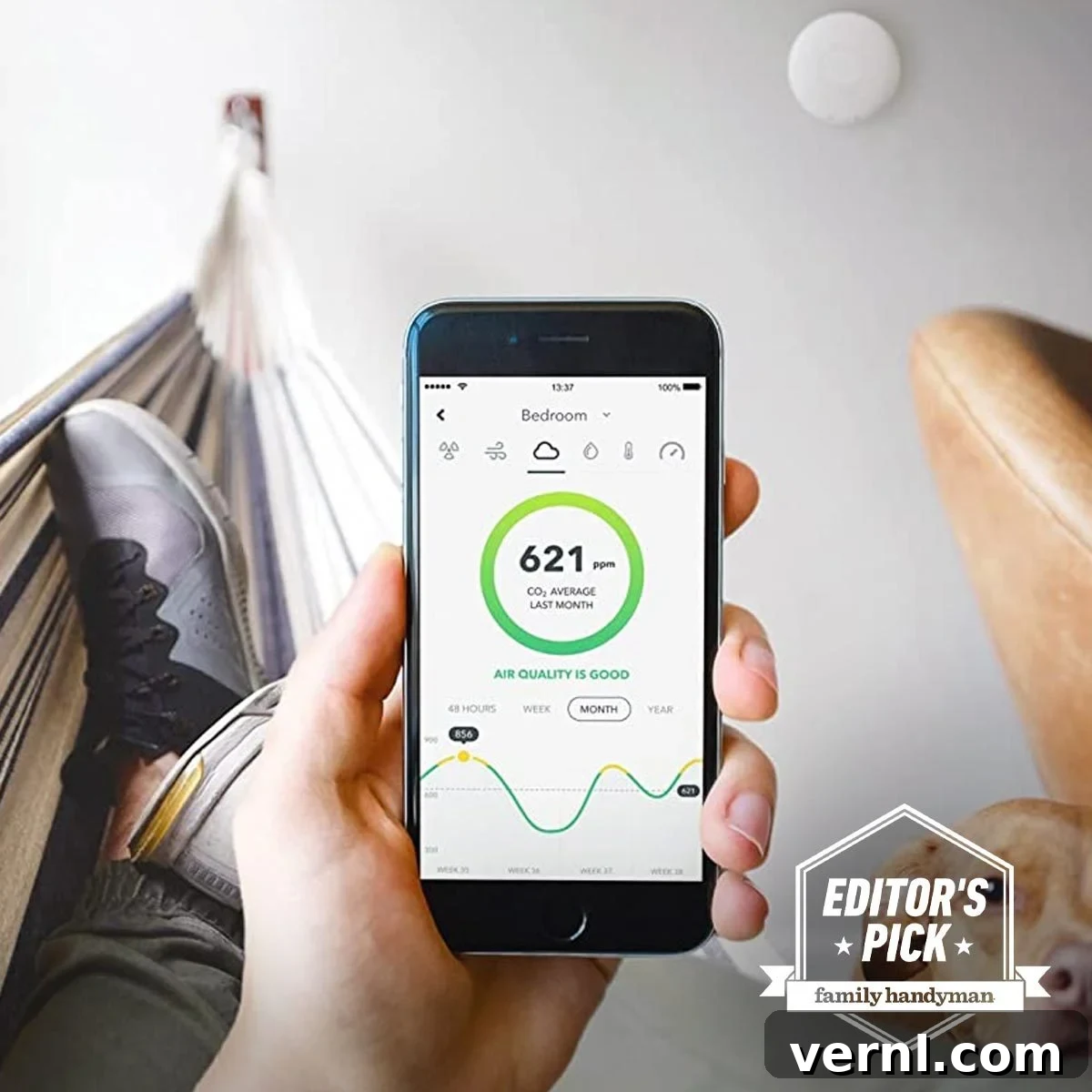
Unmasking Radon: The Invisible Threat to Your Home’s Health
Radon is not just a concern; it’s a serious public health issue. This naturally occurring radioactive gas poses a significant threat, primarily as a leading cause of lung cancer. Understanding its dangers and how to detect it is absolutely critical for every homeowner. To shed light on this invisible adversary and underscore the importance of testing, we’ve consulted with Tim Swackahmmer, CEO and Founder of Mold Medics, an expert in environmental health and home safety.
“Radon testing is very important because, unlike many other potential dangers in homes, without testing, we have no way of knowing if we are being exposed to radon in our daily lives,” explains Tim Swackahmmer. He emphasizes the insidious nature of this gas: “Radon is a colorless, odorless, tasteless gas, so our human senses are completely incapable of detecting radon in our homes. Since our basic senses cannot observe radon in any way, testing is the only option to identify a radon issue and protect your family.”
How Does Radon Infiltrate Your Home?
Many homeowners wonder how a gas found naturally outdoors can become a threat within their living spaces. Radon originates from the natural decay of uranium in soil, rock, and water. As it breaks down, it rises through the ground and can easily seep into buildings through various entry points, accumulating at the lowest levels of your home. This process is exacerbated by differences in air pressure between your house and the soil, essentially creating a vacuum that draws radon in.
Common pathways for radon entry include:
- Cracks in solid foundations or concrete slabs.
- Construction joints and floor-wall joints.
- Gaps around service pipes, utility penetrations, and sump pumps.
- Pores and small openings in hollow-block walls.
- Loose-fitting pipe penetrations and floor drains.
- Well water can also be a source, releasing radon gas into the air during showering or washing dishes.
The level of radon in your home is not static; it depends on various unique factors specific to each property. “These factors include the home’s ventilation system, the presence and extent of cracks in the foundation, the underlying soil composition, ground permeability, and even weather changes,” Tim Swackahmmer elaborates. “The only definitive way to know if your home has safe levels of radon is by conducting thorough and consistent radon testing.”
Empowering Homeowners: The Airthings Wave Radon Detector
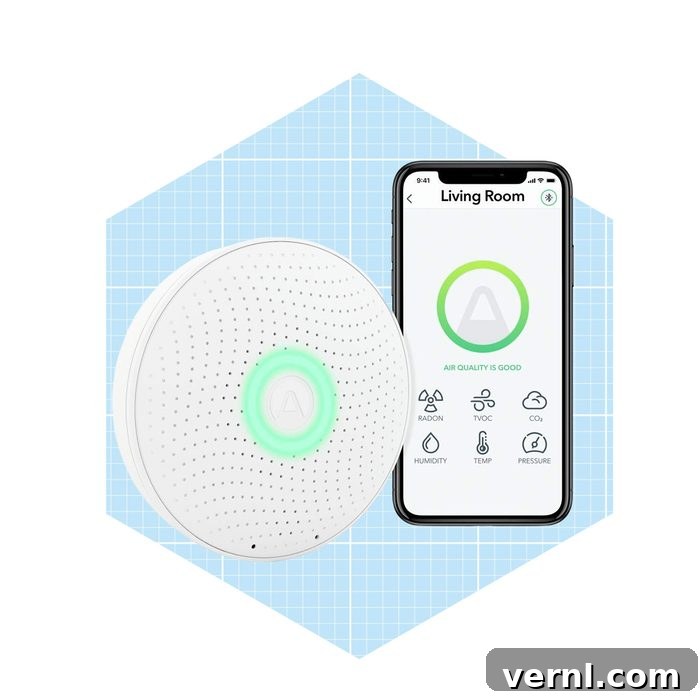
If you’re concerned about potential radon levels and the health implications for your household, a do-it-yourself monitoring system can be an invaluable tool. Among the top recommendations is the Airthings Wave Radon Detector. This innovative device offers an accessible and affordable way to monitor your home’s air quality continuously, providing alerts for potential problems without requiring a hefty investment for peace of mind.
What is the Airthings Wave Radon Detector?
The Airthings Wave Radon is a discreet, battery-powered monitor designed to blend seamlessly into your home environment, much like a smoke detector. Its primary function is to continuously monitor and detect radon levels, but it goes a step further by also measuring temperature and humidity. For those seeking even more comprehensive insights into their indoor environment, the Airthings Wave Plus offers advanced monitoring, including carbon dioxide (CO2) and volatile organic compounds (VOCs). VOCs are airborne chemicals emitted by a wide array of everyday items, from cleaning products and paints to furniture and building materials, and can significantly impact indoor air quality and health.
The Airthings Wave Radon Detector integrates effortlessly with modern smart home ecosystems. It connects via Bluetooth to a free smart app on your phone, providing real-time data and historical trends. All collected information is also accessible through a comprehensive web dashboard, offering an in-depth look at your home’s air quality. Airthings doesn’t just present data; it provides clear guidance on acceptable levels and actionable steps you can take to address any detected problems. Furthermore, this radon detector boasts compatibility with popular smart assistants like Google Assistant and Amazon Alexa, allowing for convenient voice control and integration into your smart home routines.
This ingenious little device empowers you to take proactive control of your indoor air quality. By providing continuous monitoring, it allows you to track fluctuations, understand patterns, and, if necessary, implement a radon mitigation plan. While it’s important to note that this system is an excellent monitoring tool and does not replace professional testing for initial baseline measurements or verification, users consistently find the detector incredibly useful for ongoing surveillance of radon levels throughout the years, especially after a mitigation system has been installed.
“It’s recommended that you test your home for radon every five years or every two years if you have a mitigation system installed,” Tim Swackahmmer advises. “This ensures that the system is continuing to operate correctly and that your home remains safe.”
Pros of the Airthings Wave Radon Detector
- Battery-powered: Offers flexible placement without needing an outlet, typically with a long battery life.
- Easy to set up and use: Intuitive design allows for quick installation and immediate monitoring.
- Provides continuous real-time monitoring: Offers constant insights into radon levels, unlike short-term kits.
- Convenient smart app and website dashboard: Access detailed data, historical trends, and actionable advice from anywhere.
- Warns of potential dangers: Proactively alerts you to high radon levels, enabling timely intervention.
- 5-year warranty with registration: Provides long-term assurance and support.
- Monitors additional parameters: Tracks temperature and humidity (and CO2/VOCs with Wave Plus) for a holistic view of indoor air quality.
Cons of the Airthings Wave Radon Detector
- Does not replace professional testing: While highly accurate for ongoing monitoring, initial and post-mitigation professional testing is still recommended by many experts for official verification.
- Requires a smartphone for full functionality: Reliance on the app for detailed data and settings.
Why We Endorse the Airthings Radon Detector
Airthings stands as a recognized leader in the indoor air quality industry, driven by a team of visionary CERN scientists. Their mission is clear: to empower consumers with the tools and knowledge needed to monitor and improve the air quality in their homes and businesses. Thousands of users globally have integrated these smart home monitors into their spaces, not only gaining peace of mind but also receiving crucial early warnings about potential environmental hazards.
Considering that radon is a deadly, invisible, and odorless gas, investing in an affordable home monitoring system like the Airthings Wave is an investment in your family’s health and future. It provides invaluable peace of mind and can ultimately save you significant costs associated with health issues, let alone protecting your most precious asset – your well-being. More importantly, it acts as a vigilant sentinel, alerting you precisely when you need to call in certified professionals to implement effective mitigation practices. Radon doesn’t have to be a terrifying unknown; with the right tools and knowledge, you are empowered to ensure a safer living environment.
Here’s What Amazon Users Have Experienced
Verified Amazon customer Rick shares his long-term perspective: “A radon mitigation system was installed in our home 15 years ago. The contractor supplied before and after readings, from a certified, professional strip chart recorder, that ran for one week. I have been confirming the readings with other DIY devices since the installation. This monitor is consistent with the others and considering the other features it’s a great device IMO.” This highlights the device’s reliability for ongoing verification.
Another customer, BarryAB, emphasized the ease of use and its life-changing impact: “It’s easy to setup and get started. This is a great Air Quality monitor. Found out that we had high Radon levels in our house. Not something I want to mess around with. Will be having a Radon Mitigation system installed.” These testimonials underscore the device’s ability to provide actionable information and prompt necessary interventions.
Frequently Asked Questions About Radon and Airthings Detectors
How accurate is the Airthings Wave Plus?
The Airthings Wave Plus is engineered for remarkable accuracy. It achieves approximately 12% accuracy after just one week of continuous operation and further refines its precision to hover around 9% accuracy for readings taken over a month, particularly within the 50 to 350 Bq/m3 range (which roughly translates to 1.35 to 9.46 pCi/L, a common unit in the US). This consistent accuracy makes it a highly reliable device for tracking radon concentrations over time and making informed decisions about your indoor air quality.
Does the Airthings Wave Plus detect mold?
While the Airthings Wave Plus provides comprehensive data on radon, temperature, humidity, CO2, and VOCs, it does not feature a dedicated mold risk indicator. However, for those specifically concerned about mold, the Airthings Wave Mini offers this specific capability. It’s particularly useful for monitoring environments prone to high humidity, where the risk of bacterial and fungal growth is elevated.
How long does the Airthings Wave Plus last?
The Airthings Wave Plus is designed for durability and long-term use. With proper maintenance, its sensors can effectively detect mild to severe radon concentrations continuously for over a year on a single set of batteries, offering truly hands-free monitoring. The average lifespan of the device itself, including its internal components, typically ranges from two to three years, providing a reliable safety measure for an extended period.
What are considered safe radon levels?
There is no truly “safe” level of radon, as any exposure carries some risk. However, regulatory bodies like the EPA recommend taking action if radon levels in your home are 4 pCi/L (picocuries per liter) or higher. Many experts also suggest considering mitigation for levels between 2 and 4 pCi/L to further reduce risk.
When should I test my home for radon?
It is recommended that all homes be tested for radon, especially before buying or selling a home, after renovations, or if you’ve lived in the home for several years. Tim Swackahmmer recommends retesting every five years, or every two years if a mitigation system is in place.
What is radon mitigation?
Radon mitigation refers to the process of reducing radon concentrations in the air of a building. The most common method is active soil depressurization, where a vent pipe and fan are used to draw radon gas from beneath the house and vent it safely outside.
Where to Buy the Airthings Radon Detector
Don’t just take our word for it—professionals like Tim Swackahmmer also strongly recommend staying on top of radon levels in your home. His expert advice underscores the long-term benefits of proactive measures:
“The best thing a homeowner can do is get their home tested and mitigated if the test shows elevated levels,” Tim explains. “Radon mitigation systems are durable and built to last for years, so they are a solid, lasting investment in your family’s health and the safety of your home.”
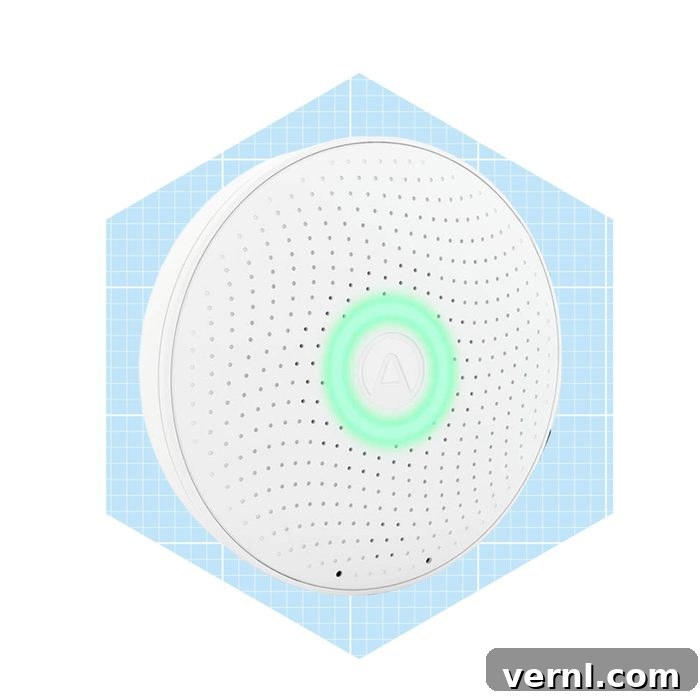
Ensure your family’s safety and breathe easier with an Airthings Wave Plus Radon Detector. You can conveniently purchase this essential home health device at major retailers, including Walmart, The Home Depot, and Amazon.
Shop on Walmart