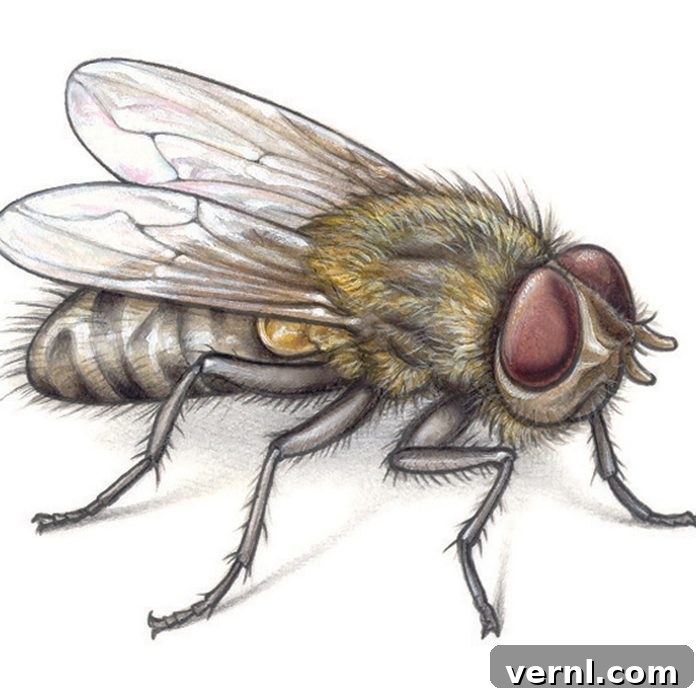
Effective Strategies for Eliminating Pesky Flies from Your Home
Flies are a common nuisance across the United States, with various species like drain flies, blowflies, houseflies, and gnats frequently invading our living spaces. While their buzzing can be incredibly annoying, the problem extends beyond mere irritation. Flies are known carriers of bacteria and pathogens, posing significant health risks to households if their presence is ignored. From contaminating food surfaces to potentially spreading diseases, managing a fly infestation is crucial for maintaining a healthy and comfortable home environment. If you’re experiencing a regular influx of these unwelcome guests, it’s time to implement effective strategies to reclaim your space. This comprehensive guide will walk you through proven methods, from DIY traps to preventative measures, ensuring your home remains fly-free.
Understanding Common Household Flies and Their Dangers
Before diving into solutions, it’s helpful to understand the common types of flies you might encounter and why they are considered a health hazard:
- Houseflies (Musca domestica): Perhaps the most common, houseflies are attracted to decaying organic matter, garbage, and food. They can transfer disease-causing organisms from their bodies and legs to human food and surfaces.
- Fruit Flies (Drosophila melanogaster): These tiny flies are primarily drawn to ripening or fermenting fruits and vegetables, as well as sugary liquids. They reproduce rapidly and can quickly become an infestation, contaminating produce.
- Drain Flies (Psychoda alternata): Also known as moth flies or sewer gnats, drain flies breed in the gelatinous slime that accumulates in drains, sewers, and septic tanks. They are generally not disease carriers but can be a persistent nuisance.
- Blowflies (Calliphoridae family): Often larger and metallic in color, blowflies are attracted to decaying flesh and feces. They are significant vectors for disease transmission, often found near garbage bins or dead animals.
- Gnats (various species): Gnats are small, winged insects that often appear in swarms, particularly around houseplants (fungus gnats) or areas with moisture. While mostly harmless, large numbers can be extremely irritating.
- Cluster Flies (Pollenia rudis): These flies are larger than houseflies and are typically seen congregating in homes during cooler months, seeking warmth to overwinter. They don’t breed indoors but their sheer numbers can be bothersome.
The primary danger from flies stems from their unsanitary feeding and breeding habits. They often frequent filthy environments like garbage dumps, animal waste, and rotting food, picking up bacteria and viruses on their bodies. When they then land on your kitchen counters, food, or utensils, they can deposit these harmful microbes, leading to potential food poisoning, dysentery, typhoid fever, and other gastrointestinal illnesses. Therefore, addressing a fly problem promptly is not just about comfort, but about safeguarding your family’s health.
Effective DIY Fly Traps: Luring and Eliminating Flies
One of the most straightforward and eco-friendly methods for addressing flies already inside your home is to create inescapable traps. DIY fly traps are remarkably effective and simple to construct, requiring only a few common household items.
The Two-Liter Soda Bottle Trap for General Flies
This ingenious trap works by luring flies in with a sweet scent and then preventing their escape. To create your own:
- Preparation: Begin with an empty two-liter soda bottle. Ensure it’s clean and dry.
- Cutting the Bottle: Using a pair of sharp scissors or a utility knife, carefully cut off the top third of the bottle, just below where the neck begins to widen. Aim for a clean, even cut.
- Creating the Funnel: Invert the cut-off top section of the bottle (the part with the spout) and place it upside down into the open bottom section. This forms a funnel, with the spout pointing downwards into the bottle.
- Securing the Funnel: Secure the inverted top piece to the bottom piece using strong adhesive tape or a few staples. Ensure there are no large gaps where flies could easily escape.
- Adding the Bait: Fill the bottom of the bottle with about half an inch to an inch of a melted sugar water mixture. You can make this by dissolving sugar in warm water until it forms a thick syrup. Alternatively, you can use other sweet, sticky liquids like fruit juice, honey water, or a splash of sugary soda.
- Enhancing Attraction (and Deterrence): Add a few teaspoons of vinegar to your sweet mixture, preferably white vinegar. While flies are attracted to the sweetness, the vinegar helps to deter bees and other beneficial or unwanted insects from entering the trap, making it more selective for flies.
- Strategic Placement: For optimal results, when pouring the sticky liquid, try to drip some down the inside edges of the funnel. This makes it harder for flies to gain a foothold and escape once they enter, causing them to stick almost immediately.
Flies, attracted by the irresistible sweet scent, will fly down the funnel. Once inside, they find it incredibly difficult to navigate back up the narrow opening to escape, ultimately becoming trapped in the sticky liquid.
Combatting Pesky Fruit Flies with Apple Cider Vinegar
Fruit flies, with their rapid breeding cycle, can quickly overrun your kitchen. A simple apple cider vinegar trap is highly effective:
- Choose a Container: Grab a small bowl, jar, or even a glass.
- Add the Attractant: Pour a small amount of apple cider vinegar into the chosen container. The fermented scent of apple cider vinegar is incredibly alluring to fruit flies.
- Create the Barrier: Cover the bowl tightly with plastic wrap. Ensure there are no gaps around the edges.
- Punch Entry Holes: Using a pencil or a skewer, punch a couple of tiny holes—about the size of a pencil lead—into the plastic wrap. These holes should be just large enough for fruit flies to enter.
The fruit flies will be irresistibly drawn to the vinegar’s aroma. They’ll find their way through the small holes but, once inside, they’ll struggle to locate and navigate back out, becoming trapped. Replace the vinegar every few days for continuous effectiveness. Beyond pest control, vinegar is also a versatile ingredient for making natural household cleaners.
Targeted Eco-Friendly Fly Spray for Specific Infestations
For localized fly problems, such as drain flies emanating from sinks or fungus gnats around houseplants, a targeted approach can be very effective. An eco-friendly fly spray, often made with natural ingredients, can offer immediate relief without introducing harsh chemicals into your home environment. These sprays are typically non-toxic and work by suffocating or repelling the specific fly species. Always read the label for safe and effective use around plants or near food preparation areas.
Proactive Measures: Ward Flies Away from Your Home
Prevention is key when it comes to fly control. Incorporating natural deterrents around and within your home can significantly reduce the chances of an infestation. Flies are often repelled by certain scents and substances, which you can strategically deploy to create a protective barrier.
Harnessing the Power of Herbs
Many common culinary herbs possess natural insect-repelling properties due to their strong aromatic oils. Growing these herbs in pots on your windowsills, near doorways, or in a sunny spot just outside your home can act as a natural deterrent:
- Basil: Known for its strong aroma, basil is particularly effective at deterring houseflies and mosquitoes. Place pots near kitchen windows.
- Bay Leaves: While not typically grown as a repellent plant, dried bay leaves can be scattered in pantries or near fruit bowls to deter fruit flies and other pantry pests.
- Mint: The pungent smell of mint (peppermint, spearmint) is disliked by many insects, including flies. Growing mint near entry points can help.
- Lavender: While beautiful, lavender’s fragrance is a natural repellent for flies, moths, and mosquitoes. Plant it near windows or use sachets indoors.
- Rosemary: This aromatic herb can deter flies and other insects. Place pots on your patio or near outdoor eating areas.
DIY Natural Fly Repellent Sprays with Essential Oils
Creating your own fly repellent spray using essential oils is a safe and effective way to protect your indoor and outdoor spaces. Essential oils are concentrated plant extracts that carry the plant’s natural scent and often its insecticidal or repellent properties. Always dilute essential oils before use.
To make a simple yet potent fly repellent spray:
- Gather Ingredients: You will need a clean spray bottle (preferably glass, as essential oils can degrade plastic over time), distilled water, witch hazel (an emulsifier that helps essential oils mix with water), and your choice of essential oils.
- Select Essential Oils: Lavender, peppermint, eucalyptus, lemongrass, citronella, and tea tree oil are all excellent choices known for their fly-repelling qualities. A popular combination includes:
- 10-15 drops of Lavender essential oil
- 10-15 drops of Peppermint essential oil
- 5-10 drops of Lemongrass or Eucalyptus essential oil
- Mix the Solution: In your spray bottle, combine 1/4 cup of witch hazel with your chosen essential oils. Shake well to mix thoroughly.
- Add Water: Fill the remainder of the bottle (about 3/4 cup) with distilled water.
- Application: Shake the bottle vigorously before each use. Mist this natural repellent onto furniture, linens, curtains, and even directly onto fly-infested plants (test a small area first). Pay special attention to areas around exterior doors, windows, and outdoor patio spaces where flies tend to congregate. This spray is generally safe for household surfaces and provides a pleasant scent for humans while deterring flies.
Sealing Your Home: The First Line of Defense Against Flies
One of the most fundamental and effective ways to keep flies out of your home is by physically blocking their entry points. Flies are opportunists and will exploit even the smallest gaps to gain access. A thorough inspection and sealing effort can dramatically reduce their presence.
Inspecting and Replacing Weather-Stripping
Weather-stripping around doors and windows is designed to create a tight seal against drafts, moisture, and pests. Over time, it can become worn, cracked, or compressed, creating tiny gaps that are perfect entryways for flies. Regularly inspect the weather-stripping around all exterior doors and windows. If you find any signs of wear and tear, replace it promptly. This simple task can make a significant difference in preventing flies from entering your home.
Securing Windows and Doors with Screens
Many flies, particularly cluster flies, are attracted to sunlight and warmth, which is why they often buzz against windows during the day. Keeping windows open without screens is an open invitation for flies. Always ensure that all operable windows have intact, properly fitting screens. Regularly check screens for any tears, holes, or gaps in their frames. Repair or replace damaged screens immediately. Likewise, be mindful of leaving exterior doors open for extended periods, especially during warmer months. Install screen doors if possible, and ensure they close tightly.
Sealing Other Gaps and Cracks
Flies can squeeze through surprisingly small openings. Conduct a thorough inspection of your home’s exterior and interior for any potential entry points:
- Foundation Cracks: Seal any cracks in your home’s foundation with appropriate caulk or concrete repair products.
- Utility Line Gaps: Check around pipes, wires, and vents where they enter your home. Use caulk, expanding foam sealant, or steel wool to block these openings.
- Attic and Basement Vents: Ensure vents have fine mesh screens to prevent insect entry while still allowing for air circulation.
- Gaps Around Fascia and Soffits: These areas can provide access to your attic and walls. Repair any openings.
- Chimneys: Install a chimney cap with mesh to prevent flies and other pests from entering.
- Insulation Holes: If you have any holes or unsealed spaces in your walls or attic from old wiring or plumbing, use spray foam insulation to seal them.
By diligently sealing these various gaps, you create a robust physical barrier that significantly reduces the opportunities for flies to infiltrate your living space.
Maintain a Hygienic Home: The Ultimate Fly Prevention Strategy
Beyond traps and physical barriers, maintaining impeccable hygiene is arguably the most critical long-term strategy for preventing fly infestations. Flies are primarily attracted to food sources and breeding grounds, which are often found in unsanitary conditions.
Proper Waste Management
- Seal Trash Bins: Always use trash cans with tight-fitting lids, both indoors and outdoors. This prevents flies from accessing decaying food waste and laying eggs.
- Regular Emptying: Empty indoor trash bins frequently, especially those containing food scraps. Do not let garbage sit for extended periods, particularly in warm weather.
- Clean Bins: Periodically wash out your trash cans with soap and water or a disinfectant solution to remove any residual odors and debris that might attract flies.
Food Storage and Cleanup
- Store Food Properly: Keep all food, including fruits and vegetables, in airtight containers or refrigerated. Do not leave ripe produce exposed on countertops.
- Immediate Cleanup: Wipe up spills and clean food preparation surfaces immediately after use. Crumbs and sticky residues are major attractants for flies and other pests.
- Wash Dishes Promptly: Do not leave dirty dishes in the sink for extended periods. Food particles on plates and in drains can quickly attract flies.
- Pet Food Bowls: Clean pet food and water bowls regularly, and do not leave uneaten pet food out for long.
Address Moisture Issues
- Fix Leaks: Repair any leaky faucets, pipes, or drains promptly. Standing water and dampness can attract flies, especially drain flies.
- Clean Drains: Regularly clean your drains with an enzymatic cleaner or a mixture of baking soda and vinegar, especially if you notice drain flies. This breaks down the organic matter they breed in.
- Maintain Compost Bins: If you have a compost bin, ensure it’s properly maintained and enclosed, away from your home, to prevent attracting flies.
Outdoor Maintenance
- Clean Up Pet Waste: Promptly remove pet waste from your yard. Blowflies and houseflies are strongly attracted to animal feces for breeding.
- Manage Garden Debris: Remove fallen fruits, decaying leaves, and other organic debris from your yard. These can become breeding sites.
- Bird Baths and Ponds: Regularly clean bird baths and small outdoor ponds to prevent stagnant water that can attract certain fly species.
By combining these proactive hygiene practices with physical exclusion and strategic trapping, you can create a comprehensive fly management plan that keeps your home consistently free from these irritating and potentially harmful pests. Remember, a clean home is a fly-free home!
For broader pest control needs, we also offer advice on tackling other common household pests such as wasps or woodpeckers.