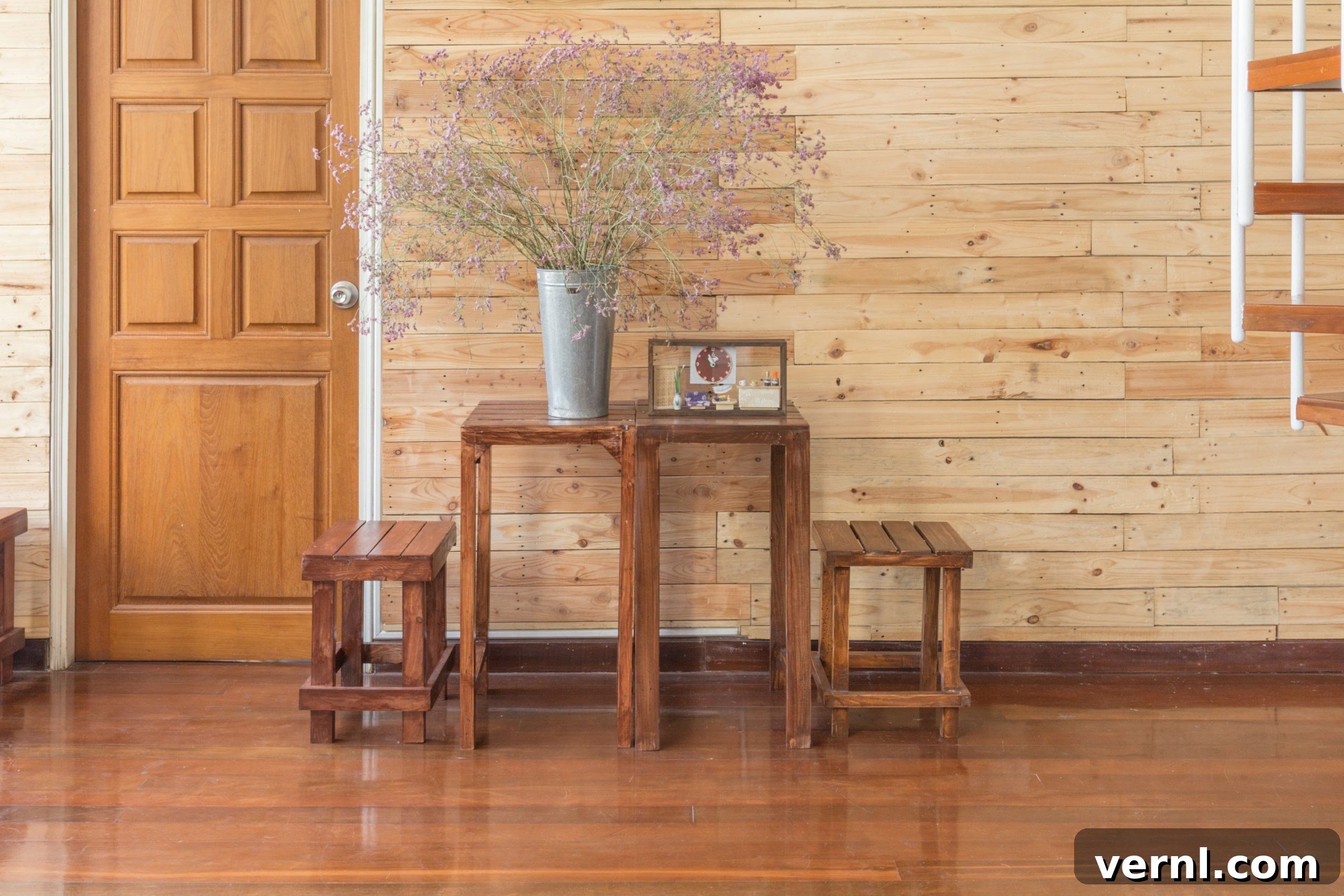
The Enduring Charm and Sustainable Appeal of Reclaimed Wood
In the early 20th century, discerning builders and artisans began to recognize the exceptional qualities of reclaimed wood. Far from being a mere trend, its adoption was driven by a practical desire for superior materials. This wood, often sourced from old-growth trees, boasted remarkable hardness, density, and stability that surpassed newly harvested timber. These venerable trees, having matured over centuries, yielded wood with a tighter grain and richer character, making it an invaluable resource for construction and craftsmanship.
While some of today’s reclaimed wood still embodies this vintage, high-quality variety, its enduring popularity in the modern era is increasingly fueled by a more profound motivation: sustainability. In an age where environmental consciousness is paramount, choosing reclaimed wood is a powerful statement. It offers a tangible way to reduce our ecological footprint, conserve natural resources, and embrace a circular economy, all while bringing unparalleled beauty and a unique story into our homes and projects.
Acquiring reclaimed wood can be an investment, primarily due to the meticulous and labor-intensive process involved in preparing it for the market. From deconstruction and sorting to de-nailing, cleaning, and sometimes kiln-drying and milling, each step adds to the cost. However, for those with a DIY spirit, there are opportunities to offset these expenses. Robert Kundel, the innovative mind behind Restorer Tools, understands this desire to get hands-on. He developed specialized tools designed to simplify the preparation of raw reclaimed lumber, empowering enthusiasts to undertake some of the processing themselves. While finding reclaimed wood for free at a demolition site might be possible, many prefer the convenience of ready-to-use lumber, which, thankfully, is available from a surprisingly diverse range of sources.
What Exactly Is Reclaimed Wood?
Reclaimed wood is essentially lumber that has been salvaged and repurposed from its original application. Unlike newly milled timber, it carries a history, having served a previous life within old buildings, barns, factories, warehouses, fences, railway lines, or even wine barrels. The journey from its original structure to a usable piece of lumber involves significant effort – careful deconstruction, thorough cleaning, removal of old fasteners, and often specialized milling. Even after this extensive preparation, reclaimed wood typically retains its worn, weathered appearance, which, far from being a flaw, is considered its defining asset and a key part of its appeal.
It’s important to distinguish reclaimed wood from merely “salvaged” wood. Salvaged wood refers to lumber that has been milled and stored but never actually used in a structure. While salvaged wood might also offer excellent quality, it lacks the unique character and storied patina that comes from decades or even centuries of exposure to the elements and human activity. True reclaimed wood tells a tale through its visible circular saw marks, nail holes, mortise pockets, and varied coloration – each imperfection a testament to its rich past.
The most coveted reclaimed wood often originates from structures built before the rapid construction booms that followed the two World Wars. This era utilized old-growth timber, which is inherently superior in quality. Such wood is significantly denser, stronger, and more stable due to the slow growth of ancient trees, resulting in tighter growth rings. Furthermore, a common practice of that time was quarter-sawing or selectively milling for heartwood. Quarter-sawing produces a more stable board with an attractive straight grain pattern, while heartwood (the dense inner part of the tree) is naturally more durable and resistant to decay. While these methods enhance the wood’s appearance and performance, they are largely considered too wasteful for modern forestry practices. If you’re looking to infuse your home with rustic charm or an industrial edge, you could create a unique kitchen island, a stunning dining table, or even a distinctive headboard using a reclaimed hatch door or beams.
The most commonly encountered species of reclaimed wood include robust Douglas fir, resilient redwood, versatile pine, and classic oak. However, virtually any wood species can be reclaimed, offering a wide array of options for various projects. Reclaimed lumber is remarkably versatile and can be incorporated into structural elements, used for durable flooring, distinctive wall paneling, exterior siding, and a vast range of custom furniture pieces. Its ability to add character and warmth makes it ideal for transforming any space.
Compelling Benefits of Choosing Reclaimed Wood
Despite the recent fluctuations in lumber prices, reclaimed wood often remains a more significant investment than newly sourced timber. However, its continued allure stems from a multitude of compelling advantages that extend beyond mere aesthetics:
- Unmatched Sustainability: The most significant benefit of choosing reclaimed wood is its profound environmental impact. By utilizing wood that already exists, we eliminate the need for fresh tree harvesting, directly contributing to the preservation of forests and biodiversity. This practice reduces deforestation, conserves vital ecosystems, and minimizes the energy required for processing new lumber. Furthermore, it diverts materials from landfills, reducing waste. Choosing structures built with reclaimed wood certified by the Forest Stewardship Council (FSC) not only ensures responsible sourcing but also typically earns a higher green building score (LEED score). This certification signifies adherence to rigorous environmental and social standards, enhancing the desirability and market value of properties.
- Distinctive Design Options & Unique Character: Reclaimed wood possesses an intrinsic charm and character that simply cannot be replicated by new materials. Its journey through time imprints it with unique features such as visible circular saw marks, original nail holes, bolt holes, mortise and tenon pockets, and a naturally mottled or distressed surface. These “imperfections” are not flaws but badges of authenticity, telling a story that modern wood lacks. While some attempt to mimic this look by distressing fresh wood, the genuine patina and texture of reclaimed wood are truly inimitable. It effortlessly complements a wide array of interior and exterior design styles, from rustic farmhouse and industrial chic to modern minimalist and eclectic, adding warmth, history, and a focal point. Imagine the transformative power of a reclaimed wood coffee table, a stunning headboard, a feature wall, or even an entire ceiling of exposed beams.
- Superior Durability and Stability: Many pieces of reclaimed wood originate from old-growth trees, which grew slowly over centuries, producing denser and stronger timber with tighter grain patterns. This inherent quality makes reclaimed wood often more durable and resistant to wear and tear than lumber from younger, fast-growth trees. Moreover, having already endured decades or even centuries of environmental changes, reclaimed wood has naturally “seasoned.” This means it has acclimated to various humidity levels and temperatures, making it less prone to warping, shrinking, twisting, or expanding compared to freshly milled lumber. This stability is a significant advantage, particularly for applications like flooring, cabinetry, and structural elements.
- Easier to Finish and Maintain: The rustic aesthetic of reclaimed wood is its core appeal, meaning it seldom requires intensive staining or painting to enhance its appearance. In fact, many users prefer to highlight its natural patina. This often translates to less effort in preparation for a clear finish compared to fresh wood. A simple sanding and the application of a clear sealant, wax, or oil are often sufficient to protect the wood while allowing its unique character, grain patterns, and historic marks to shine through. This low-maintenance approach not only saves time and effort but also preserves the authentic beauty that makes reclaimed wood so special.
- Historical Value and Storytelling: Beyond its physical attributes, each piece of reclaimed wood carries a unique narrative. It might have been part of an old barn, a bustling factory, a grand estate, or a historic bridge. Incorporating reclaimed wood into your home or project means bringing a piece of history indoors, adding a layer of depth and conversation that new materials cannot offer. This connection to the past can create a deeply personal and meaningful environment.
Where to Discover and Purchase Reclaimed Wood
The journey to acquiring the perfect piece of reclaimed wood can be an exciting treasure hunt, with more potential sources than you might initially imagine. Robert Kundel, a true expert in the field, surprisingly points to Instagram as one of the best contemporary resources for buying reclaimed wood. A simple search using hashtags like #reclaimedwood, #barnwood, or #vintagelumber can connect you with a vast community of individual sellers, small businesses, and artisans offering unique pieces.
Beyond social media, a wealth of online marketplaces serve as excellent starting points for various reclaimed wood needs, including flooring, paneling, and sturdy beams. Platforms like Etsy, Craigslist, and eBay are teeming with listings from both small-scale sellers and dedicated businesses. Additionally, specialized distributors such as Box Kite Barn Yard and Kentucky Wisewood focus exclusively on reclaimed lumber, offering carefully processed and curated selections. Surprisingly, even major retailers like The Home Depot have begun to stock reclaimed wood paneling, making it more accessible to a broader audience.
Many reputable suppliers conduct the majority of their business in person, allowing customers to inspect the wood firsthand. However, most maintain a robust online presence and are often willing to ship their products across distances. Kundel personally recommends highly regarded suppliers such as Ohio Valley Reclaimed Wood and Sons of Sawdust for their quality and expertise. For those specifically seeking reclaimed wood flooring, Reclaimed Flooring Co. is an excellent specialized resource. If barn wood is your specific desire, Kundel suggests exploring Humble Barn for its authentic offerings. For larger structural components like reclaimed beams, Evolutia provides a range of impressive options.
Finally, any salvage company that recycles used building materials presents a significant potential source of used wood. While the wood from these sources might not always be in ready-to-use condition, often requiring extensive cleaning and preparation, it can be a more economical option. Similarly, local demolition projects frequently yield valuable lumber that might otherwise be discarded. If you do find wood through these more raw channels, considering the purchase of one of Kundel’s restorer tools could be a wise investment, enabling you to undertake the rewarding process of cleaning and preparing the wood yourself, transforming raw material into a cherished component of your next project.
Understanding the Cost of Reclaimed Wood
The price of reclaimed wood often reflects the extensive labor and specialized processes involved in bringing it to market. While it typically costs more than newly harvested lumber, understanding the breakdown of these costs helps appreciate its true value. If you purchase from a reputable distributor, reclaimed flooring can range anywhere from $9 to $15 per square foot, which is indeed two to three times the cost of conventional flooring. Reclaimed paneling, a popular choice for accent walls and ceilings, typically falls between $5 to $7 per square foot.
The cost of larger structural components, such as beams, and other custom pieces varies significantly based on their dimensions, species, condition, and rarity. For instance, a decorative reclaimed beam intended to adorn a mantelpiece could range anywhere from $300 for a smaller, common piece to $3,000 or more for a large, unique, or exceptionally well-preserved specimen. Factors influencing these prices include the wood’s origin (e.g., barn wood versus industrial factory wood), its age, the amount of processing it has undergone (e.g., de-nailed, kiln-dried, planed), and the supplier’s reputation and services.
It’s crucial to remember that while the upfront cost of reclaimed wood might be higher, its inherent durability, stability, unique aesthetic, and environmental benefits often translate to a greater long-term value. When comparing prices, consider the entire lifecycle of the material and the unique character it brings to a project that new wood simply cannot.
Essential Tips for Shopping for Reclaimed Wood
When investing in reclaimed wood, especially when purchasing from a reputable dealer at premium prices, you generally expect the material to be free of significant defects and ready for use. However, if you opt to source your wood from a salvage company, a demolition site, or directly from a deconstructed structure, it becomes essential to conduct your own thorough quality control. Vigilance during the selection process can save you considerable time, effort, and potential headaches down the line. Here are crucial aspects to meticulously inspect:
- Identifying Rotted Wood: Examine the wood carefully for any signs of rot, which can compromise its structural integrity and potentially spread. Look for discolored, soft, or spongy areas. Use a screwdriver or a similar pointed tool to gently probe these spots to ascertain the depth of the rot. If the rot penetrates deeply into the wood, it’s best to pass on that piece and continue your search for sounder material. Superficial rot might be salvageable, but extensive decay warrants rejection.
- Detecting Insect Damage: Reputable reclaimed wood dealers typically kiln-dry their products. This process uses high temperatures to kill any insects, larvae, or eggs present in the wood, making it safe for indoor use. If you’re sourcing your own wood, meticulously inspect for evidence of insect activity. Look for small tunnels, exit holes, sawdust-like frass, and even signs of actual bugs (such as powder post beetles or termites). Unless you have the means to effectively kiln-dry insect-infested wood yourself or treat it with a low-toxicity borate-based insecticide like Nissus Bora-Care, do not bring it into your house, as active infestations can quickly spread to other wooden elements in your home.
- Awareness of Lead Paint: Exercise extreme caution when encountering old, painted wood, as the paint may contain lead, especially if it dates before 1978. Lead paint poses significant health risks, particularly when disturbed. If you choose to use such wood, the paint absolutely must be removed. This process requires specialized precautions: the person performing the removal must wear appropriate personal protective equipment, including a respirator designed for lead dust, and diligently control the sanding dust to prevent contamination. Professional lead abatement services are often the safest option.
- Locating Embedded Nails and Screws: Many historic pieces of wood contain nails, screws, and other metal fasteners embedded deep within them. The heads of these fasteners may not be visible, or they might have broken off flush with the surface. Before attempting to saw, plane, or mill the wood, it is imperative to use a metal detector or a powerful magnet to meticulously locate all hidden metal objects. Striking metal with woodworking tools can cause severe damage to blades and machinery, and pose a significant safety hazard.
- Identifying Preservative Treatments: Be vigilant for wood that may have been treated with chemical preservatives. Old railroad ties, fence posts, and even some barn wood (especially if used in agricultural settings) might have been treated with substances like creosote or chromated copper arsenate (CCA), which contain arsenic. These preservatives are not safe for indoor use and can leach toxic chemicals into the environment. Wood treated with such chemicals should be reserved strictly for outdoor applications where direct human contact is minimal, and never used for countertops, cutting boards, or children’s furniture.
- Checking Moisture Content: For optimal stability, especially for indoor applications like flooring, furniture, or cabinetry, it’s crucial that reclaimed wood has a stable moisture content (typically between 6-12%). Wood that is too wet can warp, shrink, or crack as it dries, while wood that is too dry can absorb moisture and expand. A moisture meter is an invaluable tool for this assessment.
- Inspecting for Warping and Cupping: While old-growth reclaimed wood is often more stable, it can still exhibit some degree of warping, cupping, or twisting, especially if it was improperly stored or dried. Lay boards flat and check for inconsistencies. Minor imperfections can sometimes be milled out, but severe warping might render a piece unusable for certain applications.
- Understanding the Wood’s Origin and History: If possible, inquire about the origin of the wood. Knowing its previous life can add to its unique story and help you understand potential contaminants or treatments it might have received. For instance, wood from an old textile mill might have absorbed specific oils or dyes, while barn wood could carry animal waste residues.
- Consider Milling Options: Discuss with your supplier the various milling options available. Do you want the wood rough-sawn for a very rustic look, or planed and straight-line ripped for a more finished, uniform edge? Understanding these options will help ensure the wood meets your project’s specific requirements.
- Purchasing Extra Material: Always factor in a percentage for waste, especially when working with raw or less uniform reclaimed pieces. Buying a bit extra allows for cuts around imperfections, mistakes, and provides material for future repairs or matching.
Is Staining Reclaimed Wood a Good Idea?
Technically, yes, you can stain reclaimed wood. However, applying a heavy stain often negates one of the primary reasons people choose reclaimed wood in the first place: its unique, aged patina. Most reclaimed wood has endured many decades, even centuries, of natural exposure to the elements and continuous use, resulting in the beautiful rustic, distressed character it proudly displays today. This inherent beauty, with its natural variations in color, texture, and historical marks, is what makes it so distinctive.
Why would one choose to cover up such a rich, natural history with a uniform layer of stain or paint? Doing so can effectively mask the very qualities that make reclaimed wood special. If your primary goal is to achieve a specific, uniform wood stain or paint color, you might be better off and potentially save a few dollars by using freshly sourced lumber, as it offers a blank canvas for matching a wood stain precisely. If you wish to protect reclaimed wood while enhancing its natural look, consider clear sealants, waxes, or light washes that allow the wood’s inherent character to shine through rather than obscuring it.
Can Reclaimed Wood Be Used in Outdoor Projects?
Absolutely, reclaimed lumber can certainly be used outdoors, but it’s crucial to understand that its characteristics are not fundamentally altered simply because it has been reclaimed. For example, reclaimed pine boards, while perhaps denser from old-growth trees, are still susceptible to rot, decay, and insect damage, much like newly purchased pine boards from a lumberyard. However, it’s worth noting that the inherent density and seasoning of old-growth reclaimed wood often mean it would deteriorate more slowly than a brand-new, fast-growth board.
If you are planning an outdoor woodworking project using reclaimed wood, the most effective strategy is to select wood species that possess natural resistance to weather, moisture, and pests. Excellent choices for outdoor use include black locust, which is incredibly durable; cypress, known for its rot resistance; redwood, famous for its natural oils; and white oak, a dense and strong hardwood. These species contain natural tannins and oils that protect them from the elements and insects, making them ideal for outdoor applications such as pergolas, garden beds, outdoor furniture, and decking.
Additionally, as previously noted, certain types of reclaimed wood are laden with preservatives and should be reserved exclusively for outdoor use. This includes old railroad ties, which are typically treated with creosote, and some fence posts that may contain arsenic-based chemicals. These highly treated woods pose health risks for indoor applications due to chemical off-gassing and should never be used where there is direct human or pet contact. They are, however, robust choices for landscape features or non-contact outdoor structures. Don’t forget to explore inspiring reclaimed wood wall ideas for both interior and exterior accent features!