
Ultimate Guide to Riding Lawn Mowers: Choose the Best for Your Lawn
For homeowners managing expansive properties, typically half an acre or more, the efficiency and convenience of a riding lawn mower are indispensable. These powerful machines offer a significant upgrade from stand-on mowers or traditional push models, transforming arduous lawn care into a manageable and even enjoyable task. Whether you’re considering your first riding mower purchase or looking to upgrade to a more advanced model, understanding the latest technology and diverse options available is key to making an informed decision.
Modern riding lawn mowers have evolved far beyond simple grass cutters. Today’s models boast an impressive array of features, from agile zero-turn capabilities that drastically reduce mowing time to sophisticated smart technologies like GPS tracking, automated blade adjustment, and even smartphone app integration. These advancements make them more efficient, user-friendly, and versatile than ever before. You’ll also discover specialized options designed to handle various outdoor tasks, including tilling gardens, plowing snow, or navigating challenging, uneven terrain, making them true multi-functional outdoor power equipment.
Beyond selecting the right equipment, it’s also important to consider safety guidelines, especially regarding children and power equipment. Knowing when it’s safe and appropriate for younger family members to operate or be near lawn care machinery is a crucial aspect of responsible yard maintenance.
What Exactly Is a Riding Lawn Mower?
As the name suggests, a riding lawn mower is a motorized machine that allows the operator to sit on top while steering and controlling its movement as the blades beneath the cutting deck efficiently trim the grass. Designed for comfort and speed over larger areas, these mowers significantly reduce the physical effort and time required for lawn maintenance compared to walk-behind models. Riding lawn mowers come in a wide range of sizes, engine powers, and configurations, ensuring there’s a perfect match for nearly any budget and specific lawn care needs. Don’t forget to explore our list of the best accessible lawn mowers, designed with user comfort and ease of operation in mind for a broader range of individuals.
Diverse Types of Riding Lawn Mowers for Every Need
The riding lawn mower category encompasses several distinct types, each optimized for different lawn sizes, terrains, and tasks. Understanding these differences is crucial for selecting the ideal machine for your property.
1. Lawn Tractors
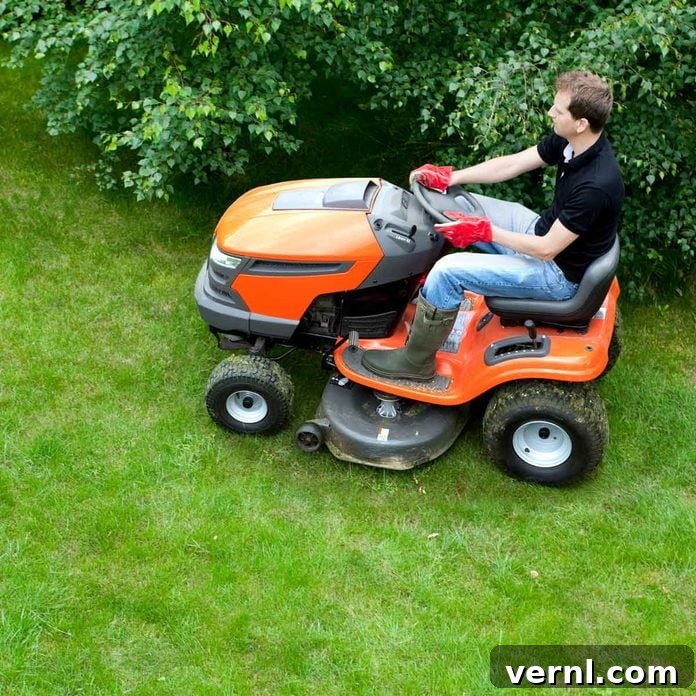
The classic front-engine riding lawn mower, a familiar sight in many neighborhoods, is more accurately termed a “lawn tractor.” These machines feature controls that closely mimic those of an automobile, complete with a steering wheel for precise navigation and a foot pedal for braking. Lawn tractors are incredibly versatile, capable of handling a variety of mid-range accessories and attachments without overtaxing their engines. Popular attachments include grass baggers for collecting clippings, lawn sweepers for debris, and dethatchers to improve turf health. Regular lawn tractor maintenance tips, such as checking fluids, blades, and tire pressure, are essential to keep these workhorses operating smoothly and efficiently for years to come.
2. Rear-Engine Riders
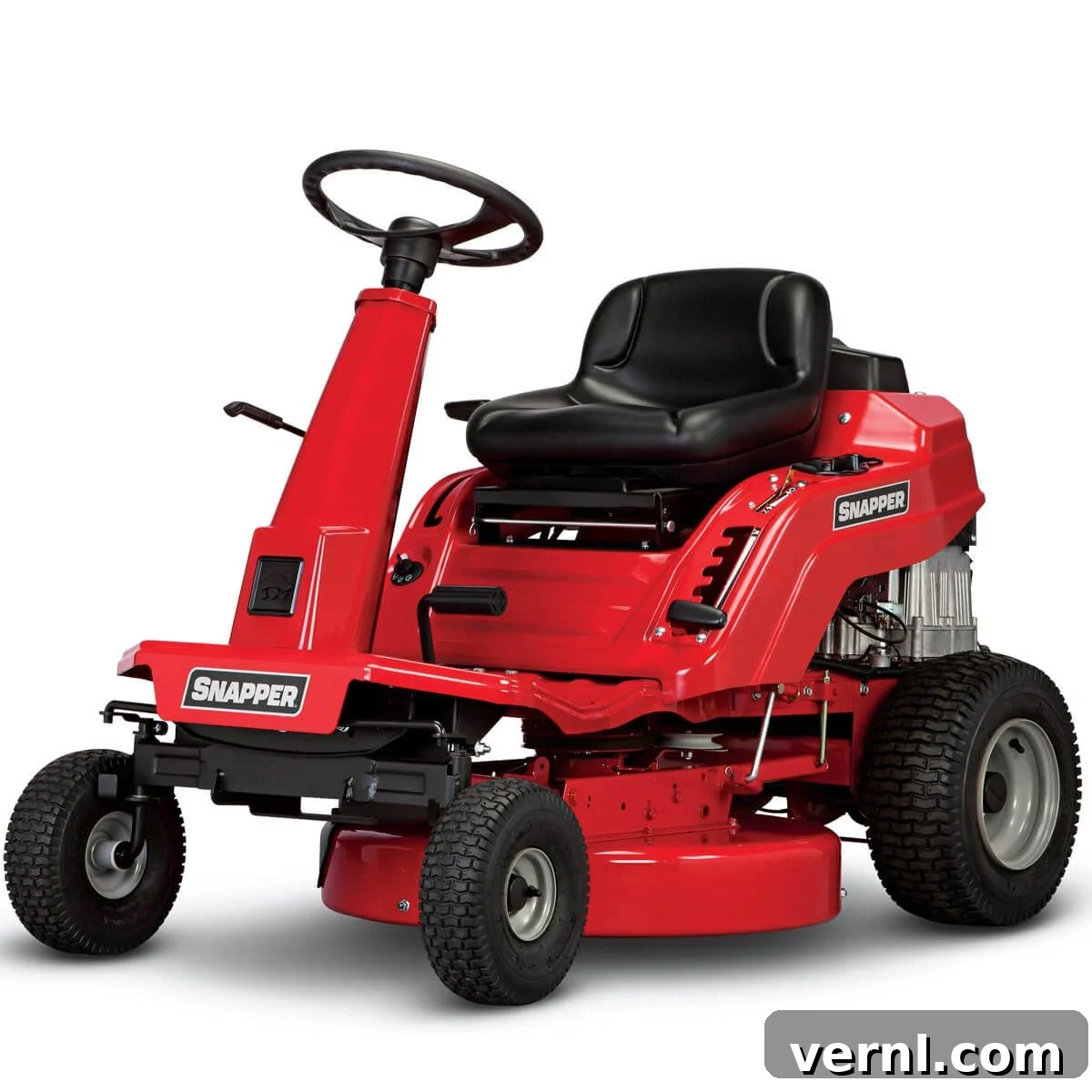
A rear-engine rider is a specialized machine primarily designed for lawn cutting. Characterized by its engine being located at the rear of the mower, it offers a more compact design and improved visibility over the cutting deck compared to a traditional lawn tractor. Lighter and generally more agile, rear-engine riders are well-suited for smaller to medium-sized yards with obstacles, where maneuverability is a priority. They still utilize a traditional steering wheel system, making them easy to operate for those accustomed to standard vehicles, but with a smaller footprint and often a tighter turning radius.
3. Zero-Turn Mowers
In stark contrast to the steering wheel-based systems, a zero-turn mower redefines maneuverability. It utilizes a pair of independent control levers, often referred to as “lap bars,” to manage speed, braking, and direction for each rear wheel separately. While these controls may seem daunting at first, most users quickly find that they become second nature, allowing for incredibly precise turns and a true zero-degree turning radius. This unique steering system enables operators to pivot on the spot, eliminating the need for wide turns and significantly reducing mowing time, especially on large, obstacle-rich properties. For a detailed comparison, explore the differences between traditional riding mowers and zero-turn models.
4. Garden Tractors
Representing the pinnacle of versatility and power within the riding mower family, garden tractors are a significant step up from standard lawn tractors. These robust machines are engineered to tackle much heavier and more demanding chores than simply mowing. They are capable of handling tasks such as serious tilling, heavy-duty towing of trailers or carts, and efficiently plowing snow in winter months. While they are certainly capable of mowing large lawns with ease, their primary design intent is for more comprehensive landscaping and property maintenance. Their enhanced construction, larger engines, and specialized attachments reflect their multi-functional capabilities, which is also typically reflected in their higher price point.
Leading Riding Lawn Mower Brands You Can Trust
The market for riding lawn mowers is dominated by several well-established and highly respected brands known for their innovation, durability, and extensive dealer networks. When investing in a riding mower, choosing a reputable brand ensures access to quality manufacturing, reliable parts, and professional service. Some of the most trusted names in the industry include:
- John Deere: Renowned for robust construction, powerful engines, and a wide range of models suitable for residential and commercial use.
- Cub Cadet: Often praised for innovative features, comfortable designs, and strong performance, especially in their zero-turn lineup.
- Troy-Bilt: Offers reliable and affordable options across various mower types, known for their user-friendly designs.
- Ryobi: A leader in battery-powered outdoor equipment, providing eco-friendly and low-maintenance electric riding mowers.
- Husqvarna: Celebrated for powerful engines, innovative cutting technologies, and ergonomic designs, catering to both homeowners and professionals.
- Craftsman: A long-standing name in tools and outdoor power equipment, offering a variety of riding mowers known for their solid performance and value.
- Toro: Highly regarded for their commercial-grade durability and excellent cutting quality, with a strong presence in both residential and professional markets.
Essential Riding Lawn Mower Features to Consider
Beyond the basic function of cutting grass, modern riding lawn mowers offer a multitude of features that enhance performance, versatility, and user comfort. When selecting your next mower, paying attention to these details can make a significant difference in your long-term satisfaction.
Versatility Through Attachments and Accessories
One of the most valuable aspects of a riding lawn mower is its ability to accept a wide array of accessories and attachments. These can transform your mower into a multi-season utility vehicle. Common attachments include:
- Baggers: Probably the most frequently used attachment, baggers efficiently collect grass clippings, leaves, and other waste material, leaving your lawn clean and tidy.
- Aerators: Essential for promoting healthier turf by perforating the soil to allow air, water, and nutrients to penetrate deeper.
- Mulchers: These kits finely chop grass clippings into tiny pieces and redistribute them back onto the lawn, acting as natural fertilizer.
- Lawn Sweepers: Ideal for picking up leaves, pine needles, and other light debris from large areas without manual raking.
- Snow Blades/Blowers: For garden tractors and some lawn tractors, these attachments convert your mower into a winter workhorse for clearing driveways and paths.
- Utility Carts/Trailers: Perfect for hauling soil, mulch, tools, or other materials around your property.
Engine Power and Performance
Most other riding lawn mower features boil down to questions of ruggedness, power, and maneuverability. Engine power is typically measured in horsepower (HP) or cubic centimeters (cc). You’ll find options ranging from single-cylinder engines for lighter use to powerful V-twin engines for heavy-duty applications, offering better balance, smoother operation, and increased longevity. Consider also the transmission type: manual for basic control, automatic (CVT) for ease of use, or hydrostatic for seamless speed changes and superior control, especially on varied terrain.
Cutting Deck Design and Size
The cutting deck is where the magic happens. Deck sizes can range from 30 inches for smaller riders to over 60 inches for commercial-grade machines. Look for features like fabricated decks (welded steel for extra durability) over stamped decks (pressed metal), washout ports for easy cleaning, and multiple cutting height adjustments to achieve your desired lawn length.
Comfort and Ergonomics
While it’s easy to get caught up in comparing horsepower and speed, don’t overlook simple yet crucial features such as operator comfort. Spending hours on a mower means comfort is paramount. Look for a high-backed seat with good cushioning that absorbs the bumps and vibrations of the work to help you avoid a sore back. Other comfort features include armrests, cup holders, accessible controls, and adjustable steering columns.
Smart Features and Technology
The latest generation of riding mowers integrates advanced technology. This can include GPS tracking for mapping mowing routes, automated blade adjustment for optimal cutting, digital fuel gauges, LED headlights for twilight mowing, and even smartphone apps for monitoring maintenance needs, battery status (for electric models), or service alerts.
Riding Mower Buying Considerations and Costs
Making the right choice for a riding lawn mower involves weighing several key factors that directly impact performance, suitability, and overall cost.
Lawn Size and Terrain
The biggest factors in selecting a mower are undoubtedly the size of your lawn and the nature of your terrain. A good rule of thumb:
- Small to Medium (1/2 to 1 acre): A rear-engine rider or smaller lawn tractor (30-42 inch deck) might suffice.
- Medium to Large (1 to 3 acres): A standard lawn tractor (42-54 inch deck) or an entry-level zero-turn mower is often ideal.
- Very Large (3+ acres) or Commercial: A powerful lawn tractor (54+ inch deck), a robust zero-turn mower, or a garden tractor is necessary.
For rugged, uneven, or hilly terrain, a garden tractor with its robust construction and powerful engine is generally the best choice. Lawn tractors follow, offering good stability. Rear-mount riders are suitable for moderate slopes. Zero-turn mowers truly shine on large, relatively flat spaces where their time-saving speed and unparalleled turn radius can be fully exploited.
Budget and Pricing Tiers
Expect to find a wide range of prices depending on the type, brand, and features. On average:
- Rear-Engine Riders: Generally the least expensive, ranging from about $1,200 to $1,900.
- Lawn Tractors: Typically fall in the $1,500 to $3,000 range for new models.
- Zero-Turn Mowers: Start around $3,000 for residential models and can easily exceed $7,000 or more for commercial-grade machines.
- Garden Tractors: These robust machines can start at $4,000 and go significantly higher, reflecting their heavy-duty capabilities.
If you opt for various accessories and add-ons like baggers or aerators, expect to pay another $300 to $1,000 or so, depending on the number and complexity of attachments. Refurbished or used models can offer significant discounts, but always inspect them thoroughly. These price ranges are primarily for gas-fueled mowers; battery-powered riding mowers usually carry about a 30 percent premium due to battery technology and charging systems, but offer benefits like lower emissions and quieter operation.
Remember that financing options are often available through dealerships, and seasonal sales (like end-of-season or holiday promotions) can mean deep savings, making it a strategic time to buy.
Fuel Type: Gas vs. Battery-Powered
The choice between gas and electric (battery-powered) is becoming increasingly relevant:
- Gas Mowers: Offer raw power, extended runtimes, and quick refueling. They are generally more affordable upfront but require more maintenance (oil changes, spark plugs) and produce emissions and noise.
- Battery-Powered Mowers: Provide quieter operation, zero emissions, and significantly less maintenance. They are excellent for smaller to medium yards, though runtimes can be limited by battery capacity. Initial cost is higher, but operating costs (no fuel) are lower over time.
Riding Mower Maintenance and Repair Considerations
Despite being built for hard work, riding mowers are complex machines that require diligent care to ensure longevity and optimal performance. Regular maintenance not only prevents costly repairs but also enhances safety and efficiency.
Routine Maintenance Schedule
A consistent maintenance schedule is crucial. This typically includes:
- Every Use: Clean the cutting deck to prevent grass buildup, check tire pressure, and ensure all safety features are operational.
- Every 25-50 Hours: Check engine oil level, clean/replace air filter, inspect blades for sharpness and balance, and lubricate moving parts.
- Annually or Every 100 Hours: Change engine oil and filter, replace spark plug(s), replace fuel filter, inspect belts for wear, check battery terminals, and thoroughly clean the entire machine.
- Winterization: Before storing for the winter, stabilize fuel, disconnect the battery, change the oil, and clean the mower thoroughly.
DIY vs. Professional Repair
Complicating matters, the size and weight of a riding mower can make it difficult to transport to a repair shop. You may need to find a professional who offers pick-up and delivery service. Fortunately, many manufacturers design their riding mowers with the DIY enthusiast in mind, offering easily accessible parts and comprehensive service manuals. This allows homeowners to perform many basic repairs and maintenance tasks themselves, saving time and money. Here, you can learn how to do your own riding lawn mower repair for common issues.
However, for more complex engine problems, transmission issues, or electrical faults, it’s always best to consult a certified technician. Attempting repairs beyond your skill level can lead to further damage or safety risks.
Frequently Asked Questions About Riding Lawn Mowers
Can I use a riding mower on hills or slopes?
Most riding mowers can safely be used on hills or slopes of up to 15 degrees. Always consult your mower’s owner’s manual for specific recommendations, as capabilities can vary by model. For steeper inclines, specialized equipment or professional landscaping services might be required.
What safety features should I look for in a riding mower?
Safety is paramount when operating any power equipment. Essential safety features to look for in a riding mower include:
- Operator Presence Control (OPC): This crucial feature automatically cuts the engine and stops the blades if the driver leaves the seat, preventing unintended movement or injury.
- Blade Guards: These sturdy coverings prevent accidental blade contact and minimize the risk of flying debris.
- Blade Disengagement in Reverse: Ensures that the blades stop spinning when the mower is put into reverse, a vital safety measure.
- Interlocks: These systems prevent the engine from starting if the blades are engaged, the parking brake isn’t set, or the mower is in gear.
- Rollover Protection Systems (ROPS) and Seatbelts: Especially important on larger or commercial-grade mowers, ROPS and seatbelts provide critical protection in the unlikely event of a rollover, preventing severe injury.
- Headlights: For visibility during early morning or late evening operation, enhancing safety for both the operator and those around.
How often should I change the oil in my riding mower?
For most riding lawn mowers, it’s recommended to change the oil annually or every 50 hours of operation, whichever comes first. Refer to your specific owner’s manual for the manufacturer’s exact recommendations, as this can vary by engine type and model.
What’s the best time of year to buy a riding mower?
The best time to buy a riding mower for potential savings is typically in the late fall or early winter. Dealerships often offer significant discounts during these off-peak seasons to clear out old inventory and make way for new models. You might also find good deals around major holidays like Black Friday or during end-of-season sales.
Can I tow a trailer or cart with my lawn tractor?
Yes, many lawn tractors are designed with towing capabilities and include a hitch plate. They can easily tow utility carts, spreaders, aerators, and other small trailers. Always check your mower’s owner’s manual for the maximum towing capacity to avoid overloading the engine or transmission.
What are the primary benefits of a zero-turn mower?
The main benefits of a zero-turn mower are speed and maneuverability. Their ability to turn on a dime significantly reduces mowing time, especially on properties with numerous obstacles or intricate landscaping. This efficiency makes them a favorite for large residential properties and commercial landscaping operations.
Choosing the right riding lawn mower is a significant investment that can dramatically improve your lawn care experience. By considering your lawn’s size and terrain, understanding the different types of mowers available, and evaluating key features, you can select a machine that not only meets your needs but also provides years of reliable service. Happy mowing!