
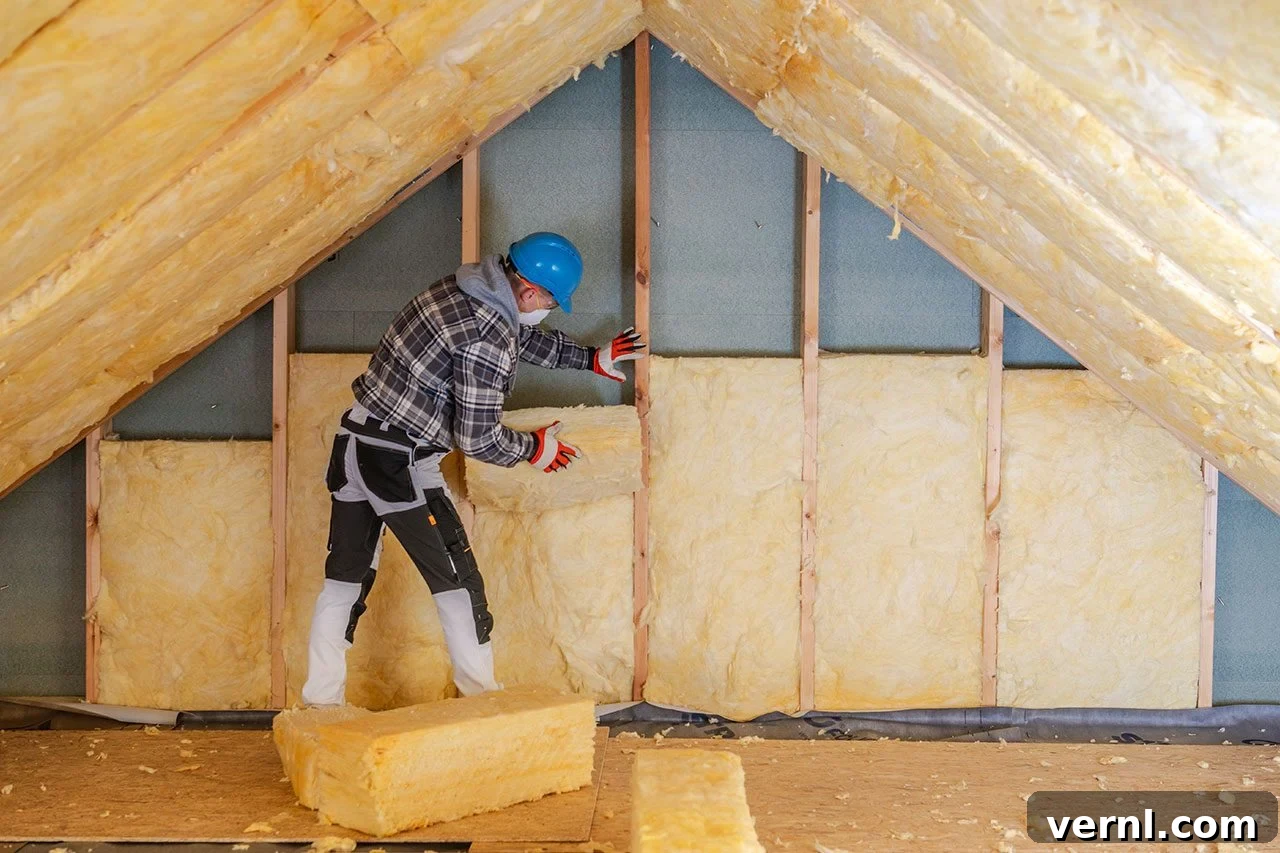
Winter is coming, and one of the most important preparations you can make is ensuring your home is properly insulated. Even with good insulation, air leaks can undermine its effectiveness. As Andre Kazimierski of HomeHero Roofing points out, sealing gaps dramatically improves overall performance, but you also need the right materials to slow heat transfer through wood, metal, and other building components. Effective insulation reduces heat loss, protects pipes from freezing, and helps your HVAC system run less often—lowering energy bills during the cold months.
Attic and Roof Spaces
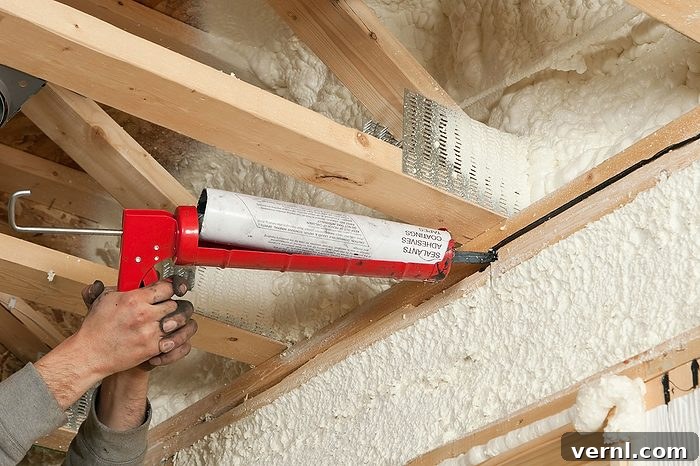
The attic and roof should be a top winterization priority. As roofs age, gaps and cracks can form that let cold air into the attic and then into living spaces. Have a qualified roofer inspect the roof and seal any openings, and consider adding rigid foam or spray foam insulation to the underside of the roof deck to reduce thermal bridging.
Because many attics are vented, you should thermally separate the attic from the conditioned space by insulating the attic floor with fiberglass batts or blown-in insulation. If you already have insulation but still feel drafts, find and seal gaps or add an extra layer of insulation to improve performance.
Exterior Walls
Exterior walls contribute significantly to heat loss. Wood siding has some insulating value, but not enough on its own. Masonry walls such as brick or concrete can act as thermal sinks, drawing heat out of the home. For finished walls, blown-in insulation is a practical option because it adds R-value without opening the wall. Spray foam works well where air sealing is needed in addition to insulation, as it fills irregular spaces and blocks drafts.
Windows and Doors
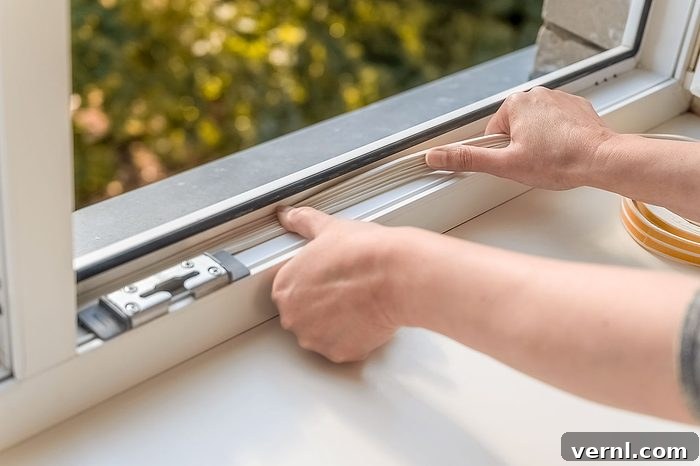
Replacing worn rubber seals around windows and exterior doors is an effective, relatively low-cost winterization step. Over time, seals shrink and become brittle, allowing warm air to escape and cold air to enter. Inspect seals and weatherstripping each fall and replace them when necessary. Adding a foam door sweep along the bottom of exterior doors provides extra protection against drafts.
Pipes and Plumbing
Not all plumbing requires insulation, but pipes running near exterior walls or through unheated spaces—such as attics, crawl spaces, and basements—should be insulated to reduce the risk of freezing. Insulating hot water pipes also reduces heat loss and improves energy efficiency. Use foam pipe sleeves where pipes are exposed but somewhat protected, and consider electric heat cables for pipes in areas that regularly drop below freezing.
Basement and Crawl Space
Air leaks around the rim joist, sill plate, and foundation penetrations are common sources of cold air intrusion. Seal larger gaps at the rim joist with closed-cell spray foam for better moisture resistance and insulating value. Use expanding foam around pipes and wires and caulk for smaller cracks. Because the rim joist runs along the entire perimeter of the house, addressing it substantially reduces overall heat loss.
Garage Walls and Ceilings
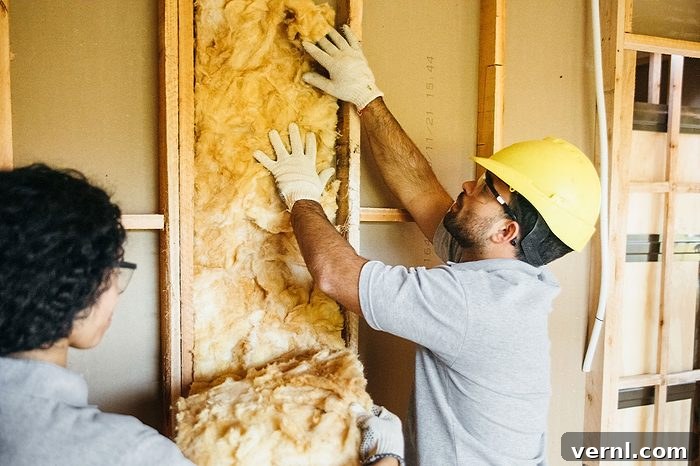
Garages typically don’t need full insulation unless they share conditioned space with the house. Any wall that adjoins living areas should be insulated with moisture-resistant materials, such as closed-cell spray foam or rigid foam board. If your garage is finished and used as a living or hobby area, treat it like the rest of your home: seal gaps and insulate walls and ceilings.
HVAC Ductwork
Aging ductwork often develops leaks at joints and seams, which reduces heating efficiency. Check ducts by feeling for escaping air while the system is running. Focus on exposed ducts in the attic, crawl space, and basement. Seal leaks with mastic or UL-listed foil tape—avoid ordinary duct tape, which dries out and fails over time.
Electrical Outlets and Other Small Air Leaks
Small gaps around electrical outlets and where pipes or wires penetrate walls can account for significant heat loss. Install foam outlet gaskets behind faceplates and use caulk or spray foam to seal small openings around pipes and wiring. These simple fixes help reduce drafts and improve comfort.
FAQ
What should you insulate before winter?
Experts agree: start with the attic and roof. Warm air rises, and inadequate attic insulation allows a lot of heat to escape through the roof. Prioritizing attic insulation delivers large gains in overall energy efficiency.
Is fall a good time to add attic insulation?
While spring is often recommended to keep attic heat from migrating into living spaces during summer, early fall is also a practical time to insulate if your priority is winter comfort. Fall can offer milder working conditions in the attic and competitive pricing on materials.
How can you tell where your home needs more insulation?
- Higher-than-expected energy bills despite normal thermostat settings.
- Rooms that are noticeably colder than others.
- Detectable drafts in living spaces.
- Condensation or mold spots on walls or ceilings, indicating thermal bridging or insufficient insulation.
During summer, a much hotter upstairs often indicates poor attic insulation and heat transfer into living areas.
What areas of a home lose the most heat?
Rooms with exterior walls, north-facing rooms that receive less sun, and spaces adjacent to unheated areas (garages, porches, basements, crawl spaces) typically lose the most heat and benefit most from targeted insulation.
About the Experts
- Andre Kazimierski — Co-Owner and President of HomeHero Roofing, a residential roofing company based in Downers Grove, IL.
- Bob Cardwell — Owner of Cardwell HVAC, with more than a decade of experience in heating, cooling, and plumbing serving South Jersey.
- Cody Purtle — Owner of Silver Ridge Roofing, based in Houston, TX.