The Ultimate Guide to Touchless Car Washes: Benefits, Drawbacks, and Expert Tips for a Spotless Shine
In our increasingly fast-paced lives, maintaining a vehicle’s cleanliness often comes down to balancing convenience, cost, and the desired level of pristine results. While the meticulous care of hand-washing a car offers unparalleled attention to detail and a chance for close inspection, the reality for many busy individuals means relying on faster, more accessible options. For years, I found immense satisfaction in hand-washing my vehicle, appreciating the opportunity to inspect it closely for any signs of wear or issues. However, during periods of heightened activity and demanding schedules, touchless car washes became my go-to solution – a quick, affordable, and surprisingly effective way to keep my car looking presentable without the time commitment.
As Chris “Moose” Pyle, a seasoned master certified technician with JustAnswer, aptly puts it, “You get a clean car inside and out that is not too expensive, and you do not have to get wet and dirty doing it.” This statement perfectly encapsulates the core appeal for countless drivers. Yet, Pyle, much like many dedicated automotive enthusiasts, also highlights a personal preference for hand-washing, noting the invaluable chance it provides “to look it over well for signs of things needing attention now or later.” This distinction between convenience and comprehensive inspection forms the crux of the car wash dilemma.
However, the convenience and speed of touchless car washes often come with a trade-off. They typically employ more potent cleaning chemicals and, by their very nature of avoiding physical contact, may not achieve the same level of deep, thorough cleaning as methods involving brushes, sponges, or dedicated hand-scrubbing. This can leave behind stubborn grime or give a less “squeaky clean” finish. So, the crucial question remains: when is a touchless car wash the right choice for your vehicle, and what should you consider before driving into one?
What Exactly is a Touchless Car Wash? Unpacking the No-Contact Cleaning Method
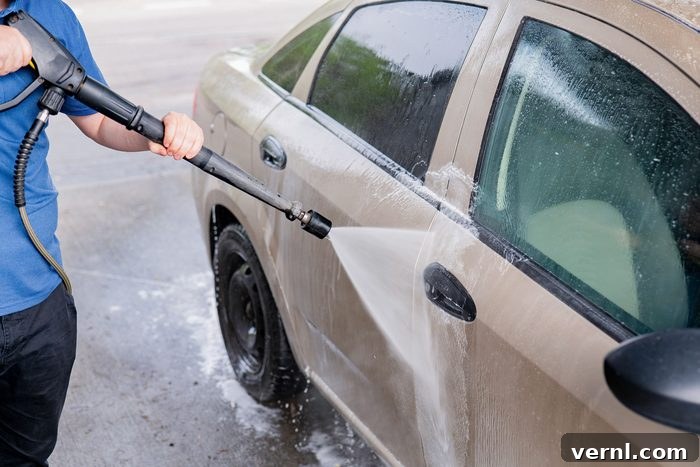
At its core, a touchless car wash is a sophisticated, fully automated system meticulously designed to clean the exterior of your vehicle without any direct physical contact from brushes, cloths, or sponges. Unlike traditional automatic washes that rely on rotating brushes and friction, touchless systems operate solely through the strategic application of powerful high-pressure water jets and specialized, highly concentrated detergents to break down, lift, and rinse away dirt and grime.
This innovative, no-contact approach has surged in popularity precisely because it directly addresses a common and significant concern among car owners: the potential for unsightly scratches, swirl marks, or micro-abrasions that can be inflicted by brushes or cloths in traditional automatic washes, especially if those materials are dirty or worn. As Richard Flores, owner at On the Run Detailing, explains, “This method ensures that the exterior of the car is cleaned thoroughly without risking any scratches or damage to the paint.” It stands as an ideal solution for those who prioritize the preservation of their vehicle’s paint finish and seek a quick, yet remarkably scratch-free, washing experience for their valuable investment.
Modern touchless car wash facilities are frequently equipped with advanced sensor technology that accurately detects your vehicle’s precise size and unique contours. This intelligent sensing allows the system to optimize its spray patterns and detergent application for comprehensive coverage, ensuring no spot is missed. This reliance on cutting-edge technology ensures that every external surface of your car, from the roofline to the intricate wheel designs, receives effective attention, all without a single abrasive element coming into contact with its delicate clear coat.
The Mechanics Behind the Clean: How a Touchless Car Wash Operates
Understanding the precise sequence of operations within a touchless car wash reveals the clever engineering and chemical science that enable its effectiveness. The entire process is meticulously designed to be efficient, thorough, and compensates for the absence of physical friction with robust chemical power and focused hydraulic force.
The journey begins the moment your car carefully enters the wash bay and positions itself. First, it is extensively sprayed with a potent pre-soak detergent solution. This initial step is far more than a simple wetting; the pre-soak chemicals are specifically engineered to penetrate, emulsify, and loosen stubborn dirt, hardened road grime, dried insect residue, and even light tar deposits. This crucial phase effectively prepares the vehicle’s surface for the main cleaning cycle, allowing contaminants to be lifted without needing to be scrubbed off.
Following the pre-soak, the dynamic core of the touchless system activates: powerful, high-pressure water jets. These jets precisely target the vehicle from an array of angles, systematically blasting away the now-loosened dirt and remaining cleaning solutions. The immense water pressure generated is absolutely critical here, as it acts as the primary mechanical force, effectively stripping away contaminants that would otherwise necessitate physical scrubbing. Various specialized nozzles and sophisticated spray patterns ensure comprehensive coverage across the entire vehicle body, deeply into wheel wells, and in more advanced systems, even targeting the undercarriage.
After the intensive high-pressure wash, a thorough rinse cycle is initiated to meticulously remove all residual detergents and any lingering loosened debris. This typically involves fresh, clean water applied at a controlled pressure to prevent any soap residue from drying on the surface, which could otherwise lead to unsightly water spots. Many contemporary touchless washes also incorporate a premium spot-free rinse, often utilizing deionized or reverse osmosis water, which has been specially filtered to minimize mineral content, thereby further preventing the formation of spots.
The final and equally important stage is the drying process. High-powered blowers direct strong, focused currents of air over the entire vehicle, aiming to remove as much water as physically possible. To significantly enhance this process and prevent the formation of water spots, many touchless washes apply a specialized drying agent – frequently a hydrophobic polymer or a liquid wax – either during the final rinse or immediately afterward. This agent actively causes water to bead up and sheet off the surface more efficiently, dramatically reducing the amount of water left for the blowers to remove. While automated blowers strive for near-complete dryness, some residual moisture can often remain, particularly in tight crevices, around mirrors, and under door handles. Alternatively, after exiting a touchless car wash, a vehicle can be air-dried naturally as you drive away or, in some premium, full-service facilities, meticulously hand-dried by attentive attendants (in which case, a gratuity is always a thoughtful gesture).
The entire streamlined process is remarkably swift, typically concluding in less than ten minutes, making it an incredibly time-efficient option. Many modern facilities further enhance customer convenience by offering complimentary vacuum stations, allowing drivers to thoroughly clean their car’s interior immediately after the exterior wash, providing a complete refresh experience.
Understanding the Investment: How Much Does a Touchless Car Wash Cost?
The pricing for touchless car washes is generally quite accessible, making them a highly attractive and practical option for routine vehicle maintenance. Prices typically range from $10 to $40, but this can vary significantly based on several factors unique to each facility and the services chosen. The size of your vehicle plays a direct role, with larger SUVs, trucks, and vans often incurring a slightly higher charge compared to compact cars or sedans. More importantly, the range of available wash packages and upgraded treatments will substantially influence the final price.
Basic wash packages usually encompass the essential steps: pre-soak, high-pressure wash, rinse, and blow-dry. However, for those seeking enhanced care and protection, facilities frequently provide premium packages that include additional features such as liquid wax applications for added shine, tire foam for a deep, glossy black finish, comprehensive undercarriage cleaning to remove corrosive salt and grime from vital components, rust inhibitors for long-term protection, and even advanced ceramic-infused treatments designed to boost paint protection. These add-ons, while increasing the overall cost, can offer measurable benefits in terms of protection and aesthetic appeal.
Many forward-thinking car wash companies also actively entice customers with attractive subscription models or offer significant discounts for purchasing multiple washes in advance. These options can prove to be particularly cost-effective for drivers who wash their cars frequently throughout the month or year, transforming a higher per-wash price into a more economical recurring expense. Before opting for a premium package, it’s wise to carefully consider your vehicle’s current condition and your specific expectations for the wash.
Chris “Moose” Pyle offers pragmatic advice, suggesting, “If your car’s appearance is not the highest priority, or the car is not the best-looking one on the road, then stick to the basic package.” He further elaborates on the value proposition, noting, “The wax used is not all that great, so there is no need to pay top dollar. For example, platinum ceramic on a car that does not shine like a new penny after a car wash.” This candid insight suggests that while the upgraded liquid waxes and sealants offered in touchless washes provide some level of protection and gloss, they may not deliver the deep, enduring shine or the robust protection found in professional detailing services or meticulously hand-applied premium waxes, especially on older or less-than-perfect paint finishes. Understanding these nuances can empower you to choose a package that perfectly aligns with both your budget and your desired outcome for your vehicle’s appearance.
The Upsides of No-Contact Cleaning: Touchless Car Wash Benefits
Touchless car washes offer a compelling list of advantages that solidify their position as a highly popular choice for many vehicle owners. These benefits primarily revolve around their unparalleled convenience, impressive speed, and, most critically, their inherent safety for your car’s delicate finish.
- Reduced Risk of Paint Scratches: This is arguably the most significant and widely recognized benefit. By completely eliminating any physical contact from brushes, cloths, or scrubbing mechanisms, touchless washes virtually eradicate the risk of swirl marks, micro-scratches, or any direct paint damage that can unfortunately occur if traditional automatic washes use dirty, abrasive, or poorly maintained materials. This attribute makes them an exceptionally appealing option for owners of newer vehicles, luxury cars, or those with delicate custom paint jobs and wraps.
- Inexpensive and Cost-Effective: Compared to professional hand washes, premium detailing services, or even the cost of purchasing DIY supplies, touchless washes are remarkably affordable. Their highly automated nature significantly reduces operational labor costs, allowing these savings to be passed directly on to the customer. This makes them an excellent and sustainable option for regular, routine vehicle maintenance without putting a strain on your budget.
- Unmatched Convenience and Accessibility: Touchless car washes are ingeniously designed for maximum speed and effortless use. The process is straightforward: you simply drive in, follow the automated instructions, pay, and let the sophisticated machinery perform all the work. There’s absolutely no need for you to engage in pre-soaking, tiresome scrubbing, or manual drying, thereby saving valuable time and physical effort – a huge advantage for individuals with demanding schedules or those looking for a quick clean on the go.
- Significantly Faster Than DIY or Commercial Hand-Washing: The entire touchless washing process, from the moment you enter to your swift exit, typically concludes in under ten minutes. This rapid turnaround time is a huge draw for drivers who require a quick clean during a lunch break, while running errands, or simply when time is of the essence. This efficiency far outperforms the substantial time commitment required for a do-it-yourself wash or the longer wait times often associated with a professional hand-wash service.
- Excellent for Maintenance Washes Between Thorough Cleanings: While they may not provide the absolute deepest clean, touchless washes are perfectly suited for regular upkeep and interim cleaning. They are highly effective at removing loose dirt, accumulated dust, pollen, and corrosive road salt, thereby preventing these contaminants from settling in and causing long-term damage to your vehicle’s paintwork. They serve as an ideal interim solution to keep your car looking fresh between more comprehensive detailing sessions.
- Reduced Potential Damage to Loose Body Parts and Protruding Components: Without any physical brushes or spinning elements, there is a significantly diminished risk of damaging delicate exterior components such as side mirrors, exterior-mounted antennas (though it’s still best to retract them), roof racks, spoilers, aftermarket accessories, or any other protruding parts that might get snagged, caught, or bent in a traditional brush wash.
Beyond the purely practical advantages, there’s often an element of fun and novelty, especially for families. Chris “Moose” Pyle suggests, “Take the kids; they will get a kick out of the water shooting at the windows.” He also highlights a critically important practical benefit, particularly relevant in colder climates: “Also, in the winter, I like these touchless car washes to get the salt off. The high-pressure water spraying from all different angles will get it out of the hidden areas much better than a hose at home.” This unparalleled ability to effectively rinse away corrosive road salt from hard-to-reach areas, including the vital undercarriage components, is invaluable for preventing rust, combating corrosion, and ultimately preserving a vehicle’s longevity and structural integrity.
The Other Side of the Coin: Touchless Car Wash Drawbacks
Despite their numerous advantages and growing popularity, touchless car washes are not without their inherent limitations. Understanding these potential drawbacks is crucial for making an informed decision about the most appropriate cleaning method for your specific vehicle and its condition.
- Less Thorough Cleaning Than Hand Washes or Automated Brush Washes: This is arguably the most significant disadvantage of touchless systems. While high-pressure water and strong chemicals are effective at removing loose dirt and superficial grime, they often struggle considerably with baked-on contaminants such as stubborn insect splatters, dried bird droppings, adhesive tar spots, or heavy, caked-on road film. The complete absence of physical friction means that these tougher, more adherent contaminants might remain on the surface, potentially leaving a less-than-perfect or uneven finish compared to methods that actively involve scrubbing or wiping.
- Limited Drying Performance, Especially in Freezing Temperatures: Although touchless washes employ powerful blowers, they very rarely achieve 100% dryness. Residual water, particularly in tight crevices, around mirror casings, under door handles, and within wheel designs, is a common occurrence. In cold or freezing weather conditions, this lingering water can be particularly problematic, as it can freeze solid, potentially causing door seals to stick firmly, windows to jam inoperable, or even leading to the formation of ice in more delicate mechanisms, posing a safety risk.
- Aggressive Cleaning Chemicals Can Harm Your Car’s Finish Over Time: To compensate for the complete lack of physical friction, touchless washes frequently rely on highly alkaline or acidic detergents. While exceptionally effective at dissolving stubborn grime, repeated and prolonged exposure to these harsh chemicals can gradually strip away protective waxes, sealants, and over an extended period, potentially degrade your vehicle’s clear coat. This degradation can lead to a duller appearance, premature aging of the paint, and reduced protection. Furthermore, the environmental impact of these potent chemicals can be a concern if not properly managed and treated by the facility.
- Incomplete Drying Can Create Spotting on Your Finish: If the drying process is not absolutely perfect, or if the facility does not consistently use deionized or “spot-free” water, any remaining water droplets on the vehicle’s surface will eventually evaporate, leaving behind unsightly mineral deposits. These mineral deposits manifest as visible water spots on your paintwork, which are especially noticeable and frustrating on dark-colored cars, detracting from an otherwise convenient wash.
- May Not Accommodate Oversized Vehicles: The highly automated nature of touchless car washes dictates that they have specific size and clearance limitations. Vehicles such as high-top vans, dually trucks, or those equipped with large roof racks, oversized tires, lift kits, or custom modifications might not fit through the wash bay or could risk significant damage due to insufficient clearance.
Isaac Lee, COO of Soapy Joe’s, emphasizes the critical need to temper expectations when considering these washes: “When considering a touchless car wash, weigh the cost against the level of cleanliness desired. Convenience is great, but for heavily soiled vehicles, a touchless car wash may not be enough to remove all the dirt and grime.” This expert advice fundamentally underscores that while touchless washes offer quick, superficial cleaning, they are generally not a substitute for a deep, comprehensive detail when your vehicle is particularly dirty, has stubborn stains, or requires specialized, meticulous attention.
Maximizing Your Wash: Essential Touchless Car Wash Tips for Optimal Results
While touchless car washes undeniably offer unparalleled convenience and speed, implementing a few simple, strategic measures can significantly enhance their overall effectiveness and help ensure your vehicle emerges as clean and spot-free as possible. Preparing your car appropriately, understanding what to do during the wash cycle, and taking a few minutes afterward can make a noticeable and lasting difference in the final outcome.
According to Richard Flores, the experienced owner of On the Run Detailing, for the absolute best results, it is highly recommended to “hand wash heavy debris before entering the wash.” This crucial pre-treatment step is invaluable for removing large, caked-on deposits of mud, stubborn bird droppings, or dried bug splatters that the high-pressure jets alone might struggle to completely dislodge. By tackling these tough contaminants beforehand, you allow the touchless system to more efficiently focus its power on general cleaning and surface grime.
Additionally, if the car wash facility is conveniently located at a gas station, always make it a point to inquire whether purchasing a tank of gas offers a discount on a wash. This is a common and beneficial promotion that can help you save money on your vehicle’s maintenance.
Once you are ready to enter the wash bay and begin the process, meticulously follow these expert tips to ensure a superior experience:
- Prepare Your Exterior Accessories: If your vehicle has an exterior-mounted antenna that is either removable or retractable, ensure it is lowered or removed before entering. Furthermore, remove any loose or hanging items from your roof, bumper, or hitch, such as bicycle racks, magnetic signs, or anything that could potentially be dislodged or damaged by the intense high-pressure water or powerful air blowers.
- Ensure a Watertight Seal: Prior to the commencement of the wash cycle, double-check that all doors and windows are closed tightly and securely. The intense pressure of the water jets within the system can be surprisingly forceful and may regrettably force water into even very small openings, potentially wetting your vehicle’s interior or causing damage to sensitive electrical components.
- Navigate the Blowers Slowly and Deliberately: As your vehicle progresses through the drying section of the wash, make a conscious effort to drive slowly and steadily past the powerful blowers. Allowing more time for the high-velocity air to interact with and work on your vehicle’s surface significantly maximizes the drying efficiency, thereby considerably reducing the amount of residual water that could otherwise lead to unsightly water spots.
- Perform a Post-Wash Wipe-Down: Immediately after exiting the car wash, take a clean, soft, and absorbent microfiber cloth and meticulously wipe away any excess water from door edges, mirror casings, around trim pieces, and in any natural crevices. These areas are notorious for retaining water, which can subsequently drip down and cause streaks or prominent water spots as it air-dries.
- Address All Remaining Wet Areas: Pay particular attention to thoroughly drying other potentially wet areas, such as the grille, inside headlight and taillight housings, and within wheel crevices. A quick, diligent wipe-down in these spots will effectively prevent the formation of unsightly water spots, which are especially visible and detracting on darker paint finishes.
- Consider an Added Protective Layer: For an enhanced shine and an additional layer of paint protection, consider applying a quick detailer spray, a spray wax, or a dedicated paint sealant after the wash. This simple step will not only boost your car’s gloss and aesthetic appeal but also help repel water more effectively and add a crucial layer of defense against environmental contaminants and UV radiation.
Chris “Moose” Pyle offers a grounded and realistic perspective on expectations: “Do not go in expecting a showroom finish because it will not happen.” He also strongly emphasizes the paramount importance of strictly following the facility’s instructions: “Also, follow the signs and do exactly as they state, or you will end up rubbing your tires and rims on the guards, or you will miss parts of the washing process.” Adhering precisely to the car wash facility’s guidelines ensures a smooth, effective wash experience and actively prevents potential damage to your vehicle’s wheels and body.
In conclusion, Isaac Lee wisely advises, “Car washing isn’t one size fits all. Be sure to select a wash package/service that suits your car’s needs and budget.” By proactively combining smart preparation with mindful post-wash actions, you can undoubtedly get the absolute most out of your touchless car wash experience, maintaining your vehicle’s appearance with efficiency.
Beyond Touchless: Exploring Alternative Car Washing Solutions
While touchless car washes certainly offer a highly convenient and rapid solution for vehicle cleaning, they represent just one option within a diverse and comprehensive landscape of available vehicle maintenance methods. Depending on your specific needs, the desired level of cleanliness, your budget constraints, and the time you have available, several alternative car washing solutions might be more suitable. Each method presents its own unique balance of efficiency, thoroughness, cost, and personal involvement.
Automatic Car Washes with Brushes (Soft-Touch Washes)
If your primary goal is to achieve a deeper and more thorough clean than what a purely touchless wash can provide, but you still desire a quick, automated, and relatively hands-off experience, an automatic car wash that utilizes soft-touch brushes or cloth applicators is a highly popular and effective choice. These systems intelligently combine the power of cleaning chemicals with physical friction from gentle materials to scrub away dirt, grime, and road film much more effectively than water jets alone. Modern soft-touch brushes are typically crafted from advanced foam or microfiber materials specifically designed to be gentle and non-abrasive on paint finishes, significantly reducing the risk of scratching compared to older, bristle-style brushes. These systems often utilize less harsh chemicals than their touchless counterparts because the physical agitation actively assists in the cleaning process.
Many “express washes” fall directly into this category, offering a fast and comprehensive clean. As Isaac Lee points out, “Many express washes offer complimentary vacuum stations, making it easy to clean the interior of your car at no extra cost.” He further adds value by noting, “Many also offer complimentary air fresheners and free use of microfiber towels, glass cleaner and crevice tools.” These thoughtful added amenities significantly enhance the overall value and convenience of the express wash experience, allowing for a truly comprehensive interior and exterior refresh in one convenient stop.
Self-Service Car Washes
For individuals who prefer a more hands-on approach to cleaning their vehicle but without the full commitment and equipment required for an at-home wash, self-service car wash bays are an excellent middle-ground. These widely available, coin-operated bays provide direct access to high-pressure wands, a variety of soap and wax options, and sometimes even foam brushes for manual scrubbing. You retain full control over the water pressure, the specific cleaning solutions used, and the duration of each cycle, allowing you to meticulously focus on specific dirty areas or stubborn stains. They are generally very affordable, offering a cost-effective solution, and give you more direct control over the cleaning process, though you will still need to put in the physical effort and likely get wet in the process.
Hand Wash at Home (DIY – Do It Yourself)
The classic do-it-yourself (DIY) hand wash remains the undisputed gold standard for many dedicated automotive enthusiasts. This method offers the most precise control over the entire cleaning process, allowing for meticulous attention to every single inch of your vehicle’s exterior. You have the freedom to choose your preferred soaps (opting for pH-neutral, gentle formulas), high-quality wash mitts, and specific techniques, thereby ensuring a thorough yet exceptionally gentle cleaning that protects your paint. This method is often the most cost-effective in the long run (after an initial investment in quality equipment) and provides a rewarding opportunity to truly connect with and care for your vehicle. However, it requires a significant time commitment, considerable physical effort, and convenient access to suitable washing facilities at home (including water supply and drainage). If you choose this route, always prioritize using a mild, pH-neutral cleaner that is not only safe for your vehicle’s delicate finish but also environmentally friendly and safe for local sewer systems.
Professional Detailing Services
For the ultimate in deep cleanliness, superior protection, and meticulous restoration, professional detailing services are simply unmatched. Expert detailers offer comprehensive, multi-stage services that extend far beyond a typical wash, including specialized paint correction (to remove swirls and scratches), interior deep cleaning and sanitization, the precise application of advanced ceramic coatings, and extensive, long-lasting waxing. While this is undeniably the most expensive option among the alternatives, it delivers unparalleled results, dramatically enhances your car’s aesthetic appeal, and helps maintain or even significantly increase your vehicle’s resale value. If you own an oversized vehicle – such as a large RV, a commercial truck, or a highly customized vehicle – a professional hand wash or detailing service might be your only viable option, as many automated systems simply cannot accommodate larger dimensions or complex modifications.
Jonny Lam of Bay Area Car Wash succinctly and effectively summarizes the core trade-offs that apply across all available car washing methods: “Every method of car washing has its pros and cons. It’s a triangle effect between chemical strength, friction, and time. Ultimately, it all comes down to your budget, your available time, and your specific cleaning needs.”
Ultimately, regardless of which method you choose, the absolute key to achieving a long-lasting vehicle finish and preserving its aesthetic appeal for years to come is unwavering consistency. Lam emphatically stresses, “There’s going to be a lot of people telling you this way, or that way is better. I personally don’t care how you do it, just do it. It’s consistent cleaning and waxing that will aid in the longevity. Keep it clean, keep it waxed, and move on with life. It’s just a car, use it!” Regular washing, conscientiously performed using any chosen method, effectively prevents the detrimental build-up of damaging contaminants, actively protects your paintwork, and ensures your car continues to look its absolute best.
Frequently Asked Questions About Touchless Car Washes
Are Touchless Car Washes Safe for All Vehicles?
For the vast majority of modern vehicles, touchless car washes are generally considered a safe and effective cleaning option. Their primary and most significant advantage is the complete elimination of physical contact, which drastically reduces the risk of scratches, swirl marks, and paint abrasions compared to traditional brush-based automatic washes. However, it is always prudent practice to consult your specific vehicle’s owner’s manual. Some manufacturers might have particular recommendations or warnings against certain types of automated washes, especially if they involve very harsh chemicals, which could potentially affect specific finishes, factory-applied coatings, or aftermarket protective films over a prolonged period of frequent exposure.
Chris “Moose” Pyle specifically advises that “cars that have been modified with lowering kits and different tires and rims should avoid them.” Such modifications can significantly alter a vehicle’s standard dimensions, ground clearance, and overall profile, making them incompatible with the fixed spray patterns and guide rails of an automated wash. This incompatibility could potentially lead to serious damage to the undercarriage, wheels, or bodywork.
Tomer Ruderman, founder and owner at Car Keys Ottawa, adds a crucial point for customized vehicles: “If your car has a custom paint job or decals, it’s also a good idea to check with the wash operator to ensure that the detergents won’t damage it.” Custom finishes, vinyl wraps, or delicate decals might be more sensitive to the strong chemical formulations typically used in touchless washes, making a quick inquiry a very worthwhile and necessary precaution to prevent costly damage.
What Companies Offer Touchless Car Washes?
Touchless car washes are widely available and increasingly common across various regions and countries, offered by a diverse mix of local independent businesses and large national or international chains. You’ll often find these facilities at major gas station brands like Shell, as well as dedicated car wash franchises such as Mister Car Wash and Zips Car Wash (though specific availability can vary significantly by geographic region and individual location). While some facilities may strategically brand themselves with local names or themes to cultivate a community feel, Pyle notes that “Most choose to name the car wash something local, so customers feel like they are using a local company, but in fact it is a chain company with car washes in many towns.” This widespread presence and strategic branding ensure that finding a convenient touchless option is usually quite straightforward, whether you’re at home or traveling.
How Often Should I Use a Touchless Car Wash?
The optimal frequency for using a touchless car wash largely depends on several key factors, including your typical driving environment, the intensity of your vehicle usage, and your personal preferences for cleanliness. For vehicles driven daily in areas frequently exposed to road salt, heavy dust, abundant pollen, industrial fallout, or significant road grime, a weekly or bi-weekly wash is generally ideal to prevent the harmful accumulation of contaminants and maintain paint integrity. If your car is exposed to less harsh environmental conditions or is driven less frequently, a wash every two to four weeks might suffice to keep it looking presentable. It’s important to remember that touchless washes excel at maintenance and removing superficial dirt. For a deeper, more thorough clean, or after particularly heavy contamination (e.g., extensive mudding, long road trips with bug splatters), consider supplementing with a meticulous hand wash or a soft-touch automatic wash.
Can Touchless Car Washes Damage Ceramic Coatings?
Generally, touchless car washes are considered relatively safe for vehicles that have a ceramic coating applied, primarily because they inherently avoid any physical abrasion. This means no direct rubbing that could potentially compromise the coating. However, a critical point of consideration is the strength and pH level of the chemicals used. The strong, often high-pH (alkaline) chemicals employed in some touchless systems can, over time and with frequent exposure, slowly degrade the hydrophobic (water-repelling) properties of a ceramic coating. While they won’t typically strip the coating immediately in a single wash, consistent use of very harsh chemicals can reduce its overall longevity, diminish its protective effectiveness, and lessen its characteristic beading and sheeting capabilities. For ceramic-coated vehicles, it’s highly recommended to seek out touchless washes that explicitly state they use ceramic-coating-safe or pH-neutral soaps, or to integrate careful hand washes using dedicated ceramic-safe shampoos as part of your maintenance routine.
Do Touchless Car Washes Clean the Undercarriage Effectively?
Many advanced touchless car wash facilities do offer an undercarriage cleaning option, frequently included as part of their premium wash packages. This specialized feature utilizes targeted, high-pressure jets directed from beneath the vehicle to thoroughly rinse away road salt, accumulated mud, dirt, and general grime from the chassis and lower components. While this method is generally effective for removing loose contaminants and is particularly beneficial for salt removal in winter months, it may not provide the same deep, comprehensive clean as a dedicated undercarriage wash performed with specialized tools or manual scrubbing. Nevertheless, it remains a valuable addition to any wash, especially in regions prone to heavy road salt, as it plays a crucial role in helping to prevent rust and long-term corrosion on vital undercarriage components, thereby extending the vehicle’s lifespan.
Meet the Automotive Experts
Our insights and practical advice on vehicle care and maintenance are significantly enriched by the deep knowledge and extensive experience of seasoned professionals across the automotive and car wash industries. Here’s a brief introduction to the highly respected experts who generously contributed their valuable perspectives to this comprehensive guide:
- Isaac Lee is the accomplished Chief Operating Officer (COO) of Soapy Joe’s, a prominent and rapidly growing car wash enterprise. In his pivotal role, he oversees the company’s extensive operational strategies and champions their innovative initiatives in eco-friendly equipment and cutting-edge technology. In well-deserved recognition of his exemplary leadership and significant contributions, Isaac was proudly honored as one of the San Diego Business Journal’s Top 50 Veteran Business Leaders of Influence in 2023.
- Chris “Moose” Pyle brings an impressive career spanning over two decades of robust automotive experience to the table as a distinguished master-certified technician. His extensive expertise encompasses a wide and intricate range of vehicle systems, including both gas and diesel engines, complex transmissions, steering and suspension systems, advanced braking systems, and intricate electrical diagnostics. Chris has also served as a highly trusted expert for JustAnswer.com since 2006, where he has provided invaluable, practical advice to countless car owners navigating various automotive challenges.
- Richard Flores is the dedicated owner and highly skilled ceramic coating technician at On the Run Detailing, based in Bakersfield, California. With seven years of specialized, hands-on experience, Richard is exceptionally well-versed in advanced car detailing methodologies, meticulous maintenance practices, and cutting-edge modern washing techniques, consistently ensuring that vehicles under his care receive the absolute highest standard of professional treatment and attention.
- Jonny Lam represents the second generation of a proud family legacy in the car wash industry. As a key operator at Bay Area Car Wash in the vibrant city of San Francisco, he brings a deep-rooted understanding of comprehensive car care and exemplary customer service, reflecting years of accumulated family expertise and dedication within the business.
- Tomer Ruderman is the innovative founder and dedicated owner at Car Keys Ottawa. His professional work involves a broad and diverse spectrum of vehicles, and he actively collaborates with numerous auto repair shops, independent garages, and various organizations on projects ranging from simple key services to intricate and complex automotive solutions, demonstrating a versatile skill set.