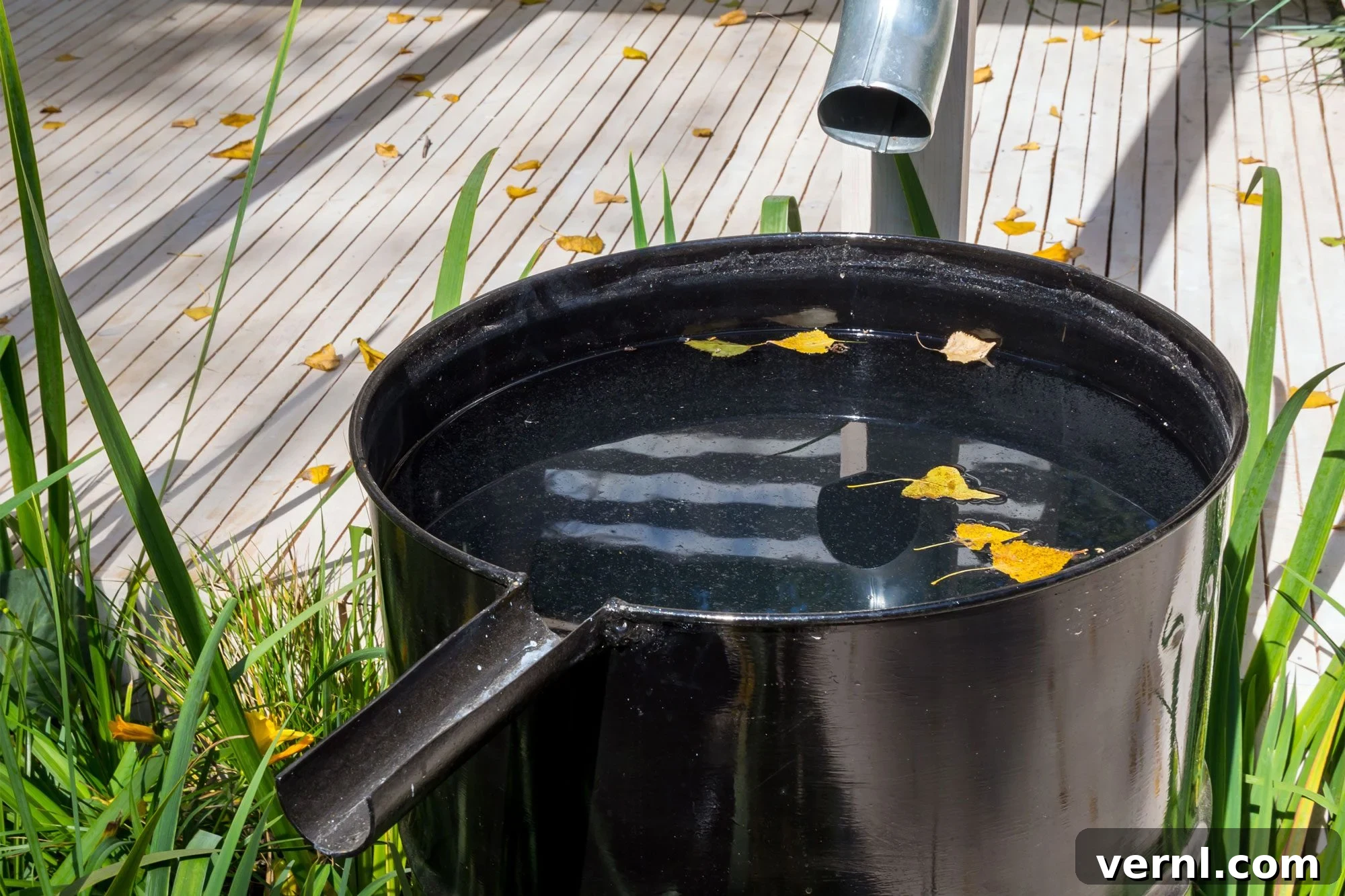
Across the globe, countless communities rely heavily on underground aquifers for their daily water needs. These vast natural reservoirs, meticulously filled over thousands, sometimes even millions, of years through slow natural processes, represent an invaluable resource. However, in the last century, our consumption patterns have dramatically accelerated, leading to the extraction of this groundwater at a rate far exceeding its natural replenishment capabilities. This imbalance creates a pressing global challenge that demands innovative and sustainable solutions.
The United States Geological Survey highlights groundwater depletion as an increasingly critical issue, impacting numerous regions. The consequences are far-reaching: communities face escalating water insecurity, often translating into higher utility bills for residents. Beyond economic strain, the environmental repercussions are severe, with lowered water tables leading to dried-up wetlands, diminished lakes, and a drastic loss of vital aquatic ecosystems. This decline threatens biodiversity and alters natural landscapes.
Fortunately, amidst these challenges, rainwater collection emerges as an exceptionally promising and often remarkably affordable solution. By capturing and utilizing the water that falls freely from the sky, individuals and communities can establish an alternative, sustainable water supply, significantly alleviating the pressure on diminishing groundwater reserves.
“Rainwater is an amazing resource, and it’s fun to plan ways to use this resource that falls freely from the sky,” enthuses Laura Allen, a founding member of Greywater Action. “It is typically excellent quality and abundant in much of the country, offering a readily available and pure source that can transform how we interact with our water supply.”
This comprehensive guide will explore whether rainwater collection is the right step for you, detailing its myriad benefits, various collection methods, practical uses, and legal considerations, along with straightforward advice on how to embark on your rainwater harvesting journey at home.
Unlocking the Myriad Benefits of Rainwater Harvesting
Embracing rainwater collection offers a cascade of advantages, both for individual homeowners and the wider environment. One of the most compelling aspects of collecting and utilizing rainwater directly on your property is its sheer simplicity and efficiency. As Fouad Jaber, Ph.D., a professor and rainwater specialist with Texas A&M AgriLife, succinctly puts it: “This compared to your tap water, which falls on your roof, drains to a stormwater drainage system, ends up in a river or a lake, is pumped back into a water treatment plant, cleaned and then pumped back to your house.” The direct approach of rainwater harvesting drastically cuts down on energy, infrastructure, and treatment processes, making it an inherently more sustainable option.
Beyond this elegant simplicity, the benefits extend considerably:
- Groundwater Conservation and Ecosystem Protection: By supplementing your water needs with harvested rain, you directly reduce your reliance on precious underground aquifers. This conservation effort is critical for maintaining healthy groundwater levels, which in turn support vital wetlands, streams, and lakes that are home to diverse flora and fauna. Protecting these ecosystems is essential for biodiversity and the overall health of our planet.
- Significant Reduction in Utility Bills: Every gallon of rainwater collected and used is a gallon you don’t purchase from your municipal supplier. Over time, this translates into noticeable savings on your monthly water bills, making rainwater harvesting a financially astute investment, especially in regions with high water costs or increasing rates.
- Enhanced Home Water Independence and Resilience: Collecting rainwater empowers homeowners to become more self-sufficient, lessening their dependence on centralized municipal water systems. This increased independence offers peace of mind, particularly during periods of drought, water restrictions, or unexpected disruptions to public water infrastructure.
- Reliable Water Source During Irrigation Restrictions: For avid gardeners and landscapers, rainwater harvesting provides a consistent and unrestricted water source for your yard and plants, even when municipal irrigation bans are in effect. This ensures your green spaces remain vibrant and healthy year-round without incurring fines or compromising plant health.
- Effective Stormwater Management and Erosion Control: Keeping rainwater on your property rather than letting it run off into storm drains plays a crucial role in mitigating urban flooding and preventing soil erosion. By capturing precipitation at its source, you reduce the volume and velocity of runoff, protecting your property and local infrastructure from water damage.
Moreover, keeping rainwater on your site actively combats stormwater pollution, as Laura Allen further explains. “When rainwater runs into the storm drain system, it moves pollution from the land into the water, which is harmful to aquatic life.” This pollution, originating from various urban and agricultural sources like oil, pesticides, and fertilizers, poses a severe threat to aquatic ecosystems and human health. Rainwater harvesting acts as a natural buffer, preventing these contaminants from entering our precious waterways.
Exploring Diverse Types of Rainwater Collection Systems
The beauty of rainwater collection lies in its versatility. Whether you have ample space or live in a compact urban environment, there’s a system tailored to your needs. Generally, rainwater collection falls into two primary categories: capturing roof runoff into storage vessels like rain barrels and cisterns, or managing surface runoff through rain gardens and other landscape features.
Even if you’re not ready for a sophisticated system, anyone can start small. “Even if you live in an apartment, or can’t manage a fancy catchment system, [you can] simply set out buckets and bowls to collect rainwater for your houseplants,” advises Kim Roman, an author and owner of Square Foot Gardening 4 U. “If you know it’s going to rain, take advantage of this free gift.” This simple act not only saves water but also introduces you to the wonders of nature’s bounty.
Rain Barrels and Tanks: Mastering Rooftop Harvesting
Rooftop harvesting, typically involving rain barrels or larger storage tanks (often referred to as cisterns), represents the most common and accessible method of rainwater collection. This system ingeniously diverts rainwater from your roof, channeling it through your existing gutter and downspout network directly into a chosen storage container. These containers can range from a modest 55-gallon repurposed barrel, ideal for small gardens, to substantial above-ground or underground cisterns capable of holding hundreds or thousands of gallons, designed for more extensive water demands or whole-house applications.
“For the casual gardener, a rain barrel is a great place to start,” remarks Mary Phillips, head of the Garden for Wildlife and Certified Wildlife Habitat programs at the National Wildlife Federation. These systems vary significantly in complexity, from straightforward DIY installations that gardeners can set up in an afternoon to sophisticated whole-house systems. The latter often include advanced filtration, disinfection processes, and automated plumbing connections to supply water for various indoor uses, becoming an integral part of a home’s water infrastructure.
When planning your system, sizing is a crucial consideration. A single downspout typically collects runoff from 500 to 1,000 square feet of roof area. To put this into perspective, Fouad Jaber notes that for every one inch of rainfall on such an area, you can collect approximately 300 to 600 gallons of water. This volume equates to filling between six and twelve standard 55-gallon rain barrels. Understanding your average rainfall, roof size, and intended water usage will help you determine the optimal storage capacity for your needs. Consider also incorporating a first-flush diverter to prevent initial roof contaminants from entering your main storage and an overflow system to manage excess water safely.
Surface Runoff Collection: The Art of Rain Gardens
Surface runoff collection offers a beautiful and ecologically beneficial alternative or complement to rooftop systems. This method involves directing rainwater that falls on impervious surfaces, like lawns, driveways, or patios, into specially designed landscape features known as rain gardens. These are essentially shallow, often aesthetically pleasing, depressions or natural hollows in the land, typically engineered to be four to eight inches deep. They are designed to collect, absorb, and filter stormwater runoff, preventing it from overwhelming storm drains and carrying pollutants into natural waterways.
“Rain gardens can mimic nature’s filtration system and reap a multitude of benefits for your property and the environment,” states Phillips. To maximize their effectiveness and ecological value, she suggests, “Fill them with a combination of native plants.” Native species are naturally adapted to local soil and climate conditions, requiring less maintenance and providing vital habitat for pollinators and other wildlife. Beyond managing runoff, rain gardens enhance curb appeal, create diverse ecosystems, and improve local water quality by allowing water to slowly infiltrate the ground, where natural processes can filter out pollutants.
Green Roofs: Urban Sustainability Elevated
While often more complex in their implementation, green roofs present an exceptional option for rainwater management, particularly in dense urban environments where ground space is at a premium. These innovative systems feature a layer of vegetation planted over a waterproofing membrane on a rooftop. In this setup, the rooftop vegetation acts as a living sponge, actively absorbing and storing rainwater directly where it falls.
The benefits of green roofs are multi-faceted. They significantly slow down stormwater runoff, reducing the burden on municipal drainage systems and mitigating urban flooding. Furthermore, they contribute to a cooler urban environment by reducing the “heat island effect,” where conventional dark roofs absorb and radiate heat. Green roofs also offer crucial habitat for various plants, birds, and insects, enriching urban biodiversity. Depending on their design (extensive or intensive), they can also provide excellent building insulation, improve air quality, and even create vibrant recreational spaces.
Practical and Versatile Uses for Collected Rainwater
Once harvested, rainwater offers a remarkably versatile and eco-friendly water supply for numerous non-potable applications around your home and garden. Its natural purity, devoid of many chemicals and minerals found in treated tap water or hard groundwater, makes it particularly beneficial for specific tasks.
- Flushing Toilets: A significant portion of household water consumption goes into flushing toilets. Using collected rainwater for this purpose can drastically reduce your municipal water usage, cutting down on utility costs and conserving treated drinking water for essential needs.
- Laundry: The inherent softness of rainwater is a boon for laundry. It requires less detergent to achieve superior cleaning results, reduces mineral buildup in your washing machine, and leaves clothes softer and brighter. This also extends the lifespan of your appliances and fabrics.
- Houseplant, Garden, and Lawn Irrigation: Plants thrive on rainwater. Unlike chlorinated tap water or mineral-heavy groundwater, rainwater is free from harsh chemicals and salts that can stress plants and alter soil pH. Using rainwater for irrigation supports healthier plant growth, more vibrant gardens, and lush lawns, all while reducing your reliance on treated water.
- Cleaning: Rainwater’s natural softness makes it an exceptional cleaning agent. It’s ideal for achieving streak-free results when washing windows, mirrors, and even your car, as it leaves no mineral deposits. It can also be effectively used for outdoor cleaning tasks like washing patios, driveways, and garden tools.
Because rainwater doesn’t contain chlorine (a common disinfectant in tap water) or the high levels of chemicals, salt, and other minerals often found in groundwater, it is inherently less stressful on plants and can improve soil health over time. However, it’s crucial to exercise caution: do not use untreated rainwater directly on fruit or leafy vegetables that you intend to eat without proper washing, as contaminants from the roof surface can be present. Always wash your vegetables thoroughly before consumption, regardless of the water source, to ensure food safety.
Can You Filter Rainwater to Make It Potable (Drinkable)?
Yes, absolutely. With appropriate filtration and purification methods, collected rainwater can indeed be made potable, meaning safe for drinking, cooking, showering, and washing dishes. However, achieving potability requires a robust treatment system, as rainwater, while initially pure, can pick up contaminants from the collection surfaces (like roofs) and storage containers.
For any indoor use, especially for drinking or personal hygiene, a multi-stage filtration system is essential. This typically involves a series of filters designed to remove progressively smaller particles: a pre-filter or screen to remove leaves and debris, a sediment filter to capture fine particles, and an activated carbon filter to eliminate odors, tastes, and chemical contaminants. For true potability, further treatment like ultraviolet (UV) sterilization is often recommended to kill bacteria, viruses, and parasites. In some cases, a reverse osmosis (RO) system may be employed for the highest level of purification, removing dissolved solids and even smaller contaminants. The specific system required will depend heavily on your local environment, roof type, and intended use. Consulting with a qualified water treatment specialist is highly advisable to design and install a potable rainwater system that meets all health and safety standards.
Is Harvesting Rainwater Legal in Your Area?
The legality of rainwater harvesting is a common concern, and the good news is that it is legal in most parts of the U.S., with some notable historical and regional exceptions. Historically, some Western states, particularly those with a strong emphasis on “prior appropriation” water rights (first in time, first in right), restricted rainwater collection, viewing it as intercepting water that would otherwise flow downstream to existing rights holders. However, this legal landscape is rapidly evolving.
States like Colorado, once known for strict prohibitions, have significantly relaxed their laws, now allowing residential rainwater collection. Other states and municipalities may require permits for larger systems or impose restrictions on the volume homeowners can collect, especially in drought-prone regions where every drop of water is highly regulated. Conversely, in places with abundant rainfall, many states (including Texas, a pioneering state in rainwater harvesting) actively encourage its practice. These states often offer various incentives, such as tax credits, rebates, or educational programs, to promote rainwater collection as a key strategy for water conservation and sustainable development.
Due to the variability of regulations, it is crucial for anyone considering rainwater harvesting to check with their local municipal water authority, county planning department, or state environmental agency to understand specific requirements, obtain necessary permits, and ensure full compliance with all local ordinances and state laws before installing a system.
How to Build a Simple and Effective Rain Barrel
Starting with a basic DIY rain barrel is an excellent way to dip your toes into rainwater harvesting. The fundamental design is straightforward and highly effective for garden irrigation or other non-potable outdoor uses. A typical setup for a basic DIY rain barrel consists of an elevated plastic drum – often a repurposed food-grade barrel – with an opening at the top where rainwater enters from a downspout, and a spigot or hose connection near the bottom for dispensing the collected water.
Here’s a basic overview of the steps involved:
- Source Your Barrel: Choose a sturdy, opaque, food-grade plastic barrel (e.g., 55-gallon). Opaque barrels prevent algae growth, and food-grade ensures no harmful chemical residues.
- Prepare the Lid: Create an inlet opening on the top of the barrel, sized to fit snugly under your downspout diverter or to allow direct water flow. Critically, cover this hole with a fine mesh screen (1/16-inch or smaller) to prevent mosquitoes from breeding and to keep out leaves and debris.
- Install the Spigot: Drill a hole near the bottom of the barrel, typically 4-6 inches from the base to allow for sediment accumulation, and securely install a spigot (garden hose type) with appropriate washers and sealant to prevent leaks. You might also consider adding a second spigot higher up for a watering can or a clear tube to act as a water level indicator.
- Set Up an Overflow: To prevent overflow issues during heavy rains, install an overflow spout near the top of the barrel, directing excess water away from your home’s foundation, perhaps to a rain garden or a storm drain.
- Elevate and Stabilize: Place your rain barrel on a stable, elevated platform (such as concrete blocks or a sturdy wooden stand) to allow gravity to assist with water flow from the spigot and to ensure the barrel remains upright when full. Ensure the ground beneath is level and can support the significant weight of a full barrel (a 55-gallon barrel filled with water weighs over 450 pounds).
- Connect to Downspout: Install a downspout diverter kit or simply cut your downspout to direct water into the barrel’s screened opening.
Regular maintenance, such as cleaning the barrel annually and inspecting the screen, will ensure your system operates efficiently and remains free of pests.
About Our Contributing Experts
This comprehensive guide benefits from the invaluable insights of leading professionals in water conservation, sustainable gardening, and environmental advocacy:
- Laura Allen is a distinguished co-founder of Greywater Action. With over two decades of dedicated experience, she has been a tireless advocate, educator, researcher, and author of influential books focusing on accessible and ecological water solutions, including rainwater and greywater systems.
- Fouad Jaber, Ph.D., serves as a professor and water resources extension specialist at Texas A&M AgriLife. His expertise spans integrated water resources management, watershed planning, and stream restoration, making him a critical voice in sustainable water practices.
- Kim Roman is a respected author, dynamic speaker, passionate teacher, and the proprietor of Square Foot Gardening 4 U. As a professional vegetable gardener, she channels her enthusiasm into volunteer work, empowering individuals to achieve self-sufficiency through practical gardening techniques.
- Mary Phillips is at the helm of the National Wildlife Federation’s acclaimed Garden for Wildlife and Certified Wildlife Habitat programs. As a dedicated ambassador for nature, she continuously fosters the growth and success of habitat gardening initiatives through the promotion of sustainable practices and the integration of cutting-edge scientific knowledge.