
Imagine this idyllic scene: Your family and friends are gathered in your beautiful backyard, laughing and creating cherished memories. You’re lounging on plush outdoor furniture, enveloped by the warm glow of charming string lights. The enticing aroma of grilled delights wafts from the barbecue, perhaps marshmallows are being toasted over a cozy fire pit table, or perhaps you’re simply savoring an evening beverage while sharing the day’s happenings. This sounds like the epitome of a perfect summer evening, doesn’t it?
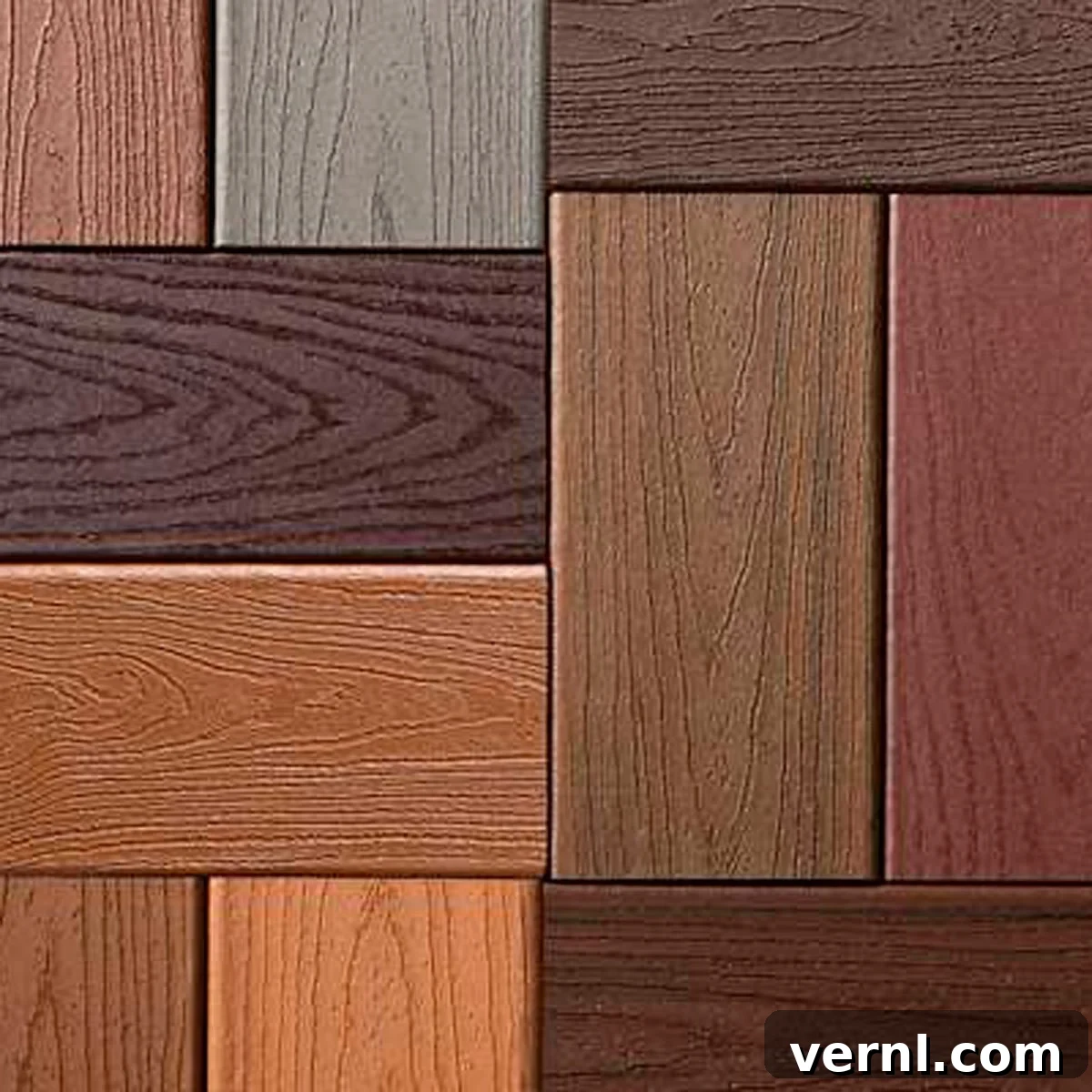
Such a inviting outdoor sanctuary is entirely within reach, centered around a thoughtfully designed deck. However, transforming your dream deck into a tangible reality involves a series of crucial decisions. Among the most impactful choices you’ll make is selecting the right color for your decking. When you opt for Trex composite decking, you’re not just investing in a deck; you’re securing a long-lasting, remarkably low-maintenance outdoor space. An added significant benefit is the extensive palette of Trex decking colors available, offering a diverse spectrum from rich reds to sophisticated grays, ensuring a perfect match for any home aesthetic.
Choosing the ideal Trex decking color goes beyond mere preference; it’s about creating a harmonious extension of your home and landscape. The right shade can elevate your outdoor living experience, enhance curb appeal, and make your deck feel like an integral, intentional part of your property. Conversely, a mismatched color can detract from your home’s overall design, making the deck appear as an afterthought rather than a seamless addition. This guide provides expert tips to help you navigate the vibrant world of Trex decking colors, ensuring you pick the perfect hue to complement your home’s exterior and surrounding environment.
What is Trex Composite Decking? The Foundation of Your Outdoor Oasis
Trex decking represents the pinnacle of innovative outdoor building materials. It is a premium composite wood product, ingeniously engineered to deliver exceptional performance and enduring beauty for many years to come. Unlike traditional wood decks, Trex composite decking is designed to withstand the rigors of the elements and everyday use without succumbing to common issues. It boasts superior resistance to termites and other wood-boring insects, ensuring your deck remains structurally sound and visually appealing. Furthermore, Trex decking will not rot, warp, or splinter, eliminating the need for constant repairs and replacements often associated with natural wood. This inherent durability translates into remarkable longevity, offering homeowners peace of mind and a consistently beautiful outdoor space.
One of the most appealing aspects of Trex composite decking is its incredibly low maintenance profile. Forget the arduous tasks of staining, painting, or sealing – Trex never requires these time-consuming and costly treatments. A simple occasional cleaning with soap and water is typically all that’s needed to keep your deck looking pristine. Beyond its practical advantages, Trex also stands as a beacon of environmental responsibility. Made from an impressive 95% recycled materials, including reclaimed wood fibers and recycled plastic film, choosing Trex means you’re making an eco-conscious decision that helps reduce landfill waste and minimizes deforestation. This commitment to sustainability, combined with its robust performance and aesthetic versatility, makes Trex composite decking a smart and stylish choice for any homeowner looking to enhance their outdoor living area with a durable, beautiful, and environmentally friendly solution.
Selecting Your Trex Decking Color: A Guide to Harmonious Design
With an impressive array of 23 distinct Trex decking colors available, you are virtually guaranteed to find the perfect shade to integrate seamlessly with your deck or patio project. The objective is to select a deck color that not only complements your home but also appears as if it were an original, intentional element of its architectural elevation. A poorly chosen color can unfortunately make your deck look like an afterthought, diminishing your home’s curb appeal. To help you avoid this pitfall and make a confident decision, follow these straightforward steps to pinpoint the ideal Trex decking color for your unique outdoor space.
Consider the Existing Color Palette of Your Home’s Exterior
The initial and perhaps most critical step in deck building and design is to ensure your new deck visually belongs with your existing structure. Begin by closely examining the exterior color of your home. Understanding whether your home has warm or cool undertones is paramount. If your home’s exterior features warm shades such as inviting beige, earthy tan, or soft off-white, consider decking colors from the rich brown and classic red families. These hues naturally harmonize with warm-toned exteriors, creating an inviting and cohesive aesthetic. Conversely, if your home exhibits cool undertones, prevalent in shades of sophisticated gray, crisp stark white, or serene blue, then sticking with colors from the gray family will yield the most visually pleasing results. Gray Trex decking colors will complement the coolness of your home, ensuring a sophisticated and integrated look that enhances your property’s overall appeal. Taking this foundational step ensures your deck feels like an organic extension of your home, rather than a separate addition.
Reflect on Your Home’s Architectural Style
Beyond just the current color, the architectural style of your home plays an equally significant role in guiding your Trex decking color choice. The architectural style of your residence provides valuable cues, leading you towards a decking color that enhances its inherent charm and character.
- Gray Decking: Modern, Coastal, and Urban Appeal
Trex gray decking colors, often infused with subtle blue undertones, evoke a sense of tranquility and contemporary elegance. These shades can transport you to a serene beachside retreat or perfectly complement the sleek, sophisticated lines of a modern city dwelling. Gray tones are particularly well-suited for Cape Cod-style homes, where they enhance the classic coastal aesthetic, as well as residences with a more modern or minimalist design, adding a clean and refined finish. Lighter grays can make a space feel more open and expansive, while darker charcoal grays provide a dramatic, grounded look that defines outdoor areas. - Warm and Natural Browns: The Quintessential Versatile Choice
The family of warm and natural brown Trex decking colors consistently ranks as the most popular, and for good reason. These timeless hues possess an unparalleled versatility, beautifully pairing with nearly any architectural style of home, from rustic farmhouses to suburban ranches. Browns offer a comforting, earthy aesthetic that connects your outdoor space to nature. When considering brown shades, keep in mind the impact of their depth: darker browns make a more pronounced and dramatic statement, lending themselves exceptionally well to Craftsman-style homes, which benefit from rich, natural tones, or Mediterranean homes, where they can echo the warm, sun-baked palettes. Lighter browns, on the other hand, can create a more casual and airy feel, making a space feel larger and more inviting. - Deck Colors in the Red Family: Classic with a Distinctive Flair
Trex decking colors within the red family offer a unique blend of classic appeal and distinctive character. These shades, often leaning towards rich reddish-browns or deep mahogany tones, provide a striking visual impact. They are an excellent choice if your home features any brick siding, as a reddish-brown deck can beautifully coordinate with and amplify the existing brickwork, creating a cohesive and sophisticated exterior. Red tones can also inject a touch of warmth and vibrancy into your outdoor area, making it feel particularly inviting and luxurious.
Harness the Power of the Trex Color Selector Tool
Given the impressive variety of colors that Trex decking offers, finding the perfect match for your home’s design and style is made considerably easier with modern tools. Trex decking colors are thoughtfully categorized into three primary families: sophisticated grays, versatile browns, and captivating reds. To truly explore the depth and breadth of these options, we highly recommend utilizing the Trex Color Selector. This invaluable online tool allows you to virtually browse and visualize all the different shades available within each family. More than just a simple gallery, the Trex Color Selector provides examples of how these different colored deck boards appear when installed and in use, offering a realistic preview that can significantly aid your decision-making process. By seeing the colors in context, you can better envision how they will interact with your home and landscape.
The Crucial Step: Ordering and Evaluating Samples
While online tools and in-store displays are helpful, there is simply no substitute for experiencing a deck color in your actual outdoor environment. The way light hits a color, how it reflects surrounding elements, and its perceived warmth or coolness can vary dramatically between a computer screen, a showroom, and your backyard. Therefore, once you have narrowed down your choices to a few potential Trex decking colors, the next essential step is to order physical samples of each. Trex makes this convenient by allowing you to order samples online for a nominal fee per piece.
Upon receiving your samples, place them directly in the area where your new deck will be installed. This allows you to observe them under various lighting conditions throughout the day. Be sure to view them in bright daylight, during overcast periods, at dusk, and importantly, at night with your exterior lights on. Different types of lighting—natural, artificial, warm, or cool—can significantly alter how a color appears. A shade that looks perfect in direct sunlight might take on a different nuance in the shade or under evening spotlights. This meticulous observation process is critical to making an informed decision, ensuring the color you choose will delight you at all times of day and night.
Integrate Your Landscape and Surrounding Environment
Your deck is not an isolated entity; it’s an integral part of your entire outdoor living space, which includes your landscaping, garden, and any natural elements. When selecting Trex decking colors, consider how they will interact with your existing flora, hardscaping, and even views. For instance, if your yard features lush green foliage or vibrant flowers, a natural brown deck can provide a grounded backdrop, allowing the greenery to pop. If you have a modern pool area with clean lines, a sleek gray deck might enhance that contemporary feel. Reflect on the colors of your stone pathways, fences, retaining walls, and even the natural tones of the trees and shrubs. The goal is to create a seamless transition from your home, across your deck, and into your garden, making the entire outdoor area feel cohesive and thoughtfully designed.
Consider Your Lifestyle and Practical Usage
While aesthetics are paramount, practical considerations related to your lifestyle and how you intend to use your deck should also influence your color choice. For example, families with children or pets might find that lighter Trex decking colors can reveal dirt, dust, and paw prints more readily, potentially requiring more frequent cleaning to maintain a pristine look. Darker colors, on the other hand, tend to be more forgiving when it comes to minor smudges and debris, appearing cleaner for longer periods between washes. However, darker colors also absorb more heat, which can be a factor if your deck receives prolonged, intense sun exposure and you anticipate walking on it barefoot frequently. Thinking about these practical aspects in advance can help you choose a color that not only looks beautiful but also aligns with the demands of your daily life and usage patterns.
Understanding Trex Decking Color Collections: Transcending Expectations
Trex offers various decking lines, each with its own unique characteristics and color palettes, ensuring there’s a perfect option for every budget and design preference. While specific color names vary by line, understanding the general offerings can help narrow your search for the ideal Trex decking colors. For instance, the premium Trex Transcend line is renowned for its deep, luxurious wood grains and rich, multi-tonal hues that mimic exotic hardwoods. Colors in this collection often feature streaking and variegation, providing a natural, sophisticated look that adds depth and character. The Trex Enhance line offers a balance of beauty and affordability, with a range of solid and multi-tonal colors that provide excellent fade and stain resistance. Meanwhile, the Trex Select line provides a simpler, streamlined palette of classic colors for those seeking reliable performance and timeless appeal without extensive design flourishes.
Exploring these different collections allows you to not only consider the aesthetic of the Trex decking colors but also the desired level of realism, texture, and price point. Each line is crafted with Trex’s commitment to quality and sustainability, ensuring that no matter which collection you choose, you’ll benefit from durable, low-maintenance composite decking. By familiarizing yourself with the distinct characteristics of each Trex decking collection, you can make a more informed decision that perfectly aligns with your vision for an outdoor oasis.
Frequently Asked Questions About Trex Decking Colors
How will the color of my deck affect heat retention?
It’s a common characteristic of materials that darker colors absorb more heat from sunlight than lighter colors, and consequently, they tend to retain that heat more effectively. This principle applies to composite decking as well, particularly due to its plastic content. While darker Trex decking colors offer striking aesthetics, high heat absorption can potentially lead to boards feeling warmer underfoot. However, Trex rigorously engineers its products and provides clear guidance to mitigate any potential issues. They advise that problems such as warping due to heat should not occur if homeowners strictly follow the recommended installation procedures. These guidelines specifically include leaving adequate spacing between boards to ensure proper ventilation. This crucial spacing allows air to circulate underneath and between the deck boards, helping to dissipate heat and prevent excessive temperature buildup. By adhering to these installation best practices, you can enjoy the beauty of darker Trex colors with confidence in your deck’s structural integrity and comfort.
How do composite decking colors hold up over time against fading?
While Trex composite decking is engineered for exceptional longevity and resistance to many environmental factors, no decking product is entirely immune to the natural process of weathering. When it comes to color fading, Trex boards, like most outdoor materials, are vulnerable to the long-term effects of UV radiation from the sun. The most significant bulk of any color fading typically occurs during the first summer season immediately following installation. This initial period is when the deck “settles” into its environment. However, Trex decking is designed to maintain its vibrant appearance for years, thanks to advanced protective layers and manufacturing processes. You can further enhance the color’s longevity by taking proactive steps, such as protecting the deck during this initial period (e.g., with outdoor rugs or furniture placement that minimizes direct, prolonged sun exposure on specific spots). Interestingly, partly because they inherently absorb sunlight and partly due to their specialized reflective factory coating, darker Trex colors are often less prone to *noticeable* fading compared to lighter hues, as minor changes in pigment may be less apparent. For those particularly concerned with color retention, Trex offers a selection of highly fade-resistant colors specifically designed to maintain their richness and vibrancy for an extended period. You can explore Trex’s range of fade-resistant colors and gain more insights here.
Are certain Trex decking colors easier to clean or maintain than others?
Generally, Trex composite decking is remarkably low-maintenance across all its color options, requiring only periodic cleaning with soap and water. However, some practical differences exist. Lighter Trex decking colors, such as light grays or tans, tend to show dirt, dust, pollen, and mud more prominently than darker shades. This doesn’t mean they are harder to clean, but rather that minor debris or stains might be more visually apparent, potentially prompting more frequent superficial cleaning. Conversely, darker colors, like deep browns or charcoal grays, are more forgiving in terms of camouflaging everyday grime and smudges. They may appear cleaner for longer periods between deep cleans. However, darker colors can also absorb more heat, as discussed, and might show water spots or mineral deposits more noticeably after drying, especially in areas with hard water. Ultimately, the ease of cleaning is similar for all Trex colors, but the visual impact of dirt and the frequency of needing a quick rinse might vary slightly based on your chosen hue and local environmental factors.
Sources
- Trex: Does Composite Decking Warp? (2025)
- TrexSeal: Does Composite Decking Fade? (2025)