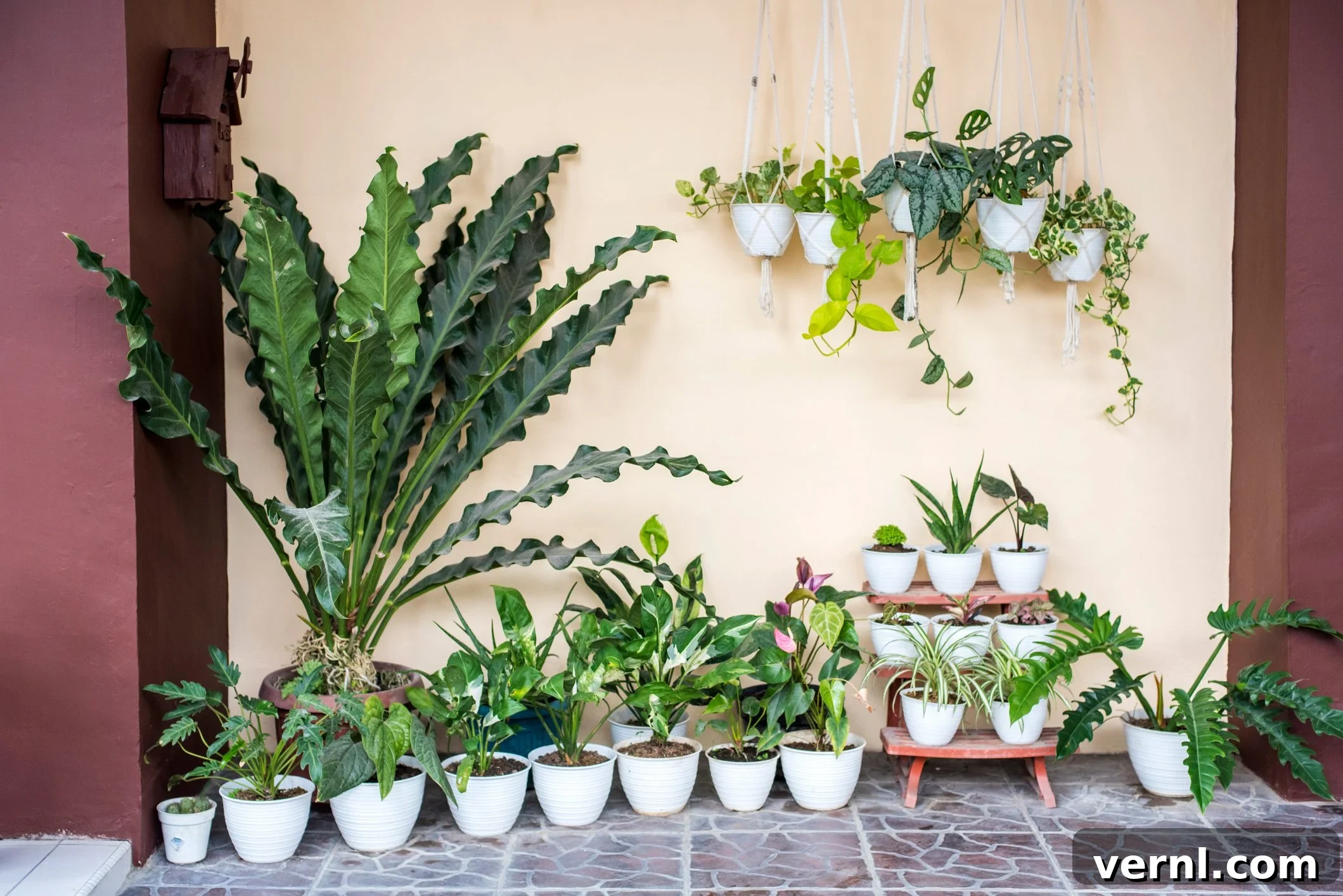
Ultimate Guide: Safely Transitioning Your Houseplants Outdoors for Summer
As the days lengthen and the warmth of spring truly settles in, many plant enthusiasts feel the irresistible urge to bring their indoor greenery out into the fresh air. Moving houseplants outside for the summer can offer a multitude of benefits, from accelerated growth to pest management, and it frees up valuable indoor space for a few months. My own father exemplified this tradition, transforming a simple shaded corner of our backyard into a lively gathering spot by arranging his larger houseplants around a small pond, creating a stunning natural backdrop that everyone admired.
While the prospect of a summer outdoors is exciting for your beloved tender plants and houseplants, it’s not a task to be rushed. Simply placing your plants outside without proper preparation can lead to shock, stress, or even irreversible damage. A slow, thoughtful transition is key to ensuring your plants not only survive the move but truly thrive in their temporary outdoor environment, enjoying a flourishing summer before it’s time to bring them back inside for the colder months. This comprehensive guide will walk you through the essential steps for successfully transitioning your houseplants for an invigorating summer outdoors, ensuring their health and vitality.
1. Monitor Nighttime Temperatures Carefully
The first and most critical step in preparing your houseplants for an outdoor adventure is to pay close attention to the weather forecast, particularly nighttime temperatures. Most common houseplants originate from tropical or subtropical climates, making them highly sensitive to cold. A sudden drop in temperature can induce severe shock, causing leaf damage, stunted growth, or even death.
As a general rule, wait until nighttime temperatures are consistently above 50 degrees Fahrenheit (about 10 degrees Celsius) before even considering the move. This applies not only to your tropical houseplants like Monstera, Pothos, Snake Plants, and Philodendrons but also to any tender annuals or perennial plants you’ve overwintered indoors. Marianne Willburn, in her insightful book Tropical Plants and How To Love Them, aptly puts it: “If you’re still putting on a padded jacket to walk out to the garden, it’s way too cold for your tropical plants.” Such a simple yet effective guideline ensures you prioritize your plant’s comfort and well-being. Consistently checking your local weather forecast for at least a week prior to moving your plants can help you confirm stable temperatures and avoid any unexpected cold snaps.
2. Gradual Acclimation: Start in the Shade
Even if your houseplants have been basking in the brightest spot indoors, such as a south-facing window, the intensity of outdoor sunlight is significantly greater. Moving a plant directly from an indoor environment to full outdoor sun is akin to sending someone who’s spent months indoors to a beach without sunscreen – severe sunburn will occur. This “sunburn” manifests as bleached, scorched, or crispy leaves, severely damaging the plant’s ability to photosynthesize.
The solution lies in gradual acclimation. Begin by placing your plants in a deeply shaded, sheltered area outdoors for a period of several days to a week. This could be under a dense tree canopy, beneath a covered porch, or on the north side of your house. During this initial phase, the plants can adjust to the outdoor air circulation, humidity levels, and the subtle increase in light intensity without being overwhelmed. After this initial adjustment period, you can gradually move them to an area with partial shade, where they receive dappled sunlight for a few hours each day, for another week. Finally, if your plant prefers brighter conditions, you can slowly introduce it to its desired level of light, always monitoring its reaction. Look for signs of stress like wilting, yellowing, or brown spots, which indicate it might be receiving too much light too quickly. As Willburn emphasizes, “I prefer to wait until temperatures are warm enough, and then transition them outside to shady outdoor spaces, gradually giving them more light.” This patient approach minimizes shock and ensures a smoother transition, allowing your plants to develop a natural resilience to outdoor conditions.
3. Enhance Watering and Feeding Regimes
Once your houseplants are outside, you’ll quickly notice a change in their needs, particularly regarding water and nutrients. Outdoor environments, characterized by increased air circulation, higher temperatures, and direct sunlight, cause plants to dry out significantly faster than they do indoors. This is also compounded by the fact that plants tend to grow much more vigorously in ideal outdoor conditions, requiring more resources.
Therefore, it’s crucial to check your plants more frequently for moisture. A good method is the finger test: stick your finger about an inch or two into the soil. If it feels dry, it’s time to water thoroughly until water drains from the bottom of the pot. You may find yourself watering daily or every other day, depending on the plant species, pot size, and weather conditions. Along with increased watering, your plants will benefit from a regular feeding schedule. Their accelerated growth rate outdoors means they are actively drawing more nutrients from the soil. Apply a balanced houseplant fertilizer regularly, strictly following the directions on the product label. Over-fertilizing can be detrimental, leading to nutrient burn, so always err on the side of caution. Consistent water and nutrient supply will fuel healthy, robust growth throughout the summer.
4. Utilize Outdoor Time for Repotting and Maintenance
Spring and summer are prime growing seasons for most plants, and moving them outdoors provides an excellent opportunity for essential maintenance tasks you might have put off. Repotting is one such task. If a houseplant has outgrown its container, showing signs like roots circling the pot, water draining too quickly, or stunted growth, spring is the perfect time to give it a larger home.
When repotting, choose a container that is only one or two sizes larger than the current one to avoid overwatering issues. Ensure the new pot has adequate drainage holes. This period is also ideal for dividing plants that have become too large or dense, such as snake plants or peace lilies, allowing you to propagate new plants or simply manage the size of existing ones. Beyond repotting, consider pruning any leggy stems or removing dead leaves to encourage bushier growth and improve the plant’s overall health and appearance. Also, take the opportunity to clean any dust or debris from the leaves, which can impede photosynthesis. Outdoor exposure can also offer your plants a natural “shower” during rain, helping to keep leaves clean and vibrant.
5. Vigilantly Watch for Outdoor Pests
While moving plants outdoors offers many advantages, it also exposes them to a new array of potential pests that they wouldn’t typically encounter indoors. Regular inspection is key to catching infestations early and preventing them from becoming severe. Here are some common outdoor pests and how to manage them:
- Chipmunks: These seemingly cute critters can be quite a nuisance, known for digging in pots, potentially disturbing roots or burying their caches. To deter them, try placing large, flat rocks or a layer of decorative pebbles on exposed soil surfaces. You can also use a fine mesh or chicken wire over the soil surface, securing it around the plant stem, to create a physical barrier.
- Mealybugs: These sap-sucking insects appear as cottony white masses, often found in leaf axils or along stems. For localized infestations, dip a cotton ball or swab in 70% isopropyl rubbing alcohol and wipe them off. For more widespread issues, consider spraying the plant with insecticidal soap or neem oil, ensuring thorough coverage of all leaf surfaces, including the undersides.
- Slugs and Snails: If you notice irregular holes or chewed edges on leaves, especially during damp conditions, slugs or snails are likely culprits. There are several non-toxic methods to control them. One of the simplest and most effective is to sprinkle a layer of diatomaceous earth around the base of your plants; its sharp particles dehydrate and kill slugs and snails upon contact. Other methods include beer traps (shallow dishes of beer buried to soil level) or copper tape around pots, which creates an unpleasant sensation for them.
- Other Pests: Keep an eye out for aphids, spider mites, and even caterpillars. A strong blast of water can dislodge many soft-bodied insects, while neem oil sprays are effective against a broad spectrum of pests. Always check the undersides of leaves and along stems during your routine inspections.
Regular, thorough inspections are your best defense. Early detection can prevent small problems from becoming major headaches, especially before you consider bringing the plants back inside.
6. Choosing the Optimal Outdoor Location
Beyond sunlight, the physical location you choose for your houseplants outdoors can greatly influence their success. Consider the following factors:
- Wind Protection: Strong winds can physically damage delicate leaves and stems, increase moisture loss, and even knock over pots. Choose a spot that offers some natural windbreak, such as near a fence, a dense shrub, or the side of your house.
- Rain Exposure: While some plants appreciate natural rainfall, others, particularly those prone to fungal issues or sensitive to overwatering, might benefit from shelter during heavy downpours. A spot under an overhang or a covered porch can provide this protection. Ensure your pots have excellent drainage to prevent waterlogging.
- Aesthetics and Accessibility: Consider how the plants will look in their outdoor setting and how easily you can access them for watering, feeding, and pest checks. Grouping plants can create an impressive display and may also help maintain a slightly more humid microclimate around them.
7. Can I Keep Houseplants Inside for the Summer?
Absolutely, yes. While many plants benefit from an outdoor vacation, it’s not a mandatory step for all houseplants or all gardeners. Some plant enthusiasts, like Lisa Eldred Steinkopf, author of Bloom: The Secrets of Growing Flowering Houseplants Year-Round, prefer to keep most of their houseplants indoors year-round, even during summer. This includes delicate species like African violets and Phalaenopsis orchids. Her reasoning is practical: she has witnessed too many valuable orchids and other houseplants suffer damage from outdoor pests, particularly slugs. Keeping plants indoors ensures a controlled environment, free from unpredictable weather elements and outdoor pests, which can be a significant advantage for rare or highly sensitive specimens. It also eliminates the stress and labor involved in moving plants and then transitioning them back inside.
8. Should I Plant Houseplants Directly in the Ground?
Generally, no, it is not recommended to plant your houseplants directly into the garden soil. Houseplants are accustomed to the contained environment of a pot, where their root systems are somewhat restricted, and the soil composition is carefully chosen for their specific needs. Planting them directly into the ground can lead to several problems:
- Root Shock: The transition from a confined pot to an expansive garden bed can be stressful for the roots.
- Difficulty in Retrieval: Digging up a well-established plant from the ground at the end of summer can be difficult, often causing significant root damage.
- Pest and Disease Exposure: Plants in the ground are more susceptible to soil-borne pests and diseases that might be present in your garden.
- Drainage Issues: Garden soil may not offer the same excellent drainage that potted plants require, potentially leading to root rot.
It is always best to keep your houseplants in their containers. If you are concerned that a special or fragile container might not withstand the outdoor elements (e.g., strong sunlight, rain, or potential knocks), consider temporarily repotting the plant into a more durable, outdoor-friendly container (like a sturdy plastic or terracotta pot) for the summer. You can then transfer it back into its decorative indoor pot before bringing it inside for the winter.
Conclusion
Moving your houseplants outdoors for the summer is a rewarding endeavor that can significantly boost their health, growth, and vibrancy. By carefully following these steps – monitoring temperatures, gradually acclimating them to sunlight, adjusting watering and feeding, conducting timely repotting, vigilantly managing pests, and choosing the right spot – you set your plants up for a truly spectacular summer. This careful attention ensures they return indoors in the fall stronger, healthier, and more beautiful than ever, ready to brighten your home through the colder months. Enjoy the process, and delight in watching your green companions flourish in the embrace of the great outdoors!