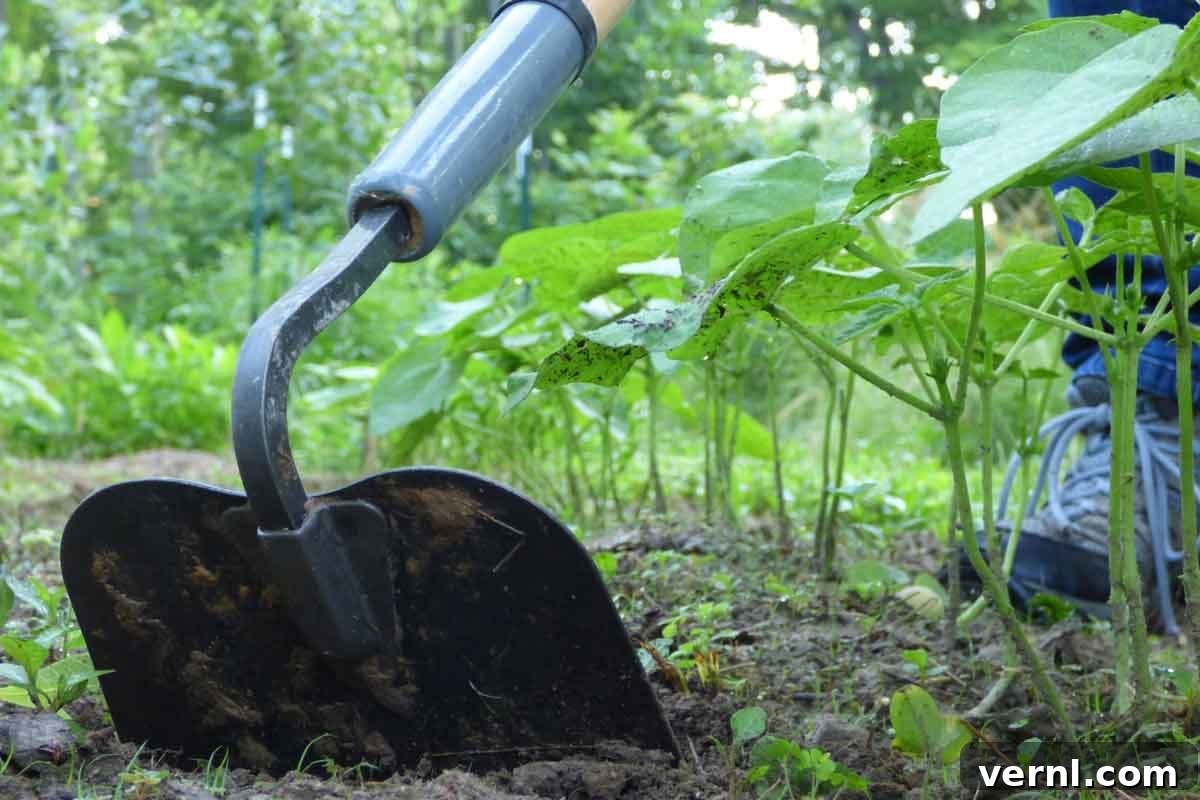
Since the dawn of agriculture, when humankind transitioned from nomadic hunting and gathering to settled cultivation, the humble hoe has been an indispensable tool. From rudimentary, hand-hewn implements designed to break soil and ease the labor of growing plants from seed, this essential garden aid has undergone a remarkable evolution. Over countless millennia, the initial “one-size-fits-all” approach to this foundational garden tool has given way to a diverse family of specialized hoes, each meticulously crafted to excel at a distinct function. This specialization allows gardeners to approach their tasks with greater efficiency and precision, transforming laborious chores into more manageable and even enjoyable activities.
“Like any garden tool, it’s paramount to get the right one for the right job,” emphasizes Katie Dubow, a renowned gardening expert and the president of Garden Media Group. Her insight underscores the importance of understanding the subtle differences between hoe types, ensuring that your efforts in the garden are always maximized. Choosing the appropriate hoe can significantly impact the ease, speed, and effectiveness of your gardening endeavors, from preparing soil to banishing stubborn weeds.
This comprehensive guide will illuminate the world of garden hoes, helping you navigate the options and select the perfect implement to meet your specific gardening needs. Whether you’re a seasoned horticulturist or just starting your green-thumb journey, mastering the art of hoe selection and use is a fundamental step towards a thriving garden.
What Exactly Is a Garden Hoe?
At its core, a garden hoe is an essential gardening tool characterized by a long handle affixed with a thin, durable metal blade. Its primary purpose is to work the soil, whether in expansive ground plots or within the confines of raised garden beds. The design of a hoe — specifically the angle and shape of its blade — dictates its specialized function, making it a versatile workhorse in any gardener’s arsenal. From the earliest agricultural societies to today’s modern gardens, the hoe has remained a fundamental instrument for soil management and plant cultivation.
The utility of a garden hoe extends across a wide range of critical gardening tasks:
- Break up soil clumps: After winter or periods of compaction, soil can become dense and clumpy. A hoe effectively breaks down these aggregates, improving aeration and making the soil more hospitable for roots.
- Turn hard soil so it can be cultivated: For new garden plots or neglected areas, a hoe can penetrate and turn over hard-packed soil, exposing fresh earth and preparing it for planting or further amendment.
- Move soil to form furrows: Creating straight, evenly spaced furrows is crucial for planting seeds or small seedlings. Hoes allow gardeners to quickly and precisely draw these planting channels.
- Dig individual holes for planting: While not its primary function, a hoe can be used to dig individual planting holes for larger seeds or transplanting small plants, especially in softer soils.
- Spread soil over newly planted seeds: Once seeds are sown, a hoe can gently pull and spread a thin layer of soil over them, ensuring proper seed-to-soil contact and protection.
- Uproot weeds: Perhaps one of its most common and vital uses, hoes are exceptionally effective at severing weeds from their root systems, preventing them from competing with your cultivated plants for nutrients and water. Regular hoeing can significantly reduce weeding time and effort.
Key Factors in Choosing Your Ideal Garden Hoe
Selecting the perfect garden hoe is a decision that impacts not only the effectiveness of your gardening tasks but also your comfort and the longevity of the tool itself. According to Katie Dubow, there are four main considerations to guide your choice, ensuring your investment serves you well for years to come.
- **Made of High-Quality Materials to Withstand the Outdoors:** The resilience of your hoe directly correlates with the quality of its materials. For the blade, look for hardened steel (carbon or stainless steel) that resists bending, dulling, and corrosion. Carbon steel blades are incredibly durable and hold an edge well, though they require regular cleaning and oiling to prevent rust. Stainless steel offers excellent rust resistance and is easier to clean, making it a low-maintenance option for many gardeners. Handles are typically crafted from sturdy wood (like ash or hickory), lightweight fiberglass, or durable metal. Each material offers different attributes in terms of weight, flexibility, and feel, influencing overall comfort and control during use.
- **Suited to Your Height if the Handle is Not Adjustable:** An improperly sized hoe can lead to significant back strain and discomfort. The ideal handle length allows you to work with a comfortable, upright posture, minimizing the need to bend excessively. When standing upright, the top of the hoe handle should ideally reach your chin or shoulder. While many hoes come with fixed handle lengths, some modern designs offer adjustable handles, providing greater flexibility and ergonomic customization for different users or tasks. Always test a hoe’s length before purchasing to ensure it aligns with your stature.
- **Fitted with a Sturdy Grip for Comfortable Use:** The handle’s grip is crucial for sustained, comfortable operation. A well-designed grip provides secure handling, reduces fatigue, and prevents blisters, especially during prolonged use. Look for handles that offer a textured or cushioned surface, allowing for a firm hold even when your hands are wet or gloved. The diameter of the handle should also be comfortable for your hand size, preventing cramping and allowing for fluid, controlled movements. An ergonomic grip enhances safety and efficiency, making arduous tasks feel less strenuous.
- **Well-Made, with the Blade Securely Attached to the Handle:** The connection point between the blade and the handle is arguably the most critical structural aspect of a hoe. This is where the greatest stress is placed on the tool during vigorous digging, chopping, or pulling motions, making it the most vulnerable point for potential breakage. A securely attached blade, often achieved through robust welding, riveting, or forging methods, ensures the tool’s durability and safety. Examine this joint closely; it should appear solid, without any wobbling or signs of weakness. A sturdy connection guarantees that your hoe will withstand the rigors of garden work and remain a reliable tool for years.
Mastering the Art of Hoeing: Effective Usage Tips
Tilling soil or battling weeds with a garden hoe can, at times, feel like one of the more labor-intensive gardening chores. However, adopting a few smart techniques and practices can significantly ease the effort, boost your efficiency, and even make the process more enjoyable. These tips, informed by expert advice, will help you get the most out of your hoe while protecting your body and prolonging your tool’s life.
-
**Use your garden hoe when the soil is dry.** This is perhaps the most crucial tip for effective hoeing. When soil is too wet, it becomes heavy, sticky, and difficult to manage. Trying to hoe wet soil often results in muddy clods that are hard to break up, compacting the soil further, and clinging to your tool. Dry, crumbly soil, conversely, allows the hoe blade to glide through effortlessly, cutting through weed roots cleanly and breaking up soil aggregates with minimal resistance. Aim for a day or two after rain, once the surface has dried out.
-
**Maintain a comfortable upright posture so you don’t strain your back.** Protecting your back is paramount when performing any gardening task. When using a hoe, stand with your feet shoulder-width apart, engaging your core muscles, and keeping your back relatively straight. Avoid excessive bending at the waist; instead, use your legs and arms to drive the hoe. For many tasks, a gentle rock from your hips can provide the necessary leverage, rather than a deep bend. If you find yourself repeatedly bending, your hoe might be too short for your height.
-
**Wear gardening gloves to ward off blisters.** Protecting your hands is essential, especially during extended periods of hoeing. Good quality gardening gloves provide a barrier against friction, preventing painful blisters and calluses. They also offer a better grip on the handle, enhance comfort, and protect your hands from soil, thorns, and potential contaminants. Look for gloves that are durable yet flexible, allowing for dexterity and proper feel.
-
**Use fluid, sweeping motions for best results.** Instead of short, choppy, forceful jabs, aim for smooth, continuous movements. For weeding, a steady push-and-pull or a gentle slicing action just below the soil surface is often more effective and less tiring than trying to hack at weeds. For cultivating, a consistent sweeping motion helps to evenly distribute and aerate the soil. Let the design of the hoe guide your movement; different hoes are designed for different types of strokes.
-
**Clean the blade after each use, sharpen the tool when necessary, and store it indoors to prolong its life.** Proper maintenance is critical for any garden tool. After each use, wipe down the blade to remove soil and moisture, which can lead to rust. Regularly sharpening the blade ensures it remains effective, cutting through weeds and soil with ease rather than tearing. Store your hoe in a dry, covered area, such as a shed or garage, to protect it from the elements. And, as Katie Dubow humorously advises from personal experience: “Keep wooden handles away from chewing dogs — said from experience.” This simple care routine will significantly extend the life and performance of your garden hoe.
Exploring the Diverse World of Garden Hoes
For new gardeners, the sheer variety of hoes available might seem perplexing, making it challenging to decide which tool is best suited for a particular task. However, as gardening expert Katie Dubow explains, this diverse range can be distilled into just a few core categories: drawing, reciprocal, sweeping, digging, and flat hoes. Each category encompasses tools designed with unique blade shapes and angles, optimized for specific functions in the garden. Understanding these distinctions is key to building an efficient and effective gardening toolkit. A well-rounded collection of hoes allows you to tackle an array of gardening chores with precision and ease, preventing fatigue and ensuring your garden thrives.
Investing in a few specialized hoes, rather than relying on a single all-purpose tool, significantly enhances your ability to perform various tasks—from meticulous weeding to thorough soil preparation—with greater efficiency and less strain. Here are the main types you should consider keeping in your tool shed, each a master of its particular domain:
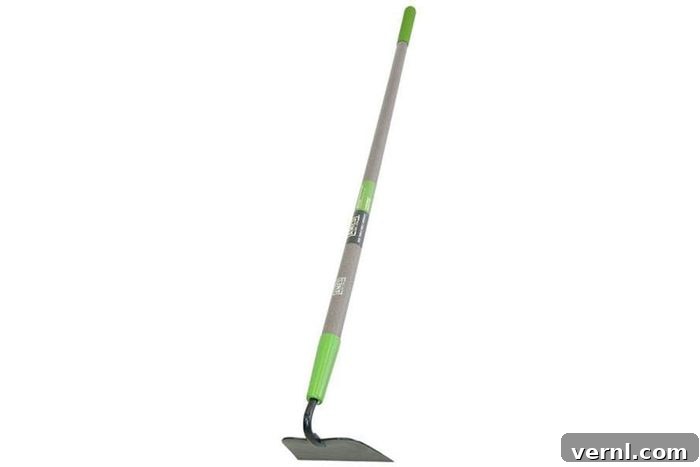
Paddle Hoe
Often considered the quintessential garden hoe, the paddle hoe is the most common type and a prime example of a **drawing hoe**. As its category name suggests, its primary function involves pulling, mounding, shaping, or otherwise “drawing” soil. This makes it invaluable for tasks such as creating seed rows, building up soil around plants (hilling), or simply moving loose earth from one spot to another within your garden beds.
Characterized by its rectangular blade set at a distinct right angle to the long handle, the paddle hoe embodies the classic shape most people visualize when picturing a hoe. This robust design makes it an excellent all-purpose gardening tool capable of more than just drawing soil. It can effectively dig up weeds at the root, break up compacted soil, and even perform light tilling. For smaller gardens, raised beds, or tight spaces, handheld versions with proportionally smaller paddles are also available, offering greater precision and control in confined areas. Other notable draw-type hoes include the American Standard, Draw Hoe, Pattern Hoe, and Gooseneck Hoe, each offering slight variations on the traditional paddle design for nuanced tasks.
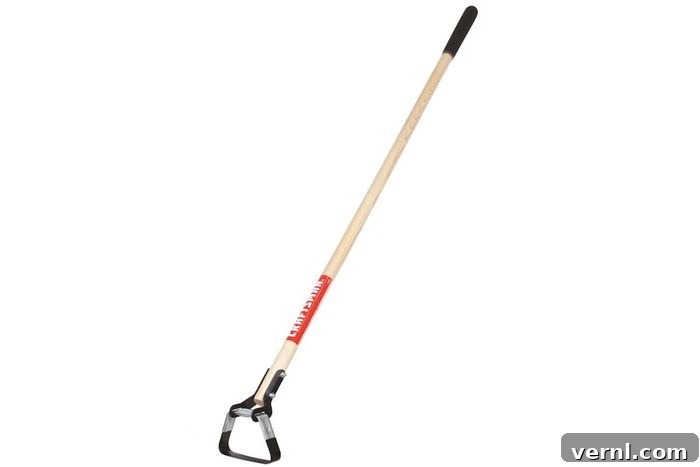
Scuffle Hoe
The scuffle hoe, also widely known as a stirrup hoe, hula hoe, or loop hoe, falls under the category of **reciprocal hoes**. This designation highlights its unique two-way action, designed to be used with a back-and-forth motion. The attachment of a scuffle hoe distinctly resembles a saddle stirrup or an open, often hinged, loop. This innovative design allows the blade to skim just below the surface of the soil, making it exceptionally efficient for light weeding and soil aeration without deep disruption.
The double-edged attachment of a scuffle hoe is engineered to dislodge or cut weed seedlings cleanly from their roots with both the push and pull strokes. This means you can effectively eliminate young weeds without excessively displacing or turning over the soil, which helps prevent new weed seeds from being brought to the surface. Some advanced stirrup hoes incorporate a hinged attachment that subtly changes the angle of the blade during the push-pull action. This dynamic angle maximizes the blade’s effectiveness, ensuring an optimal cutting or dislodging action regardless of the stroke direction. Other excellent reciprocal-type hoes, such as the Oscillating Hoe and Action Hoe, share this fundamental design philosophy, providing gardeners with fast, low-impact weeding solutions.
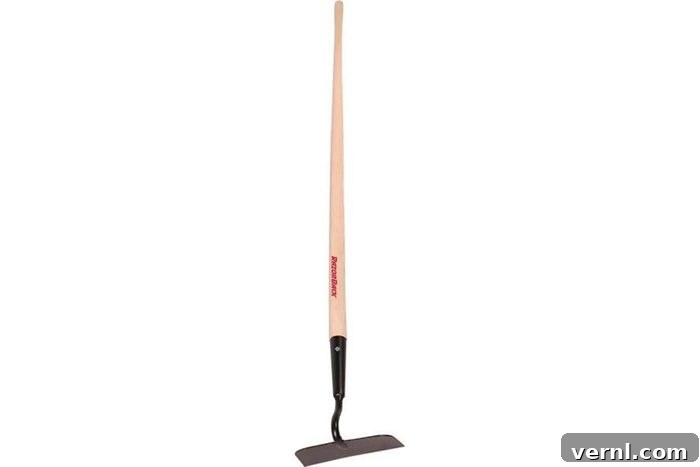
Collinear Hoe
Representing one of the more modern advancements in hoe design, the collinear hoe is a distinguished member of the **sweeping hoe** family. Katie Dubow describes its distinctive design: “This hoe features a long and thin paddle that rides parallel to the surface of the soil.” This unique orientation is key to its functionality, allowing it to perform tasks with precision and minimal soil disturbance. The blade’s alignment parallel to the ground surface differentiates it significantly from the right-angled blade of a paddle hoe.
The collinear hoe is specifically engineered to work effectively in narrow spaces, such as between closely planted rows or delicate flower beds, where larger hoes might cause damage. It is used in a chopping and pulling motion, similar to a paddle hoe, but typically with the handle held more upright, facilitating a skimming action. Like the scuffle hoe, the collinear hoe excels at working near the surface of loose soil, making it ideal for shallow cultivation and efficiently severing young weeds from their roots. Its slender profile and precise action make it an indispensable tool for maintaining tidy garden beds with minimal effort. Other prominent sweeping-type hoes include the Upright Hoe, Coleman Hoe, and Swage Hoe, all designed for similar shallow, controlled soil work.
Warren Hoe
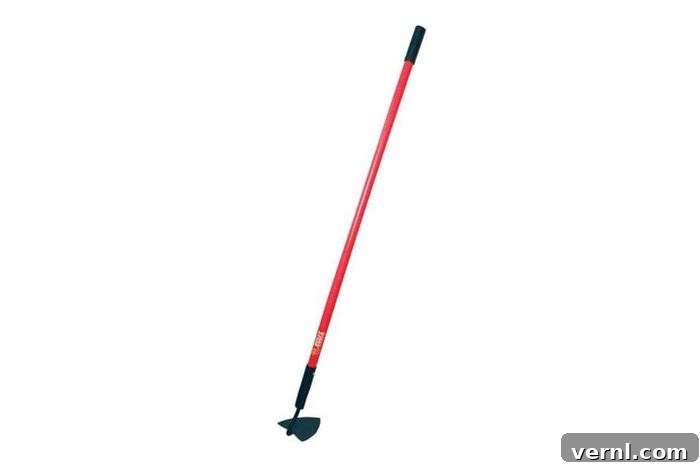
With its distinctive pointed head, the warren hoe stands out as one of the most common and versatile tools within the **digging hoe** category. Digging hoes are characterized by a flat, often triangular or narrow square blade, which is typically attached at a 90-degree angle to the handle. The unique, pointed design of the Warren hoe’s blade makes it exceptionally adept at tasks requiring penetration and precision.
As Katie Dubow highlights, “The pointy end of the blade is used to get into tight spaces, dig out difficult weeds or create long straight furrows.” This makes the Warren hoe perfect for breaking up hard soil, creating precise planting trenches for seeds or bulbs, and especially for targeting stubborn, deep-rooted weeds that other hoes might merely skim over. Its design allows it to concentrate force at a specific point, making it effective for breaking clods and preparing soil for planting. Other specialized digging-type hoes include the Grub Hoe (a heavy-duty tool for breaking very tough ground), the Field Hoe, Ridging Hoe, Pointed Hoe, and the traditional Korean Ho-Mi, all offering variations on blade shape and weight for specific digging and shaping tasks.
Push Hoe
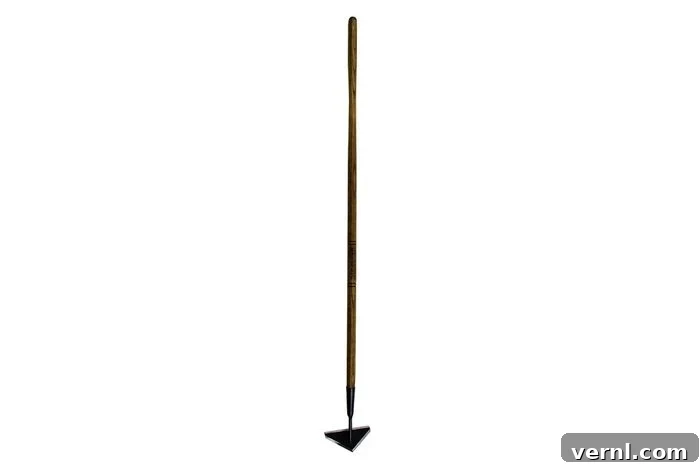
The push hoe is a member of the **flat hoes** family, distinguished by its blade design that lays flat on the ground, operating parallel to the soil surface. Unlike drawing or digging hoes, the push hoe is primarily designed for forward motion, making it a specialized tool for certain soil cultivation and light weeding tasks.
According to Dubow, flat hoes “[…] work to till the soil just under the surface and can cut or uproot small weeds.” This makes them highly effective for quick, shallow cultivation to aerate the top layer of soil or to dispatch newly emerged weed seedlings before they establish deep root systems. The flat blade slices horizontally beneath the soil, severing weeds without bringing deeper weed seeds to the surface. It’s crucial to understand that while excellent for these specific tasks, push hoes are “not suited for digging or drawing” larger quantities of soil, as their design lacks the angle and robustness required for such actions. Other flat-type hoes, such as the Speed Hoe, Heart Hoe, and Diamond Hoe, share this fundamental design for precision, shallow work, allowing gardeners to maintain clean beds with minimal effort and soil disturbance.
The journey from a rudimentary stick to a specialized garden hoe reflects humanity’s continuous quest for efficiency and mastery over the land. By understanding the distinct purposes and optimal usage for each type of hoe, gardeners can select the right tool for the job, transforming tedious chores into productive and satisfying experiences. A thoughtfully chosen collection of hoes not only makes gardening easier but also fosters a deeper connection to the earth and the plants we nurture.