Welcome to Family Handyman’s Ultimate Guide to Gorgeous Floors, your comprehensive resource for transforming your living spaces with stunning and functional flooring solutions. Here, you’ll discover all the essential insights, expert tips, and innovative tricks needed to achieve the floors of your dreams, ensuring they remain beautiful and resilient for countless years to come.
Flooring is far more than just a surface to walk on; it’s a foundational element that defines the aesthetic, comfort, and overall value of your home. In today’s dynamic design landscape, flooring trends are increasingly shaped not only by prevailing styles and visual appeal but also by crucial practical considerations. Homeowners are prioritizing durability, ease of maintenance, and a strong desire to make eco-conscious choices that benefit both their families and the planet. Ultimately, selecting the perfect flooring can significantly elevate your home’s ambiance, making the crucial difference between a space that feels fresh, modern, and inviting, and one that appears dated or lacks character.
“The influence of floors on a home’s overall look and feel is often underestimated,” explains Ron Shimek, president of Mr. Handyman. “While fleeting trends like bold patterns or distinct finishes may come and go, foundational flooring options such as classic hardwood and natural stone consistently demonstrate enduring appeal and timeless elegance, proving to be wise, long-term investments.” Understanding these underlying principles, combined with staying informed about the latest innovations, empowers you to make informed decisions that enhance your home’s beauty and functionality.
To help you navigate the myriad of choices, here’s an in-depth look at what’s currently trending in the world of flooring, meticulously compiled from the insights of leading industry experts.
Embracing the Future: New Flooring Trends Shaping Modern Homes
Modern home design is continually evolving, and flooring trends are at the forefront of this transformation. Today’s popular choices merge sophisticated aesthetics with practical advantages, creating spaces that are both beautiful and highly functional. From sustainable materials to expansive visual elements, these trends reflect a desire for homes that are connected to nature, offer greater comfort, and stand the test of time.
Eco-Friendly and Sustainable Materials
A significant and growing number of homeowners are actively seeking flooring solutions that are not only beautiful but also environmentally responsible. This movement towards sustainability has led to a surge in demand for materials such as reclaimed wood, cork, and bamboo. Reclaimed wood, salvaged from old structures, carries a rich history and unique character while minimizing new tree harvesting. Cork, harvested from the bark of cork oak trees without harming the tree, offers exceptional softness underfoot, natural insulation, and excellent sound absorption. Bamboo, a rapidly renewable grass, provides a durable and cost-effective alternative to traditional hardwood. Interior designer Prashant Sharma notes, “Bamboo and cork are ecological, elegant, and provide natural comfort. However, they are more susceptible to dents, making them less suitable for areas with heavy furniture or high impact.” Despite this, their inherent warmth, natural beauty, and positive environmental impact make them increasingly popular choices for living rooms, bedrooms, and home offices.
Expansive Wide Planks and Oversized Tiles
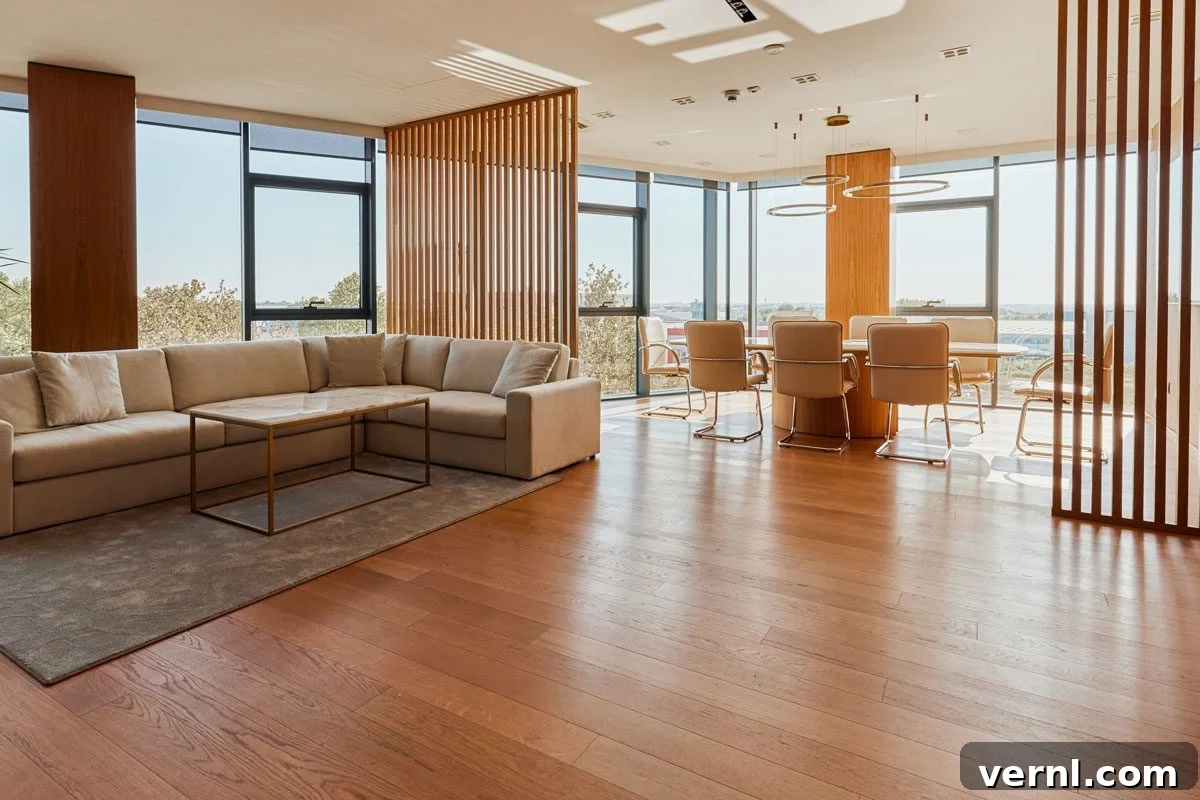
The trend toward creating a sense of spaciousness and understated elegance is clearly reflected in the popularity of wide-plank wood, engineered wood, and oversized tiles. These larger formats are particularly prevalent in modern homes featuring high ceilings, open-concept layouts, and minimalist aesthetics. Ron Shimek explains their appeal: “These larger elements are favored because they skillfully create the illusion of more expansive, open spaces. Furthermore, they impart a sleek, contemporary feel that contrasts sharply with narrower planks, which can inadvertently make a room appear busier or more fragmented.” Wide planks reduce the number of seams in a floor, contributing to a seamless, continuous look, while oversized tiles minimize grout lines, resulting in a clean and sophisticated finish. This approach not only enhances visual flow but also simplifies maintenance due to fewer gaps and crevices.
Inviting Warm Wood Tones
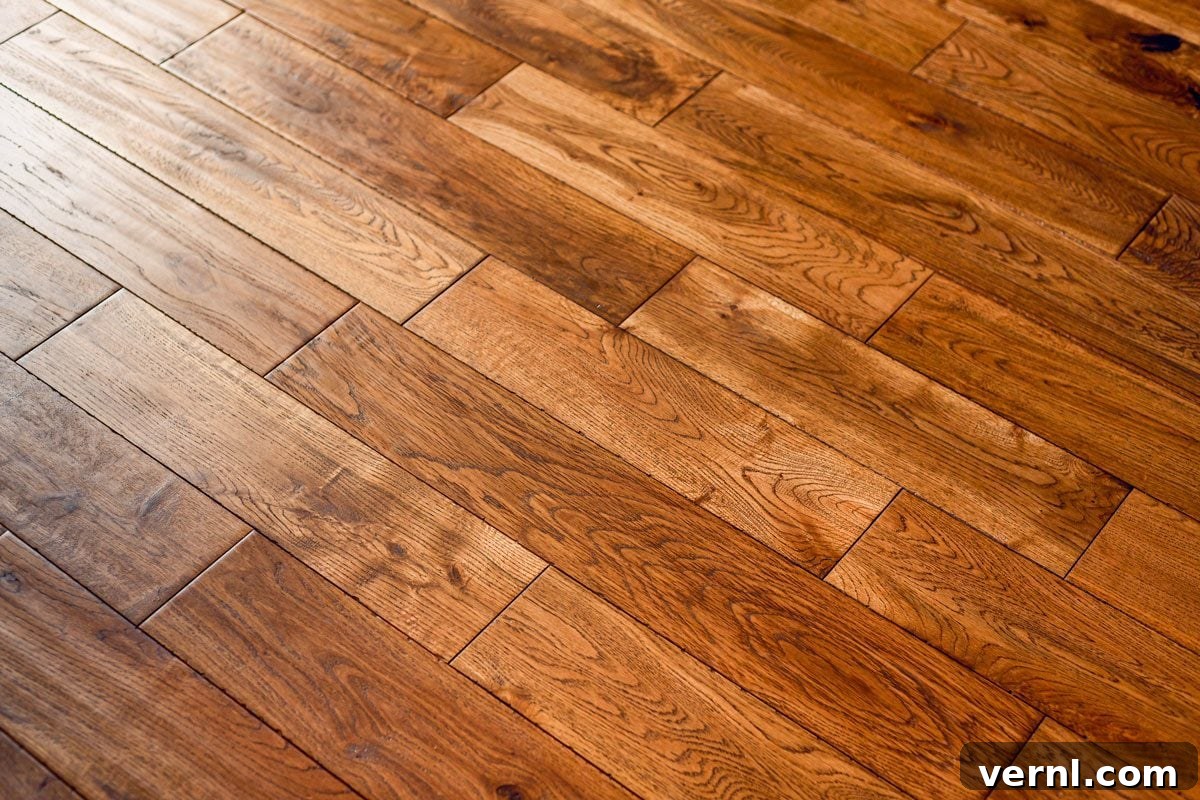
The recent dominance of cool, gray floors is gradually giving way to a resurgence of richer, warmer wood tones. Shades like honey oak, golden walnut, and rustic chestnut are becoming highly sought after, bringing a sense of comfort and natural beauty back into homes. This shift is deeply rooted in the principles of biophilic design, which aims to incorporate elements of nature into indoor environments to promote well-being and tranquility. “This movement is a vital component of the return to biophilic design, purposefully integrating more natural elements to cultivate spaces that feel inherently more restorative, welcoming, and connected to the natural world,” says Ron Shimek. These warmer hues evoke a sense of coziness and timelessness, making a home feel more inviting and grounded. They pair beautifully with a variety of decor styles, from traditional to contemporary, offering versatility and enduring appeal.
Realistic Textured Stone-Look Tiles
Another significant emerging trend in flooring is the widespread adoption of porcelain tiles meticulously designed to mimic the authentic look and feel of natural stone, such as slate or limestone. Advancements in printing technology have made these tiles incredibly realistic, often featuring subtle textures and variations that replicate genuine stone. Prashant Sharma points out their practical benefits: “They offer exceptional resistance to wear and tear, coupled with remarkably low maintenance requirements.” These tiles are ideal for high-traffic areas, kitchens, bathrooms, and even outdoor spaces due to their inherent durability and water resistance. While they are less effective at retaining warmth compared to some other materials, this can be easily remedied with the integration of radiant underfloor heating systems, providing comfort without compromising on style or resilience.
Customized and Elevated Garage Floors
The garage is no longer viewed merely as a utilitarian space; it’s increasingly recognized as an extension of the home’s living area, deserving of the same attention to design and functionality. Aaron Cash, president and co-founder of Garage Living, observes, “Homeowners are moving beyond basic gray garage floors, instead seeking custom blends, decorative flakes, and sophisticated finishes that thoughtfully complement their cabinets, vehicles, or even the interior design of their homes.” This trend reflects a desire to create a cohesive and attractive environment throughout the entire property. Polyspartic coatings, a leading choice in garage flooring, are highly durable and perform exceptionally well in areas with extreme temperature fluctuations, making them ideal for challenging garage environments. These coatings offer superior chemical and abrasion resistance, ensuring a long-lasting, visually appealing, and easy-to-clean surface that significantly enhances the overall appeal and value of the home.
Out with the Old: Flooring Trends to Thoughtfully Leave Behind
Just as new trends emerge, others inevitably fade, becoming less desirable or practical over time. Understanding which flooring choices are losing their appeal can help homeowners avoid costly mistakes and ensure their homes remain stylish and relevant for years to come. These outgoing trends often fall short in terms of durability, maintenance, or their ability to create a warm and inviting atmosphere.
The Departure of Cool Gray Tones
The once-ubiquitous “millennial gray” trend is rapidly receding from contemporary interior design, being thoughtfully replaced by warmer, more inviting design choices. Ron Shimek highlights this shift, noting that “cool gray floors, while popular for a time, can often make a space feel sterile, flat, or overtly cold.” In contrast, the current preference leans heavily towards warmer, richer brown tones, which inherently create a more welcoming, vibrant, and comforting atmosphere. This move reflects a broader desire to cultivate spaces that feel more lived-in and connected to natural elements, fostering a sense of coziness rather than stark modernity.
The Retreat of Skinny Planks
Thin wood planks, which once defined many homes, are gracefully giving way to the visual dominance of wider planks. This transition is largely driven by a preference for designs that better suit today’s spacious, open-concept home layouts. As Ron Shimek aptly puts it, “Skinny planks, with their numerous lines and visual breaks, tend to make a room feel unduly crowded or visually busy, effectively fragmenting the space rather than unifying it.” Wider planks, conversely, create fewer seams and a more expansive, seamless flow, contributing to a sense of calm and openness that aligns perfectly with modern aesthetic preferences.
Certain Synthetics Losing Their Luster
While budget-friendly options like traditional laminate and older vinyl flooring have had their place, their widespread appeal is now noticeably waning among discerning homeowners. Ron Shimek points out several reasons for this decline, including their generally shorter lifespans, the increasing awareness of their environmental impacts, and, in many cases, their visibly low-quality appearance. While innovations in luxury vinyl plank (LVP) and tile (LVT) have brought significant improvements, the older generations of these synthetic materials often fail to meet contemporary expectations for durability, sustainability, and authentic aesthetics, prompting homeowners to seek higher-quality, longer-lasting alternatives.
The Decline of High-Gloss Floors
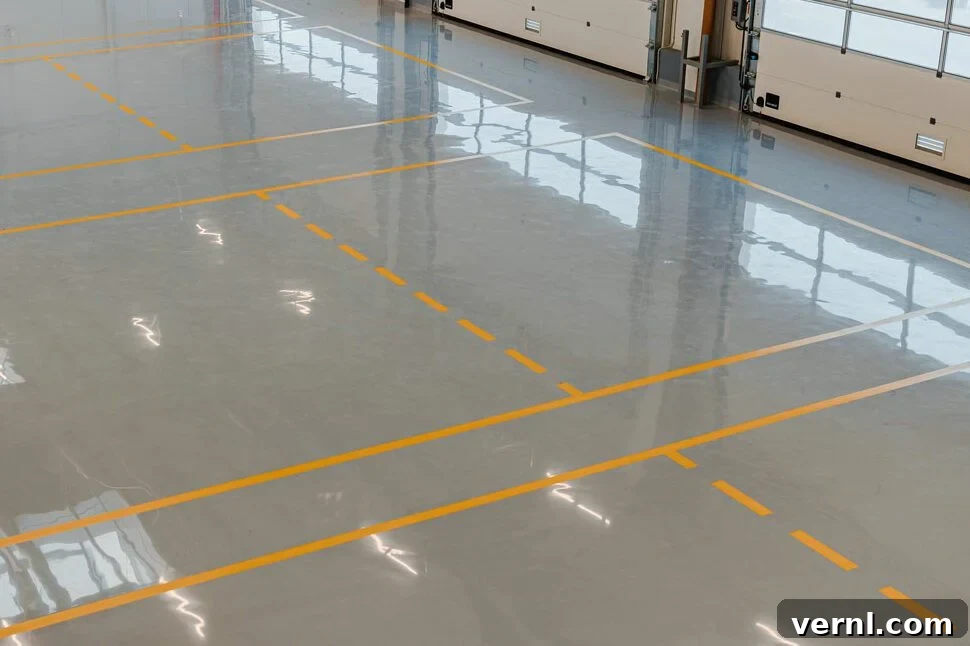
High-gloss floors, once associated with luxury and sophistication, are now largely being sidestepped due to their exceptionally demanding maintenance requirements. Prashant Sharma explains the primary drawbacks: “They are notoriously prone to scratching and readily reveal every speck of dust and every footprint.” Modern households increasingly desire finishes that are not only beautiful but also practical for everyday living, capable of concealing the inevitable wear and tear that comes with active use. Consequently, there’s a strong preference for matte, satin, or low-sheen finishes that offer elegance without the constant chore of meticulous cleaning and polishing.
Farewell to Wall-to-Wall Carpeting
The era of wall-to-wall carpeting, and not just the shag varieties of the ’70s, is steadily coming to an end. While once popular for its undeniable coziness and sound-dampening qualities, its perception has significantly shifted. Prashant Sharma states, “Wall-to-wall carpeting, despite its historical popularity for warmth, is now frequently regarded as unhygienic and considerably more challenging to clean effectively.” It traps allergens, dust mites, pet dander, and odors, making it less appealing for health-conscious homeowners. The modern preference leans towards hard surface flooring, complemented by strategically placed area rugs to provide comfort, warmth, and a touch of customizable style, while offering far greater ease of cleaning and improved indoor air quality.
The Obsolescence of Traditional Epoxy Garage Floors
In the realm of garage flooring, traditional epoxy applications, particularly those from big-box store kits, are increasingly seen as an outdated solution. Aaron Cash comments, “They certainly had their moment, especially with the accessibility of DIY kits.” However, experience has shown that these systems are often prone to peeling, chipping, and staining over time, particularly under the stress of hot tires, chemicals, and heavy usage. Cash further emphasizes, “A significant portion of the work we undertake at Garage Living involves the removal of failing epoxy and its replacement with superior Polyspartic coatings.” Furthermore, simply painting a garage floor is an even less effective solution, as it rarely lasts well and becomes a considerable mess to remove and replace, underscoring the need for more robust and reliable alternatives.
Frequently Asked Questions About Flooring
Navigating the vast world of flooring options can lead to many questions. Here are answers to some of the most common inquiries, providing clarity on timeless choices and sustainable practices.
What type of flooring is considered the most timeless and a wise long-term investment?
When it comes to enduring appeal and significant value addition, hardwood flooring consistently emerges as a truly timeless choice. “It is classic, exceptionally durable, and reliably adds substantial resale value to any home,” affirms Ron Shimek. Hardwood’s natural beauty, warmth, and the ability to be refinished multiple times over its lifespan ensure its longevity and adaptability to evolving design trends. Its versatility allows it to seamlessly integrate into various aesthetic styles, from traditional to ultra-modern.
Beyond hardwood, natural stone flooring, encompassing materials like marble, slate, granite, and sandstone, stands as another excellent contender for both indoor and outdoor applications. Ron Shimek elaborates, “Natural stone has been a cherished component in homes for centuries, imbuing spaces with an elegant, luxurious feel that also significantly boosts property value.” Each type of stone offers unique patterns, textures, and color variations, providing a distinct character that cannot be replicated. While it requires professional installation and specific maintenance, its unparalleled durability and sophisticated aesthetic make it a truly enduring and valuable investment.
What are the most sustainable and eco-friendly flooring options available today?
For homeowners committed to environmental responsibility, a variety of excellent sustainable and eco-friendly flooring options are readily available:
- Ron Shimek identifies **reclaimed wood** as the gold standard for eco-conscious flooring. It is sourced from old barns, factories, and other structures, making it 100 percent recycled, inherently unique, and incredibly durable. Choosing reclaimed wood significantly reduces the demand for new timber and minimizes waste. For new hardwood, look for **FSC-certified products**, which guarantee that the wood was harvested from responsibly managed forests, adhering to strict environmental and social standards.
- **Cork** is another remarkably sustainable and renewable resource. It is harvested by carefully removing the bark of cork oak trees, a process that does not harm the tree, as the bark naturally regenerates every 9-12 years. Cork flooring offers outstanding insulation, softness underfoot, natural resistance to mold and mildew, and excellent sound absorption, making it both comfortable and environmentally sound.
- **Bamboo** is often celebrated for its sustainability due to its incredibly fast-growing nature, maturing in just 3-5 years compared to decades for hardwood trees. Beyond its rapid renewability, bamboo is a durable and cost-effective alternative to traditional hardwood, offering a distinctive grain and a contemporary aesthetic. Ensure you choose bamboo products that are responsibly sourced and manufactured without harmful glues or finishes.
- **Linoleum** (distinct from vinyl flooring) is genuinely eco-friendly. It is biodegradable and primarily composed of natural, renewable materials such as linseed oil, wood flour, cork powder, natural resins, and jute backing. Linoleum is durable, hygienic, and releases very low levels of volatile organic compounds (VOCs), contributing to healthier indoor air quality, making it an excellent choice for health-conscious and environmentally aware homeowners.
Meet Our Esteemed Flooring Experts
Our deepest gratitude goes to the industry leaders who generously shared their invaluable insights for this comprehensive guide. Their expertise is crucial in helping homeowners make informed and inspiring flooring decisions.
- Ron Shimek is the accomplished president of Mr. Handyman, a distinguished Neighborly company. He has been a pivotal force within the organization since 2019, bringing extensive leadership and home improvement knowledge to the forefront.
- Prashant Sharma serves as the co-founder and lead interior designer at Rangreli home decor retailers. With years of dedicated experience in both residential and commercial design, Prashant offers a profound understanding of aesthetics and functional design.
- Aaron Cash is the visionary president and co-founder of Garage Living, recognized as Canada’s largest contractor specializing in garage storage and organization. His company currently boasts 35 North American franchisees, reflecting his significant impact on elevating garage spaces.