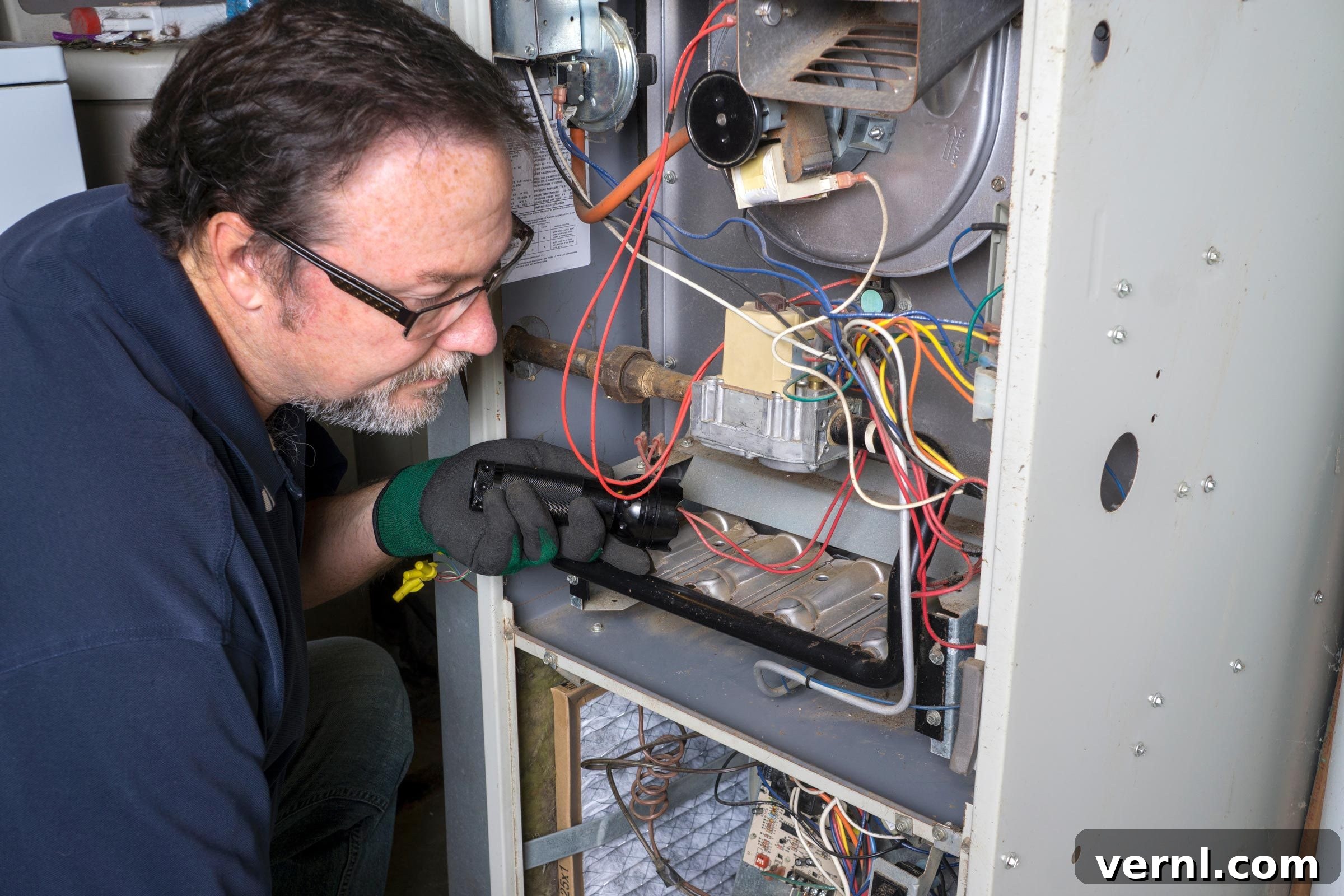
Just as you wouldn’t neglect routine service for your car or other gasoline-powered equipment, your home’s furnace also benefits significantly from periodic care. While vehicles might need adjustments to carburetors, fuel systems, or spark plugs to prevent stalling, inefficient fuel burning, or starting issues, furnaces have their own set of maintenance requirements to ensure optimal performance and safety.
Interestingly, the terminology around furnace care can vary. Some local HVAC contractors prefer the term “maintenance” over “tune-up,” while others may be hesitant to share the specifics of their service, considering it proprietary information. However, experts agree that understanding what’s involved in proper furnace care is crucial for every homeowner.
Fortunately, industry leaders like Mark Fisher, general manager of HomeServe Energy Services in New York, and Mark Woodruff, an engineer and senior product manager at Trane Residential in Texas, are transparent about the necessities of furnace maintenance. Their insights confirm that a poorly maintained furnace is not only more prone to unexpected breakdowns but also leads to expensive repairs and higher energy bills. Proactive furnace care is an investment in your home’s comfort, safety, and your financial well-being.
What Exactly is a Furnace Tune-Up and Why is it Essential?
At its core, a furnace tune-up is a comprehensive inspection and service designed to ensure your heating system operates as efficiently and safely as possible. The primary goals are to minimize fuel consumption, reduce energy costs, and extend the overall lifespan of your unit. Think of it as a preventative health check for your home’s heart.
Mark Fisher provided a detailed checklist, which typically takes about an hour, outlining the critical steps involved in a professional furnace tune-up:
- Check Safety Systems and Controls: This is paramount. Technicians will inspect all safety mechanisms, including limit switches, flame sensors, and rollout switches, to ensure they are functioning correctly. Malfunctions in these systems can pose serious fire or carbon monoxide risks.
- Check/Adjust Thermostats: Ensuring your thermostat is accurately calibrated and communicating properly with your furnace is key for consistent comfort and energy management. An improperly set or faulty thermostat can lead to inefficient heating and higher bills.
- Check/Clean Burners: Clean burners are essential for efficient combustion and to prevent soot buildup. Dirty burners can lead to incomplete combustion, reducing efficiency and potentially producing harmful byproducts like carbon monoxide.
- Check/Clean Pilot Light/Igniter: For furnaces with a pilot light, ensuring it’s clean and consistently lit is vital. For newer high-efficiency furnaces, the igniter’s function is checked to guarantee reliable starts.
- Check/Clean Gauge and Flush Low Water Cut-Off (for Boiler Systems): If you have a boiler, these steps are crucial. The low water cut-off prevents the boiler from operating if water levels are too low, preventing damage. Flushing helps remove sediment.
- Check Filters and Belts: Air filters are checked for cleanliness and replaced if dirty, which is critical for airflow and indoor air quality. Belts (if applicable) are inspected for wear and proper tension, as a slipping belt can reduce blower efficiency.
- Check Flue Pipe and Chimney Draft: Proper venting of combustion gases is critical for safety. The flue pipe and chimney draft are inspected for obstructions, leaks, or corrosion that could lead to dangerous carbon monoxide leaks into your home.
- Check Oil in Motors and Pumps (if applicable): Lubricating moving parts reduces friction and wear, extending the life of motors and pumps within the system.
- Check/Clean Blower Assembly: The blower motor and fan wheel are responsible for circulating heated air throughout your home. A dirty blower can restrict airflow, making your furnace work harder and consume more energy.
- Check Condensate Line, if applicable: For high-efficiency condensing furnaces, the condensate line drains away acidic water produced during the combustion process. It’s inspected for clogs, leaks, or proper drainage to prevent water damage and system shutdowns.
It’s important to note that no universal industry standard dictates every single step of a furnace tune-up, meaning the scope of work can vary between contractors. Therefore, always request and carefully review a detailed checklist of services to be performed before committing to any agreement.
The Multifaceted Benefits of Regular Furnace Maintenance
Investing in an annual furnace tune-up offers a multitude of advantages that go far beyond mere functionality:
- Enhanced Energy Efficiency: A well-maintained furnace runs more efficiently, consuming less fuel to heat your home. This directly translates to significant savings on your monthly utility bills. Over time, these savings can easily offset the cost of the tune-up itself.
- Extended Equipment Lifespan: Regular cleaning, lubrication, and adjustment reduce wear and tear on components. This proactive approach prevents small issues from escalating into major problems, ultimately prolonging the life of your furnace and delaying the need for costly replacements.
- Improved Indoor Air Quality: Cleaning filters, blowers, and ducts helps remove dust, allergens, and other particulates from your home’s air, contributing to a healthier living environment, especially for those with allergies or respiratory sensitivities.
- Increased Safety: Technicians inspect for potential hazards like carbon monoxide leaks, gas leaks, and faulty wiring. Identifying and addressing these issues proactively ensures the safety of your family and home.
- Preventative Breakdown Detection: A tune-up often identifies minor issues before they become major, inconvenient, and expensive breakdowns in the dead of winter. Catching a worn part or a developing clog early can save you from an emergency repair situation.
- Preserved Manufacturer’s Warranty: Many furnace manufacturers stipulate that regular professional maintenance is a condition for keeping your warranty valid. Neglecting annual tune-ups could void your warranty, leaving you responsible for the full cost of repairs that would otherwise be covered.
- Consistent Comfort: An efficiently running furnace delivers more consistent and reliable heating throughout your home, eliminating cold spots and ensuring a comfortable indoor environment regardless of the weather outside.
Can You Handle a Furnace Tune-Up Yourself? The DIY vs. Pro Debate
While many aspects of a furnace tune-up require specialized knowledge and equipment, there are indeed certain tasks that homeowners can safely and effectively complete themselves. These DIY efforts contribute significantly to overall furnace health.
For instance, cleaning the blower assembly, typically located behind an easily removable panel, can be done by simply dusting it with a cloth or using compressed air to dislodge accumulated debris. If you own a high-efficiency furnace that produces liquid condensate from exhaust gases, you can inspect the drain pan for standing water and clear any blockages in the condensate drain line using a wet/dry vacuum.
However, the majority of critical tune-up procedures, such as checking gas pressure, calibrating thermostats, inspecting heat exchangers for cracks, or testing electrical components, demand specialized testing equipment and a deep understanding of furnace mechanics. While an ambitious homeowner could potentially acquire the tools and study their owner’s manual extensively, the inherent complexities and potential safety risks (like carbon monoxide or electrical hazards) usually make it far wiser to entrust these tasks to a certified professional.
One crucial maintenance item that Mark Woodruff emphasizes homeowners should address frequently is the replacement of the furnace air filter. “Dirty filters restrict airflow, forcing your HVAC system to work harder, which drastically reduces its efficiency and can even lead to premature system failure,” he explains. A general guideline is to replace your furnace air filter every three months. However, households with pets, smokers, or individuals with allergies may benefit from changing filters even more frequently, sometimes monthly, to maintain optimal airflow and indoor air quality. High-quality filters can trap more particles but may also restrict airflow if not changed regularly, so always follow manufacturer recommendations for your specific filter type.
How Often is a Furnace Tune-Up Truly Necessary?
The consensus among HVAC professionals and manufacturers is clear: an annual furnace tune-up is the recommended frequency. This yearly service ensures your system is prepared for the upcoming heating season, operating at peak efficiency and safety.
Despite this recommendation, statistics reveal a concerning trend. A 2023 HomeServe survey, cited by Mark Fisher, found that a significant portion of homeowners neglect basic furnace care: 21% of respondents admitted to never having their HVAC systems tuned up, and a startling 18% reported never changing their filters. This neglect often leads to predictable consequences.
“Heating and air conditioning systems are the home systems most likely to break down, with 28% of homeowners reporting a repair in the past 12 months,” Fisher highlights. This underscores the direct link between lack of maintenance and system failures.
The frequency of tune-ups ultimately boils down to how reliably and efficiently you want your furnace to function. A unit that operates inefficiently not only wastes valuable fuel and drives up energy costs but is also considerably more likely to experience a sudden and expensive emergency breakdown. As Woodruff wisely puts it, “What might seem like a minor issue now could become an expensive one later if you don’t address it.”
Adhering to an annual tune-up schedule also makes sound financial sense for another critical reason: warranty protection. Most furnace manufacturers explicitly recommend, and often stipulate, that regular professional maintenance is a prerequisite for keeping your warranty valid. Should a major component fail due to lack of maintenance, your warranty could be voided, leaving you responsible for substantial repair or replacement costs that would otherwise be covered.
Understanding the Cost of a Furnace Tune-Up
According to Mark Fisher, the average cost for a professional furnace tune-up hovers around $150. This upfront investment is often a minor expense when weighed against the potential savings and averted costs.
If the technician identifies any specific issues during the maintenance visit that require additional attention or minor repairs, the final cost might be slightly higher. However, this is still considered an excellent value proposition, especially when you consider that the average cost of a furnace repair is significantly higher, often around $450 or more. A tune-up acts as a preventative measure, dramatically reducing the likelihood of these more expensive emergency repairs.
Many HVAC companies also offer maintenance plans or service agreements, which can often bundle an annual tune-up with other benefits like priority service, discounts on repairs, and even waived diagnostic fees. These plans can provide even greater peace of mind and often lead to long-term savings.
Identifying Signs Your Furnace Needs Professional Attention
While an annual tune-up is proactive, it’s also important for homeowners to be aware of the signs that might indicate an immediate need for professional inspection or repair. Ignoring these warning signals can lead to larger problems, diminished comfort, and higher energy bills.
- Unusual Noises: Grinding, squealing, banging, or rattling sounds can point to issues with belts, motors, or other internal components.
- Strange Smells: A persistent burning odor, a rotten egg smell (indicating a gas leak – evacuate immediately!), or a musty odor can all signify problems. Learn more about common furnace smells and what to do.
- Rising Energy Bills: If your heating costs are inexplicably climbing, your furnace may be losing efficiency due to a malfunction or lack of maintenance.
- Frequent Cycling: A furnace that turns on and off too frequently (short cycling) or runs constantly can indicate a problem with the thermostat, airflow, or sizing.
- Uneven Heating or Cold Spots: If certain rooms are significantly colder than others, it could be a sign of issues with the blower, ductwork, or even the furnace’s ability to produce sufficient heat.
- Pilot Light Issues: For furnaces with a pilot light, if it’s frequently going out or changes color (should be blue, not yellow or orange), it’s a cause for concern. Understand why your pilot light might go out and how to relight it safely.
- Water Leaking: Water around the base of your furnace, especially if it’s a high-efficiency model, can indicate a clogged condensate line or other drainage issues. Discover why your furnace might be leaking water or why the drain trap might be full.
- Blowing Cold Air: If your furnace is running but only emitting cold air, it could be a burner issue, a tripped limit switch, or other mechanical failures. Learn why your furnace might be blowing cold air.
- Difficulty Starting: If your furnace struggles to ignite or fails to start at all, it’s a clear sign for professional help. You might need to learn how to clean a furnace ignitor, but often it’s a deeper issue.
Recognizing these signs your furnace needs repair can prompt timely intervention, potentially saving you from more severe damage and emergency situations. Many issues can have simple fixes if your furnace is not working, but it’s always best to consult a professional if you’re unsure.
Choosing a Reputable HVAC Contractor for Your Furnace Needs
Selecting the right professional for your furnace tune-up or repair is just as important as getting the service itself. A qualified and trustworthy contractor ensures the job is done correctly and safely. Here are key considerations when choosing an HVAC professional:
- Certifications and Licensing: Ensure the contractor and their technicians are properly licensed and certified (e.g., NATE certification). This indicates they have met industry standards for knowledge and skill.
- Experience and Reputation: Look for contractors with a solid track record in your community. Check online reviews, ask for references, and inquire about their experience with your specific type of furnace.
- Insurance: Verify that the company carries adequate liability insurance and workers’ compensation. This protects you from financial responsibility in case of accidents or damage during the service.
- Transparent Pricing: A reputable contractor will provide a clear, written estimate of services and costs before any work begins. Be wary of significantly low bids, as they might indicate cut corners or hidden fees.
- Detailed Service Agreements: For tune-ups, ensure they provide a detailed checklist of what their service includes, similar to the one discussed earlier.
- Emergency Services: Consider if they offer emergency repair services, which can be crucial during the coldest months.
- Warranty on Work: Ask if they offer a warranty on their repair work and installed parts.
Concluding Thoughts on Proactive Furnace Care
Ultimately, a furnace tune-up isn’t just an optional service; it’s a critical component of responsible homeownership. By understanding what a tune-up entails, recognizing the signs of potential problems, and adhering to an annual maintenance schedule, homeowners can enjoy a comfortable, safe, and energy-efficient living environment for years to come. Investing a little time and money upfront in preventative maintenance can save you significantly in the long run, protecting your family, your home, and your budget from unexpected breakdowns and costly repairs. Don’t wait for your furnace to fail – give it the care it deserves.
About the Experts
- Mike Fisher is general manager of energy services at HomeServe USA. The company issues home repair insurance policies nationwide.
- Mark Woodruff is an engineer and senior product manager for Trane Residential.