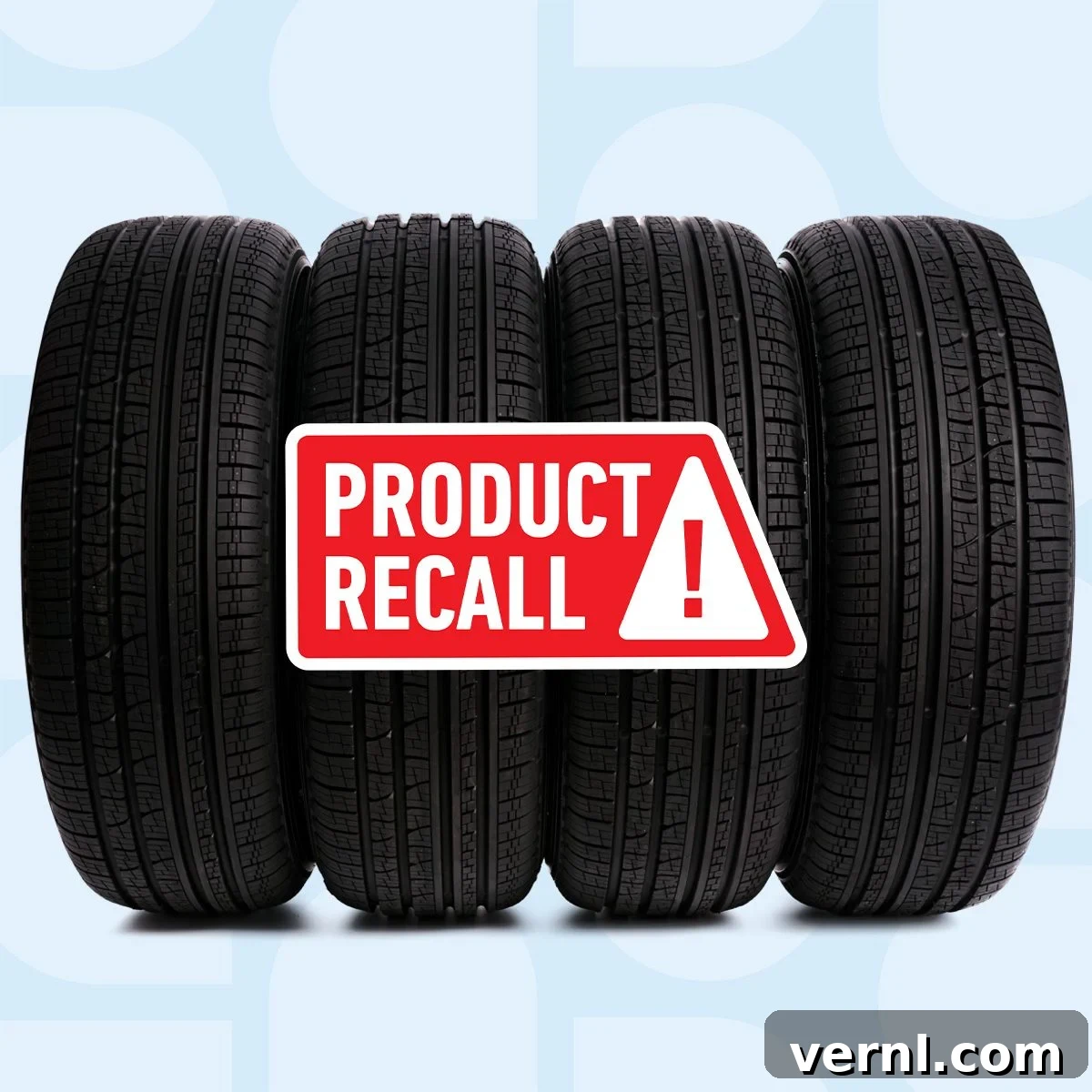
Tires are undoubtedly one of the most critical components of any vehicle, directly influencing safety, performance, and fuel efficiency. Given their vital role and significant cost, any widespread issue affecting them can be a major concern for vehicle owners. This week, the National Highway Traffic Safety Administration (NHTSA) announced a significant Toyo tire recall, impacting nearly 40,000 tires due to severe tread issues. This defect dramatically compromises vehicle stability and safety on the road, raising serious questions and potential risks for drivers. Understanding the implications of this recall, identifying if your tires are affected, and knowing the necessary steps to take are paramount for ensuring your safety and that of others.
Understanding the Critical Role of Tire Tread in Vehicle Safety
Before diving into the specifics of the Toyo recall, it’s essential to appreciate why tire tread is so incredibly important. The tread is the patterned rubber on the circumference of the tire that makes contact with the road surface. Its intricate design of grooves, blocks, and sipes is engineered to provide the necessary grip and traction that keeps your vehicle safely on the road. This grip is fundamental for several key aspects of driving:
- Traction and Handling: Tread patterns are designed to optimize friction between the tire and the road, allowing your car to accelerate, turn, and brake effectively. Without adequate tread, tires can lose their grip, leading to skidding or loss of control, especially during sharp turns or sudden maneuvers.
- Braking Performance: A healthy tread ensures maximum contact with the road, which is crucial for reducing stopping distances. Worn or damaged tread severely compromises braking efficiency, making it harder to stop in emergencies and significantly increasing the risk of collisions.
- Water Evacuation and Hydroplaning Prevention: The grooves in the tread pattern are specifically designed to channel water away from the contact patch between the tire and the road. This prevents hydroplaning, a dangerous phenomenon where a layer of water builds up under the tires, causing the vehicle to lose contact with the road surface and essentially “float” uncontrollably. Faulty tread or insufficient tread depth can render this crucial safety feature ineffective.
- Stability and Ride Comfort: Beyond direct safety, the tread also contributes to overall vehicle stability and ride comfort by absorbing road imperfections and maintaining consistent contact.
Standard road tires typically feature a variety of grooves and patterns optimized for everyday driving conditions. In contrast, heavy-duty off-road and all-weather tires boast much more pronounced bumps, ridges, and deeper grooves. These specialized designs allow them to better grab onto rugged, uneven, or slippery surfaces like mud, snow, or gravel, providing enhanced safety and performance in challenging environments. Regardless of the tire type, the integrity of its tread is non-negotiable for safe operation.
Why Is Toyo Recalling Nearly 40,000 Tires?
The core reason behind this extensive Toyo tire recall, as detailed in the NHTSA brief, is a severe issue of tread separation. This defect occurs when the outer layer of the tire, the tread, detaches from the main body of the tire. The underlying cause has been identified as “contamination during production,” which “may reduce adhesion and cause the tread to separate.” This manufacturing flaw means that the adhesive bond meant to secure the tread to the tire’s casing failed during production, leading to a critical weakness that can manifest as complete separation.
The consequences of tread separation are profoundly serious. When a tire’s tread separates, it can instantly and dramatically compromise “vehicle instability, increasing the risk of a crash.” Imagine driving at highway speeds when a significant portion of your tire’s tread detaches. This can cause:
- Sudden Loss of Control: The vehicle may pull sharply to one side, become extremely difficult to steer, or begin to swerve uncontrollably.
- Blowouts: Tread separation often leads to a sudden blowout, causing a rapid loss of air pressure and an immediate impact on vehicle handling.
- Debris on Road: Separated tread can become dangerous road debris, posing hazards to other motorists.
- Accidents and Injuries: Ultimately, these scenarios significantly elevate the risk of a serious accident, potentially resulting in severe injuries or even fatalities for vehicle occupants and others on the road.
Unlike tires that gradually wear smooth over time, where drivers might notice reduced grip, this manufacturing defect can cause catastrophic tread separation even on relatively new tires that haven’t experienced significant wear and tear from regular driving. This inherent flaw makes the affected tires unpredictably dangerous, necessitating immediate attention and replacement.
Which Toyo and Nitto Tires Are Affected by the Recall?
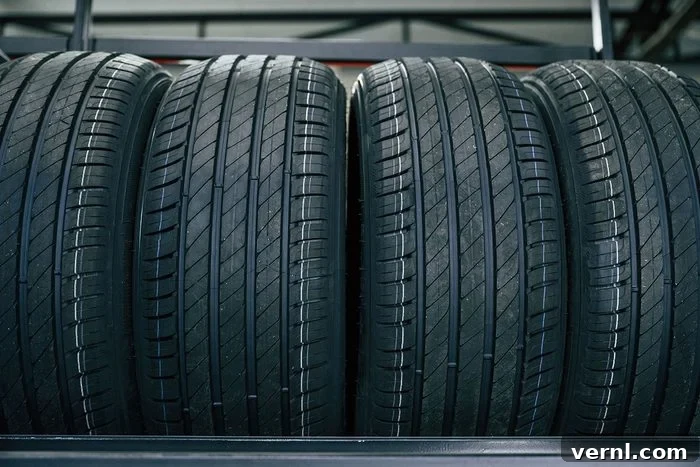
Toyo Tire Holdings of Americas, Inc. has confirmed that nearly 40,000 tires are implicated in this recall, encompassing a wide range of popular models from both the Toyo and Nitto brands. This broad scope means many drivers could unknowingly be at risk. The affected models include:
- Open Country A/T III: A versatile all-terrain tire popular for trucks and SUVs, offering a balance of on-road comfort and off-road capability.
- Open Country R/T Trail: Designed for rugged terrain, providing a more aggressive tread pattern than the A/T III for challenging off-road conditions.
- Open Country M/T: An extreme mud-terrain tire, known for its deep, aggressive tread for maximum traction in mud, dirt, and rocks.
- Open Country H/T II: A highway terrain tire optimized for light trucks and SUVs, focusing on a comfortable ride, long tread life, and all-season performance.
- Crosstek 2: Often associated with SUVs and CUVs, offering reliable all-season performance and a smooth ride.
- Dura Grappler Highway Terrain: A durable highway tire designed for heavy-duty trucks, focusing on longevity and stability under load.
- Exo Grappler AWT: An all-weather terrain tire built for light trucks and SUVs, offering robust performance in varying weather conditions and off-road capability.
- Mud Grappler Extreme Terrain: Another extreme off-road tire with a highly aggressive tread for the most challenging mud and rock crawling.
- Recon Grappler A/T: An all-terrain tire balancing aggressive looks with comfortable on-road performance and capable off-road traction.
- Ridge Grappler: A hybrid terrain tire that blends features of all-terrain and mud-terrain tires, offering versatility for various driving conditions.
- Terra Grappler G3 A/T: An all-terrain tire known for its strong performance on and off-road, with a focus on durability and wet weather traction.
- Trail Grappler M/T tires: A mud-terrain tire designed to offer both off-road performance and reasonable on-road comfort.
How to Identify If Your Tires Are Part of the Recall
To determine if your tires are among the recalled batch, you’ll need to locate specific information on the tire’s sidewall. Each tire has a Department of Transportation (DOT) code, which includes the plant code and the date of manufacture. The date is typically represented by a four-digit number, where the first two digits indicate the week and the last two digits indicate the year (e.g., “3523” means the 35th week of 2023). While the NHTSA brief specifies certain manufacturing plants and date ranges, the most straightforward approach is to:
- Visually Inspect Your Tires: Locate the brand name (Toyo or Nitto) and the model name on the sidewall of each tire. Compare these names against the comprehensive list provided above.
- Find the DOT Code: Search for the “DOT” symbol followed by a series of letters and numbers. The last four digits of this code are crucial for determining the manufacturing date.
- Cross-Reference with Recall Details: While the recall specifics often include manufacturing date ranges, the most reliable method is to contact Toyo or Nitto directly with your tire’s information or await the official notification letter.
It is imperative not to solely rely on the visual condition of the tires, as the defect is an internal adhesive failure that may not be apparent until it’s too late.
What Steps Should You Take If Your Tires Are Affected? Is There a Fix?
The good news for owners of affected tires is that Toyo has committed to resolving this safety issue. Per the NHTSA brief, “dealers will replace the tires, free of charge.” This means you will not incur any cost for the replacement of the faulty tires. Taking swift action is crucial for your safety and to avoid potential liability.
Here’s a step-by-step guide on what to do:
- Await Official Notification: Owner notification letters are expected to be sent out in mid-December 2025. These letters will provide detailed instructions on the recall process, including how to schedule your tire replacement. Keep a close eye on your mailbox for this important communication.
- Contact Toyo or Nitto Customer Service: If you believe your tires are affected and want to proactively confirm or learn more before receiving a letter, do not hesitate to reach out to the manufacturers directly.
- You can contact Toyo’s customer service at 800-442-8696.
- For Nitto tires, contact Nitto’s Customer Care at 888-529-8200.
Be prepared to provide your tire model, size, and DOT manufacturing code to assist them in verifying if your tires are part of the recall.
- Schedule a Replacement Appointment: Once you’ve confirmed that your tires are faulty, schedule an appointment with an authorized Toyo or Nitto dealer at your earliest convenience. It is highly advised not to delay this. Driving on tires with potential tread separation is a significant safety hazard.
- Understand the Replacement Process: The dealer will inspect your tires, verify they are part of the recall, and replace them with new, safe tires at no cost to you.
The NHTSA recall number for this specific issue is 25T018000. When communicating with dealers or customer service, referencing this number can help streamline the process.
Proactive Tire Maintenance: Beyond the Recall
While this recall addresses a manufacturing defect, it serves as a powerful reminder of the paramount importance of regular tire maintenance. Proactive care not only enhances safety but also extends tire life and improves fuel efficiency. Here are essential tips for general tire health:
- Regular Tread Depth Checks: Your tire tread should never fall below 2/32 of an inch. You can use a tread depth gauge or the “penny test” (insert a penny head-first into a tread groove; if you can see Lincoln’s entire head, your tread is too shallow). Many tires also have built-in tread wear indicators – small bars flush with the tread surface – which become visible when the tread is worn.
- Maintain Proper Tire Pressure: Incorrect tire pressure is a leading cause of premature tire wear and can significantly impact handling and fuel economy. Check your vehicle’s owner’s manual or the sticker inside your driver’s side door jamb for the recommended PSI (pounds per square inch). Check pressure monthly, ideally when tires are cold. Don’t rely solely on your vehicle’s Tire Pressure Monitoring System (TPMS) light, as it often only alerts you when pressure is critically low.
- Routine Visual Inspections: Regularly inspect your tires for any signs of damage, such as bulges, cracks, cuts, punctures, or embedded objects. A bulge indicates a potential internal structural defect and can lead to a blowout. Small cracks in the sidewall can also be a sign of aging or environmental damage.
- Tire Rotation and Balancing: To ensure even wear across all four tires and maximize their lifespan, have your tires rotated every 5,000 to 7,500 miles, or as recommended by your vehicle manufacturer. Balancing ensures the weight of the tire and wheel assembly is evenly distributed, preventing vibrations and uneven wear.
- Wheel Alignment: Proper wheel alignment ensures your wheels are pointing in the correct direction. Misalignment can lead to uneven tire wear, pulling to one side, and compromised handling. Have your alignment checked periodically or if you notice any steering issues.
- Consider Tire Age: Even if tires have good tread, they can degrade over time due to exposure to UV light, heat, and chemicals. Most tire manufacturers and safety experts recommend replacing tires that are six to ten years old, regardless of visible wear. The DOT code will tell you the manufacturing date.
By integrating these practices into your routine, you can significantly enhance your driving safety and prevent unforeseen tire-related issues, making you a more informed and responsible driver.
Conclusion: Prioritizing Tire Safety
The Toyo and Nitto tire recall underscores the critical importance of tire integrity for overall vehicle safety. With nearly 40,000 tires affected by a serious tread separation defect, swift action is essential for anyone potentially driving on these faulty units. If you own any of the listed Toyo or Nitto tire models, it is paramount to identify them, follow the recall instructions to obtain a free replacement, and prioritize your safety without delay. Beyond this specific recall, let this serve as a powerful reminder to adopt a proactive approach to tire maintenance. Regular checks of tread depth, pressure, and general condition are not just recommendations; they are fundamental practices that contribute to safer roads for everyone. Stay informed, stay vigilant, and ensure your tires are always in optimal condition.
Source
Tire Tread May Separate, National Highway Traffic Safety Administration, 2025.