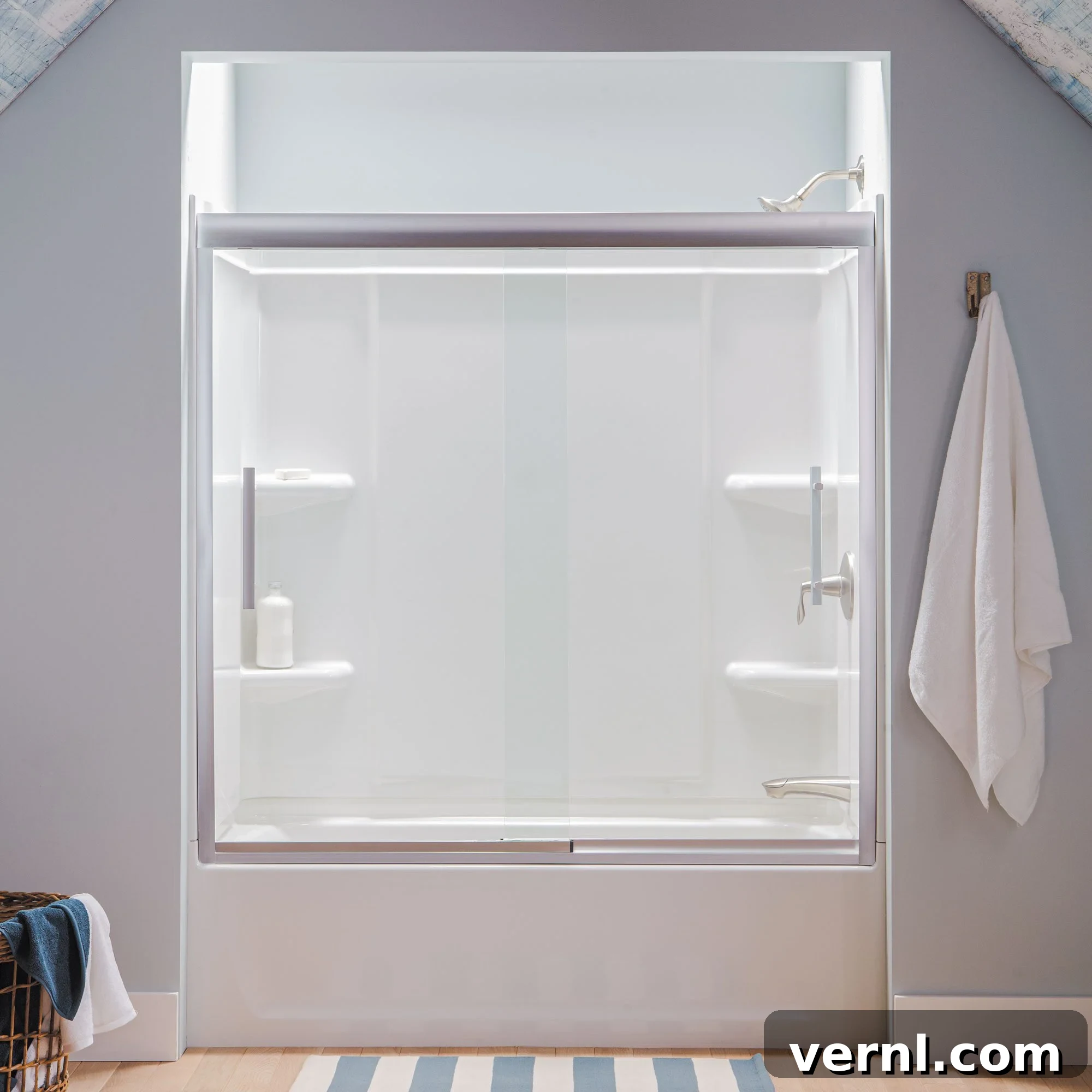
Transform Your Bathroom: The Ultimate Guide to Bathtub Surrounds
A new bathtub surround is often hailed as one of the fastest, most cost-effective, and impactful ways to revitalize the look and functionality of any bathroom. As someone who has personally installed several in various rental properties, I can confidently attest to their remarkable ease of installation and enduring durability. They offer an immediate aesthetic uplift, transforming outdated or tired shower areas into modern, inviting spaces without the extensive commitment of a full bathroom overhaul.
However, when embarking on the journey to select the perfect surround for your home, the sheer volume of options available can quickly become overwhelming. To navigate this decision-making process with clarity and confidence, we’ve consulted with two highly respected Massachusetts-based bathtub surround experts: Thomas Murphy from Bath Busters, renowned for extensive bath remodeling experience, and Will Martinez from W Remodeling and Handyman Services of Springfield, a seasoned professional in home and bathroom renovations.
Together, they provide invaluable insights into the distinct advantages and disadvantages of each tub surround material type, offer realistic cost estimates for both materials and professional installation, and shed light on whether undertaking this bathroom remodeling project yourself is a viable option for your specific situation. This guide aims to equip you with all the knowledge needed to make an informed choice that aligns with your budget, aesthetic preferences, and practical needs.
What Is a Bathtub Surround?
At its core, a bathtub surround is a protective and decorative panel system designed to cover the walls directly above a bathtub, typically extending to the showerhead height. It can be a single, large panel or, more commonly, a three-paneled unit that seamlessly wraps around the shower area. The primary function of a tub surround is to create a robust, non-porous, and waterproof surface, essential for containing water within the shower space and protecting the underlying wall structure from moisture damage. Beyond its practical waterproofing capabilities, a bathtub surround also serves as a significant aesthetic element, profoundly influencing the overall look and feel of your bathroom. Modern surrounds are available in a vast array of designs, from simple, minimalist flat panels that offer a clean, contemporary look to more elaborate units featuring integrated shelves, soap dishes, and textured patterns that mimic natural stone or tile, providing both functionality and sophisticated design.
What Types of Materials Are Bathtub Surrounds Made From?
Bathtub surrounds are manufactured from a variety of materials, each offering distinct characteristics in terms of durability, appearance, maintenance, and cost. The most common types include fiberglass, acrylic, solid surface, and engineered stone. “There are also composites of acrylic and fiberglass out there, which combine properties of both for enhanced performance,” notes Thomas Murphy, highlighting the innovative advancements in material science for bathroom applications.
-
Fiberglass Tub Surrounds
Fiberglass surrounds are constructed from layers of fiberglass reinforced with polyester resins. They are generally the most budget-friendly option, making them a popular choice for cost-conscious renovations. While affordable, fiberglass can often be thinner and feel somewhat flimsy compared to other materials. Its surface, typically a gel coat, can be prone to scratching, chipping, and developing a dull finish over time. Fiberglass is also more porous than acrylic, meaning it can absorb water if the gel coat is compromised, potentially leading to mildew issues if not properly sealed and maintained. Its lighter weight, however, can make DIY installation more manageable.
-
Acrylic Tub Surrounds
Acrylic surrounds represent a significant upgrade from fiberglass. They are typically thicker, offering superior chip and scratch resistance. Acrylic is a non-porous material, which means it naturally resists mold and mildew growth, making it exceptionally easy to clean and maintain. “Some acrylic units, if properly cared for, could realistically last a lifetime,” emphasizes Thomas Murphy, underscoring their impressive longevity. Acrylic panels come in a wider range of colors, patterns, and designs, including options that convincingly mimic the look of tile without the hassle of grout lines. Their smooth, warm-to-the-touch surface adds a touch of comfort to the shower experience.
-
Solid-Surface Tub Surrounds
Solid-surface surrounds are crafted from a blend of acrylic, polyester resins, and crushed mineral dust. This composite results in an exceptionally durable, homogeneous material that is resistant to impacts, scratches, and stains. A key advantage of solid surface is its non-porous nature, which completely prevents water absorption and inhibits microbial growth, ensuring a hygienic and low-maintenance surface. Any minor scratches or imperfections can often be buffed out, restoring the material to its original state. Solid surface offers a premium, seamless aesthetic, and can be customized with integrated sinks, shelves, and various edge profiles, providing a high-end look and feel.
-
Engineered Stone Tub Surround Panels
Engineered stone surrounds represent the pinnacle of luxury and durability in the tub surround market. These panels are composed of real stone material (such as quartz or marble dust) combined with resins and adhesives, creating a material that captures the exquisite beauty of natural stone without its inherent porosity and maintenance challenges. “It’s a mixture of stone dust, acrylic, and an adhesive to give it a real stone look and feel,” explains Murphy. Available in a rich variety of styles, engineered stone composites can perfectly replicate the sophisticated appearance of granite, quartz, or marble, offering unparalleled elegance and strength. They are incredibly resistant to heat, scratches, and impacts, ensuring a stunning and long-lasting finish.
How Much Does a Bathtub Surround Cost?
The cost of a new bathtub surround can vary significantly, ranging from approximately $130 to upwards of $2,500, depending primarily on the material selected, the complexity of its design, and any included features. Understanding these price points is crucial for budgeting your bathroom renovation effectively.
-
Fiberglass Surrounds
Fiberglass surrounds are the most economical choice, with prices typically ranging from $130 to $600. While the lowest-priced options might seem appealing, it’s highly advisable to invest a bit more – ideally between $300 to $400 – for a higher-quality fiberglass tub surround. Will Martinez cautions, “The cheap fiberglass is really low quality,” implying that sacrificing a small amount upfront can lead to dissatisfaction and a shorter lifespan for your surround. Better quality fiberglass will be thicker and more robust, offering improved durability and a more pleasing aesthetic.
-
Acrylic Surrounds
Positioned in the mid-range, acrylic surrounds generally cost between $600 to $800. The specific price point within this range will be influenced by several factors, including the material’s thickness, its stiffness, and the overall appearance of the product. Options that incorporate intricate tile patterns or practical built-in shelving, such as soap dishes or corner caddies, will naturally command a higher price due to added design and manufacturing complexity.
-
Solid-Surface Composite Surrounds
For those seeking enhanced durability and a more premium feel, solid-surface composite surrounds typically cost between $800 to $1,800, and sometimes even more. Martinez affirms the value proposition here: “You pay more, but it’s really durable and low maintenance.” This material offers excellent resistance to wear and tear, and its non-porous surface makes cleaning effortless, justifying the higher initial investment with long-term benefits and reduced upkeep.
-
Engineered Stone Tub Surrounds
At the top end of the spectrum, engineered stone tub surrounds represent a significant investment, with prices ranging from $1,200 to $2,500 or even higher. This premium pricing reflects the material’s luxurious appearance, mimicking natural stone, along with its superior durability and sophisticated manufacturing process. Opting for engineered stone ensures a breathtaking, high-end finish that can significantly elevate the overall value and aesthetic of your bathroom.
When budgeting, remember that these costs are for the surround panels themselves. Additional expenses may include adhesives, caulk, and any necessary wall preparation materials if you’re undertaking a DIY installation. If you plan to hire a professional, the installation cost will be a separate, substantial line item.
How Much Does It Cost to Install a Bathtub Surround?
The cost of professional installation for a bathtub surround can vary widely, ranging anywhere from $800 to $10,000 or more. This broad range underscores the importance of thorough research and obtaining multiple quotes. “Make sure to shop around,” advises Thomas Murphy, “There can be a big price difference between companies offering the same services and products.” Several critical factors influence these costs, including the material of the new surround, the specific installation method required, the condition of your existing walls, and any necessary demolition or prep work.
-
Fiberglass Tub Surround Installation
Installing a fiberglass tub surround is generally the least expensive professional option, typically costing between $800 to $1,000. These panels are lightweight and often use a simple adhesive application, making the installation process relatively straightforward for experienced professionals.
-
Acrylic Tub Surround Installation
For a standard acrylic tub surround installation, Will Martinez charges between $800 to $2,000. He notes, “It could be more if there are tile walls that need to be removed before installation.” The removal of old tile, along with any necessary wall repairs or preparation, adds significant labor and time to the project, consequently increasing the overall cost.
-
Solid-Surface Surround Installation
Solid-surface surrounds often feature a seamless installation method, frequently involving specialized clips, screws, and precise cuts that demand a high degree of skill and nuance. Consequently, the installation cost is higher, typically ranging from $2,000 to $4,000. The weight and rigidity of solid surface material also require more careful handling and positioning to achieve a flawless finish.
-
Engineered Stone Tub Surround Installation
Installation of an engineered stone tub surround is the most complex and therefore the most expensive, typically costing between $3,000 to $5,000. “Engineered stone panels are more difficult to install,” explains Murphy. “It could easily be a two-day job.” Their significant weight, large dimensions, and the need for meticulous cutting and leveling contribute to extended labor times and require highly specialized tools and expertise to ensure a perfect, durable fit.
Beyond the direct installation labor, these costs can also encompass demolition of existing walls, minor plumbing adjustments, disposal fees, and potentially unexpected repairs to underlying structures like water-damaged studs or subflooring. Always ensure your quotes are comprehensive and clearly itemize all anticipated expenses.
Can You Install a Bathtub Surround Yourself?
Whether you can successfully install a bathtub surround yourself largely “depends” on your DIY experience, the specific material chosen, and your comfort level with home improvement tasks. While certain types of surrounds are viable for an experienced do-it-yourselfer, others are best entrusted to professional hands.
Highly experienced DIYers who possess the correct tools, a solid understanding of basic construction principles, and meticulous attention to detail can confidently install a fiberglass or acrylic bathtub surround. This is precisely the approach I take for my rental properties, finding it a cost-effective way to upgrade bathrooms. These materials are generally lighter and more forgiving to work with, making the installation process more accessible for those with some DIY prowess. Savings on labor costs can be substantial, making DIY an attractive option for budget-conscious homeowners.
However, it is absolutely critical to remember that each bathtub surround is unique, and successful DIY projects hinge on diligently following the manufacturer’s specific instructions. These instructions cover everything from surface preparation and adhesive application to cutting panels and proper sealing techniques. Deviating from these guidelines can lead to an improper fit, aesthetic flaws, and, most critically, potential water leakage and damage down the line.
On the other hand, solid surface and engineered stone surrounds are unequivocally best left to the professionals. Their substantial weight, rigidity, need for precise cuts, and often intricate seamless installation methods require specialized tools, techniques, and experience that most homeowners do not possess. Attempting to install these premium materials without the necessary expertise can easily lead to costly mistakes, material damage, and an unsatisfactory finish.
Will Martinez offers a potent warning for potential DIYers: “There’s a lot to consider, and you can run into a lot of problems, like plumbing issues, uninsulated walls, rotted floors. It’s always something.” Old homes, in particular, can harbor hidden issues such as uneven walls, mold, or structural damage that require professional remediation before a new surround can be safely and effectively installed. An improper installation, even for simpler materials, can result in leaks, leading to extensive water damage, mold growth, and expensive future repairs that far outweigh any initial DIY savings. Assess your skills honestly, consider the complexity of the project, and don’t hesitate to call in a pro if there’s any doubt.
FAQs About Bathtub Surrounds
Is it better to tile or use a tub surround?
The “better” choice between tiling and using a tub surround is highly subjective and depends entirely on your personal priorities and circumstances. There are numerous factors that make this a personal decision. Will Martinez often favors traditional tile for its endless customization possibilities and classic appeal. However, if you’re working with a tight budget, prioritizing quick installation, or simply dread the chore of cleaning grout lines, then a seamless, low-maintenance tub surround may undoubtedly be the “right” choice for you. Tile offers unlimited design flexibility but comes with higher installation costs, longer project times, and the ongoing need for grout cleaning and sealing. Surrounds, conversely, offer speed, affordability, and effortless maintenance, albeit with potentially fewer design options depending on the material.
What’s the best material for a bathtub surround?
Again, determining the “best” material for a bathtub surround is not a one-size-fits-all answer. All tub surround materials on the market are acceptable and designed for purpose, so the ultimate “best” will be dictated by your unique situation. When making your decision, carefully consider your budget constraints, the anticipated level of daily use the shower will endure, how long you plan to live in your current home (which impacts ROI), and, naturally, your specific aesthetic preferences. For ultimate luxury and durability, engineered stone stands out. For a balance of cost and performance, acrylic is often favored. For the most economical option, fiberglass is available.
Can you put a tub surround over old tile?
Yes, in many cases, you can install certain types of tub surrounds directly over existing tile. Glue-on fiberglass and acrylic panels are often suitable for installation over any sound, existing wall surface, including ceramic tile. The key to a successful overlay installation lies in ensuring the existing tile surface is clean, dry, and structurally sound, with no loose tiles or significant cracks. “You just have to make sure to use the right adhesive,” emphasizes Martinez. Additionally, any unevenness in the existing grout lines might need to be filled or leveled to provide a smooth, consistent substrate for the new surround panels to adhere properly. Always consult the surround manufacturer’s recommendations for specific adhesive types and preparation methods.
Which is better to put behind a tub surround, drywall or cement board?
When preparing the walls behind a tub surround, the choice between moisture-resistant drywall and cement board is crucial for long-term durability and preventing moisture-related issues. Thomas Murphy states that his company frequently uses moisture-resistant drywall or specialized “Zip board” behind their tub surround installations. He describes Zip board as “a breathable, engineered wood that’s water-resistant,” highlighting its innovative properties for bathroom applications. While standard green board (moisture-resistant drywall) is acceptable for many surround installations, cement board offers superior protection against water and is often preferred in high-moisture areas or when using tile. Regardless of the material, proper sealing, vapor barriers, and ensuring adequate ventilation in the bathroom are paramount to prevent mold and mildew growth and protect the structural integrity of your walls.
Make Your Informed Bathtub Surround Choice
Choosing and installing a new bathtub surround is a significant decision that can dramatically enhance your bathroom’s appearance, functionality, and longevity. By understanding the distinct characteristics of fiberglass, acrylic, solid surface, and engineered stone, along with their associated costs and installation complexities, you are now equipped to make an informed decision. Remember to carefully weigh your budget, aesthetic desires, and DIY capabilities. Whether you opt for a DIY project with simpler materials or entrust the job to seasoned professionals for a premium finish, investing in a quality bathtub surround is a smart move that promises a beautiful, waterproof, and low-maintenance shower space for years to come. Start planning your bathroom transformation today and enjoy the revitalized comfort and style it brings.
About the Experts
Thomas Murphy is the general manager of Bath Busters in Leominster, Massachusetts. His company is a major bath remodeling firm with an impressive track record, having successfully completed more than 32,000 bathroom remodels.
Will Martinez is the proud owner of W Remodeling and Handyman Services of Springfield, Massachusetts. With over seven years of extensive experience in both home and specialized bathroom remodeling projects, he brings a wealth of practical knowledge to every job.