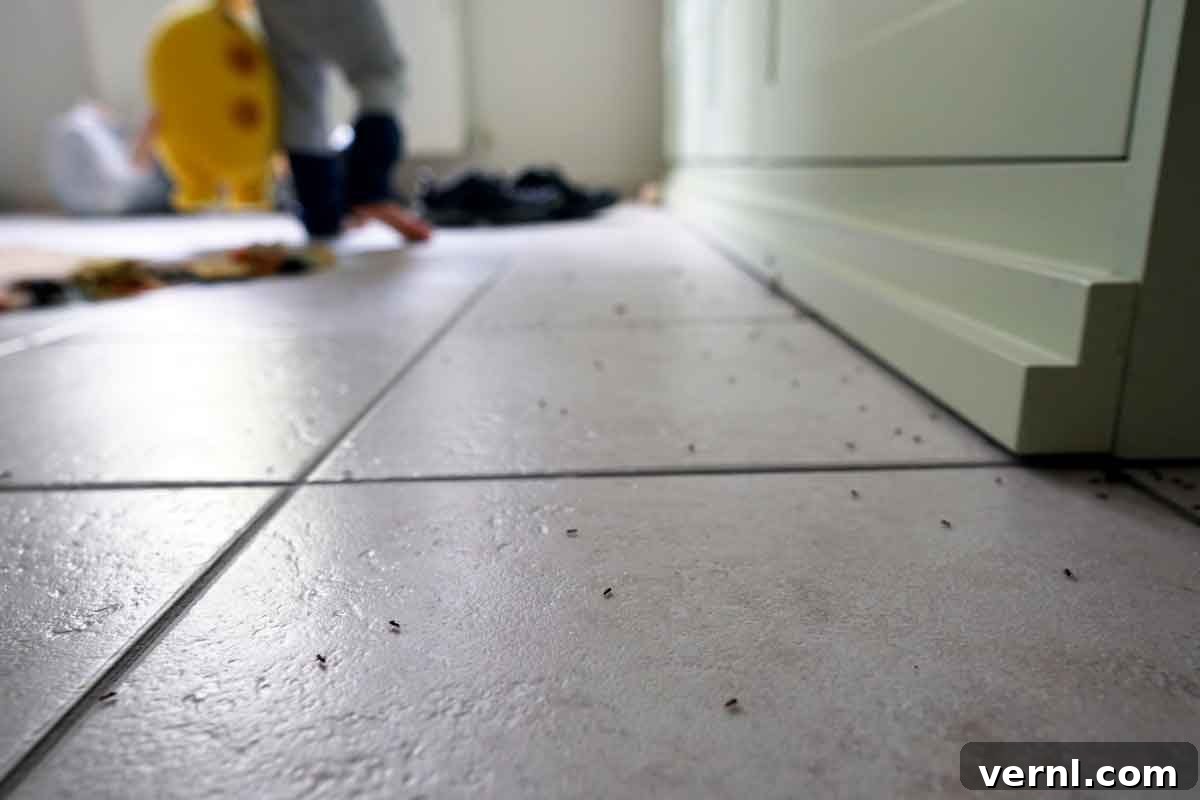
Bugs in the Attic: Unwanted Guests in Your Upper Chambers

The attic, often out of sight and out of mind, serves as a prime hiding spot and breeding ground for numerous pests. Its secluded nature, fluctuating temperatures, and potential for moisture make it an ideal habitat for insects and other critters seeking shelter. Understanding which bugs commonly infest attics and how to effectively manage them is crucial for maintaining a healthy and damage-free home. Here’s a detailed look at the usual suspects you might encounter in your attic space:
Common Attic Pests: Flies, Termites, Wasps, Silverfish, and Moths
Flies in the Attic
While seemingly harmless, the presence of flies swirling around your attic is more than just an annoyance; it can be a sign of a larger issue and a potential health risk. Flies are known carriers of various diseases, capable of transmitting pathogens from unsanitary outdoor environments directly into your living space. Fortunately, simple strategies can help you get rid of flies effectively.
- Cluster Flies: These are particularly common attic invaders, often seeking warm, sheltered spots to overwinter. Unlike typical house flies, cluster flies don’t breed indoors but rather enter through cracks and crevices in late summer or early fall. They become noticeable during warmer periods in winter or spring as they become active and try to exit. Learning how to get rid of cluster flies often involves sealing entry points and using residual insecticides or traps.
- Fruit Flies: While more common in kitchens, a persistent fruit fly problem in the attic might indicate forgotten fruit, vegetables, or even a pest carcass. Preventing fruit flies involves thorough cleaning and eliminating food sources.
Prevention is always the best defense against flies. Ensure proper screening on attic vents, seal any cracks in the foundation or roofline, and address any moisture issues that might attract them. Traps and sprays can offer quick relief, but sealing off entry points is key to long-term control.
Termites: The Silent Destroyers of Your Home
Termites represent a particularly insidious threat in your attic due to the extensive and often unseen damage they can inflict on your home’s structure. These wood-destroying insects can chew through support beams, insulation, and even stored items without immediate detection. Their presence can significantly compromise the structural integrity of your property over time, leading to costly repairs.
Vigilance is critical. Keep your eyes open for subtle signs of termites, such as mud tubes on walls, discarded wings near windowsills, hollow-sounding wood, or tiny holes in wooden surfaces. If you suspect an infestation, swift action is paramount. While some DIY termite control methods exist, a professional exterminator is often necessary to ensure complete eradication and prevent future damage, especially with established colonies in a vulnerable area like the attic.
Wasps and Bees: Stinging Pests in High Places
The sound of buzzing insects in your attic is rarely a welcome one. Neither bees nor wasps are desirable indoor guests, particularly due to their potential to sting and cause allergic reactions. While some bees are beneficial pollinators, their presence indoors, especially in an active nest, can be dangerous.
- Wasps: Species like paper wasps, hornets, and yellow jackets often build nests in attics, rafters, or eaves. You can get rid of some smaller wasp nests yourself, particularly if they are newly formed and the wasps are not aggressive. However, if the nest is large, difficult to access, or you or a family member has allergies, it’s always safer to call a professional pest control expert. They have the necessary equipment and expertise to remove nests safely and effectively.
- Bees: While honeybees are generally docile unless provoked, a large bee colony in your attic can lead to structural damage from honey accumulation and wax. If you suspect a bee nest, it’s best to contact a local beekeeper or pest control service experienced in bee removal, as many species are protected.
Regular inspections of your attic for new nest beginnings, especially during spring and early summer, can prevent small problems from becoming major infestations. Sealing cracks and repairing damaged screens can also deter these stinging insects.
Silverfish and Moths: Destroyers of Stored Belongings
If your attic doubles as a storage space for old clothes, books, documents, or cherished keepsakes, then silverfish and moths pose a direct threat. These insidious pests can wreak havoc on textiles, paper, and other organic materials, leading to irreversible damage to your stored items.
- Silverfish: These primitive, wingless insects thrive in dark, damp, and undisturbed environments, making attics a perfect habitat. They feed on starches and cellulose, consuming anything from books, paper, photographs, and glue to clothing and even wallpaper. Their feeding habits leave irregular holes, notches along edges, or surface etchings.
- Moths (especially clothes moths): Clothes moths are notorious for feeding on natural fibers such as wool, silk, fur, felt, and feathers. They can chew through sweaters, blankets, carpets, and upholstered furniture. The damage is often done by the larvae, which are small, worm-like creatures.
To protect your stored items, ensure everything is kept in airtight plastic containers rather than cardboard boxes, which silverfish can easily penetrate and feed on. Use dehumidifiers to reduce moisture levels in the attic, as both pests prefer humid conditions. Regularly clean and vacuum the attic space, and consider using cedar planks or sachets, mothballs (with caution), or pheromone traps specifically designed for clothes moths to deter these destructive pests. Prompt action to get rid of these pests will help keep your valuable storage safe and intact.
Bugs in the Bedroom: Keeping Your Sanctuary Pest-Free

Your bedroom should be a sanctuary, a place for rest and rejuvenation. The last thing anyone wants to discover in this private space is an unwelcome insect visitor. However, bedrooms can attract various pests, some of which are particularly insidious due to their proximity to our sleeping areas. Addressing these issues quickly and effectively is crucial for your comfort and health. Here are the most common bugs you might find disrupting your peace in the bedroom:
Common Bedroom Pests: Bedbugs, Fleas, Ants, Cockroaches, and Spiders
Bedbugs: The Ultimate Sleep Disruptors
The very mention of bedbugs sends shivers down most people’s spines, and for good reason. These tiny, nocturnal bloodsuckers can turn your comfortable bed into a source of constant irritation and anxiety. Bedbugs hide in mattresses, bed frames, headboards, and cracks in walls, emerging at night to feed on unsuspecting hosts. Their bites, often appearing as itchy red welts, can cause discomfort, sleep deprivation, and even secondary skin infections from scratching.
If you suspect bedbugs, quick and decisive action is paramount. Early detection can significantly simplify eradication. Look for tiny blood stains on sheets, dark fecal spots on mattresses, shed skins, or the bugs themselves, which are small, reddish-brown, and oval-shaped. While a DIY guide to getting rid of bedbugs can offer initial steps like thorough vacuuming, washing all bedding in hot water, and encasing your mattress, professional pest control is often required for complete eradication due to their resilience and ability to hide in numerous crevices. Prevention involves checking luggage after travel, inspecting secondhand furniture, and being cautious about what you bring into your home.
Fleas: Hitchhikers from Your Pets
Fleas are commonly found in bedrooms, especially if you share your sleeping space with pets. These tiny, jumping insects feed on the blood of animals and humans, causing itchy bites that can lead to discomfort, skin irritation, and even allergic reactions. Flea infestations can quickly get out of hand, as their life cycle includes eggs, larvae, and pupae that can hide in carpets, bedding, and furniture.
Getting rid of fleas effectively starts with protecting your pets. Regular flea treatments prescribed by your veterinarian are essential. Once fleas have established themselves in your home, a multi-pronged approach is needed. This includes frequent and thorough vacuuming of carpets and upholstery, washing all pet bedding and your own bedding in hot water, and using home flea sprays or foggers designed to target all life stages of fleas. Consistent cleaning and ongoing pet protection are key to preventing their return.
Ants in the Bedroom: Unwanted Explorers
Ants are a general nuisance pest that can invade any part of your home, including the bedroom. While typically more prevalent in kitchens, a trail of ants in your bedroom might indicate they are searching for food, moisture, or a new nesting site, especially if there are sweet drinks or crumbs present. Although generally harmless, their presence is unwelcome and can be unsettling.
Addressing an ant problem involves identifying their entry points and food sources. Seal cracks and crevices in walls, floors, and around windows. Maintain a meticulous cleaning routine, especially in the bedroom, ensuring no food particles or sugary spills are left behind. For effective eradication, consider employing 13 simple solutions to help you get rid of ants for good, which might include baits, repellents, and natural deterrents. Addressing the root cause of their presence is vital for lasting control.
Cockroaches: Stealthy Health Hazards
A cockroach infestation in any part of the house, including the bedroom, is not only disgusting but also a serious health concern. Cockroaches are known to spread germs, bacteria, and allergens throughout the home. Their droppings and shed skins can trigger allergic reactions and asthma attacks in sensitive individuals, particularly children. They are nocturnal and highly resilient, making them difficult to eradicate once established.
There are some subtle signs your house has a cockroach infestation, such as a musty odor, fecal droppings resembling coffee grounds or black pepper, shed skins, or sightings of live roaches, particularly at night. If you find yourself with an infestation, prompt action is necessary. Getting rid of cockroaches involves rigorous sanitation, sealing entry points, using baits and insecticides, and in many cases, professional pest control. Maintaining cleanliness and eliminating food and water sources are crucial for prevention.
Spiders: Creepy but Often Beneficial
For many, the sight of spiders in the house, especially in the bedroom, can be quite unsettling. While their webs can be an aesthetic nuisance, most common house spiders are largely harmless to humans. In fact, some spiders are actually beneficial, acting as natural pest control by preying on other insects like flies, mosquitoes, and even cockroaches.
However, if you can’t stand having them around, or if you’re concerned about venomous species (though rare in homes), there are ways to deter them. How to get rid of spiders typically involves vacuuming webs, sealing cracks in windows and walls, and reducing clutter. A simple hack that will keep spiders out of your home involves using natural repellents like peppermint oil or citrus sprays near entry points. Keeping your bedroom tidy and free of other insect pests will also reduce the food sources that attract spiders, making your personal space more comfortable and bug-free.
Bugs in the Bathroom: Pests Thriving in Humidity
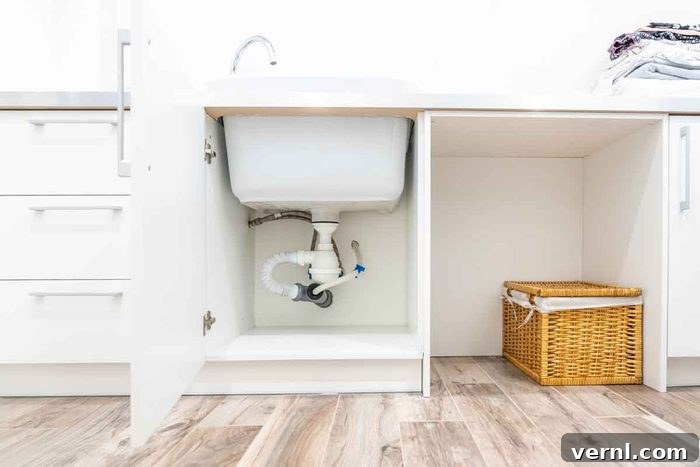
The bathroom, with its inherent humidity and constant availability of water, creates a uniquely attractive environment for a specific set of pests. These creatures thrive in moist, dark conditions, making the bathroom a prime location for them to hide, feed, and reproduce. Understanding these moisture-loving invaders is key to keeping your bathroom clean and pest-free.
Common Bathroom Pests: Ants, Cockroaches, Silverfish, Spiders, Centipedes, and Drain Flies
Silverfish: The Moisture-Seeking Paper Eaters
One of the most common pests you might encounter in your bathroom is the silverfish. These nocturnal, carrot-shaped insects are drawn to high humidity and dark, secluded spaces. They primarily feed on starches and cellulose, making bathroom items like toilet paper, tissue, books, and even wallpaper potential food sources. You may find silverfish under your sink, around your bathtub drain, or lurking in damp cabinets.
Controlling silverfish involves reducing humidity with exhaust fans or dehumidifiers, sealing cracks and crevices where they hide, and eliminating their food sources. Store paper products in sealed containers and clean up any crumbs or debris. Traps designed for silverfish can also be effective.
Drain Flies: Persistent Pests from the Pipes
If you’ve ever had drain flies in the bathroom, you know how incredibly tough and frustrating it can be to get rid of them. These tiny, fuzzy, moth-like flies breed in the gelatinous sludge that accumulates within drains, feeding on decaying organic matter. Their presence indicates a buildup of grime within your plumbing system.
Eradicating drain flies requires persistence and thoroughness. The key is to eliminate their breeding ground. This involves meticulously cleaning drains using a stiff brush to scrub away the biofilm, followed by pouring boiling water, baking soda and vinegar, or enzymatic drain cleaners. Simply spraying adult flies won’t solve the problem; you must address the source. While it takes some hard work and patience, it is entirely possible to get rid of drain flies for good by maintaining clean drains and addressing any leaks or moisture issues.
Centipedes: Fast Movers in Damp Spaces
These many-legged creatures are often among the most hated pests due to their unsettling appearance and rapid movements. Centipedes also prefer dark, moist areas, making bathrooms, especially damp basements or crawl spaces connected to bathrooms, ideal habitats. House centipedes are fast, nocturnal predators that feed on other insects, making them a form of natural pest control.
Surprisingly, centipedes are actually beneficial to your home environment in the same way as spiders, as they help control populations of other undesirable pests like cockroaches, silverfish, and spiders. However, if their presence is too creepy for comfort, you can get rid of centipedes by reducing moisture, sealing entry points, and removing their food sources (other insects). Common insecticides can also be used if necessary, but focusing on moisture control and sealing is often more effective in the long run.
Other Common Bathroom Invaders
- Ants: Just like in other rooms, ants can seek out water sources in the bathroom, especially if there are leaks or condensation.
- Cockroaches: Bathrooms offer the perfect trifecta for cockroaches: moisture, shelter, and potential food sources (like dead skin cells or soap residue).
- Spiders: Attracted to the presence of other insects, spiders may also set up webs in bathroom corners or under fixtures, patiently waiting for their prey.
The overarching strategy for managing bathroom pests is moisture control. Fix leaks promptly, ensure good ventilation, and wipe down surfaces to keep them dry. Reducing clutter also eliminates hiding spots, making your bathroom less hospitable to these humidity-loving invaders.
Bugs in the Basement: The Subterranean Ecosystem

Basements are often the coolest, darkest, and dampest areas of a home, creating an environment that closely mimics an outdoor habitat, making them a magnet for a diverse array of pests. These subterranean spaces offer shelter from extreme weather, abundant hiding spots, and often, easily accessible moisture and food sources. Understanding the specific bugs that thrive in basements is crucial for effective pest management and preventing their spread to upper living areas.
Common Basement Pests: Termites, Cockroaches, Earwigs, Centipedes, Spiders, Crickets, Pillbugs, Millipedes
Termites and Cockroaches: Persistent Threats
Basements are high-risk areas for termites due to their proximity to the ground and potential for wood-to-soil contact. Just as in attics, termites can cause significant structural damage if left unchecked. Similarly, cockroaches find basements ideal with their darkness, moisture, and numerous hiding places. Vigilance, moisture control, and sealing cracks are paramount to deterring these destructive and unsanitary pests in the basement.
Earwigs: The Pincer Bugs
Earwigs are easily identifiable by the prominent pincers at their rear. These nocturnal insects prefer dark, damp environments and are often found under rocks, logs, or leaf litter outdoors, but they readily enter basements through cracks or open doors. While their pincers look intimidating, they are generally harmless to humans, only using them for defense or to grasp prey. They can be a nuisance if they infest in large numbers, occasionally feeding on plants or stored papers. Controlling earwigs involves reducing moisture, sealing entry points, and removing outdoor debris near the foundation.
Centipedes and Spiders: Predators in the Dark
Centipedes and spiders are common in basements, thriving on the other insects that inhabit these damp spaces. While many spiders are harmless and centipedes can even be beneficial pest controllers, their presence can still be unsettling. Managing them involves addressing the overall basement environment: reducing humidity, cleaning up clutter, and sealing entry points. For specific concerns about venomous spiders or a large population, professional intervention might be considered.
Crickets: The Chirping Nuisance
Basements are often home to various cricket species, including common house crickets and camel crickets (also known as cave crickets due to their humpbacked appearance and preference for dark, damp places). Their incessant chirping can be a significant annoyance, especially at night. Some species can also cause minor damage by chewing on fabrics, paper, or even plants if food is scarce. While generally harmless, a cricket infestation warrants attention.
Here’s What You Need To Know About Crickets:
Some species of crickets, such as the Jerusalem cricket, are capable of biting humans if provoked. However, bites from these critters are exceedingly rare, as they are not aggressive. “The cricket species kids run into in North America are basically harmless,” explains Joseph Spagna, PhD, William Paterson University associate professor of biology. He adds, “I handle the common ‘house cricket’ Acheta domesticus in my behavior classes regularly, with bare hands, and they have never bitten me.” To manage crickets, reduce moisture, seal cracks, and use baits or sticky traps. Removing leaf litter and debris from around the foundation also helps prevent them from entering.
Pillbugs and Millipedes: Decomposers in Dampness
Often confused with one another, pillbugs (roly-polies) and millipedes are both detritivores, meaning they feed on decaying organic matter. They thrive in extremely damp conditions and are often found under wet leaves, logs, or in moist soil. They typically enter basements when outdoor conditions become too dry or too wet, seeking refuge. While they don’t cause structural damage or bite, their presence can indicate excessive moisture in your basement.
Here’s What You Need To Know About Millipedes:
“It’s not an insect, but millipedes, the friendly, docile relative of the centipedes, can affect humans when they’re threatened,” says entomologist James Daniel Ricci. He explains, “The yellow-spotted millipede, for example, will curl into a ball when threatened and leak hydrogen cyanide, a strong poison, onto the person holding it. This isn’t usually enough to kill a human, but you definitely should wash your hands thoroughly and avoid touching your face or eating food immediately after!” For pillbugs and millipedes, the best control strategy is to reduce moisture, repair leaks, improve ventilation, and seal any foundation cracks. Decluttering the basement also removes their hiding spots.
Bugs in the Living Room: Unwanted Intruders in Your Central Hub

The living room, as a central gathering space, is often a high-traffic area that connects to various other parts of the home and the outdoors. This makes it susceptible to a mix of common household pests, including those that might wander in from outside or migrate from other infested rooms. While you might not expect to find as many bugs here as in damp basements or food-rich kitchens, certain insects can certainly make themselves at home.
Common Living Room Pests: Ants, Flies, Bedbugs, Ladybugs, Stinkbugs, and Beetles
Ants and Flies: General Nuisances
Ants and flies are generalist pests that can easily find their way into the living room. Ants might be exploring for food crumbs left on upholstery or sugary spills, while flies might simply be straying indoors from open doors or windows. Maintaining cleanliness, promptly cleaning up spills, and ensuring windows and doors have intact screens are the best defenses against these common intruders.
Bedbugs: The Persistent Travelers
While primarily a bedroom pest, bedbugs can certainly infest living room furniture, especially sofas, recliners, and carpets. They can be introduced via infested luggage, used furniture, or by hitchhiking on people or pets from an already infested area. Their presence in the living room means they have more places to hide and a wider area to infest, making eradication even more challenging. If you suspect bedbugs in your living room, immediate and thorough action, often involving professional help, is crucial to prevent widespread infestation.
Ladybugs and Stink Bugs: Overwintering Intruders
As the weather cools in the fall, certain insects seek warmth and shelter indoors, often finding their way into living rooms through tiny cracks and crevices. Among these are ladybugs and stink bugs.
Here’s What You Need To Know About Beetles (including Ladybugs):
“Larger beetles, like large stag beetles, can do some damage with their massive mouthparts, usually when they feel threatened or if they’re trying to steady themselves,” explains James Daniel Ricci, an entomologist and co-founder/CTO of Ovipost. “Usually this is pretty mild, barely more than a stubbed toe or a pinprick. Ice the area if it’s at all bruised and use a bandage if necessary.” It’s important to distinguish between native ladybugs and the invasive Asian lady beetle. Native ladybugs do not bite or overwinter indoors, while the invasive Asian lady beetle does, often congregating in large numbers and sometimes emitting a foul odor or leaving stains if crushed. They may also deliver a mild, non-venomous bite.
Here’s What You Need To Know About Stink Bugs:
Stink bugs are on the rise in many areas and are notorious for causing serious damage to fruits and vegetables in gardens. While they don’t bite humans or cause structural damage to homes, their primary nuisance factor indoors comes from their overwintering behavior. In the fall, they seek shelter indoors to escape the cold, often entering homes in large numbers. When disturbed or crushed, they release a potent, unpleasant odor, hence their name.
According to University of Maryland extension experts, sealing your home is the best control strategy for stink bugs. This includes caulking cracks and gaps in your foundation, around windows and doors, installing weather stripping, door sweeps, and other preventative measures to block their entry points. If they do get inside, experts recommend vacuuming them up (though your vacuum may retain the stink for a few days afterward). You can also opt for various stink bug repellents, but sealing your home remains the most effective long-term solution.
Bugs in the Kitchen: Guardians of the Pantry

The kitchen, a hub of culinary activity, is undeniably the most attractive room in the house for many types of pests. Its abundance of food sources, water, and potential hiding spots makes it an irresistible target. From crumbs under the toaster to spills on the counter and open pantry items, virtually every aspect of a kitchen can attract unwanted insect guests. Effective kitchen pest control relies heavily on meticulous sanitation and smart food storage.
Common Kitchen Pests: Ants, Cockroaches, Flies, and Meal Moths
Ants and Cockroaches: The Persistent Invaders
Just as in other areas, ants and cockroaches are perennial kitchen problems. Ants follow scent trails to any accessible food source, no matter how small, while cockroaches thrive in the warmth, moisture, and darkness found behind appliances and inside cabinets. Maintaining an exceptionally clean kitchen, promptly wiping up spills, storing food in airtight containers, and sealing any entry points are your primary defenses against these hardy pests. If infestations persist, professional intervention might be necessary due to their rapid reproduction and resilience.
Flies: Unwanted Dinner Guests
Flies, particularly common house flies and fruit flies, are drawn to the food odors and decaying organic matter often found in kitchens. Open garbage bins, overripe fruit, and uncleaned drains provide ideal breeding grounds. Keeping food covered, emptying trash regularly, and ensuring drains are clean are crucial steps to prevent flies from becoming a nuisance and potential disease vector.
Meal Moths: The Pantry Plunderers
Also commonly known as pantry moths, meal moths are perhaps the most frustrating kitchen pest specifically targeting your stored food items. They love to get into dry goods such as flour, cereal, pasta, rice, beans, nuts, dried fruit, and even pet food. Their larvae are responsible for the damage, leaving behind webbing, silk threads, and chewed food particles. In severe cases, they can even infest decorative items made of grain or seeds, like certain Christmas ornaments.
How to Get Rid of Meal Moths:
Eradicating meal moths requires a systematic approach. First, you must inspect all dry food items and discard any that show signs of infestation (webbing, larvae, or adult moths). Meal moths don’t carry disease, so theoretically, you can eat the food after picking out the dead bodies and freezing it for at least four days to kill any remaining eggs or larvae. However, most people prefer to simply pitch infested food to be safe. Next, thoroughly clean your pantry shelves, vacuuming up any crumbs or spilled flour, and wiping down surfaces with soap and water or vinegar. The most critical long-term strategy is to use sturdy food storage containers with sealed lids for all dry goods. This prevents moths from accessing food and also helps contain any potential new infestations to a single container. Pheromone traps can help monitor and reduce adult moth populations but won’t eliminate larvae in food. Now that you know how to deal with meal moths, it’s best if you also look out for another common pantry pest known as strawberry root weevils, which can sometimes be found in kitchens, particularly attracted to specific plant matter.
Bugs in the Garage: The Transitional Zone

The garage serves as a unique transitional space between the outdoors and the interior of your home. This makes it a natural magnet for a wide variety of bugs, many of which are seeking shelter from the elements, a new food source, or simply passing through. While bugs in the garage might feel less “creepy” than those found inside your living quarters, their presence can still be a nuisance and, in some cases, an indicator of potential issues that could lead to indoor infestations. Given its semi-outdoor nature, you’ll often find bugs in the garage more frequently than inside the main house, making it a critical area for pest control.
Common Garage Pests: Silverfish, Crickets, Spiders, Pillbugs, and Flies
Silverfish and Pillbugs: Drawn to Dampness
Much like in basements and bathrooms, silverfish and pillbugs thrive in damp, undisturbed environments. Garages, especially those with concrete floors that can retain moisture or where leaks might occur, provide ideal conditions for these pests. Silverfish can damage stored papers, cardboard boxes, and fabrics, while pillbugs are primarily decomposers that indicate excess moisture. Reducing humidity through proper ventilation and sealing moisture sources are key control measures.
Crickets: The Chirping Invaders
Crickets frequently take refuge in garages, particularly during cooler weather or hot, dry periods, seeking shelter and moisture. Their characteristic chirping can be loud and annoying, and large populations can occasionally damage fabrics or papers. Sealing gaps under garage doors and around windows, decluttering the space, and using sticky traps or baits can help manage cricket populations.
Spiders: Web Weavers and Pest Controllers
The garage is a haven for spiders, as it often provides ample hiding spots (clutter, crevices) and a consistent food supply (other insects). While most garage spiders are harmless and can even be beneficial by preying on other pests, their webs can be unsightly, and some people have a strong aversion to them. Regular cleaning, vacuuming webs, and sealing cracks are effective ways to reduce their numbers. If you’re concerned about venomous species like black widows, wear gloves when working in cluttered areas and consider professional pest control.
Flies: The Occasional Intruder
Flies can easily enter garages through open doors or windows, especially if there’s decaying organic matter (like spilled pet food, trash, or even car residue) to attract them. Keeping the garage clean, promptly disposing of waste, and ensuring proper screening can minimize fly populations.
Ultimately, a tidy, well-maintained garage is less inviting to pests. Regular cleaning, decluttering, and sealing all potential entry points are paramount. You can get rid of bugs in and around the house for good with a combination of DIY tricks, such as maintaining cleanliness, fixing leaks, and using effective pest control products. For persistent or severe infestations, consulting a professional pest control service is always the wisest course of action to ensure your entire home, from attic to garage, remains a safe and comfortable space.