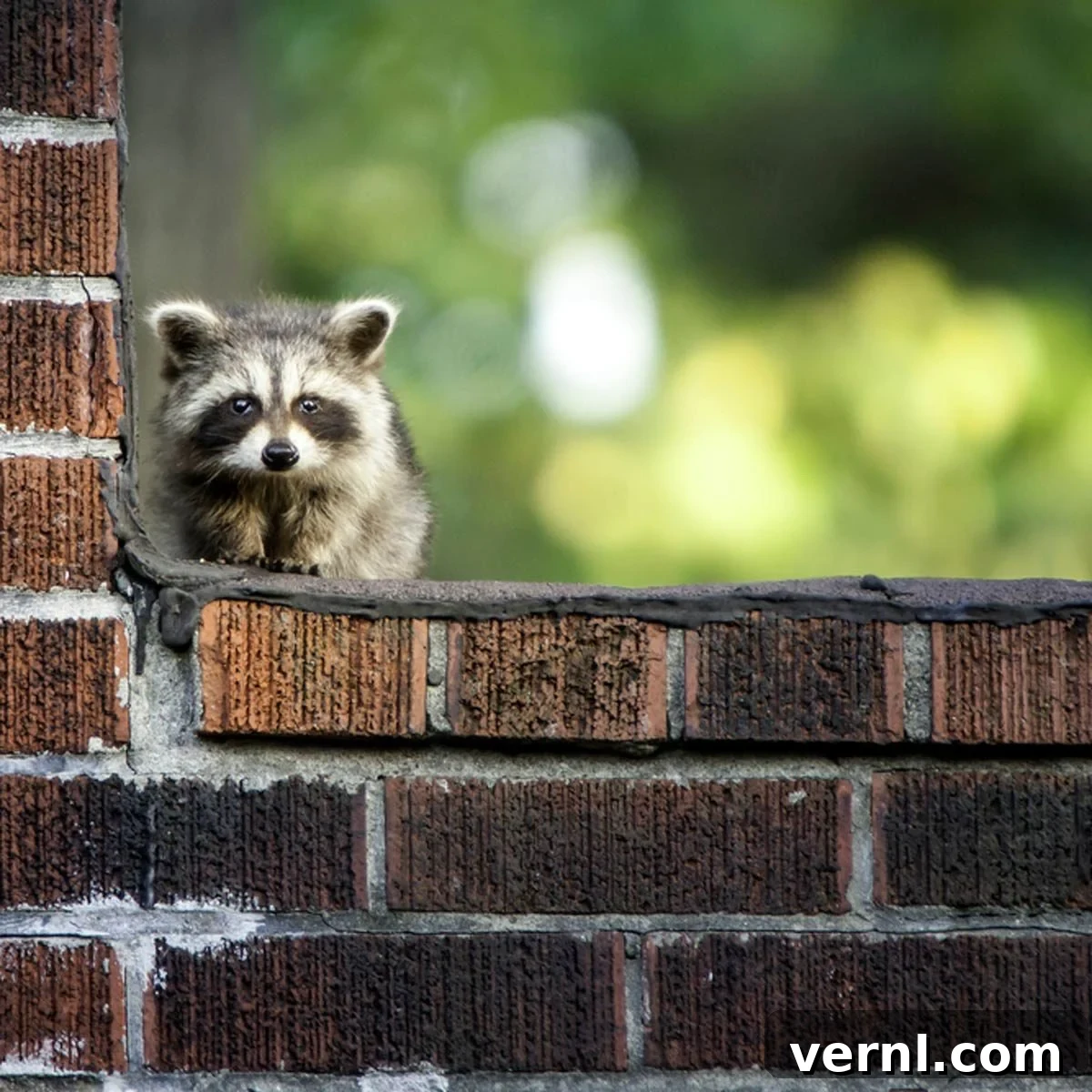
Your Ultimate Guide to Raccoon Removal and Prevention
Raccoons, with their iconic masked faces and remarkable dexterity, are often seen as curious and somewhat charming creatures. However, when these opportunistic nocturnal animals decide to take up residence on your property, their charm quickly gives way to a host of problems. Driven by an relentless quest for food and a secure place to establish their dens, raccoons can become a significant nuisance, infiltrating various parts of your home and yard. From rummaging through garbage bins and raiding pet food dishes to establishing intricate dens in attics, chimneys, or crawl spaces, their presence necessitates prompt and effective intervention. While their intentions aren’t to maliciously destroy your home, it is absolutely essential to humanely remove them and implement robust, long-term strategies to keep them out for good.
Ignoring an active raccoon problem can lead to far more than just overturned trash cans. These intelligent creatures can cause extensive structural damage by tearing at insulation, gnawing on electrical wires (posing a serious fire hazard), and compromising roofing or siding to gain access. Moreover, raccoons are known carriers of various diseases, including rabies and raccoon roundworm, which can pose significant health risks to both humans and domestic pets. Therefore, understanding and executing effective prevention techniques and humane removal methods are paramount for safeguarding your property and the well-being of your family.
Proactive Prevention: The First Line of Defense Against Raccoons
The most effective and least stressful way to manage raccoons is to prevent them from becoming an issue in the first place. If you’ve observed raccoons in your local area but haven’t yet experienced a direct infestation within your home, now is the opportune moment to fortify your defenses. The core of prevention lies in eliminating potential attractants and meticulously securing all possible entry points, thereby making your property utterly unappealing to these resourceful creatures.
Eliminating Food Sources: The Primary Raccoon Magnet
Raccoons are primarily motivated by food. Removing readily available food sources is the single most critical step in deterring them.
- Secure Your Garbage: This is non-negotiable. Raccoons are legendary for their ability to raid trash cans. Invest in heavy-duty outdoor garbage cans equipped with thick, locking lids. For enhanced security, consider employing bungee cords, weights, or pressure straps to ensure the lids are fastened incredibly tightly. An even more effective strategy is to store your trash cans inside a garage or a securely latched shed until collection day.
- Manage Pet Food Responsibly: Never leave pet food bowls outdoors, especially during evening and nighttime hours. Pet kibble is an irresistible draw for raccoons. If your pets eat outside, ensure all leftovers are promptly cleaned up after feeding, and bring the bowls indoors.
- Bird Feeder Maintenance: While beneficial for birds, feeders can inadvertently become a primary food source for raccoons. Install a squirrel baffle or a dedicated tray approximately six inches below the feeder to catch any spilled seeds. Position feeders strategically, far away from trees, fences, or any other structures that raccoons could utilize as a jumping-off point to reach them. Bringing feeders indoors at night is an excellent additional measure.
- Remove Fallen Fruit and Nuts: If your property boasts fruit or nut trees, diligent removal of fallen produce is crucial. Overripe fruit and nuts provide an effortless and highly attractive food source for raccoons, encouraging their persistent visits.
- Compost Bin Security: Open compost piles are essentially an open invitation for raccoons. Utilize enclosed, raccoon-proof compost bins and ensure their latches are always securely fastened.
Restricting Access to Water Sources
Just like all wildlife, raccoons require access to water. Limiting easy water sources can significantly reduce your property’s appeal. Be vigilant about decorative fountains, shallow ponds, bird baths, and even leaky outdoor pipes or sprinkler systems that create standing puddles. Repair any plumbing leaks immediately and consider temporarily draining decorative water features if raccoons become a persistent problem.
Sealing Potential Entry Points into Your Home
Raccoons possess remarkable strength and agility, enabling them to exploit even minor weaknesses in your home’s exterior. A thorough, systematic inspection can reveal these vulnerabilities:
- Trim Overhanging Tree Branches: Cut back all tree branches so they are at least six to eight feet away from your roofline. This critical step prevents raccoons from using them as natural bridges to access your roof, gutters, and ultimately, potential entry points into your attic or chimney.
- Install Chimney Caps: Chimneys are notorious entryways for raccoons seeking warm, sheltered nesting sites, particularly for mothers preparing to raise young. Install a sturdy, animal-proof chimney cap made of heavy-gauge mesh or metal.
- Secure Attic and Roof Vents: Ensure all attic and roof vents are covered with robust, heavy-gauge mesh screening. Raccoons can easily tear through flimsy plastic or aluminum vents.
- Repair Damaged Siding and Fascia: Conduct a meticulous inspection of your roofline, eaves, and siding for any existing gaps, holes, or loose panels. Raccoons will exploit these structural weaknesses to gain entry.
- Screen Pet Doors: While convenient for your pets, unsupervised pet doors can serve as an open invitation for raccoons. Consider securing them with a strong lock at night or investing in smart pet doors that operate with a microchip, allowing only your pet access.
- Secure Decks and Sheds: Raccoons frequently establish dens under elevated decks, porches, or within unsecured sheds. Install wire mesh or solid barriers around the entire perimeter of these structures, burying the bottom edge several inches into the ground to prevent them from digging underneath.
Effective Raccoon Deterrents: Making Your Property Unwelcoming
Even with diligent preventive measures, determined raccoons might still investigate your yard. Implementing specific deterrents can help persuade them to seek refuge and food sources elsewhere. These methods often target their keen senses or leverage their natural cautiousness.
Sensory-Based Deterrents
- Spicy Repellents: Raccoons are known to dislike strong, pungent odors. A homemade cayenne pepper solution can be surprisingly effective for garden areas and bushes. Mix one small canister of ground cayenne pepper and one bottle of hot sauce (such as Tabasco) into a gallon of water. Spray this solution liberally on garden plants, bushes, and shrubs. Reapply after rainfall or every few days to maintain its potency. Always handle spicy solutions with caution, avoiding direct contact with your eyes and skin.
- Mint-Scented Products: Certain commercial products capitalize on scents that raccoons find highly unpleasant. For example, Mint-X trash bags are specifically designed with a natural mint fragrance intended to deter raccoons from approaching your garbage.
- Ammonia: The intensely strong odor of ammonia can mimic the scent of predator urine, potentially signaling danger to raccoons and scaring them away from specific spots. Place ammonia-soaked rags in open cans near suspected den sites or entry points. Use this method sparingly and with extreme caution, especially if children or pets are present. Crucially, never place ammonia directly inside enclosed spaces where raccoons are confirmed to be denning, as the concentrated fumes can be incredibly harmful to the animals.
- Cider Vinegar: As endorsed by wildlife experts like Roger Dickens, raccoons find the smell of cider vinegar profoundly foul. Placing open bowls of cider vinegar at the base of a chimney or near a known entry point can act as a potent deterrent, encouraging them to vacate the area.
- Predator Urine: Commercial repellents containing the actual urine of natural predators like coyotes or foxes can be used to create a strong olfactory signal of danger, prompting raccoons to avoid the area.
Physical and Auditory Deterrents
- Motion-Activated Devices:
- Floodlights: Motion-activated floodlights are excellent for startling raccoons, causing them to flee. Install them in areas where raccoons are frequently observed. The sudden burst of light can disrupt their nocturnal activities and make them feel exposed.
- Sprinklers: Motion-activated sprinklers deliver a harmless but unexpected burst of water, effectively scaring raccoons away from garden beds or lawns without causing harm.
- Loud Noises: Raccoons are generally timid and wary creatures, especially when disturbed in unfamiliar or vulnerable territories like an attic. If you suspect raccoons are inside your attic or chimney, bright lights and continuous loud noises can often encourage them to vacate. Placing a battery-operated radio tuned to a talk show or news station in the affected area can create sufficient human disturbance to make them feel uncomfortable and seek a quieter, safer retreat.
Dealing with Raccoons Inside Your Home: A Measured Approach
If raccoons have already breached your home’s defenses and established themselves in your attic, crawl space, or chimney, the situation demands careful, systematic, and humane handling. The primary objectives are safe removal and foolproof prevention of future incursions.
1. Identify Entry Points and Thoroughly Assess the Situation
Your initial and most critical task is to conduct a meticulous inspection of both your home’s exterior and interior to precisely identify how the raccoons gained entry. Look for the following signs:
- Visible Holes or Gaps: Pay close attention to areas around eaves, rooflines, vents, and the foundation.
- Damaged Fascia or Soffits: Raccoons are strong enough to tear through these materials to create openings.
- Scratch Marks or Droppings: These are clear indicators of active entry points and established travel paths.
- Auditory Clues: Listen intently for scratching, thumping, chattering, or even growling sounds, particularly during the night, which can help pinpoint the exact location of their den.
Crucially, you must determine if it is a mother raccoon with her young. Signs of kits often include faint chattering or squealing noises, especially prevalent during late winter and throughout the spring months. Frequently observing a mother raccoon entering and exiting a specific area is another strong indicator of a nursery den.
2. Handle Mother Raccoons with Young Humanely and Responsibly
This is a paramount ethical and practical consideration. If you discover a mother raccoon has established a den with her litter, it is absolutely imperative to proceed with extreme caution and responsibility. Attempting to remove the mother while her babies are still dependent will almost certainly result in the kits dying from starvation, dehydration, or exposure. This is not only deeply inhumane but can also create an even more significant, and profoundly odoriferous, problem if the deceased kits are left decomposing within your walls or attic.
Wildlife experts, such as Roger Dickens, Technical Services Manager for Terminix, strongly advocate allowing the babies a few weeks to grow and develop sufficient mobility to follow their mother out of the den on their own. Typically, raccoon kits remain dependent for approximately 8-10 weeks. Once they are mobile, you can then safely proceed with eviction methods, ensuring the entire raccoon family can leave together, unharmed.
3. Humane Eviction Techniques for Raccoons
- One-Way Doors: These devices are exceptionally effective for safely guiding raccoons out of attics or crawl spaces. A one-way door is installed directly over the primary entry point, ingeniously allowing raccoons to exit but physically preventing them from re-entering. It is vital to monitor the door for several consecutive nights to ensure all raccoons, including any mobile young, have definitively left before permanently sealing the opening. This method is particularly recommended once young raccoons are old enough to accompany their mother.
- Bright Lights and Loud Noises (for adults): For adult raccoons, continuous disturbance can be a powerful motivator for relocation. Place bright lights (e.g., a powerful work light) and a loud battery-operated radio tuned to a talk show or news station directly in the attic or fireplace. The constant illumination and human voices create an undesirable environment, making the den site uncomfortable and encouraging them to seek a quieter, darker alternative.
- Odor Deterrents (with extreme caution): Ammonia-soaked rags or open bowls of cider vinegar can be placed *near* identified entry points or in the general vicinity of the den. However, it is crucial to reiterate: never place these potent odor deterrents directly into an enclosed space with raccoons, especially if kits are present, as the concentrated fumes can be severely harmful or even fatal to them.
4. Professional Animal Control: When to Call the Experts
While various DIY methods can be effective for prevention and minor deterrence, handling an active raccoon infestation, particularly one involving a mother and her young, is frequently best left to qualified professionals. An experienced animal control professional or wildlife removal service provides numerous critical advantages:
- Expert Assessment: Professionals possess the expertise to accurately identify all entry points, precisely assess the full scope of the infestation, and definitively confirm the presence of young animals.
- Humane Removal: They are extensively trained to employ humane trapping and removal techniques that prioritize the safety and well-being of both the animals and your family. They can ensure that mothers and their litters are humanely reunited and safely relocated to an appropriate environment.
- Legal Compliance: As Roger Dickens sagely observes, “Each state has specific laws around wildlife removal to protect the public from bites and scratches and other wildlife from potential disease transmission and transfer.” Professionals are intimately knowledgeable about these varying state and local regulations, ensuring all actions taken are legal, ethical, and compliant.
- Exclusion and Repair: Beyond mere removal, experts can provide comprehensive exclusion services, permanently sealing all identified entry points using durable, raccoon-proof materials such as heavy-gauge steel mesh or flashing. They can also advise on or directly perform necessary repairs to damaged insulation, wiring, or structural components.
- Disease Risk Mitigation: Directly handling raccoon droppings and nesting materials carries significant health risks. Professionals are equipped with appropriate personal protective equipment (PPE) and adhere to strict sanitation protocols to minimize any exposure to diseases like raccoon roundworm.
After Removal: Permanent Exclusion and Thorough Sanitation
Once you are absolutely certain that all raccoons have successfully vacated your property, the job is not yet complete. The final, critical steps involve permanently sealing all potential entry points and meticulously cleaning and sanitizing the affected areas to prevent future infestations and mitigate health risks.
- Permanently Seal All Entry Points: Utilize exceptionally durable materials that raccoons cannot chew or tear through, such as heavy-gauge steel mesh, hardware cloth, or metal flashing. Do not merely patch the immediate entry hole; thoroughly inspect and seal all other potential vulnerabilities you identified during your initial inspection, as raccoons will quickly find alternative access points.
- Clean and Sanitize Thoroughly: Raccoons leave behind droppings, urine, and nesting materials that can harbor dangerous parasites, harmful bacteria, and lingering foul odors. Always wear appropriate personal protective equipment, including heavy-duty gloves, a high-quality respirator mask, and protective eyewear. Carefully bag and remove all contaminated insulation and debris. Subsequently, thoroughly clean and disinfect the entire area with an enzymatic cleaner specifically designed for pet waste or a strong bleach solution (one part bleach to ten parts water). Proper sanitation is absolutely vital to eliminate residual odors that might attract other raccoons or pests and to fully mitigate all potential health risks.
- Repair All Damage: Replace any damaged insulation, repair chewed electrical wires, and fix any structural damage that the raccoons may have caused to your home.
Understanding the Risks: Why Raccoon Control is Essential
Beyond the general nuisance factor, raccoons pose several specific and serious threats that underscore the critical importance of effective control measures:
- Extensive Structural Damage: Raccoons are remarkably powerful and relentlessly persistent. They can easily tear through roofing shingles, fascia boards, soffits, and attic vents to gain entry. Once inside, they can cause significant damage to insulation, chew on electrical wiring (creating a serious fire hazard), and contaminate stored items with their urine and feces, leading to costly repairs and potential health hazards.
- Disease Transmission: Raccoons are known vectors for several diseases that can be highly dangerous to both humans and domestic pets:
- Rabies: A severe viral disease that is almost always fatal once symptoms begin to appear. Any raccoon exhibiting unusual behavior (e.g., active during daylight hours, displaying aggression, appearing disoriented, or overly friendly) should be reported to your local animal control authorities immediately. Never attempt to approach or handle a suspected rabid animal.
- Raccoon Roundworm (Baylisascaris procyonis): The microscopic eggs of this dangerous parasite are shed in raccoon feces and can be inadvertently ingested by humans or other animals. Infection can lead to severe neurological damage, blindness, or, in extreme cases, even death. This is precisely why meticulous and safe cleanup of all raccoon droppings is critically important.
- Leptospirosis: A bacterial disease spread through the urine of infected animals, including raccoons. It can cause kidney damage and liver failure in humans and pets.
- Aggression and Injury: While generally shy and reclusive, a cornered, frightened, or sick raccoon, especially a mother fiercely protecting her young, can become aggressive and inflict painful bites and scratches. Always maintain a safe distance and never attempt to physically confront a raccoon.
By diligently implementing a comprehensive combination of preventive measures, humane deterrents, and, when circumstances warrant, professional removal services, you can effectively manage raccoons on your property. This proactive approach ensures the protection of your home, your family, and the humane treatment of wildlife. Remember, consistency, vigilance, and thoroughness are your most steadfast allies in maintaining a truly raccoon-free environment.
About the Expert
Roger Dickens is a Technical Services Manager for Terminix.