
Comprehensive Guide to Mosquito Bite Prevention: Protecting Yourself and Your Family
Mosquitoes are more than just annoying pests that leave itchy red welts; they pose significant health risks globally. These tiny insects are notorious vectors for a multitude of serious diseases, capable of transmitting pathogens that can lead to severe illness, lifelong complications, and even death. The dangers associated with mosquito bites include well-known illnesses such as malaria, dengue fever, Zika virus, West Nile virus, and yellow fever, alongside numerous others that impact millions of lives annually across continents.
Beyond the threat of disease transmission, mosquito bites can also trigger acute allergic reactions in sensitive individuals. Symptoms can range from localized swelling and intense itching to more severe manifestations like widespread hives, blistering, and in rare cases, anaphylaxis leading to difficulty breathing. Understanding and implementing effective prevention strategies is crucial for safeguarding personal health and public well-being. One of the simplest yet most effective lines of defense against these persistent biters is the strategic use of protective clothing, which acts as a physical barrier against their persistent attacks.
Can Mosquitoes Bite Through Clothes? Understanding the Barrier
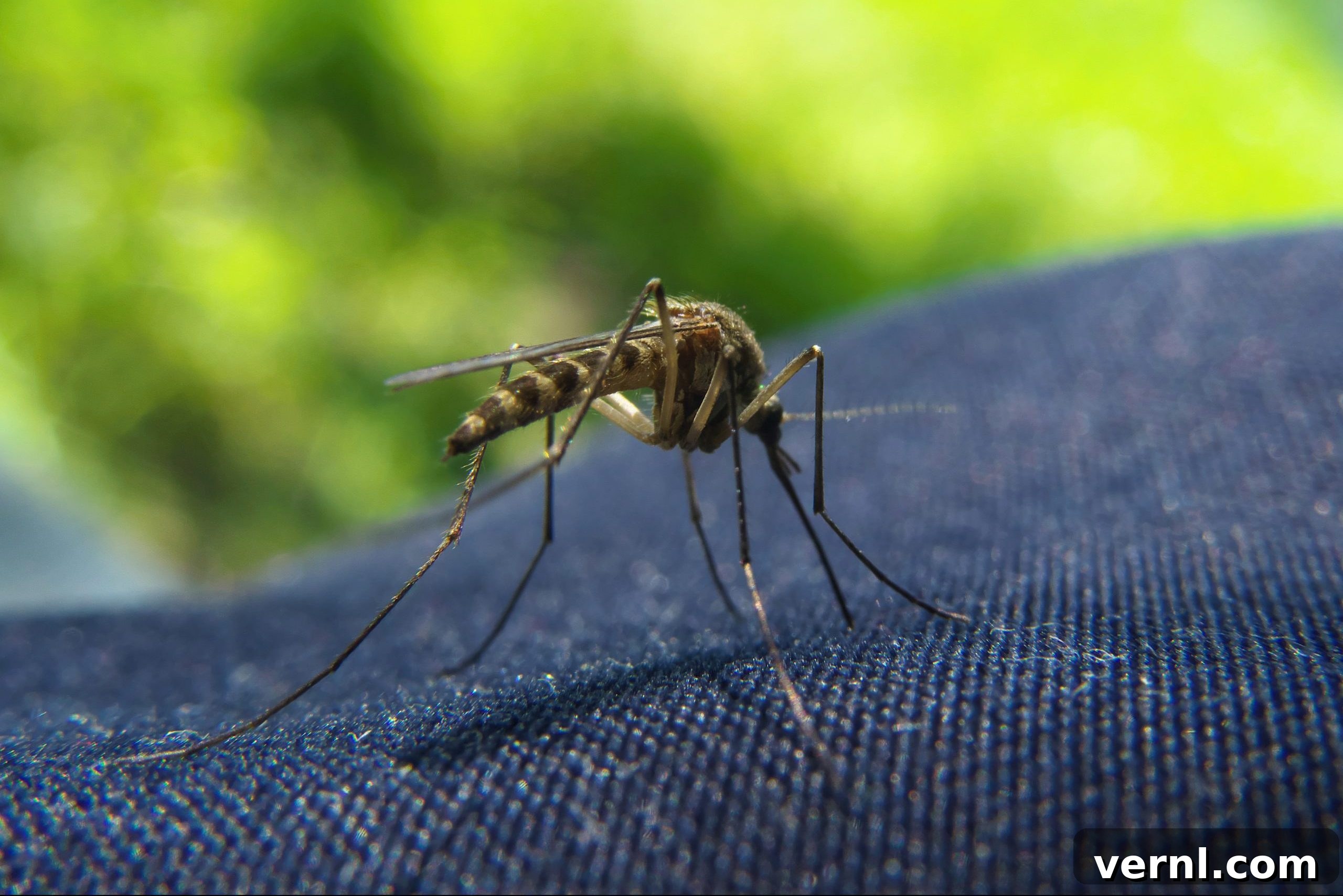
A common question arises when considering clothing as a defense: can mosquitoes penetrate fabric? The answer is a resounding yes, though not all types of clothing offer the same level of vulnerability. Mosquitoes are equipped with highly specialized mouthparts called a proboscis. This elongated, needle-like appendage is designed for piercing skin and drawing blood, a vital protein source for female mosquitoes to produce eggs. According to experts like mosquitomagnet.com, the proboscis is remarkably thin and sharp, enabling it to navigate through the weave of many common fabrics and reach the skin underneath.
The effectiveness of clothing as a barrier largely depends on several factors, including the fabric’s material, its thickness, the tightness of its weave, and how closely it fits the body. Thin, loosely woven materials, such as many common summer linens or light cottons, often present little challenge for a determined mosquito. Their proboscis can easily slip through the microscopic gaps between threads. This means that while wearing clothes is generally better than exposed skin, not all garments offer reliable protection, highlighting the importance of choosing the right attire for mosquito-prone environments.
What Clothing Materials and Styles Prevent Mosquito Bites?
When selecting your wardrobe for outdoor activities, especially in areas with high mosquito populations, opting for specific types of clothing can significantly reduce your risk of bites. The goal is to create a physical barrier that is too dense or thick for a mosquito’s proboscis to penetrate. Here’s what to look for:
Effective Fabric Choices
- Thick, Heavy Materials: Fabrics known for their density and robust construction offer superior protection. Materials like denim, canvas, and wool are excellent choices because their tight weaves and substantial thickness create a formidable barrier that mosquitoes find exceptionally difficult to pierce. A mosquito’s proboscis simply isn’t long or strong enough to push through such dense material effectively.
- Tight Weaves: Regardless of material, the tighter the weave, the better. Even natural fibers like cotton and linen, when chosen in a heavier weight and tighter weave, can offer decent protection. Avoid loose-knit fabrics or sheer materials, which provide ample opportunities for mosquitoes to find an opening.
- Specially Treated Fabrics: For maximum protection, consider clothing treated with permethrin. Permethrin is a synthetic insecticide that repels and kills mosquitoes on contact. This type of clothing is often marketed for hikers, campers, and travelers to high-risk areas. It remains effective through multiple washes and offers an extra layer of defense beyond a simple physical barrier.
Optimal Clothing Styles and Coverage
- Long-Sleeved Shirts and Long Pants: Maximizing skin coverage is paramount. Opt for long-sleeved shirts, long pants, and even ankle-length skirts or dresses when possible. This minimizes exposed skin, which is the primary target for mosquitoes.
- Loose-Fitting Apparel: While thick fabrics are ideal, wearing clothes that are loose-fitting adds another layer of defense. Mosquitoes often bite through thin fabric when it’s pressed tightly against the skin, making it easier for their proboscis to reach. Loose clothing creates a gap between the fabric and your skin, making it harder for mosquitoes to successfully bite even if they land on your clothing.
- Light-Colored Clothing: Surprisingly, the color of your clothing can also play a role. Mosquitoes are visually attracted to dark colors, such as black, navy, and deep reds. These colors may stand out more against the horizon, or they might absorb and radiate more heat, which can also attract mosquitoes. Wearing light-colored clothing (whites, pastels, khakis) can make you less noticeable to these pests.
- Socks and Closed-Toe Shoes: Don’t forget your extremities! Feet and ankles are particularly vulnerable areas, often overlooked. Wearing socks and closed-toe shoes provides essential protection against bites in these easily accessible spots. Sandals and open-toed shoes leave too much skin exposed.
Fabrics That Offer Less Protection
Conversely, certain fabrics are less effective at preventing mosquito bites. Synthetic materials such as nylon and polyester, while often lightweight and breathable, can trap heat and moisture against the skin. This makes it easier for mosquitoes to detect human presence through body heat and scent. Furthermore, many synthetic fabrics, particularly those designed for athletic wear, are thin and have an open weave, which offers minimal resistance to a mosquito’s proboscis. While natural fibers like cotton and linen are generally more effective due to their natural thickness and absorbency, very thin versions of these fabrics can also be penetrated.
Other Essential Ways to Prevent Mosquito Bites
While protective clothing is a powerful tool, it’s not always practical or comfortable, especially in hot and humid climates. A comprehensive mosquito prevention strategy involves a multi-pronged approach combining various methods. Here are other highly effective ways to keep biting mosquitoes at bay and significantly reduce your risk of exposure:
-
Use Effective Insect Repellent:
Topical insect repellents are a cornerstone of mosquito protection. The most effective ingredients recommended by health organizations include DEET, picaridin (also known as KBR 3023), and oil of lemon eucalyptus (OLE) or PMD. Each offers reliable protection by deterring mosquitoes from landing on your skin. Always follow the product label instructions carefully, especially regarding application frequency and use on children. For those seeking natural alternatives, ingredients like citronella, lemongrass, and essential oils can offer some deterrent effect, though their protection duration is generally much shorter than synthetic repellents.
-
Eliminate Standing Water Sources:
Mosquitoes lay their eggs in stagnant water, which is essential for the development of their larvae. Therefore, eliminating standing water around your home is one of the most critical steps in reducing mosquito populations. Regularly check and empty any containers that collect water, such as buckets, flower pots, birdbaths, pet water dishes, wheelbarrows, and children’s pools. Clean clogged gutters, repair leaky outdoor faucets, and ensure that tarps or covers are taut so water doesn’t pool on them. Even small amounts of water, like those found in bottle caps, can become breeding grounds. Aim to do this at least once a week.
-
Utilize Mosquito Nets:
For individuals sleeping outdoors, camping, or in areas where buildings may lack adequate screens, a mosquito net provides an indispensable physical barrier. These fine-mesh nets create a protected sleeping space, allowing for ventilation while preventing mosquitoes from reaching you. For enhanced protection, consider nets treated with permethrin, which not only blocks but also repels and kills mosquitoes that come into contact with it. Ensure the net is properly installed, tucked under mattresses, and free of holes.
-
Install and Maintain Window and Door Screens:
Keeping mosquitoes out of your home is crucial. Ensure that all windows and doors are fitted with tight-fitting, intact screens. Regularly inspect screens for any tears, holes, or gaps, and repair them promptly. This simple measure prevents mosquitoes from entering your living spaces, allowing you to enjoy indoor comfort without the constant threat of bites.
-
Avoid Peak Mosquito Activity Times:
Mosquitoes are most active during specific times of the day, typically at dawn and dusk. If possible, limit outdoor activities during these periods, especially in mosquito-heavy areas. If you must be outside, ensure you are fully protected with repellent and appropriate clothing.
-
Use Fans to Create Airflow:
On patios or outdoor seating areas, strategically placed fans can help deter mosquitoes. Mosquitoes are weak fliers and struggle to navigate against even a gentle breeze. The airflow also helps disperse the carbon dioxide and lactic acid from human breath, which are primary attractants for mosquitoes, making it harder for them to locate you.
-
Maintain Your Yard:
Mosquitoes prefer cool, shady, and humid environments. Regularly trim tall grass, weeds, and dense shrubbery around your home. Clearing away overgrown vegetation reduces resting places for adult mosquitoes, making your yard less hospitable to them.
-
Consider Professional Pest Control:
In cases of severe infestations or for properties with extensive outdoor areas, professional pest control services can provide targeted mosquito treatments. These often involve spraying larvicides in breeding sites and adulticides in resting areas, offering a broader and more sustained reduction in mosquito populations.
A Holistic Approach to Mosquito Protection
Protecting yourself and your loved ones from the perils of mosquito bites requires a proactive and multifaceted approach. By combining smart clothing choices with effective repellents, vigilant elimination of breeding sites, and other environmental controls, you can significantly reduce your risk of exposure to these dangerous pests. Staying informed and consistent with these prevention strategies is key to enjoying the outdoors safely and maintaining good health in the face of mosquito-borne threats.