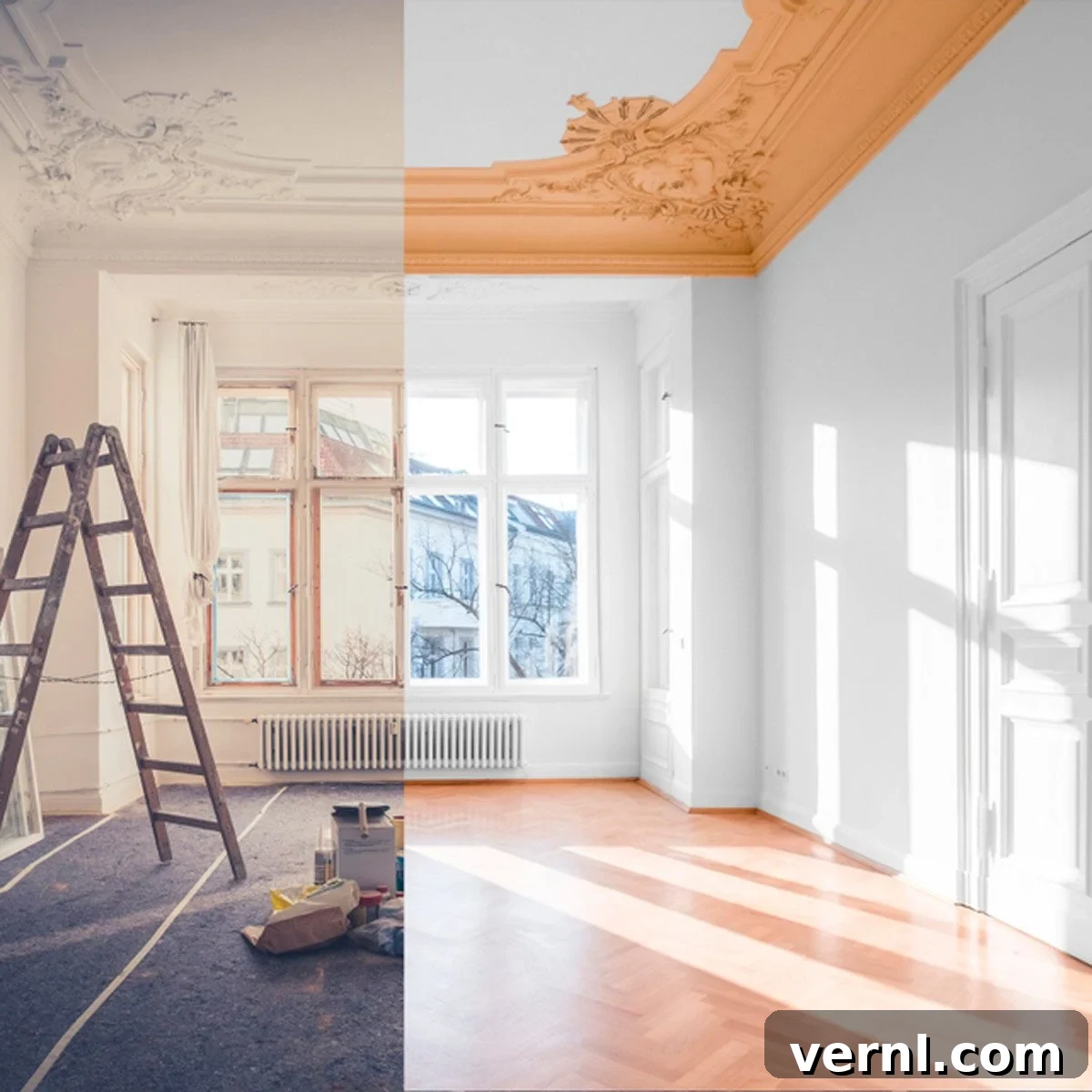
Renovating an Old House: Unveiling the Pros and Cons of a Fixer-Upper Dream
The allure of an old house can be irresistible. Perhaps you’ve stumbled upon a charming property with incredible character, nestled in a mature neighborhood, brimming with potential. You see past the faded paint and the outdated fixtures, envisioning your perfect home brought to life through a thoughtful renovation. While the prospect of transforming a fixer-upper into your dream dwelling is exciting, it’s crucial to approach such an investment with a clear understanding of what lies ahead. Buying an older property with the intention to renovate can be a deeply rewarding endeavor, offering a unique opportunity to create a personalized space steeped in history. However, it also comes with its own set of challenges and potential pitfalls. Before you commit to this significant undertaking, let’s explore the key advantages and disadvantages of renovating old houses.
Making an informed decision requires thorough research and a realistic perspective on both the financial commitment and the time investment involved. A critical first step is always a comprehensive home inspection. These 12 tips will help you get the most out of your home inspection, ensuring you uncover as many potential issues as possible before signing on the dotted line. Understanding the scope of work upfront will prepare you for the journey ahead, whether it’s a smooth ride or a challenging adventure.
The Undeniable Pros of Renovating an Old House
Embracing an older property for renovation offers a distinct set of benefits that often appeal to those looking for something beyond the cookie-cutter designs of new builds. From financial advantages to the sheer joy of preserving history, these homes present unique opportunities.
1. Greater Affordability and Investment Potential
One of the most attractive aspects of purchasing an older home, especially a fixer-upper, is the typically lower initial purchase price. These properties are often listed significantly below comparable, move-in-ready homes in the same desirable areas. This lower entry point allows buyers to acquire real estate in prime locations that might otherwise be out of reach. By investing time and resources into renovations, you’re not just creating your ideal living space; you’re actively building equity. If you possess the skills and dedication to tackle some of the renovation work yourself, you can save thousands of dollars on labor costs, further maximizing your return on investment. Even with professional help, a well-executed renovation can dramatically increase the property’s market value, turning your initial investment into a substantial asset in the long run. Thoughtful upgrades, particularly in kitchens and bathrooms, tend to yield the highest returns.
Strategic planning is key to optimizing your budget. Here are 32 ways to save during a remodel, helping you stretch your renovation budget further without compromising on quality or vision. Smart material choices, careful project management, and a willingness to get hands-on can make a significant difference to your bottom line.
2. Abundant Character and Unique Architectural Details
Unlike many modern homes that can sometimes feel generic, old houses boast an inherent charm and personality that is simply unparalleled. They often feature exquisite craftsmanship and architectural details that are rare or incredibly expensive to replicate today. Imagine discovering original hardwood floors beneath worn carpets, intricate crown moldings, decorative trim work, elegant banisters, or charming built-in cabinetry. These elements tell a story, reflecting the architectural styles and craftsmanship of a bygone era. Even quirky original light fixtures or unique hardware contribute to the home’s distinctive identity. When you renovate, you have the incredible opportunity to preserve these timeless features, integrating them seamlessly with contemporary updates. This blend of old and new creates a home that is truly one-of-a-kind, celebrating its history while adapting to modern living standards. It allows you to infuse your personal style without erasing the soul of the house, resulting in a living space that feels authentic and deeply personal.
While character is highly desirable, it’s also wise to consider which renovations truly enhance the home and which might detract from its unique appeal. Some updates, if not carefully considered, could lead to regret. These are the 12 home renovations you’ll likely regret later, offering valuable insights into common missteps.
3. Enduring Quality and Solid Construction
One of the most reassuring aspects of older homes is their fundamental construction. Many houses built decades, or even centuries, ago were erected with a focus on durability and resilience. Craftsmen often used high-quality, robust materials and construction techniques designed to withstand the test of time and local climate conditions. While interior components like plumbing and electrical systems undoubtedly require updating to meet modern safety standards and efficiency demands, the core structure of an old home – its foundation, framing, and load-bearing walls – is often incredibly solid. This inherent structural integrity means you’re often starting with a sturdy framework, allowing you to focus your renovation efforts on cosmetic improvements and essential system upgrades rather than fundamental structural overhauls. This can provide a significant advantage over newer constructions where cost-cutting measures might have led to less robust foundational elements.
However, even with a strong foundation, an in-depth home inspection is paramount to confirm its condition and identify any long-term issues that may have developed. Understanding the building blocks of your potential home ensures you’re prepared for any necessary repairs or enhancements.
The Significant Cons of Renovating an Old House
While the romantic notion of renovating an old house is captivating, it’s essential to face the realities of potential complications. These challenges can range from unexpected financial burdens to unforeseen delays, making careful planning and a robust contingency fund absolutely critical.
1. Potentially Steep and Unforeseen Renovation Costs
The dream of a renovated old house can quickly turn into a financial nightmare if not properly budgeted. While the purchase price may be lower, the cumulative cost of renovations can often surpass initial estimates, sometimes significantly. Some of the most expensive and extensive projects often involve critical infrastructure. Replacing an aging roof, undertaking foundation repairs, upgrading outdated electrical wiring to meet modern codes, and completely overhauling antiquated plumbing systems can incur substantial costs. Furthermore, enhancing energy efficiency often means a complete HVAC system update, which is another major expenditure.
The unpredictable nature of old homes means that opening a wall can reveal anything from minor damage to widespread structural issues, leading to costlier repairs and modifications. A thorough pre-purchase inspection is non-negotiable, providing a clearer picture of potential major expenses. However, even the most meticulous inspection cannot account for every hidden problem. It is always wise to allocate a significant contingency fund, typically 15-20% of your total renovation budget, to cover these inevitable surprises.
Careful planning is crucial to managing these costs effectively. Check out these 20 tips for planning a successful house remodel, focusing on budgeting, contractor selection, and project management to help keep your finances in check.
2. The Presence of Hazardous Materials
One of the most serious health and financial concerns in old homes is the potential presence of hazardous building materials. Materials such as lead paint and asbestos were commonly used in construction prior to the late 1970s and early 1980s. Lead paint, often found on walls, trim, and windows, can chip and create dust, posing a severe health risk, especially to children. Asbestos, frequently used in insulation, flooring, roofing, and pipe wrap, becomes dangerous when disturbed, releasing microscopic fibers into the air that can cause serious respiratory illnesses.
Identifying and safely removing or encapsulating these materials requires specialized training and equipment. Attempting DIY removal is highly dangerous and illegal in many jurisdictions. Professional abatement services are necessary to ensure the health and safety of occupants, but these services come at a premium. The cost of dealing with lead and asbestos can add tens of thousands of dollars to your renovation budget, significantly increasing the overall project expense. Neglecting these issues is not an option, as it poses long-term health risks and potential legal liabilities.
3. Unpredictable Timelines and Project Delays
While renovating any home can experience delays, working on an old house often magnifies this challenge. Older homes are rarely built to modern standardized measurements, and their unique construction can make straightforward tasks surprisingly complex. What appears to be a simple wall removal could uncover unexpected load-bearing structures, or rerouting plumbing might reveal intricate, undocumented pipe networks. These “unforeseen surprises” are almost a certainty in old house renovations.
Each discovery can necessitate a halt in work, requiring new plans, additional permits, sourcing specialized materials, or bringing in different tradespeople. This domino effect invariably leads to extended project timelines, pushing back completion dates by weeks or even months. Such delays not only prolong the disruption to your life but also typically increase labor costs and potentially material prices, putting additional strain on your budget. Managing expectations, maintaining open communication with your contractors, and building flexibility into your schedule are essential for navigating the often-bumpy road of old home renovation.
Conclusion: Weighing Your Options for an Old House Renovation
Embarking on an old house renovation journey is not for the faint of heart, but for many, the rewards far outweigh the challenges. The decision to buy and renovate a historic or character-filled property is a deeply personal one, requiring a balance of passion, patience, and practicality. You have the chance to own a piece of history, to create a home with unmatched character, and potentially make a sound financial investment as property values increase with thoughtful improvements.
However, it is vital to enter this process with your eyes wide open to the potential downsides. Be prepared for higher-than-anticipated costs, the complexity of dealing with hazardous materials, and the almost guaranteed presence of unexpected issues that can extend timelines and test your resolve. The key to a successful renovation lies in meticulous planning, thorough inspections, a realistic budget that includes a healthy contingency, and working with experienced professionals who understand the nuances of older structures. By carefully weighing the pros and cons, you can transform that charming fixer-upper into the perfect, enduring home you’ve always envisioned, celebrating its past while embracing its future.