Author: Reuben Saltzman, Structure Tech Home Inspections
Unmasking the Reality of Flipped Homes: A Comprehensive Buyer’s Guide
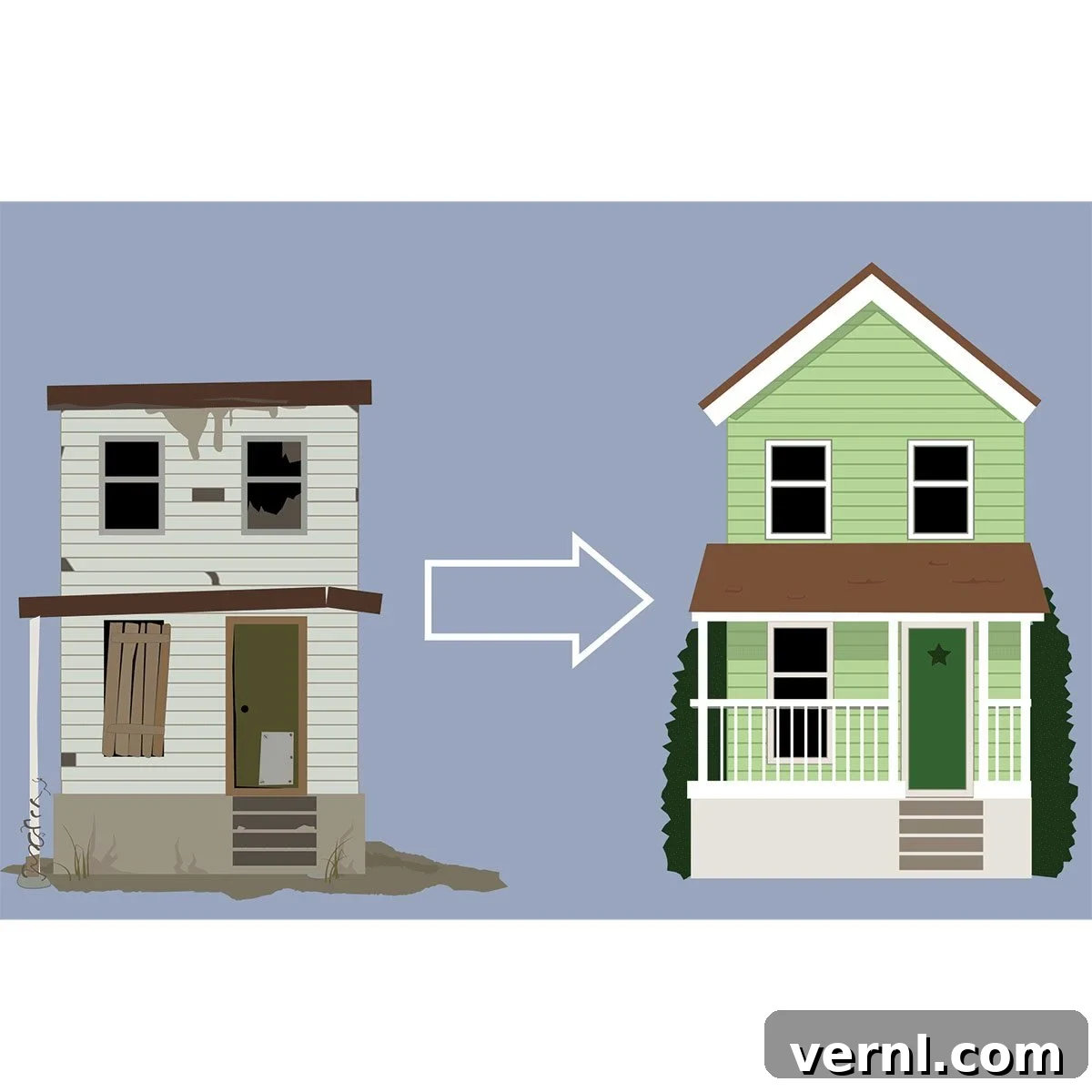
The allure of a newly renovated home can be incredibly powerful. Imagine walking into a house that boasts a gleaming new kitchen, updated bathrooms, fresh paint, and sparkling floors – all the hard work seemingly done for you. This is the promise of the flipped house, a property purchased by investors, given a rapid cosmetic makeover, and then placed back on the market with the aim of a quick profit. While the surface might appear flawless and inviting, a critical question often lingers: what lies beneath the shiny veneer of new drywall, plush carpet, and vibrant paint?
For many prospective homeowners, the trust factor with flipped properties is remarkably low. And for good reason. Over years of meticulous home inspections, I’ve witnessed countless instances of ‘cheesy repairs,’ ‘cover-ups,’ and outright shortcuts that can turn a buyer’s dream into a costly nightmare. Many home flippers, particularly those focused on speed and minimal investment, tend to employ similar strategies. In fact, these patterns are so prevalent that I can often predict the common issues in a flipped house without even knowing its address. Let’s embark on a detailed walk-through of what you might truly be buying when you consider a flipped home.
Interior Delusions: Beyond the Fresh Paint
From a superficial glance, the interior of a flipped house often looks impeccable. The kitchen usually features new or freshly painted cabinets, modern stainless steel appliances, luxurious granite countertops, and a chic tiled floor. Bathrooms are frequently completely redone, and it’s common to find new bathrooms added in the basement or on an upper floor, presenting beautifully. Throughout the entire home, you’ll likely see brand-new carpeting, a fresh coat of paint, contemporary light fixtures, and updated outlets and switches. In some cases, even the windows might appear new.
However, the real story often begins to unfold when you take a closer, more discerning look. Don’t be surprised to discover tell-tale signs of haste and cost-cutting. Kitchens might suffer from poorly designed layouts, such as cabinet doors or drawers that are obstructed by adjacent units, making them impractical. Unfilled nail holes, stray paint drips, or appliances installed without proper electrical outlets are not uncommon. Countertops or base cabinets, though visually appealing, may be loose or improperly secured, posing a future hazard or requiring immediate re-installation. These seemingly minor details are often indicators of a rushed renovation where attention to detail was sacrificed for speed.
In bathrooms, vanity cabinets are frequently undersized for the space, a common consequence of flippers purchasing ‘special buy’ vanity, top, and faucet combos on sale from whatever home improvement store offered the best deal. This leads to awkward aesthetics and wasted space. Similarly, newly installed handrails, while looking modern, can sometimes be dangerously flimsy. I’ve encountered several instances in flipped homes where handrails were merely anchored into drywall, offering no structural support whatsoever. A firm tug could easily pull them clean off the wall, creating a serious safety risk, especially for children or the elderly.
Electrical: A Rare Area of Relative Reliability
One area where flipped houses often show surprising competence is the electrical system. It’s quite common to find a brand new circuit breaker panel installed in the basement, replacing an antiquated 60-amp fuse panel. These new panels typically bear a state electrical inspection sticker, and everything generally appears to be in good order. In my experience, I don’t often uncover significant electrical code violations in flipped properties. Even the most aggressive home flippers usually understand the severe risks associated with shoddy electrical work. The fear of fire, which could lead to significant financial loss and legal repercussions, tends to ensure they either hire qualified professionals or at least ensure these critical systems meet basic safety standards.
While major wiring issues are less frequent, it’s still prudent for buyers to ensure modern safety features like Ground Fault Circuit Interrupters (GFCIs) in wet areas (kitchens, bathrooms, outdoors) and Arc Fault Circuit Interrupters (AFCIs) in living spaces are present and functional. A new panel is a good sign, but the integrity of the branch wiring throughout the house should still be verified by a professional inspector to ensure all connections are secure and up to code, minimizing any potential for future electrical hazards.
Heating Systems: The Hidden Hazard
The heating system in a flipped home is often a critical area for concern. It’s not uncommon to find an old, inefficient, and potentially unsafe heating system that has long surpassed its expected lifespan. Flippers, aiming to avoid the significant cost of replacement, may provide documentation from ‘their guy’ – a heating contractor you’ve never heard of – declaring the system safe. This should immediately raise a red flag. I’ve come across numerous ‘heating safety check’ forms that were, frankly, worthless. These documents often attest to the safety of furnaces or boilers that are actually producing dangerously high levels of carbon monoxide.
In one particularly alarming case, a home flipper outright dismissed my findings, claiming my carbon monoxide detection equipment was faulty. After a prolonged dispute, the flipper reluctantly agreed to have the gas company perform their own test. Unsurprisingly, the gas company promptly ‘red-tagged’ the heating plant, shutting it down due to unsafe carbon monoxide levels. This incident underscores the vital importance of seeking an independent, reputable HVAC inspection, especially if the existing system appears old or if you have any doubts about its documentation.
Alternatively, if the heating system was completely replaced, that’s generally a positive sign. However, even new installations warrant careful scrutiny. A common issue arises if the flipper ran the furnace’s blower fan during drywall sanding. This can result in the interior of the furnace, particularly the blower fan blades, becoming completely caked in a thick layer of drywall dust. This isn’t just an aesthetic issue; accumulated dust severely restricts airflow, reduces heating efficiency, and can even become a fire hazard. A thorough inspection will reveal this, and a professional cleaning will be necessary to ensure optimal and safe operation of the new system.
Furthermore, if the home was originally heated by a boiler, flippers often opt to remove the entire radiant system (pipes and radiators) and convert to a forced-air system. This is typically done because it is significantly less expensive than repairing or replacing an existing, complex boiler system. While not inherently problematic, buyers should ensure the conversion was done correctly, with appropriately sized ductwork and proper sealing to prevent energy loss and ensure consistent heating throughout the home. Any unpermitted HVAC work could also lead to issues down the line.
Air Conditioning: Seasonal Extremes
The condition of the air conditioning system in a flipped house often depends entirely on the season it’s being sold. If the property is listed during the colder winter months, there’s a high probability that the AC unit is very old, inefficient, and potentially non-functional. Flippers avoid replacing or repairing it because it won’t impact a winter sale. Conversely, if the house is sold during the heat of summer, the AC unit will almost invariably be brand new, running efficiently to keep the house comfortably cool. My observations consistently fall into one of these two extremes, with very little in-between. Buyers should test the AC rigorously if buying in warmer months, or factor in the cost of a potential replacement if buying during winter when the system cannot be adequately assessed.
Structural Integrity: Less Common Concerns
Among all potential issues, structural integrity is often the paramount concern for home buyers, especially when considering a flipped property. There’s a common perception that flippers might conceal significant structural defects to save costs. However, I can offer a surprising reassurance on this front. Despite buyer expectations, my inspections reveal that flipped houses do not, on average, present more structural problems than other homes on the market. Major structural repairs are exceptionally costly and time-consuming, eating severely into a flipper’s profit margin. Therefore, most flippers tend to avoid houses with obvious major structural issues altogether. They typically opt for properties where cosmetic enhancements yield the greatest return on investment, rather than those requiring extensive foundation or framing work.
That being said, a thorough home inspection should always include a detailed assessment of the foundation, framing, and load-bearing elements. While less frequent, superficial cosmetic fixes can sometimes mask minor settlement cracks or water intrusion signs that, if left unaddressed, could evolve into more serious structural concerns over time. Always remain vigilant and prioritize a professional structural evaluation as part of your due diligence.
Plumbing Perils: Drains of Doubt
When it comes to plumbing, there’s a distinct difference between the water distribution pipes and the drain lines in a flipped home. The water distribution pipes (supplying fresh water) are typically found to be in acceptable condition or, in some cases, have been recently replaced. Issues here are less common because leaks are usually obvious and would deter buyers. However, the drain lines tell a completely different and often problematic story. Since no one has lived in the house yet, hidden leaks and clogged drains often go unnoticed until the new homeowners move in and begin using the plumbing fixtures regularly.
Old steel drain lines, especially those serving the kitchen sink, are frequently clogged with years of grease and debris buildup, even if they appear clear during a quick visual check. These blockages can lead to slow drainage or complete backups shortly after occupancy. It’s also alarmingly common to find that newly installed plumbing fixtures, particularly in kitchens and bathrooms, leak significantly when filled with water and then drained. This usually points to hurried or improper installation and cheap materials.
Another prevalent issue, especially in homes with newly added basement bathrooms, is drain backup. You might find floor drains, basement showers, or even basement sinks backing up with water when plumbing fixtures on the upper levels are filled and drained. This indicates a serious main drain line blockage or an improperly configured drainage system that cannot handle the simultaneous flow. I specifically recall inspecting a flipped house in New Hope where the brand-new basement bathroom sink consistently backed up under such conditions, clearly signaling a deeper plumbing issue.
Finally, tiled shower floors are notorious for leaking in flipped houses. My conservative estimate is that at least half of them develop leaks. This problem is often due to improper waterproofing techniques or rushed tiling work. The consequences of these leaks can be severe, leading to extensive water damage, rot, and mold growth in the subfloor and ceiling below. I vividly recall an inspection in Minneapolis where both tiled shower floors in a flipped home leaked profusely. The buyers, understandably, decided against purchasing the house before I even completed the inspection. These plumbing issues represent significant potential costs and headaches for unsuspecting buyers and highlight the need for a thorough water test during inspection.
Roofs: A Costly Omission
The roof is another area where flippers frequently cut corners to protect their profit margins. It’s very common to find shingles on the roof in poor condition – patched sections, significant deterioration, or materials that are simply at the very end of their life expectancy. Replacing a roof covering is an exceptionally expensive undertaking, often costing tens of thousands of dollars. Crucially, a new roof typically doesn’t add significant aesthetic appeal or directly boost the perceived ‘value’ of the house in the same way a new kitchen or bathroom does. Therefore, if the roof isn’t actively leaking, many flippers will choose to leave it untouched, despite its dilapidated state. While I can’t entirely blame them from a pure business perspective, it undeniably transfers a substantial, immediate cost burden onto the unsuspecting buyer. A comprehensive roof inspection by a qualified professional is critical, and any necessary roof replacement costs should be factored into your offer or negotiated with the seller.
Insulation: An Unseen Neglect
The insulation in the attic of a flipped house is typically an overlooked element. Often, it hasn’t been touched in a long time and may even be original to the home, meaning it’s outdated and provides insufficient thermal resistance. Improving attic insulation is a crucial step for energy efficiency and home comfort, but it’s an invisible upgrade. Flippers don’t see a tangible return on their investment for new insulation because it doesn’t enhance the visual appeal or directly contribute to a higher sale price. Consequently, buyers should not expect any improvements in this area. Inadequate insulation leads to higher energy bills, uncomfortable indoor temperatures, and potential issues with ice dams in colder climates. A home inspection should always include an assessment of the attic insulation, and buyers should be prepared to budget for its improvement post-purchase.
Exterior: The Unfinished Story
The exterior of a flipped house is often a showcase for shoddy workmanship and superficial repairs. Original wood windows, for instance, are frequently replaced with vinyl inserts. While the new vinyl might look good, the old, rotting wood frames and sills at the exterior are often left in place, merely covered with a fresh coat of paint. In other cases, flippers might attempt a quick ‘wrap’ of the windows with aluminum, often leaving significant sections of rotted wood still exposed and vulnerable to further deterioration. These quick fixes do not address the underlying issues of rot, moisture intrusion, or proper sealing, leading to future maintenance headaches and energy loss for the buyer.
Basement windows are another common area for visible cut corners. Flippers frequently replace old, inefficient basement windows with whatever standard-sized window was readily available or on sale. This often results in a gap between the new window frame and the existing opening, which is then sloppily filled with clear pine, plywood, or other unsuitable materials. This “making up the difference” with mismatched wood is, at best, a sign of poor craftsmanship. It not only looks unappealing but also creates vulnerabilities for water intrusion, drafts, and pest entry.
Some exterior siding repairs can even be comical in their inadequacy. I once found a hole in the siding of a recently flipped home that had been “repaired” with a coffee can lid – a clear testament to extreme cost-cutting and a complete disregard for proper building practices. Such repairs are not weatherproof, structural, or durable, and they speak volumes about the overall quality of the renovation.
Furthermore, while a thin layer of new wood chips or fresh landscaping might surround the house, it often masks a critical underlying problem: improperly pitched soils around the foundation. This poor grading prevents rainwater from draining away from the house, directing it instead towards the basement walls. This significantly increases the risk of a wet basement, foundation damage, and mold growth. Buyers should plan to re-grade the soil immediately to protect their investment. Lastly, the chimney often suffers from neglected maintenance, exhibiting missing mortar and cracks in the crown. These issues allow water penetration, accelerate deterioration, and can compromise the chimney’s structural integrity. Hiring a qualified professional for chimney repair is essential to prevent these problems from worsening and becoming more costly.
Conclusion: The Imperative of Vigilance in Flipped Home Purchases
The issues detailed above represent a broad generalization of the defects I frequently encounter during home inspections of flipped properties. It’s crucial to understand that these observations are drawn from common patterns, not absolute rules. Was my assessment close to your recent experience? If you’ve just viewed a flipped house and genuinely found none of these potential red flags, you might have stumbled upon a true gem – and I’d say, confidently, buy the house!
The reality is that not all flipped houses are created equal. While some are in remarkably poor shape beneath their glossy exterior, others can be pristine, a testament to quality craftsmanship and ethical renovation practices. It’s important to acknowledge that there are many reputable home flippers who are committed to high-quality construction work. I’ve had the pleasure of working with several such individuals, including my friend Andy Blessing, whose company occasionally flips houses. I would personally be perfectly confident in buying any house he has flipped, knowing that his work is honest, thorough, and of excellent quality. There are indeed plenty of good contractors and investors who perform excellent work, delivering true value to buyers.
However, it’s the prevalence of those who cut corners, prioritize speed over quality, and focus solely on cosmetic appeal that, unfortunately, gives the entire home-flipping industry a challenging reputation. For prospective home buyers, the key takeaway is unwavering vigilance. The attractiveness of a newly renovated space should never overshadow the necessity of due diligence. A comprehensive, independent home inspection by a qualified professional is not just advisable; it’s an absolutely essential investment. This crucial step empowers you with the knowledge needed to make an informed decision, negotiate effectively, or even walk away from a potentially problematic purchase, ensuring your dream home doesn’t become a financial burden. Arm yourself with information, scrutinize beyond the surface, and ensure your investment is sound.