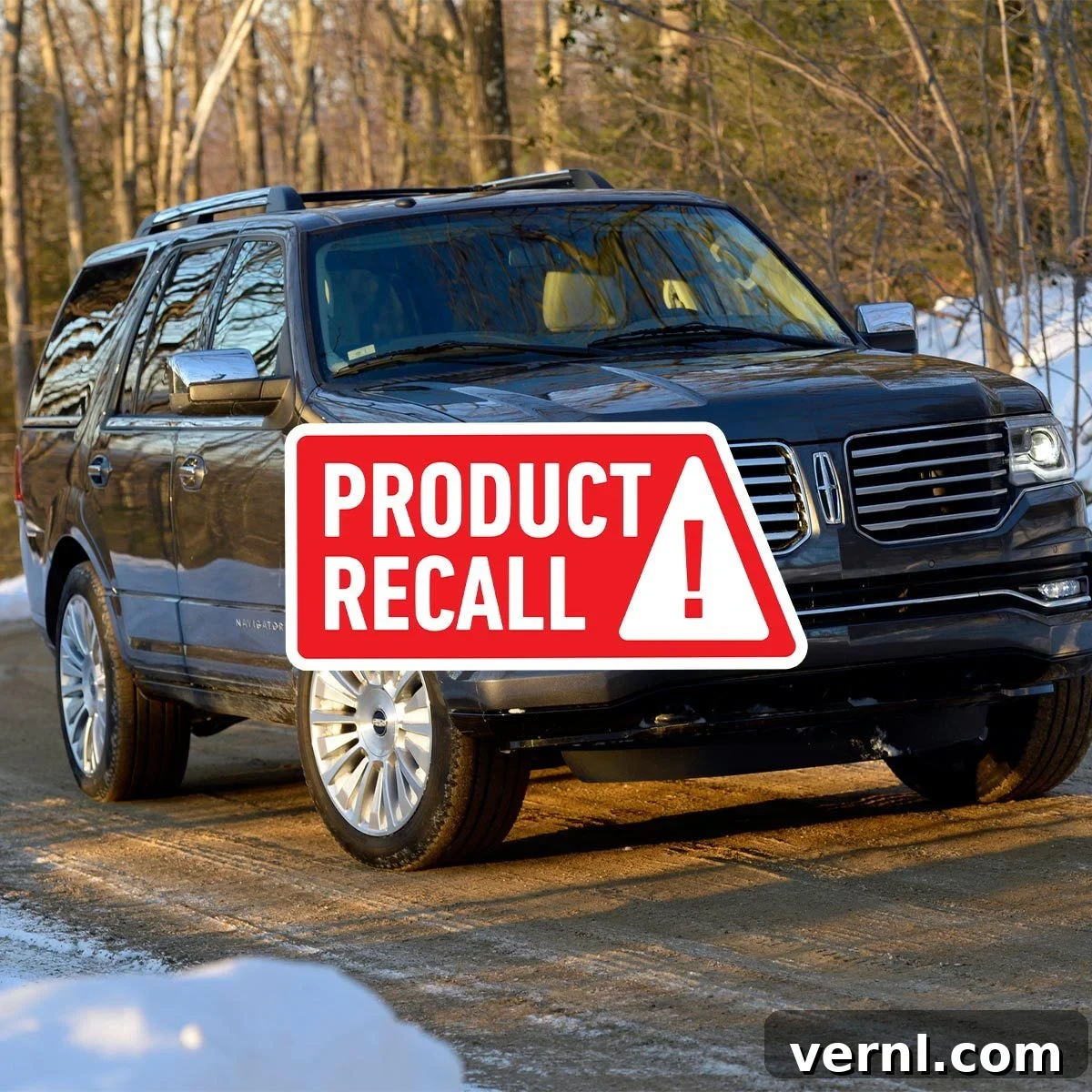
In the complex machinery of modern vehicles, drivers often take for granted the consistent and reliable operation of many components. Among these, the myriad of LED lights found throughout cars are expected to function flawlessly with minimal intervention. It’s an unspoken agreement: a light might eventually fail, but its failure should be a simple cessation of function, not, for instance, a risk of fire. Unfortunately, a recent announcement from Ford has brought this expectation into sharp focus for thousands of drivers.
Ford has initiated a significant recall affecting tens of thousands of its vehicles. The reason behind this recall is a critical safety concern: faulty wiring within the LED lighting system, which poses an increased risk of fire. This proactive measure underscores the automotive industry’s commitment to vehicle safety, even as it highlights potential manufacturing defects that can arise. For owners of affected vehicles, understanding the details of this recall, including which models are impacted and the necessary steps to take, is paramount. This article aims to provide a comprehensive overview of the Ford LED light recall, ensuring drivers are well-informed and can act swiftly to mitigate any potential dangers.
Understanding Vehicle Recalls: A Proactive Safety Measure
Vehicle recalls are a fundamental aspect of consumer protection in the automotive industry. They represent a manufacturer’s commitment to safety, often initiated in cooperation with regulatory bodies like the National Highway Traffic Safety Administration (NHTSA) in the United States. A recall occurs when a manufacturer or the NHTSA determines that a vehicle model, or specific components within it, present an unreasonable safety risk or fail to meet federal safety standards. This can range from minor issues to critical defects that could lead to serious injury or death.
The process typically begins with either internal testing by the manufacturer, customer complaints, or investigations by safety agencies. Once a defect is identified and confirmed, the manufacturer is obligated to notify affected vehicle owners and provide a remedy, usually free of charge. While a recall can be a cause for concern, it’s ultimately a positive indicator of a system designed to protect drivers and passengers. Ignoring a recall notification can have severe consequences, making prompt action essential for vehicle owners.
Ford’s Recall Specifics: Which Lincoln Navigators Are Affected?
The current Ford recall targets a specific segment of its luxury SUV lineup, impacting certain model years of the esteemed Lincoln Navigator. According to the official report issued by the National Highway Traffic Safety Administration, this recall encompasses 2015, 2016, and 2017 model year Lincoln Navigators. These popular full-size luxury SUVs, known for their comfort and advanced features, are now under scrutiny due to the aforementioned lighting issue.
The total number of vehicles identified in this recall is substantial, with 35,328 units potentially affected across these three model years. For owners of these specific Lincoln Navigators, it’s crucial to be aware that official notification letters from Ford have either been sent or are in the process of being delivered. These letters typically contain detailed information regarding the specific recall, including the VIN (Vehicle Identification Number) of the affected vehicle and instructions on how to proceed. While the original expectation was for letters to arrive by the end of March, owners who haven’t received one by now should proactively check their vehicle’s status using their VIN on the NHTSA website or by contacting Ford customer service directly. This proactive check ensures that no affected vehicle remains unaddressed, safeguarding the well-being of its occupants.
Unpacking the Issue: The Root Cause of the Fire Risk
Understanding the technical specifics behind a recall is vital for appreciating the potential risks involved and the necessity of the repair. For the affected Lincoln Navigators, the core problem lies within their exterior mirror assemblies, specifically concerning the integrated LED logo lamps. These lamps, often referred to as puddle lights or welcome lights, typically project the Lincoln logo onto the ground when the doors are unlocked or opened, adding a touch of luxury and convenience. However, in this instance, their design and construction present a serious safety hazard.
Faulty Exterior Mirror Assemblies and LED Logo Lamps
The NHTSA report details that the light-emitting diode (LED) logo lamps, which are housed within both the driver and passenger side exterior mirror assemblies, are susceptible to a critical malfunction. The primary concern is their tendency to “short circuit without tripping the short detection threshold.” This particular phrasing is crucial; it means that the electrical system in the vehicle may not register the short circuit as an anomaly, thus failing to cut power to the faulty component. This undetected short circuit allows electrical current to flow uncontrollably, generating excessive heat—a direct precursor to a fire.
The Critical Role of Potting Material Failure
The root cause of this short-circuiting issue traces back to a defect in the manufacturing process of the LED logo lamps. Specifically, the potting material—a protective compound used to encapsulate electronic components and shield them from moisture, vibration, and contaminants—did not properly adhere to the wiring. This improper adhesion created minuscule, yet critical, gaps or voids within the lamp’s structure. These gaps serve as vulnerable entry points where water or other conductive fluids, such as road salt solutions, can penetrate. Once inside, these fluids come into contact with the LED lamp’s printed circuit board (PCB), initiating a process of corrosion. Over time, as corrosion progresses, it can bridge electrical pathways, leading directly to the aforementioned short circuit. This seemingly minor manufacturing flaw thus sets off a chain reaction that culminates in a significant fire risk.
Grave Implications: Understanding the Fire Hazard
The potential for a vehicle fire is one of the most serious safety concerns a driver can face. An electrical short circuit within the mirror assembly can generate intense heat, potentially igniting nearby plastic components, wiring insulation, or even interior materials. Vehicle fires can spread rapidly, leading to extensive property damage—often resulting in a total loss of the vehicle—and, more critically, posing a severe threat of personal injury or fatality to occupants. The fact that the short circuit may go undetected by the vehicle’s electrical system makes this hazard particularly insidious, as there might be no immediate warning signs before a fire actually starts or before significant damage has occurred. This grave implication underscores why immediate attention to this recall is not just advisable, but absolutely essential for the safety of Lincoln Navigator owners and their passengers.
Taking Action: What Lincoln Navigator Owners Must Do
If you own a 2015-2017 Lincoln Navigator, taking prompt and decisive action regarding this recall is paramount for your safety and peace of mind. Ford and Lincoln have outlined a clear process to address the issue, ensuring that all affected vehicles can be serviced efficiently and free of charge.
Confirming Your Vehicle’s Recall Status
The first and most critical step is to confirm if your specific vehicle is indeed part of this recall. Even if you haven’t received a physical recall letter, it’s wise to verify. You can easily do this by visiting the official NHTSA recalls website (NHTSA.gov) and entering your vehicle’s 17-digit Vehicle Identification Number (VIN). Alternatively, you can visit the Ford or Lincoln recall websites and use their VIN lookup tools. This will provide an immediate and accurate status regarding any open recalls associated with your vehicle.
Scheduling Your Free Recall Service
Once you confirm your Lincoln Navigator is affected, the next step is to contact your nearest authorized Ford or Lincoln dealership. You will need to schedule an appointment for the recall service. It is important to reiterate that this repair will be performed completely free of charge, regardless of your vehicle’s warranty status or age. The corrective action prescribed by Ford involves a straightforward process: technicians at the dealership will disconnect the wire leading to the problematic LED logo lamp. This simple procedure effectively eliminates the power supply to the potentially faulty component, thereby removing the risk of a short circuit and subsequent fire hazard. The service should be relatively quick, and dealerships are typically well-prepared to handle recall appointments efficiently.
Reimbursement for Prior Repairs
Ford has also made provisions for owners who may have already addressed this specific issue prior to the official recall announcement. If you previously paid out-of-pocket to repair or replace your exterior mirror LED logo lamps due to issues related to this defect, you may be eligible for reimbursement. To inquire about eligibility and the process for submitting a reimbursement claim, you should contact Ford customer service directly. It’s advisable to have any relevant receipts or proof of repair readily available when you make this inquiry.
Key Contact Information
For additional information, to clarify any details, or to set up an appointment for your Lincoln Navigator to be serviced, you can reach out to Ford customer service. The dedicated contact number for recall-related inquiries is 866-436-7332. When contacting them, it is helpful to reference Ford’s specific number for this recall, which is 25S08. Providing this number will help the customer service representative quickly identify the recall and assist you more efficiently. Do not delay in taking these necessary steps to ensure the safety of your vehicle and its occupants.
Ford’s Commitment to Safety and Consumer Trust
Automotive recalls, while inconvenient, are a testament to the ongoing commitment manufacturers have to safety and continuous improvement. Ford, like other leading automakers, operates under strict regulatory oversight and internal quality controls designed to identify and rectify potential safety defects. This recall, affecting the Lincoln Navigator’s LED lighting system, reflects a transparent approach to addressing identified issues and upholding consumer trust. By promptly announcing and providing a free remedy, Ford aims to ensure the long-term safety and satisfaction of its customers, reinforcing the critical message that vehicle safety remains paramount.
In conclusion, the Ford recall concerning the 2015-2017 Lincoln Navigator LED logo lamps is a serious safety matter that demands immediate attention from affected owners. The risk of fire due to faulty wiring and potting material failure is a significant concern that should not be overlooked. By verifying your vehicle’s recall status, scheduling the free repair service at an authorized dealership, and utilizing the provided contact information, you can effectively eliminate this hazard and restore your confidence in your vehicle’s safety. Your proactive response is crucial for your well-being and the integrity of your Lincoln Navigator.
Source
NHTSA.gov: “Exterior Mirror LED Lights May Cause Fire” (2025)