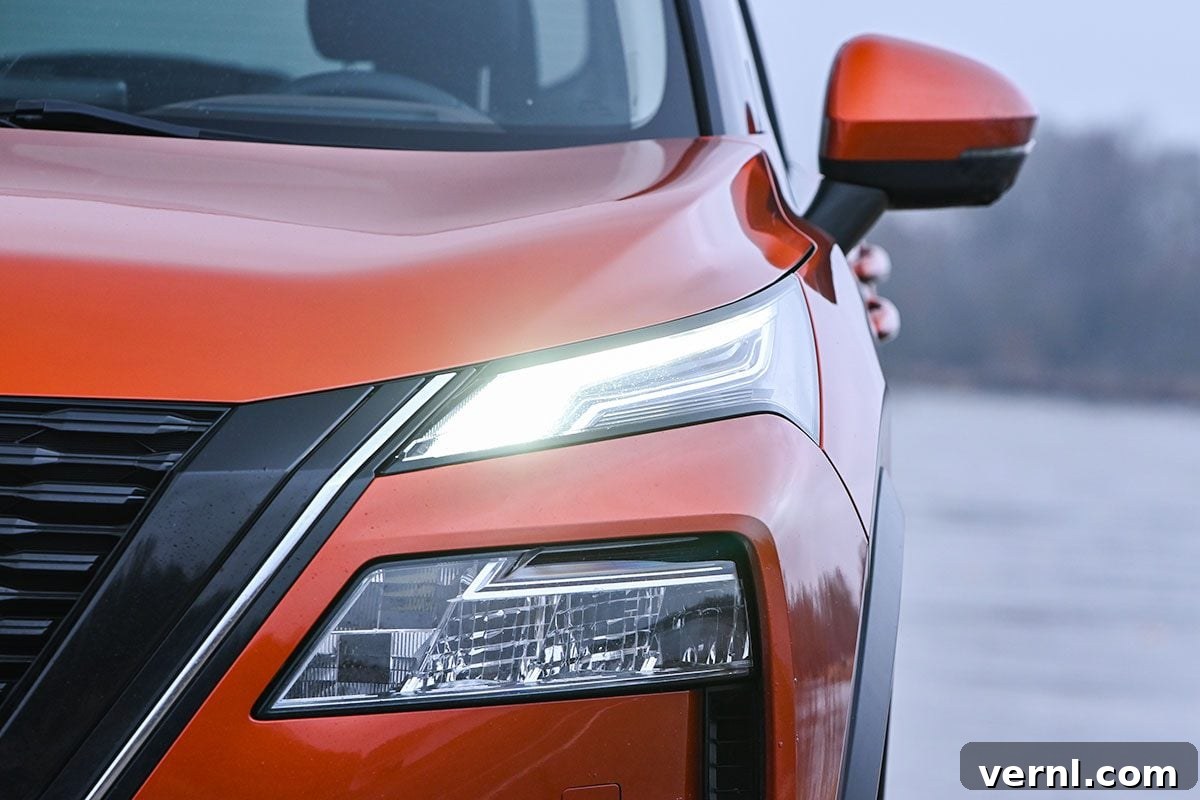
I have been driving and working on cars since before I had a driver’s license. In nearly 60 years behind the wheel and under the hood, I’ve watched vehicle safety and technology evolve dramatically. Cars today are far more computerized, efficient, and reliable, with advanced driver assistance systems and cleaner powertrains. One notable and sometimes controversial change has been the widespread adoption of LED headlights.
LED headlights are a leap forward for nighttime visibility. They produce whiter, crisper light that lights the road more effectively, improving reaction times and overall safety. At the same time, their intense output can create glare that affects oncoming drivers—especially older drivers or those with eye sensitivity. Below, experts and research explain how LED headlight technology improves driving conditions while also introducing new glare-related challenges, and what drivers can do about it.
All “Light” Measurements Aren’t the Same
Understanding a few basic light measurements helps explain why some headlights feel brighter than others:
- Lumens measure the total light output from a source in all directions and are useful when comparing bulbs.
- Candela (often discussed as candlepower) measures light intensity in a specific direction and is relevant to beam strength.
- Kelvin (K) measures color temperature—how warm or cool the light appears—so it’s not a measure of brightness. For reference, midday sunlight is around 5500 K.
Why LED Headlights Seem Brighter
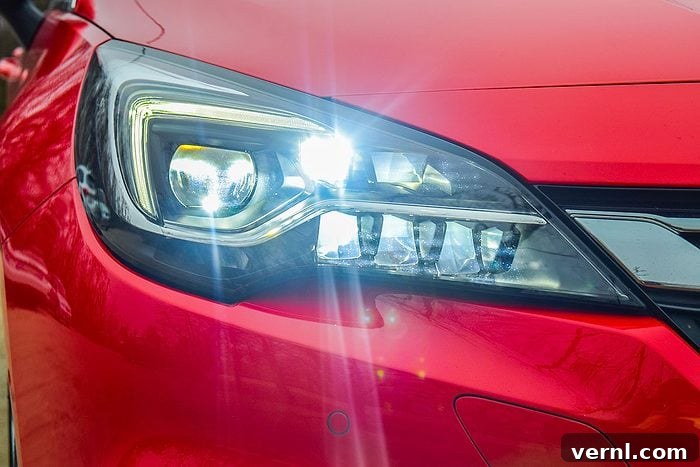
LED headlights produce a tighter, more focused white beam that resembles daylight. Even when lumen output is comparable to older technologies, the tighter beam and higher color temperature make LEDs appear dramatically brighter. Some LED systems reach very high color temperatures, which helps illuminate signs and road surfaces but can also increase perceived glare for drivers facing the beam.
Why LEDs Became Standard
Manufacturers moved to LEDs because they are compact, energy-efficient, and long-lasting. LEDs reduce power consumption compared with halogen bulbs and generate less heat, allowing automakers to create sleeker headlamp assemblies and more aerodynamic vehicle designs. That efficiency supports better fuel economy and integrates well with modern vehicle electrical systems.
How LEDs Work Versus Older Headlights
LEDs produce light by driving current through semiconductors (diodes) that emit photons through electroluminescence. Halogens and traditional incandescent bulbs create light by heating a tungsten filament, which wastes much of the electrical energy as heat. HID lights create light via an electrical arc in a gas capsule and sit between halogens and LEDs in brightness and color temperature.
- Halogen: Typically 700–1,200 lumens, warmer color (~3,200K).
- HID: Often 3,000–4,500 lumens, whiter color (4,300K–6,000K).
- Incandescent sealed: 700–1,200 lumens, warm color (2,700–3,000K).
Why LED Light Feels Harsher
Modern headlamp assemblies use precise optics to produce a sharply defined cutoff line. Light below the cutoff lights the road; light above it is minimized. That sharp boundary, combined with concentrated light intensity at the cutoff, can feel piercing to oncoming drivers—particularly older drivers whose eyes recover more slowly after exposure to bright light. That sharply defined beam and high color temperature make LEDs more noticeable and potentially uncomfortable.
Are LED Headlights Blinding Other Drivers?
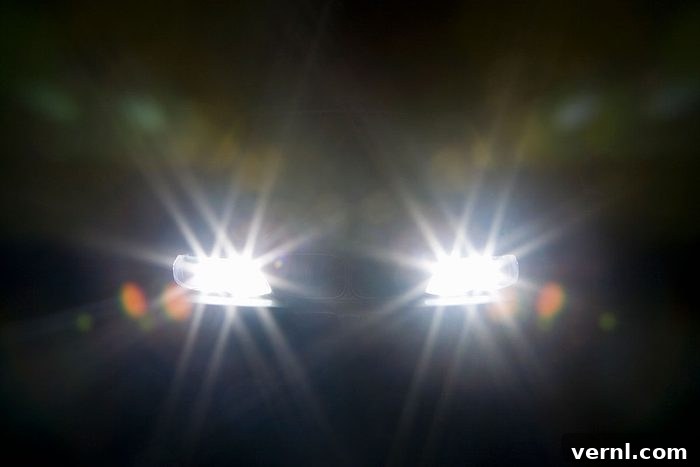
LED headlights are not designed to blind, but practical factors can increase glare. Higher-riding vehicles like pickups and SUVs place headlights closer to the eye level of drivers in lower cars, increasing the chance that the beam will strike an oncoming driver’s eyes. Cloudy or oxidized headlight lenses, misaligned assemblies, or improper aftermarket retrofits can make the problem worse. Manufacturers increasingly fit cars with adaptive or self-leveling LEDs and automatic high beams to reduce glare while maintaining visibility.
Are LED Headlights Safe?
Overall, yes. LED headlights generally improve visibility and provide drivers with more time to react to hazards. Safety organizations have developed headlight rating programs to encourage better-performing systems. Properly aimed, clean, and compliant LED headlights provide measurable safety benefits over older systems.
What Research and Data Show
Crash data indicate that nighttime driving carries a higher risk than daytime driving, and headlight performance matters. While glare complaints have increased with the spread of LED technology, large-scale analyses have not shown a corresponding rise in glare-related crashes. High-quality, well-adjusted LED headlights tend to deliver more benefit than harm, but poor aim, dirty lenses, and inappropriate retrofits remain risk factors.
Federal Headlight Standards
In the U.S., headlights must meet Federal Motor Vehicle Safety Standards (FMVSS 108), which specify beam patterns, color, and other performance requirements. Standards require white or soft yellow light and proper aim to avoid blinding other road users. The regulatory language focuses on beam patterns and candela values in certain directions rather than a single lumen limit, so efficient optics can concentrate lumen output into a very intense beam without exceeding legal requirements.
Adjusting LED Headlights to Reduce Glare
Most headlamps allow vertical adjustment. Even small changes can significantly alter where the beam strikes oncoming drivers. To adjust safely: park on level ground, set correct tire pressure, remove excess cargo, and follow the vehicle manufacturer’s adjustment procedure. If your headlight assembly includes built-in levelers, set those first. Also check suspension height and avoid non‑approved aftermarket LED retrofit bulbs.
LED vs. Halogen: Which Is Safer?
LEDs offer better forward visibility, longer life, and lower energy use. Halogens tend to produce warmer, less piercing light that may cause less glare but provide poorer overall visibility. The safest option is a properly aimed, clean headlamp assembly using bulbs designed for that housing, whether LED or halogen.
Practical Tips to Reduce Headlight Glare
- Keep headlight lenses clean and restore cloudy or oxidized lenses.
- Ensure headlights are properly aimed on level ground with normal vehicle load.
- Avoid aftermarket retrofit bulbs that don’t match your housing design.
- Use adaptive, auto-leveling, or automatic high-beam features if available.
- Clean your windshield and keep wipers and washer fluid in good condition.
- Dim dashboard lighting and adjust rearview and side mirrors to reduce reflections.
- Consider anti-reflective glasses if you have trouble with glare; reduce speed when meeting oncoming traffic.
Experts
Joe Simes — ASE and Toyota Master Technician with more than 20 years’ experience, PennDOT-certified emissions and safety inspection instructor and inspector, and retired deputy fire chief and training officer for Montgomery County, PA.
Ian Chaikin — Founder of Chaikin Trial Group with extensive experience in vehicle accident investigation and analysis.