
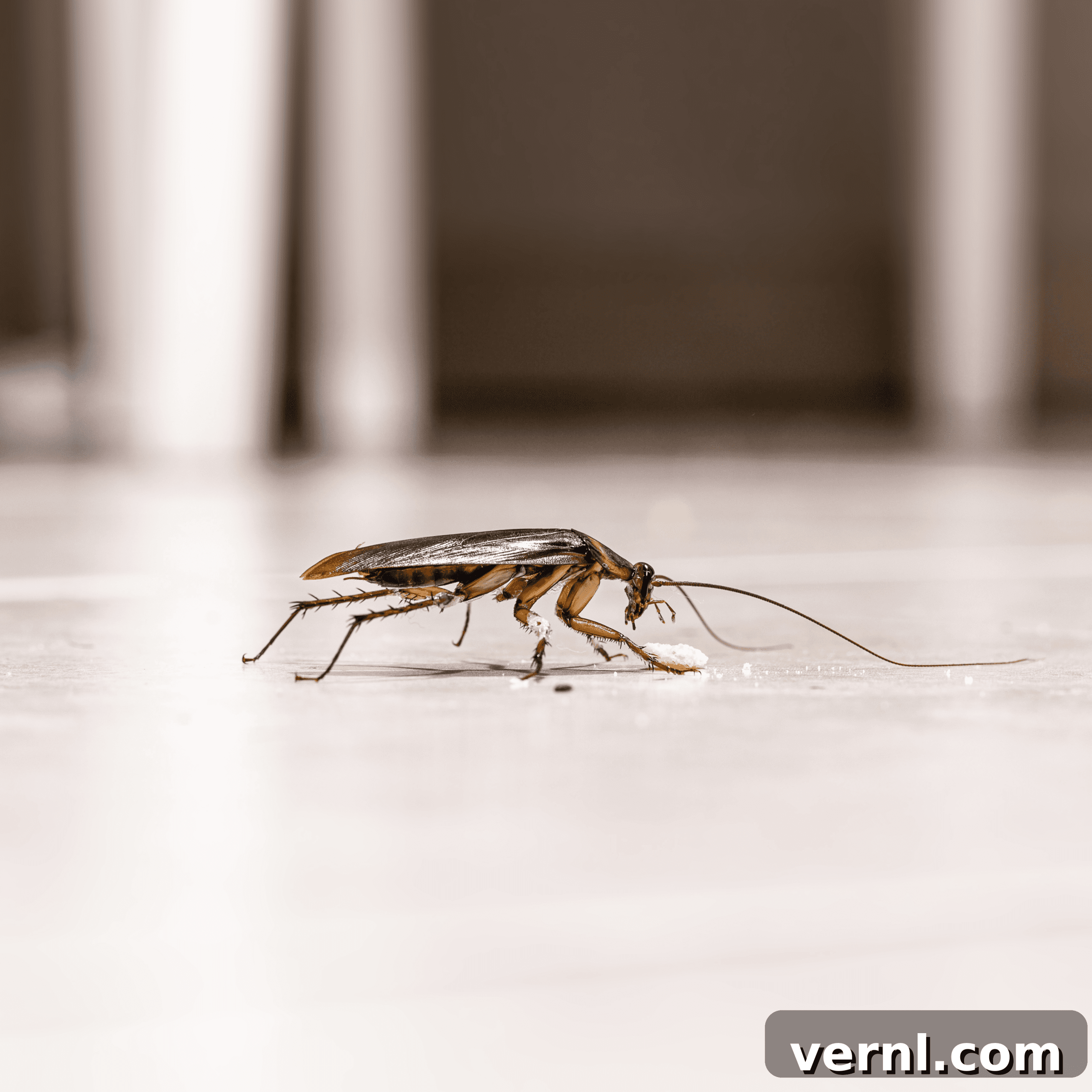
Few creatures invoke such universal dread and disgust as the cockroach. For most homeowners, the sight of these resilient pests scuttling across a kitchen floor or vanishing into a dark crevice is enough to send shivers down the spine. Beyond their unsettling appearance and rapid movements, cockroaches are notorious carriers of diseases and allergens, making their presence a significant concern for health and hygiene in any living space. It’s no wonder that the quest to eradicate them is a perpetual one, leading many to seek out both conventional and unconventional solutions.
In an age dominated by social media, a plethora of home remedies and quick fixes for common problems, including pest control, constantly circulates online. Among the latest viral sensations is a TikTok hack claiming that a simple spray of homemade lavender water can effectively repel cockroaches, driving them away and keeping homes pest-free for days or even weeks. This promise of a cheap, natural, and pleasant-smelling alternative to harsh chemical insecticides is incredibly appealing, sparking widespread interest and prompting many to wonder: could this natural solution truly be the answer to their roach woes?
To cut through the social media buzz and separate fact from fiction, we turned to an expert – a board-certified entomologist – to critically evaluate this popular hack. Is lavender water a viable weapon in the ongoing battle against cockroaches, or is it merely another well-intentioned but ultimately ineffective home remedy?
The Allure of Natural Remedies in Pest Control
The growing preference for natural and eco-friendly solutions extends deeply into the realm of home maintenance and pest control. Many consumers are actively searching for alternatives to synthetic pesticides, driven by concerns about their potential impact on human health, pets, and the environment. Chemical insecticides, while often highly effective, can leave behind residues, emit strong odors, and in some cases, require specific safety precautions during application. This has paved the way for a vibrant market of natural pest deterrents, from essential oils to botanical sprays, all promising a safer, greener approach to keeping unwanted visitors at bay. Lavender, with its well-known calming properties and pleasant fragrance, perfectly embodies the appeal of such natural solutions, making the TikTok hack particularly enticing for those seeking a gentle yet effective way to manage household pests.
Decoding the Lavender Water TikTok Hack
The viral TikTok hack presents a straightforward and seemingly effortless method for cockroach control. The recipe calls for two tablespoons of dried lavender flowers steeped in four to six cups of water. The preparation method offers two options: either simmering the mixture for four to six hours or allowing the lavender to steep without heat for two full days. Once prepared, the liquid is strained to remove the solid lavender material, cooled, and then transferred into a spray bottle. The instructions recommend simply spraying this concoction in areas where cockroaches are observed or suspected of hiding. The claim is that the lavender scent will act as a potent repellent, causing the pests to vacate the premises and stay away for a significant period.
The simplicity and accessibility of this method are undoubtedly part of its charm. Lavender flowers are readily available, and the preparation requires no specialized equipment or complicated steps. Furthermore, the idea of replacing harsh chemical smells with the calming aroma of lavender is an attractive proposition for any homeowner dealing with pests. But does this appealing concept hold up under scientific scrutiny?
The Science Behind the Scent: Understanding Essential Oils
Essential oils are potent chemical compounds that encapsulate the distinctive aroma and flavor, or “essence,” of a plant. They are highly concentrated hydrophobic liquids containing volatile aromatic compounds, meaning they evaporate easily at room temperature. These oils are typically extracted from various plant parts—flowers, leaves, stems, roots, bark, or fruit—through specialized processes designed to capture their beneficial properties.
Common extraction methods include:
- Steam Distillation: This is one of the most widespread methods, especially for botanical materials like lavender. Steam passes through the plant material, causing the essential oil compounds to vaporize. The vapor, which includes both steam and oil, is then condensed back into a liquid. The essential oil separates from the water (hydrosol) due to differences in density.
- Cold Pressing (Expression): Primarily used for citrus fruit rinds, this method involves mechanically pressing the fruit to extract the oil. No heat is used, preserving the delicate compounds.
- Solvent Extraction: For more delicate flowers that might be damaged by steam distillation, chemical solvents are used to dissolve the essential oil. The solvent is then removed, leaving behind a highly concentrated absolute.
From a pest control perspective, many essential oils contain compounds that act as natural insecticides or repellents. These compounds often target specific neurotransmitters in insects, effectively disrupting their nervous systems. For instance, some essential oils can act as acetylcholinesterase inhibitors or interfere with GABA receptors, leading to paralysis or disorientation in susceptible insects. This biological activity is what makes certain essential oils promising candidates for natural pest management, but their efficacy varies greatly depending on the specific oil, the target pest, and the concentration used.
Lavender Water vs. Lavender Essential Oil: A Critical Distinction
The core misunderstanding behind the lavender water hack lies in confusing homemade lavender water with concentrated lavender essential oil. While both originate from the lavender plant, their composition and efficacy against pests are vastly different.
Lavender Essential Oil is a highly concentrated product of the meticulous extraction processes described above. It contains a high percentage of the volatile chemical compounds – such as linalool and linalyl acetate – that are responsible for lavender’s characteristic scent and its potential insect-repelling properties. These compounds, when properly extracted and concentrated, can indeed exhibit repellent effects against certain small insects like flies and fleas, as noted by entomologist Scott Green. However, even in its pure form, the residual efficacy of lavender essential oil is limited; it evaporates quickly and doesn’t last long, necessitating frequent reapplication to maintain any repellent effect.
Lavender Water, or Hydrosol, on the other hand, is the fragrant water that remains after steam distillation of lavender flowers. It is essentially a byproduct of essential oil production. While hydrosols retain some of the plant’s aromatic compounds and offer a myriad of benefits – from skin toners and culinary ingredients to aromatherapy and relaxation aids – they contain a significantly lower concentration of the active essential oil compounds compared to the pure essential oil. The repellent qualities, if any, in lavender hydrosol are minimal to non-existent for robust pests like cockroaches.
The homemade lavender water described in the TikTok hack, made by simply steeping dried flowers in water, contains an even more negligible amount of these volatile compounds. Without a proper extraction process, the essential oil components are not adequately released or concentrated in the water. Therefore, the resulting lavender water is primarily just scented water, lacking the concentrated power needed to act as a significant deterrent, let alone an insecticide, against cockroaches. As Scott Green emphatically states, “Lavender isn’t one of the oils that truly eliminates anything.” This highlights a crucial point: even concentrated lavender essential oil is more of a repellent than a killer, and homemade lavender water falls far short of even that.
Expert Insight: Why Lavender Water Falls Short for Cockroaches
Scott Green, a board-certified entomologist with Ehrlich Pest Control, provides crucial clarity on why the lavender water hack is unlikely to be effective against cockroaches. While he acknowledges that certain essential oils, including lavender when combined with others like spearmint and wintermint, can repel some smaller insects such as flies and fleas, their effectiveness against cockroaches is a different story entirely.
Green points out a significant limitation: essential oils generally lack substantial residual efficacy. This means their repellent effect dissipates quickly as the volatile compounds evaporate. For pests like cockroaches, which are highly resilient, adaptable, and often hidden, this short-lived repellency is simply insufficient. Cockroaches require sustained pressure to be driven out or eliminated. A quick spray of lavender water might temporarily mask their trail or irritate them, but it won’t deter a determined colony from seeking food, water, and shelter within your home.
Furthermore, essential oils, even in concentrated forms, do not exhibit the same “transfer effect” seen with many professional insecticides or baits. Modern cockroach baits are designed so that roaches consume the bait and carry the active ingredient back to their harborage, sharing it with other roaches, including nymphs and those that never leave the nest. This transfer effect is critical for achieving comprehensive control over an entire cockroach population. Lavender water, or even essential oil sprays, merely affect the individual roach that encounters the scent at that moment. It does not address the hidden population thriving behind walls or deep within cracks and crevices, nor does it impact their breeding cycle. Without this ability to infiltrate and impact the entire colony, surface-level repellents like lavender water are destined to fail against a widespread cockroach infestation.
Effective Cockroach Management: A Multi-Pronged Approach
“The best way to control cockroaches is not to allow them into your house,” emphasizes Scott Green. Effective cockroach management relies on a comprehensive strategy known as Integrated Pest Management (IPM), which combines prevention, sanitation, physical exclusion, and targeted treatments.
1. Prevention and Exclusion: Sealing Off Entry Points
Stopping cockroaches before they even enter your home is the most effective defense. This involves rigorous inspection and maintenance of your property’s exterior and interior:
- Seal Cracks and Crevices: Cockroaches can squeeze through incredibly small openings. Inspect your home’s foundation, exterior walls, and around utility pipes for any gaps. Use caulk, expanding foam, or weatherstripping to seal these entry points. Pay close attention to gaps around windows, doors, and areas where pipes and wires enter the house.
- Maintain Screens: Ensure all window and door screens are in good repair, free of tears or holes, to prevent entry.
- Repair Leaks: Cockroaches require water to survive. Fix leaky faucets, pipes, and any areas with standing water or excessive moisture, such as under sinks, in basements, or crawl spaces. Use dehumidifiers in damp areas.
- Manage Outdoor Habitats: Move woodpiles, compost bins, leaf litter, and other debris away from your home’s foundation. These provide ideal hiding and breeding spots for cockroaches and other pests. Keep shrubs and vegetation trimmed back from the house.
- Clean Up Pet Waste: Promptly remove pet waste from your yard, as it can be a food source for various pests.
- Remove Outdoor Food Sources: If you feed pets outdoors, pick up their dishes immediately after they finish eating. Store pet food in sealed, airtight containers. Regularly pick up rotting fruit or vegetables that fall from trees or garden plants.
2. Sanitation: Eliminating Food and Water Sources
Even if roaches get inside, depriving them of food and water can significantly reduce their numbers and deter them from establishing a colony. Cockroaches are opportunistic eaters and will feast on almost anything:
- Daily Cleaning: Vacuum and mop floors regularly, especially in kitchens and dining areas, to remove crumbs and food spills. Clean up grease splashes on stovetops and backsplashes immediately.
- Proper Food Storage: Store all food, including pet food, in airtight containers. Do not leave food uncovered on countertops.
- Waste Management: Use trash cans with tight-fitting lids and empty them frequently, especially before going to bed. Keep outdoor garbage bins clean and tightly sealed.
- Dishwasher and Sink Hygiene: Don’t leave dirty dishes in the sink overnight. Run your dishwasher regularly or hand wash and dry dishes immediately after use. Clean out sink drains regularly to prevent food particle buildup.
- Declutter: Reduce clutter in your home, especially in storage areas like basements and attics. Cardboard boxes, old newspapers, and stacks of mail provide ideal hiding spots and breeding grounds for cockroaches.
3. Monitoring and Targeted Treatment
If you suspect or confirm a cockroach problem, an integrated approach to treatment is essential:
- Monitor with Traps: Deploy sticky glue traps in areas where you suspect cockroach activity (e.g., under sinks, behind appliances, in pantries). These traps not only catch roaches but also help you monitor the extent of the infestation and identify the specific species, which is crucial for effective treatment. An expert identification can determine the best way to eliminate them.
- Vacuuming: If you spot roaches, quickly vacuum them up, along with any egg cases. Immediately dispose of the vacuum bag outdoors in a sealed trash can.
- Targeted Insecticides and Baits: For existing infestations, baits are often the most effective method. Cockroach baits contain a slow-acting insecticide mixed with an attractive food source. Roaches consume the bait and carry it back to their nests, where it can spread to other roaches. Insect growth regulators (IGRs) can also be used to disrupt the cockroach life cycle, preventing nymphs from maturing into reproductive adults. Dusts and gels can be applied to cracks and crevices where roaches hide.
- Professional Pest Control: For persistent or severe infestations, hiring a qualified pest control expert is highly recommended. Professionals have the knowledge, tools, and access to more potent and targeted treatments to effectively eradicate cockroaches. They can conduct thorough inspections, identify harborage areas, and implement an effective IPM plan tailored to your specific situation.
Common Myths and Misconceptions in Cockroach Control
Beyond the lavender water hack, countless other home remedies and myths about cockroach control circulate. These often include remedies like cucumber peels, bay leaves, coffee grounds, or mixtures involving borax that are incorrectly applied. While some of these might have minor repellent properties in high concentrations, they are rarely effective enough to control an established cockroach population. Relying on such unverified methods can delay proper treatment, allowing infestations to grow larger and more difficult to manage. It’s crucial to distinguish between anecdotal evidence and scientifically backed pest control strategies to ensure your efforts are truly effective.
Conclusion
While the appeal of a natural, pleasant-smelling solution to a pervasive problem like cockroaches is undeniable, the scientific evidence consistently shows that homemade lavender water is simply not an effective method for controlling these resilient pests. As entomologist Scott Green clarifies, while concentrated essential oils might offer some mild repellency against smaller, less robust insects, their lack of residual efficacy and inability to impact an entire cockroach colony make them unsuitable for serious infestations. Lavender water, a diluted byproduct, offers even less hope.
The fight against cockroaches demands a robust, evidence-based approach centered on prevention, rigorous sanitation, exclusion, and targeted treatments. Homeowners must prioritize sealing entry points, eliminating food and water sources, and maintaining a clean environment. For existing infestations, a combination of monitoring with traps and the strategic application of professional-grade baits or insecticides, often best managed by a qualified pest control expert, will yield the most successful and lasting results. Don’t let viral trends mislead you; when it comes to cockroaches, effective control requires a comprehensive and scientifically sound strategy.