Revitalize Your Lawn: The Essential Guide to Aeration for a Thicker, Greener Yard
If your lawn is looking tired, patchy, or simply isn’t responding to your best watering and fertilizing efforts, the core issue might be hiding just beneath the surface. Compacted soil is a silent killer for healthy lawns, preventing vital resources from reaching the roots. Fortunately, the solution is straightforward yet incredibly powerful: lawn aeration. This essential practice is designed to breathe new life into your soil, promote robust root development, and give your grass the optimal conditions it needs to flourish into the lush, vibrant landscape you desire.
What Is Lawn Aeration and Why Is It Crucial?
Over time, the soil in your lawn naturally becomes compacted. This isn’t just due to heavy foot traffic or the weight of lawnmowers; even consistent rainfall and natural settling can contribute to soil densification. When soil becomes compacted, it forms a dense barrier that chokes your grass roots. This barrier restricts the flow of air, water, and essential nutrients, effectively starving your lawn. Lawn aeration is the process of mechanically perforating the soil with small holes, creating pathways that allow these crucial elements to penetrate deep down to the grassroots, where they are most needed.
Understanding the mechanics is key. As these holes are punched into your lawn’s surface, they immediately reduce surface compaction, enabling atmospheric air to permeate the ground more freely. More importantly, these channels serve as direct routes for water and lawn fertilizer to bypass the dense top layer and reach the root zone efficiently. This direct delivery ensures that nutrients are absorbed effectively, significantly contributing to the development of a deeper, stronger root system, which is the foundation of a thick, healthy, and resilient lawn.
You’ll typically encounter two primary methods of aeration, each with distinct mechanisms and suitable applications: core aeration and spike aeration. Core aeration involves the removal of small plugs or cores of soil from the ground. This method is highly effective because it truly decompacts the soil, creating lasting voids. Spike aeration, on the other hand, involves simply poking holes into the soil using solid tines. While it may seem simpler, spike aeration’s effectiveness is limited as it can sometimes lead to further compaction around the edges of the holes. The choice between these methods often depends on the severity of your lawn’s compaction and your specific goals.
For smaller lawns or targeted problem areas, a manual core aerator can be effective. However, this method can be physically demanding and tedious, requiring significant effort. If opting for a manual tool, be sure to wear thick-soled work boots to protect your feet from the repetitive impact of stepping on the aerator’s metal bar. While spike aerators and those equipped with slicing knife blades are less effective at deep compaction relief, they are sometimes preferred by homeowners who wish to avoid the temporary “mess” of soil plugs brought to the surface by core aerators. However, for genuinely impactful and long-term benefits, core aeration remains the gold standard, a technique we will delve deeper into along with other tools and strategies below.
The Undeniable Benefits of Aerating Your Lawn
The relentless pressures of heavy recreational use, the playful activity of pets, persistent foot traffic, and even the routine passage of lawnmowers all contribute to the insidious compaction of the soil beneath your lawn. This densification creates an inhospitable environment, impeding vigorous root growth and often leading to the accumulation of thatch. Thatch is a dense layer of slowly decomposing grass stems, roots, and organic debris that gradually builds up at the soil surface, forming a barrier that prevents water, air, and nutrients from reaching the soil and roots. Aeration is a powerful countermeasure against these issues, offering a multitude of benefits for your lawn’s health and appearance.
It Relieves Soil Compaction
Hard, compacted soil acts much like a brick wall for your lawn. Grass roots, which are essential for nutrient and water uptake, struggle and often fail to push through this impenetrable barrier. This stunts their growth and limits their ability to access life-sustaining resources. Furthermore, water simply pools on the surface or runs off, rather than soaking into the root zone. Aeration literally opens things up, breaking through this “brick wall” by creating vital channels. These new pathways alleviate the physical pressure on roots, allowing them to expand freely and delve deeper into the soil, significantly improving their access to moisture and nutrients.
It Improves Air and Nutrient Flow
Once the soil is physically opened up through aeration, oxygen, fertilizers, and water can move freely and efficiently down into the root zone. Oxygen is critical for root respiration and supports the activity of beneficial soil microorganisms that break down organic matter and make nutrients available to plants. Improved water penetration means less runoff and more efficient hydration for your grass, especially during dry spells. This enhanced access to essential elements directly translates to deeper, more expansive root systems and, consequently, visibly healthier, more vibrant, and resilient grass blades above ground.
It Supports Thatch Breakdown
Thatch, if left unaddressed, can create a suffocating layer that prevents air, water, and nutrients from reaching the soil. While dethatching can physically remove this layer, aeration offers a natural, complementary approach. By creating holes in the soil, aeration introduces oxygen and encourages the activity of microorganisms present in the soil. These microbes are essential for decomposing organic matter, including thatch. As they become more active in an oxygen-rich environment, they work more efficiently to break down the thatch layer, turning it into valuable organic matter that enriches the soil. This reduces the need for harsh chemical dethatchers and promotes a healthier soil ecosystem.
It Preps Your Lawn for Overseeding and Top-Dressing
One of the most effective strategies for thickening a thin lawn or repairing bare patches is overseeding, and aeration is its ideal partner. Aerating before overseeding creates thousands of small pockets in the soil, providing direct “seedbeds” where new grass seeds can settle. This ensures excellent seed-to-soil contact, which is absolutely crucial for successful germination and establishment. Without aeration, seeds often sit on top of compacted soil, drying out or being washed away before they can take root. The University of Maryland Extension highlights this synergy, showing that aeration combined with fertilization can boost lawn density and nutrient uptake by as much as 30%, making it an indispensable step in lawn renovation.
It Enhances Water Absorption and Reduces Runoff
Compacted soil often leads to poor water infiltration, causing water to puddle on the surface or run off, especially on sloped areas. This wastes water and can lead to erosion. By creating open channels, aeration dramatically improves the soil’s ability to absorb and retain water. This means more water reaches the roots where it’s needed, reducing waste and contributing to a more water-efficient lawn. Less runoff also means fewer valuable nutrients are washed away, benefiting both your lawn and the environment.
It Strengthens Grass Against Pests and Diseases
A healthy, robust lawn with deep roots and proper nutrient uptake is inherently more resistant to various environmental stressors, including pests and diseases. Aeration contributes to this resilience by fostering an optimal growing environment. Stronger grass can better withstand insect infestations, fungal infections, and drought conditions, reducing your reliance on chemical treatments and promoting a more sustainable lawn care approach.
How to Aerate Your Lawn – Tools and Techniques for Success
Successfully aerating your lawn isn’t a one-size-fits-all endeavor. The optimal approach always begins with a careful evaluation of your specific soil type, the overall size of your lawn, and its current condition. Understanding these factors will guide you in choosing the most effective tools and techniques to achieve the best results. Here’s how to navigate the process and select the right lawn aerator for your needs.
Choose the Right Tool for the Job
- Core Aerator: This is generally considered the most effective type of aerator, especially for highly compacted or clay-heavy soils. Core aerators remove actual plugs of soil (typically 2-4 inches deep and 0.5-0.75 inches in diameter), creating long-lasting channels for air, water, and nutrients. These machines can be gas-powered walk-behinds, tow-behind units for tractors, or manual foot-powered tools. For larger lawns, renting a motorized core aerator is often the most practical and efficient option, as it ensures uniform depth and coverage.
- Spike Aerator: Better suited for lighter aeration jobs or looser, sandier soils. Spike aerators use solid tines to poke holes into the soil without removing any material. While they do break the surface, they can inadvertently cause some compaction around the edges of the holes. This method offers less significant long-term benefits compared to core aeration, but it can be a quick solution for very minor compaction or as a precursor to other treatments. Spike aerators are available as manual handheld tools, spiked shoes, or rolling drums that attach to a lawn tractor.
- Manual Tools: Ideal for very small yards, targeted spot-treating of problem areas, or if you prefer a budget-friendly and chemical-free approach. Manual core aerators require significant physical effort but can be effective for focused applications where larger machines are impractical.
Prepare the Lawn Thoroughly Beforehand
Proper preparation is paramount for a smooth and effective lawn aeration process. The key is ensuring the soil is adequately moist, but not saturated, when you begin. Aerating dry, hard soil is not only incredibly difficult and physically taxing but also significantly less effective, as the tines will struggle to penetrate to the desired depth. Furthermore, attempting to aerate dry soil can cause unnecessary strain and potential damage to your aeration equipment. The best time to aerate is typically a day or two after a good rainfall or after thoroughly watering your lawn. Aim for the soil to be damp enough to allow easy penetration, but not so wet that mud clogs the aerator tines. Additionally, mow your lawn shorter than usual (to about 1.5 to 2 inches) before aerating. This ensures that the aerator tines can reach the soil surface without obstruction, allowing for more efficient and uniform hole creation.
Mark Utilities and Sprinklers Clearly
This step is absolutely critical and should never be skipped. Before you start any aeration, take the necessary time to accurately mark the location of any underground utilities or obstacles. This includes sprinkler heads, irrigation lines, shallow buried cables (e.g., for invisible dog fences, outdoor lighting), and even septic system components. Flagging these spots with clearly visible markers (such as small flags or spray paint) will prevent accidental strikes, which can lead to costly repairs, inconvenient interruptions to your irrigation system, or even dangerous electrical hazards.
Always remember to call 811, the national “Call Before You Dig” hotline, a few days before you plan to aerate. This free service will notify utility companies, who will then mark the locations of buried public utility lines (gas, electric, water, sewer, communications) in your yard. While 811 marks public utilities, you are responsible for marking private lines not covered by this service.
The Aeration Process: Step-by-Step
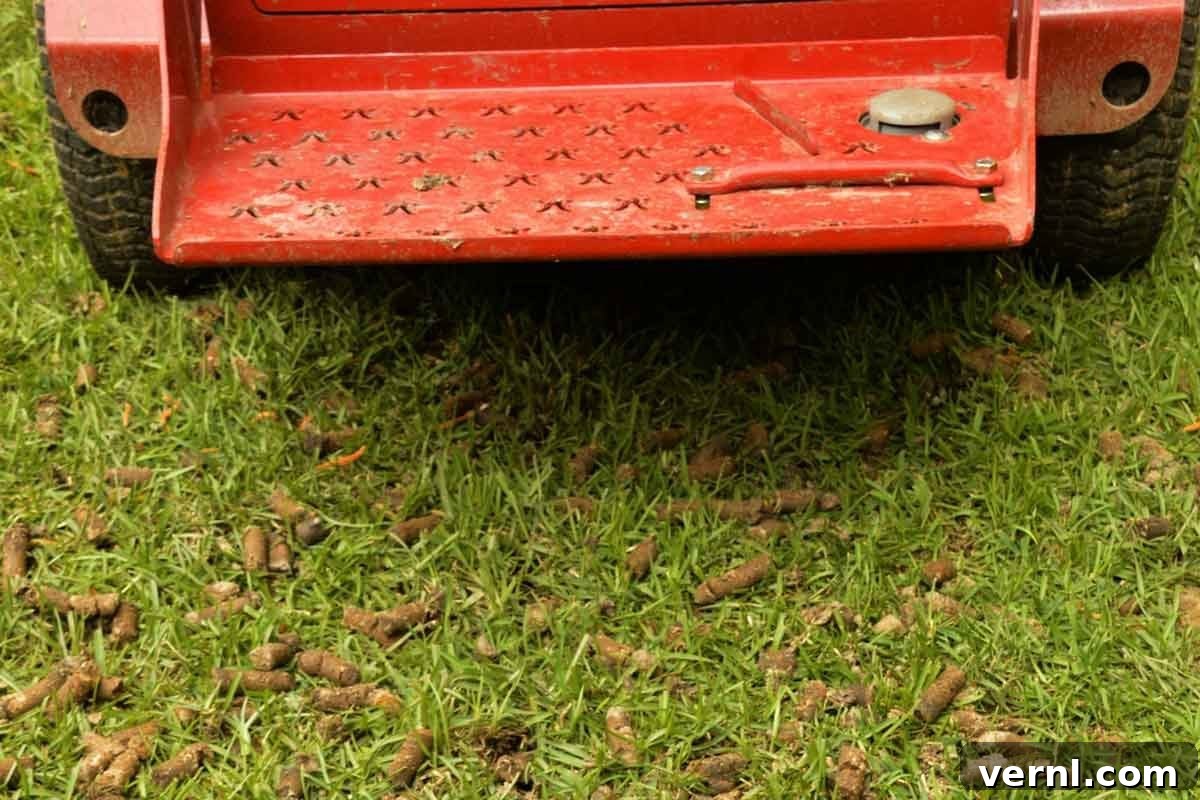
Once your lawn is prepared and utilities are marked, you can begin the aeration process. If using a motorized core aerator, make sure to read the operator’s manual carefully. For most effective results, make at least two passes over your lawn, with the second pass perpendicular to the first. This cross-hatch pattern ensures thorough coverage. For heavily compacted areas or high-traffic zones, consider a third pass. The removed soil plugs should be left on the lawn. They contain valuable microorganisms that will help break down thatch and return nutrients to the soil as they decompose over a few weeks. Avoid aerating flower beds or very new turf.
What Is the Best Time to Aerate a Lawn?
When it comes to lawn aeration, timing truly is everything. The optimum seasons are generally late summer and fall, but this can vary. It’s crucial to avoid aerating your lawn during periods of extreme stress, such as severe drought or intense heat, as this can further damage the grass. The season you choose matters more than you might initially think, as it directly impacts your lawn’s ability to recover and thrive post-aeration.
Ideally, the best time to aerate your lawn largely depends on the specific type of grass you’re growing. If you’re unsure about your grass type, observe its growth patterns throughout the year. Does it display its most vibrant green and lush growth in early spring or summer? This behavior offers a strong clue.
If your lawn is at its peak greenness and most vibrant in early spring, you likely have cool-season grasses such as fescue, ryegrass, or bluegrass. These varieties respond best to aeration in either early spring (as soon as the soil thaws and grass begins active growth) or, more ideally, in early fall (September to October in many regions). Fall aeration is often preferred because the cooler temperatures and increased moisture provide a perfect environment for rapid recovery before winter dormancy.
Conversely, if your lawn truly thrives and shows its best growth during the warm summer months, it’s probably a warm-season grass like Bermuda or zoysia. For these types, late spring to early summer (May to June) is the prime window for aeration. This timing allows the grass to quickly fill in the aerated holes during its most active growth phase.
Fall is frequently cited as the preferred season for aeration for many grass types because the soil remains warm enough to promote root recovery, there’s typically more natural moisture than in summer, and the grass is actively growing and preparing for cooler temperatures. This creates an ideal environment for the lawn to recover quickly and strengthen before winter. While spring aeration is an alternative, it carries a potential drawback: disturbing the soil in spring can sometimes unearth dormant weed seeds, leading to an unnecessary flush of weed growth as they germinate in the newly opened soil pockets.
Common Mistakes to Avoid During Lawn Aeration
While lawn aeration appears to be a straightforward process, it’s surprisingly common for homeowners to encounter pitfalls that can diminish its effectiveness or even harm their lawn. By being aware of these frequent errors, you can ensure your aeration efforts yield the desired lush, green results.
- Aerating Bone-Dry Soil: Attempting to aerate soil that is hardened and dry is a futile exercise. The aerator tines will barely penetrate the surface, making the process ineffective. Worse, it puts immense strain on your equipment, increasing the risk of damage or breakage. Always ensure the soil is adequately moist (after rain or watering) for optimal penetration and to protect your tools.
- Doing It Too Often: More is not always better when it comes to aeration. For most lawns, aerating once a year is perfectly sufficient to maintain healthy soil structure. If your soil is particularly heavy clay or experiences exceptionally high foot traffic, you might consider aerating twice a year (once in spring and once in fall). However, aerating more frequently than necessary can stress the grass roots, disrupt the soil ecosystem, and simply be an unnecessary expense and effort.
- Skipping the Post-Care: Aeration is not a standalone event; it’s the first step in a rejuvenation process. After aerating, your lawn needs a little extra Tender Loving Care (TLC) to maximize the benefits. Immediately water your lawn thoroughly to help settle the soil and provide moisture to newly exposed roots. Consider fertilizing lightly to give your grass a nutrient boost, and critically, if your lawn has thin spots or bare patches, it’s the ideal time to overseed. Skipping these post-aeration steps can lead to the holes becoming less effective or even allowing weeds to colonize the newly exposed soil.
- Using Dull Tines: The effectiveness of your aeration hinges on the sharpness and condition of your aerator’s tines. Blunt spikes or worn-out coring tools will not dig deep enough into the soil to create the necessary channels for air and water. Instead, they might merely skim the surface, causing superficial damage without addressing the deeper compaction issues. Regularly inspect your equipment and ensure the tines are sharp and in good working order before you begin.
- Not Marking Utilities: As emphasized previously, failing to mark underground utilities (sprinklers, irrigation lines, cables) is a critical and potentially dangerous mistake. Striking a utility line can lead to costly repairs, service interruptions, or even serious injury. Always call 811 before you dig or aerate to ensure all public utility lines are marked.
- Not Cleaning Equipment: After use, especially with core aerators, soil can cling to the tines and internal mechanisms. Failing to clean your equipment can lead to rust, reduced efficiency, and premature wear and tear. A quick cleaning after each use will extend the lifespan of your aerator and ensure it’s ready for next time.
Frequently Asked Questions About Lawn Aeration
What is lawn aeration and how does it work?
Lawn aeration is the process of creating small holes in compacted soil. This allows air, water, and nutrients to penetrate deeper, reaching the grass roots more effectively. It works by physically breaking up the dense soil layer, relieving compaction and improving the overall health and growth of your lawn.
When is the best time to aerate your lawn?
The ideal time depends on your grass type. For cool-season grasses (like fescue or bluegrass), early fall or early spring is best. For warm-season grasses (like Bermuda or zoysia), late spring to early summer, when the grass is actively growing, works best.
How often should you aerate your lawn?
For most lawns, once a year is usually sufficient to maintain healthy soil. If your soil is heavy clay, experiences high foot traffic, or is severely compacted, you might benefit from aerating twice a year – once in the spring and once in the fall.
What tools do you use for lawn aeration?
You can use various tools: a manual spike aerator for very small areas, a manual core aerator for more targeted de-compaction, or a motorized core aerator for larger yards. Core aerators, which remove plugs of soil, are generally more effective than spike aerators.
What should I do after aerating my lawn?
After aeration, it’s beneficial to water your lawn thoroughly, fertilize lightly, and consider overseeding, especially if you have thin areas. The open holes provide an excellent opportunity for new seed germination and nutrient absorption.
Sources
- University of Maryland Extension: “Lawn Aeration”
- Purdue University Turfgrass Science: “Lawn Cultivation: Is Now the Time?”
- University of Minnesota Extension: “Renovating a Lawn for Quality and Sustainability”
- Colorado State University Extension: “Lawn Care”