As the calendar pages turn towards 2026, the world of interior design is already abuzz with fresh inspiration, particularly concerning paint colors. Leading designers and prominent paint manufacturers are setting the stage for what promises to be a transformative year for home aesthetics. With their much-anticipated “Color of the Year” announcements, an annual tradition that profoundly influences interior design and decor trends, we’re gaining an exciting preview of the palettes that will define our living spaces. This year’s forecasts reveal a significant shift, moving decisively away from the cool, crisp shades that have dominated in recent years toward a more inviting, comforting, and deeply rooted earthy spectrum.
The overarching theme for 2026 is a heartfelt embrace of warmth and nature. Homeowners and designers alike can expect to see a prominent rise in warm whites, sophisticated mid-tone neutrals, and a rich array of nature-inspired palettes taking center stage. The crisp, stark whites, strong, commanding blacks, and some of the softer, yet overused, cooler tones of previous years are gracefully retiring. In their place, we welcome colors that resonate with softness, comfort, and a profound connection to the natural world. These emerging trends are not just about aesthetics; they reflect a collective desire to create sanctuaries within our homes, spaces that feel grounded, tranquil, and inherently welcoming. Join us as we delve into the 2026 paint trends, exploring the hues that are poised to make a significant impact and those that are gently fading from the spotlight.
In for 2026: Embracing Earthy Warmth and Sophisticated Neutrals
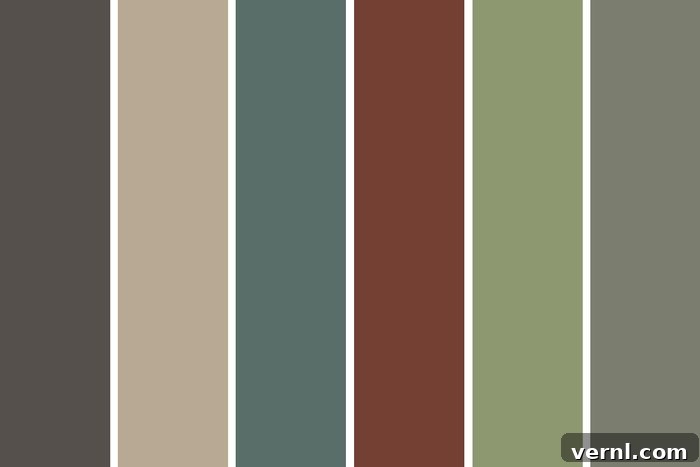
The year 2026 ushers in an era of refined elegance and grounded serenity, with paint trends leaning heavily into muted, sophisticated palettes infused with rich, natural undertones. This shift signifies a collective yearning for calm, comfort, and a deeper connection to the environment within our personal spaces. The chosen “Colors of the Year” from a snapshot of major paint manufacturers serve as compelling indicators, forecasting a future where our homes are adorned with hues that soothe the soul and elevate everyday living. These selections aren’t just colors; they are statements about our evolving preferences for warmth, subtlety, and a touch of organic luxury. Each shade offers unique characteristics designed to create balanced and harmonious interiors, moving beyond fleeting fads to establish a lasting sense of well-being. Let’s explore these trendsetting colors that promise to define the modern home.
Silhouette, Benjamin Moore
Benjamin Moore’s “Color of the Year,” Silhouette, perfectly encapsulates the sophisticated and earthy direction of 2026 paint color trends. This deep, rich brown with compelling charcoal gray undertones is a masterful departure from the bold blacks and stark navy blues that once dominated contemporary spaces. Silhouette is a color that speaks of quiet drama and understated luxury. It offers a dramatic presence without overwhelming a room, grounding it with an air of refined elegance. Imagine Silhouette on an accent wall in a living room, paired with creamy whites and natural wood tones, creating a cozy yet dramatic focal point. Its versatility makes it ideal for various applications, from a sophisticated backdrop in a home office to a comforting embrace in a bedroom. This hue provides an anchor, a sense of stability and depth that modern interiors crave, offering a neutral canvas that allows other design elements to truly shine while maintaining its own captivating allure.
Universal Khaki, Sherwin-Williams
Sherwin-Williams’ choice for 2026, Universal Khaki, is a testament to the enduring power of a beautifully executed mid-tone, warm tan. This subtle and incredibly versatile hue embodies the natural, inviting feel that is paramount in upcoming design trends. Universal Khaki excels in its ability to complement a wide array of other inviting neutrals, creating cohesive and welcoming environments without demanding to be the center of attention. It’s the perfect backdrop for virtually any room, providing a sense of understated elegance and warmth. Whether used in an open-plan living space to seamlessly connect different areas or in a cozy bedroom to foster relaxation, its gentle warmth works harmoniously with various textures and finishes. From modern minimalist to rustic farmhouse aesthetics, Universal Khaki offers a timeless appeal, ensuring your home feels current, comfortable, and inherently welcoming.
Hidden Gem, Behr
Behr’s selection, Hidden Gem, is a sophisticated fusion that truly lives up to its name. This captivating hue artfully combines the serenity of green and blue with subtle gray undertones, offering a muted and refined take on more traditional, bolder greens. Hidden Gem is a celebration of color, yet it possesses an understated depth that ensures it never overpowers a space. It evokes the tranquility of a deep forest or a serene twilight sky, bringing a slice of nature indoors without being overtly vibrant. This color is particularly adept at creating a calming atmosphere, making it an excellent choice for bedrooms, bathrooms, or even a meditation space. When paired with natural materials like linen, wood, and stone, Hidden Gem allows the textures to come alive, creating a sensory rich environment that feels both luxurious and deeply comforting. It’s a versatile shade that adapts beautifully to different lighting conditions, revealing new facets of its character throughout the day.
Warm Mahogany, Glidden
Glidden’s Warm Mahogany is a color that truly captures the deep, refined beauty of its namesake wood, living up to every expectation implied by its designation. This rich, red-brown hue is saturated with warmth and sophistication, instantly lending a natural, rustic yet luxurious touch to any space it adorns. Warm Mahogany brings a sense of grounded elegance, reminiscent of heirloom furniture and cozy libraries. It’s perfect for creating intimate and inviting areas, such as a formal dining room or a sophisticated study, where its depth can truly be appreciated. This color pairs beautifully with other warm neutrals, golden metallics, and dark leathers, enhancing its inherent richness. Its presence can transform a simple room into a welcoming retreat, imbued with character and a timeless appeal, making it a compelling choice for those seeking to infuse their homes with both warmth and a touch of classic grandeur.
Cactus Valley, California Paints
California Paints’ selection for 2026, Cactus Valley, stands out as a grounded green infused with subtle warmth, perfectly embodying the natural and earthy trend. Unlike bright, attention-grabbing greens, Cactus Valley possesses a calm and sophisticated tone that builds incredible depth in a space. This hue is about bringing the serene, rugged beauty of the desert landscape indoors, offering a sense of calm resilience. It creates a tranquil backdrop that is particularly effective when paired with other nature-centric colors, such as creamy whites, soft browns, and various nuanced neutrals. Consider Cactus Valley for a sun-drenched living room or an entryway where you want to make a statement of quiet elegance. Its ability to harmonize with natural light and materials makes it an excellent choice for those looking to foster a restorative and sophisticated atmosphere, connecting their interiors to the serene outdoors.
Warm Eucalyptus, Valspar
Valspar’s Warm Eucalyptus further solidifies next year’s continued movement toward rich, organic tones that foster balance and harmony within the home. As another soft, muted green, it shares the spotlight with other nature-inspired hues, offering a gentle yet profound connection to the natural world. Warm Eucalyptus brings an inherent sense of calm and rejuvenation, making it an ideal choice for spaces dedicated to relaxation and well-being, such as bedrooms, bathrooms, or home spas. Its subtle warmth prevents it from feeling cold, instead enveloping the room in a gentle, nurturing embrace. This versatile color blends seamlessly with both light and dark wood finishes, various textiles, and metallic accents, creating a coherent and thoughtfully designed environment. It’s a truly adaptable shade that contributes to a serene and harmonious living space, promoting a feeling of peace and organic sophistication.
Out for 2026: Shifting Away from Cool and Stark
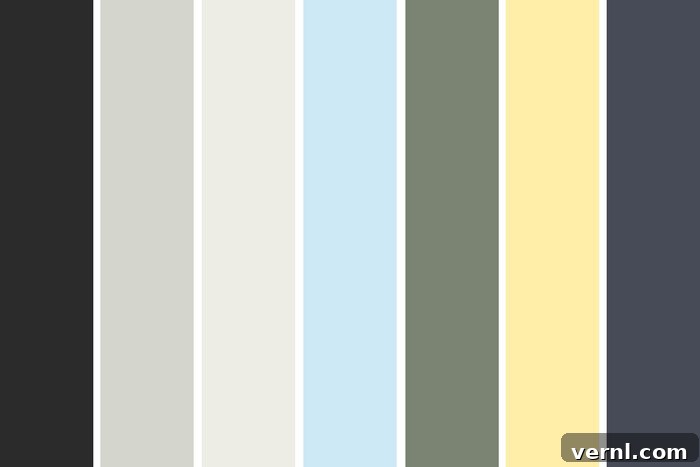
While cool grays, stark whites, and intense blacks have enjoyed a considerable reign over the past decade, gracing countless modern interiors, their dominance is gracefully coming to an end. As 2026 unfolds, a palpable shift towards warmer, more inviting, and nuanced tones is taking hold, signaling a departure from the minimalist and often impersonal aesthetic that these cooler shades represented. This evolution in taste reflects a broader desire for comfort, personality, and a connection to nature within our living spaces. Homeowners are increasingly seeking palettes that offer a sense of coziness and grounding, moving away from anything that feels sterile or overly stark. Let’s explore the specific colors that are making way for this new wave of warmth and sophistication, understanding why their time in the spotlight is concluding.
Tricorn Black, Sherwin-Williams
Tricorn Black by Sherwin-Williams, a deep, true black, has long been the quintessential black paint color, celebrated for its minimal undertones and consistent true color across various lighting conditions. It was a favorite for creating dramatic accent walls, sleek modern exteriors, and bold design statements. However, for 2026, the trend pendulum swings away from such starkness. Many designers and homeowners are now opting for alternatives that offer similar depth but with a softer, more organic feel. Deep browns, such as Benjamin Moore’s Silhouette, and lush greens, like Behr’s Hidden Gem, are emerging as preferred choices. These hues provide the desired drama and sophistication without the harshness of a true black, aligning better with the overarching theme of warmth and natural elegance that defines the upcoming year’s trends. The desire is for a rich, dark backdrop that still feels connected to the earth rather than a stark contrast.
Gray Owl, Benjamin Moore
Benjamin Moore’s Gray Owl, a once-loved gray that graced homes for over a decade, has become emblematic of the cool, crisp grays now colloquially known as “Millennial Gray.” This category of colors, and Gray Owl specifically, seemed to be ubiquitous in home interiors for a significant period, defining an era of sleek, modern, and often understated design. However, as we approach 2026, these cool grays are increasingly perceived as dated and lacking the warmth and personality that modern homeowners crave. The desire for cozier, more inviting spaces has led to a fatigue with the coolness and flatness that “Millennial Gray” can often impart. In its place, designers are turning to warmer greiges, complex browns, and more earthy neutrals that offer depth and a welcoming ambiance, proving that even a beloved neutral can eventually run its course.
Pure White, Sherwin-Williams
As its name suggests, Sherwin-Williams’ Pure White is a stark, crisp white renowned for its minimal undertones, reading as a true, unblemished white in most lighting. This color was a staple for creating bright, airy, and minimalist spaces, providing a clean canvas that amplified natural light. However, the design landscape for 2026 is moving beyond such starkness. These cool, unyielding whites are being passed over in favor of their softer, more nuanced, and significantly warmer counterparts. Homeowners are increasingly seeking whites that possess creamy, off-white, or even subtle greige undertones, aiming to create spaces that feel inherently softer, more comforting, and less clinical. The shift reflects a desire for a gentle embrace rather than a sharp contrast, proving that even the most fundamental colors evolve with changing tastes and design philosophies.
Light Blue, Benjamin Moore
The category of powder blue hues is largely on its way out, and Benjamin Moore’s Light Blue serves as a prime example of this gentle shade that recently experienced a resurgence, particularly popular on kitchen cabinets. While soft blues can evoke feelings of serenity, the specific lightness and coolness of powder blue no longer align with the dominant trends of 2026. The preference has shifted towards deeper, more sophisticated blues that carry a sense of gravity, or entirely away from blues towards the organic, muted greens and earth tones that define the current movement. Homeowners are seeking colors that feel more grounded and less saccharine. If a tranquil blue is desired, the trend leans towards deeper, complex teal-greens or grayish-blues that offer more depth and sophistication, rather than the light, airy pastels that are now fading from favor.
Sage Green, Behr
Interestingly, while warm, earthy greens are unequivocally on-trend for 2026, the specific hue of Sage Green, despite its inherent earthiness, is seeing a slight decline in prominence due to a bit of overexposure in the last couple of years. Its popularity led to its widespread adoption, making it feel less fresh for the upcoming year. While sage green itself is a beautiful, natural tone, the design world is now gravitating towards more unique and nuanced greens, such as the muted depths of Behr’s Hidden Gem or Valspar’s Warm Eucalyptus. However, Sage Green’s earthy appeal means it could see a faster rebound in popularity than some of the cooler tones on this list. It’s not out entirely, but rather taking a brief pause as designers explore other facets of the green spectrum, focusing on greens with more complex undertones or deeper saturation to maintain novelty and sophistication.
Dayroom Yellow, Farrow and Ball
Soft, buttery yellows, epitomized by shades like Dayroom Yellow from Farrow and Ball, have also gracefully fallen out of favor for 2026. While this hue had its moment in the spotlight in the last few years, celebrated for its cheerful and inviting warmth, buttery yellow can be notoriously challenging to integrate into modern interiors without inadvertently making a space feel dated. The vibrancy, even in a softer form, can sometimes overwhelm rather than complement. The current trend leans heavily towards subtler warmth derived from true neutrals, such as warm whites, khakis, and deeper earthy tones, which offer a sophisticated and enduring sense of comfort. If yellow is desired, the preference is for more muted, complex ochre tones or the natural warmth found in wood and textiles, rather than a direct yellow paint color that can easily shift a room’s aesthetic into a bygone era.
Hale Navy, Benjamin Moore
Classic navy blues, such as Benjamin Moore’s Hale Navy, have enjoyed a prolonged period of popularity, serving as a sophisticated and timeless choice for accent walls, cabinetry, and entire rooms. Its deep, rich tone offered a sense of traditional elegance and modern chic. However, much like true black paint colors, navy is now being supplanted by a desire for more organic and earthy alternatives. For 2026, the trend is moving towards deep, dark greens like forest or moss hues, and profound browns, often with charcoal undertones, similar to Benjamin Moore’s Silhouette. These alternatives provide the same dramatic depth and luxurious feel that navy once offered, but with an added layer of warmth and a more tangible connection to nature. The shift is about embracing colors that feel more grounded and less overtly cool, aligning with the broader push towards creating comforting and naturally inspired home environments.
RELATED:
- 7 Signs You’re Over-Decorating
- 18 Cheap Decor Ideas That Look Expensive
- 14 Traditional-Style Home Decor Ideas That are Still Cool