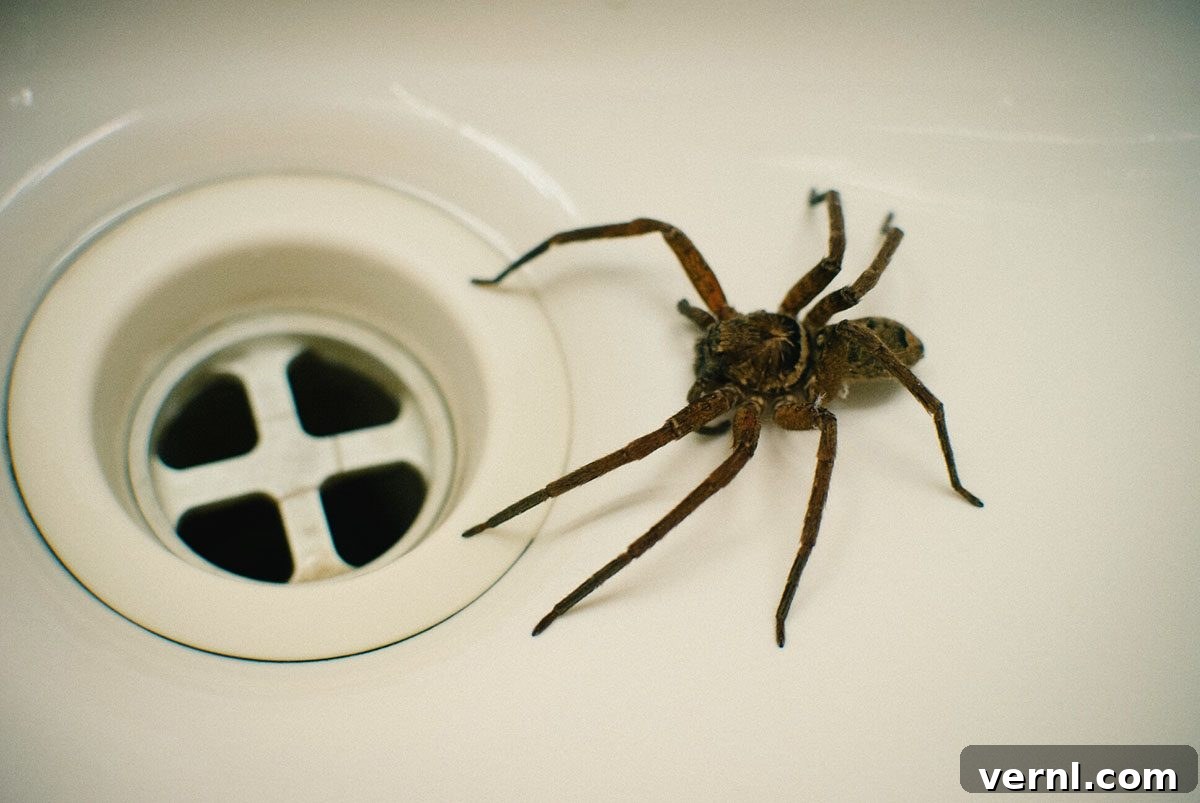
There’s nothing quite like the sudden jolt of seeing a spider in an unexpected place within your home. Whether it’s scurrying across the bedroom floor and vanishing under furniture, or a startling appearance in the bathroom sink late at night, these eight-legged visitors can certainly make your skin crawl. While many spiders are harmless and even beneficial, acting as natural pest control agents by preying on other insects, most homeowners prefer to keep them at arm’s length, especially out of living spaces. The sight of one spider often triggers the thought that there might be many more lurking in hidden corners, prompting a desire for effective and natural methods to deter them.
The quest for natural spider repellents is a common one, driven by a preference for non-toxic solutions over harsh chemicals. People often seek DIY methods that are safe for families and pets, making natural options particularly appealing. But which of these home remedies truly work, and which are simply old wives’ tales? One such remedy that often surfaces in discussions about natural pest control is the use of hedge apples. This peculiar fruit has garnered a reputation for its supposed ability to keep spiders and other unwanted critters at bay. Let’s delve into the effectiveness of hedge apples and explore other proven strategies to create a spider-free home environment.

Do Hedge Apples Really Repel Spiders? Unpacking the Myth
For years, a popular natural remedy for warding off spiders has been the hedge apple. These distinctive, green, bumpy fruits, which come from the Osage orange tree (Maclura pomifera), are believed by many to possess natural chemicals that deter not only spiders but also other common household pests. The lore suggests that simply placing hedge apples in various areas of your home, particularly in dark, undisturbed spots like an unfinished basement, attic, or backyard shed, will create an invisible barrier that spiders refuse to cross. Enthusiasts often recommend distributing them in places where spiders are frequently sighted or where you want to prevent their entry, keeping them out of reach of curious pets and children due to potential toxicity if ingested.
The theory behind hedge apples as a spider repellent often points to the chemical compounds they contain, particularly osajin and pomiferin. These compounds are thought to have insecticidal or repellent properties. However, despite widespread anecdotal evidence and fervent belief among some, scientific research on the efficacy of hedge apples specifically against spiders offers a more nuanced, and often disappointing, picture.
What the Science Says About Hedge Apples
While the appeal of an easy, natural solution like hedge apples is undeniable, it’s crucial to examine the scientific basis for these claims. One of the most frequently cited studies on the topic comes from Iowa State University. This research aimed to determine whether hedge apples could effectively deter various household pests. The findings, though showing some promise for certain insects, did not strongly support their effectiveness against spiders.
According to the Iowa State University study, “sliced hedge apples placed in enclosed, small spaces did repel insects.” This indicates some level of effectiveness, but primarily against specific types of pests such as German cockroaches, mosquitoes, and houseflies. The key takeaway, however, was a significant caveat: “However, there is still no evidence that putting whole fruit around the house or in the basement will have any effect on insect pests.” This distinction between sliced and whole fruit, and the specific pests affected, is critical. Spiders, it seems, were not significantly deterred by hedge apples in the same way other insects were.
This research suggests that while hedge apples might have some repellent qualities for certain insects when their compounds are more readily released (as in sliced fruit), their impact on spiders, particularly when the fruit is simply placed whole in open areas, is largely unproven. The compounds might not be released in sufficient concentrations to affect spiders, or spiders might simply not be sensitive to them in the same way some insects are. This leaves homeowners in a quandary: should they bother with hedge apples at all?
Considering Alternatives and Prevention
Given the mixed scientific evidence regarding hedge apples and spiders specifically, many homeowners prefer to invest their efforts in more reliably effective methods. While the jury may still be out on hedge apples for spiders, the desire to create a less creepy-crawly home remains strong. This often means focusing on a two-pronged approach: prevention and, if necessary, exploring other natural repellents that have stronger anecdotal or scientific backing. Ultimately, understanding how spiders enter your home and taking proactive steps to block their access proves to be the most effective long-term strategy for spider control.
Beyond Hedge Apples: How Spiders Get Into Your Home
Spiders are opportunistic creatures, constantly searching for shelter, food, and suitable breeding grounds. Your warm, insulated home, especially during colder months, can look like an ideal haven. They employ various clever methods to infiltrate your living space, often exploiting vulnerabilities that many homeowners overlook. Understanding these common entry points is the first crucial step in developing an effective prevention strategy.
Firstly, spiders are incredibly skilled at squeezing through the tiniest openings. They can easily fit through hairline cracks in your home’s foundation, gaps around window and door frames, and small tears in window or door screens. Even microscopic crevices that seem insignificant to us can be a wide-open invitation for a spider. Over time, houses settle, and materials contract and expand, leading to the formation of these subtle pathways that serve as express lanes for spiders.
Secondly, utility lines and vents create additional vulnerabilities. Gaps around pipes where they enter your house, dryer vents, and outdoor faucets can all act as entry points. These are often overlooked areas during routine home maintenance, providing easy access from the exterior directly into wall voids or basements.
Thirdly, spiders are expert hitchhikers. They can inadvertently be carried into your home on various items that have been stored outdoors or brought in from gardens, sheds, or garages. Firewood stacked outside, old boxes, gardening tools, potted plants, children’s toys, and even grocery bags can transport spiders, their egg sacs, or other insects they prey upon directly into your living space. This is a particularly common method for bringing in larger or more unusual species that might not typically seek entry on their own.
Finally, open doors and windows, especially those left ajar without screens, are obvious invitations. While we often enjoy fresh air, a screenless opening is a direct gateway not just for spiders but for all sorts of insects, which in turn attract spiders looking for a meal. Even screens with small holes or poorly sealed frames can be compromised, allowing persistent spiders to find their way inside.
Recognizing these common pathways is essential. Once you know how spiders are gaining access, you can implement targeted measures to seal off your home and significantly reduce the likelihood of unwanted spider encounters.
Comprehensive Strategies: How to Keep Spiders Out of Your House
Effective spider control is less about reactive removal and more about proactive prevention. By understanding how spiders enter and what attracts them, you can implement a series of measures to make your home an unappealing environment for these eight-legged guests. A multi-faceted approach, focusing on sealing entry points, maintaining a clean environment, and managing exterior factors, is key to long-term success.
1. Seal and Repair All Entry Points
This is arguably the most critical step. Spiders need only the smallest crack to gain access. A thorough inspection of your home’s exterior and interior is necessary:
- Foundation and Walls: Walk around the perimeter of your home and inspect the foundation for any cracks or holes. Use caulk, expanding foam, or mortar to seal these gaps. Pay close attention to areas where pipes or wires enter the house.
- Windows and Doors: Check window frames and door frames for gaps. Apply weatherstripping or caulk around them. Ensure that all windows and doors fit snugly into their frames when closed. Repair or replace any torn screens on windows and doors, as even a small hole can be an invitation.
- Vents and Utilities: Inspect vents (dryer, attic, foundation) and utility entry points (gas, water, electrical lines) to ensure they are properly sealed. Use mesh screens over larger openings like vents to prevent access while still allowing airflow.
- Garage Doors: The gap under garage doors can be a significant entry point. Install a garage door seal or sweep to close this gap.
- Attic and Basement: These areas often have numerous small openings. Seal any cracks or gaps in walls, around utility lines, and in the ceiling of basements.
2. Be Diligent About Decluttering and Cleaning
Spiders love dark, undisturbed places where they can spin webs and find prey. Reducing clutter and keeping your home clean eliminates these attractive habitats:
- Declutter Storage Areas: Basements, attics, garages, and closets are prime spider real estate. Reduce clutter by organizing items into sealed plastic bins rather than cardboard boxes, which spiders love to inhabit.
- Regular Vacuuming and Dusting: Frequently vacuum carpets, rugs, and upholstery. Dust shelves, corners, and behind furniture to remove existing webs, spiders, and their egg sacs. A vacuum cleaner with a hose attachment is excellent for reaching high corners and crevices.
- Under Furniture: Regularly move and clean under beds, dressers, and sofas.
- Firewood and Outdoor Items: Never store firewood inside your home, as it’s a common hiding spot for spiders and other insects. If you must bring in firewood, do so only right before use and inspect it thoroughly. Shake out or inspect any outdoor items like gardening tools, toys, or storage bins before bringing them inside.
3. Manage Exterior Attractants
What happens outside your home can directly influence what happens inside. By controlling the environment immediately surrounding your house, you can reduce spider activity:
- Landscaping: Keep shrubs, trees, vines, and other vegetation trimmed and away from your home’s foundation and walls. Spiders use these as bridges to get onto your house.
- Mulch and Ground Cover: While beneficial for gardens, mulch, rocks, and other ground covers close to the foundation can provide hiding spots for spiders and their prey. Create a gravel or clear barrier of at least 6-12 inches around your foundation if possible.
- Outdoor Lighting: Exterior lights, especially white or bright lights, attract flying insects, which are a primary food source for spiders. Consider switching to yellow “bug lights” or motion-activated lights that only turn on when needed. Position lights away from entryways.
- Remove Debris: Clear away leaf litter, woodpiles, old tires, and other debris from around your home. These provide excellent hiding spots for spiders.
4. Control Other Household Pests
Spiders are drawn to homes primarily because of the presence of their prey. By managing other insect populations, you naturally make your home less attractive to spiders:
- General Pest Control: Implement general pest control measures to reduce populations of flies, mosquitoes, ants, and cockroaches. This could involve proper food storage, cleaning up crumbs, and addressing moisture issues.
- Seal Food Containers: Keep pantry items in airtight containers to prevent attracting ants, roaches, and other food-seeking insects.
5. Address Humidity and Moisture
Many spiders prefer damp, humid environments. Reducing moisture can make certain areas of your home less appealing:
- Dehumidifiers: Use dehumidifiers in damp basements, crawl spaces, and laundry rooms.
- Fix Leaks: Promptly repair any leaky pipes, faucets, or roof leaks.
- Ensure Ventilation: Improve ventilation in bathrooms and kitchens to reduce humidity.
6. Natural Repellents (with caveats)
While hedge apples show mixed results, some other natural options are often suggested. These should be considered supplementary to physical prevention, not replacements:
- Peppermint Oil: Spiders reportedly dislike the strong scent of peppermint. Mix 10-15 drops of peppermint essential oil with water in a spray bottle and mist around windows, doors, and crevices.
- Cedar: Cedar blocks or shavings are sometimes used, as some spiders are thought to dislike its aroma.
- Vinegar: A diluted white vinegar spray can be used on surfaces, though its effectiveness as a spider repellent is more anecdotal than scientific.
While seeing a spider can be startling, remember that most common house spiders are harmless and even beneficial. The goal of spider control is usually to keep them out of main living areas rather than eradicate them completely. By implementing these comprehensive prevention strategies, you can significantly reduce the number of spiders in your home, creating a more comfortable and spider-free environment for you and your family.