
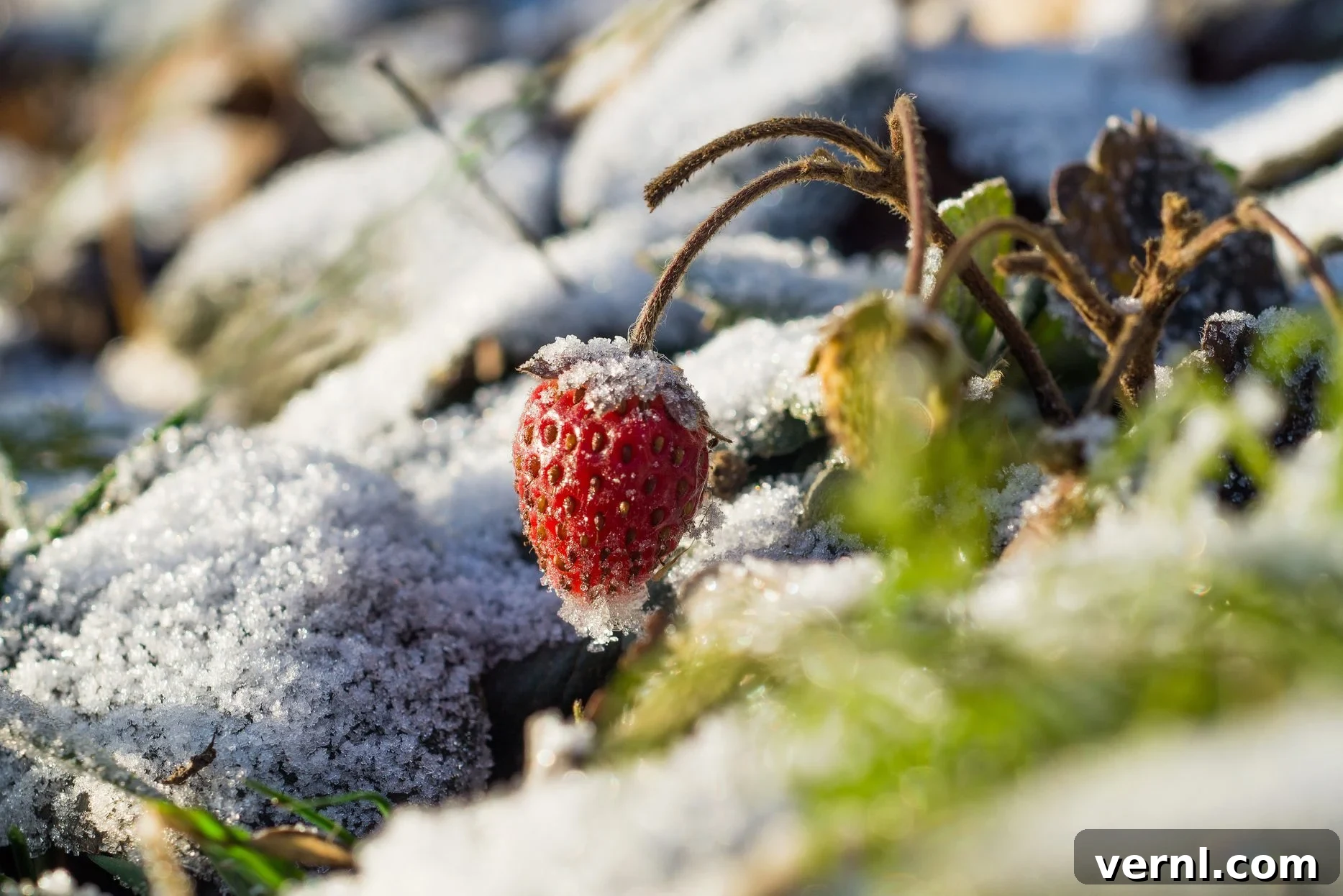
There’s an undeniable joy that comes with plucking the first ripe, sweet strawberries from your own strawberry bed as early summer blooms. That delightful burst of homegrown flavor is a memory cherished throughout the year, especially on the chilliest winter days when garden dreams take hold. The anticipation of next season’s harvest makes all the effort worthwhile, particularly the crucial step of winterizing your strawberry plants. This essential practice ensures that your precious plants not only survive the harsh cold but thrive, setting the stage for an even more abundant yield of succulent berries in the coming year.
Why Winterize Strawberry Plants? Protecting Your Investment for a Bountiful Harvest
While strawberries are generally quite resilient and considered hardy enough to flourish across a broad range of climates, typically thriving in U.S. Department of Agriculture Plant Hardiness Zones 4 through 8, their vulnerability to extreme winter conditions is often underestimated. Understanding the “why” behind winterization is key to appreciating its importance and executing it effectively.
Preventing Crown Damage: The Heart of Your Strawberry Plant
The crown of a strawberry plant is its central growing point, an incredibly vital part located just at or below the soil surface. This is where new leaves, flowers, and runners emerge. If temperatures plummet below a critical threshold, often around 20 degrees Fahrenheit (-6 degrees Celsius), and the plant crowns are left exposed and unprotected, they can suffer irreversible damage or even die. This damage doesn’t just mean fewer berries; it can lead to the complete loss of the plant. Proper winterization acts as an insulating blanket, safeguarding these vital crowns from freezing temperatures and ensuring the plant’s core remains healthy and ready for spring growth.
Combating Frost Heave: Protecting Essential Roots
Another significant threat strawberries face during winter, particularly in regions with fluctuating temperatures, is a phenomenon known as frost heave. This occurs when periods of freezing temperatures rapidly alternate with thawing periods. As the ground freezes, ice crystals form and expand, pushing the soil (and anything rooted within it) upwards. When the ground thaws, it settles, but the plant’s roots may not settle back into place, leaving them exposed to the air. Exposed roots quickly dry out, desiccate, and eventually die, leading to a weakened or dead plant. Winter mulching provides a stable, insulating layer that helps to regulate soil temperature, minimizing the dramatic freeze-thaw cycles that cause frost heave and keeping those crucial roots firmly anchored and moist.
Ensuring Productivity and Longevity
Beyond immediate survival, winterizing strawberry plants plays a critical role in enhancing their overall health, productivity, and longevity. A well-protected plant conserves energy during its dormant phase, emerging stronger in the spring with more vigor for producing abundant fruit. Neglecting winter protection can lead to stressed plants, smaller harvests, and a shorter lifespan for your strawberry patch, forcing you to replant more frequently. By taking the time to prepare your strawberry bed for winter, you’re investing in a more consistent, healthier, and more generous harvest year after year.
When to Winterize Strawberry Plants: Timing is Everything
Successfully winterizing strawberry plants hinges significantly on proper timing. While it’s tempting to rush into protective measures at the first sign of cold, patience is a virtue in this process. Giving your strawberry plants sufficient time to naturally acclimate to the gradually cooling weather is crucial for their long-term health and successful dormancy.
Allowing for Natural Acclimation and Dormancy
Strawberry plants need to undergo a natural hardening-off process, where they gradually adapt to colder temperatures. During this period, their internal processes slow down, and they begin to enter a dormant state, which is essential for surviving winter. Mulching too early, when temperatures are still relatively mild, can actually be detrimental. An early mulch can trap warmth, delaying dormancy and potentially encouraging new growth that would be vulnerable to the first hard freeze. It can also create an inviting environment for pests like rodents to nest and feed on your plants throughout the winter.
Observing Key Indicators for Optimal Timing
As a general guideline, there’s no need to rush this task before late fall. You should wait until your plants have stopped actively growing and the ground surface has begun to freeze, but not deeply. This typically means waiting until after several hard frosts have occurred, and temperatures consistently drop below freezing, sometimes even into the low 20s Fahrenheit (-6 to -8 Celsius) during the day, before applying your protective layer. For colder USDA zones (like 4 or 5), this might mean implementing the final steps of preparing strawberry plants for winter sometime in November. In milder zones, such as USDA Zone 6 or 7, you might not need to mulch until December. Always observe your local weather patterns and the specific condition of your plants rather than adhering strictly to calendar dates.
Identifying Your Strawberry Plants
It’s also a good moment to ensure you’re protecting the right plants! Familiarize yourself with the difference between mock and wild strawberry plants versus the cultivated varieties you intend to harvest. Mock strawberries (Potentilla indica) often look similar but produce tasteless fruit and may not require the same level of winter care, while wild strawberries (Fragaria virginiana or Fragaria vesca) are typically more cold-hardy due to their natural adaptations but may still benefit from protection in extreme conditions.
Tools and Materials for Winterizing Strawberry Plants: Essential Supplies for Protection
When it comes to providing your strawberry plants with adequate winter protection, the right tools and materials can make all the difference. The primary goal is to create an insulating barrier that shields the crowns and roots from extreme cold and prevents the damaging freeze-thaw cycles.
The Mulch of Choice: Clean Straw
For most growers, especially those in colder USDA zones where temperatures regularly dip below 20 degrees Fahrenheit (-6 degrees Celsius), a four- to six-inch layer of clean straw works exceptionally well as a protective mulch. Straw is lightweight, provides excellent insulation, and is easy to apply and remove. When purchasing locally, it’s crucial to be absolutely certain you are buying straw and not hay. Hay, which is primarily dried grasses and legumes used for animal feed, typically contains a significant amount of weed seeds that will sprout in your strawberry bed come spring, creating a considerable weeding headache. Straw, on the other hand, consists of the dry stalks of cereal grains (like wheat, oats, or barley) after the grain has been harvested, and is relatively free of viable seeds.
Important Considerations for Straw
- Herbicide-Free: Always inquire if the straw was treated with any herbicides. Residual herbicides can leach into your soil and severely damage or kill your strawberry plants, even if they were applied to the original crop. Opt for organic or untreated straw whenever possible.
- Source: Purchase straw from reputable garden centers, farm supply stores, or local farmers who can confirm its origin and treatment history.
Alternative Mulching Materials
While straw is often the preferred choice, several other materials can also be effectively used for mulching strawberries, provided they meet certain criteria:
- Pine Needles: These are an excellent option, especially for gardeners looking to slightly acidify their soil, which strawberries generally appreciate. Pine needles are lightweight, allow for good air circulation, and don’t mat down easily when wet, preventing moisture from becoming trapped and potentially promoting rot. They are also usually free of weed seeds.
- Coarsely Chopped Leaves: If you have an abundance of fall leaves, they can be a great, free source of mulch. However, it’s vital to shred them first using a leaf shredder or by running over them with a lawnmower. Whole leaves can compact and mat down when wet, forming an impenetrable layer that can smother plants and create anaerobic conditions. Shredded leaves, especially coarser ones, provide better insulation and air flow. Ensure the leaves are free of disease or pests.
- Other Coarsely Chopped Plant Material: Any material that is airy, doesn’t mat down excessively when wet, and is free of weed seeds can work. Examples might include corn stalks (shredded), certain types of wood chips (applied sparingly and ensuring they don’t draw nitrogen from the soil), or even specialized horticultural fabric in very specific cases.
Regardless of the material chosen, the goal remains the same: to provide a consistent, insulating layer that protects your plants from the extremes of winter while allowing for some air circulation to prevent fungal diseases.
How to Winterize Strawberries: A Step-by-Step Guide
Protecting your strawberry plants for winter is a straightforward process when you follow these clear steps. Once your strawberry patch is safely tucked in, consider learning how to winterize your vegetable garden next to ensure all your garden investments are protected.
General Preparations Before Mulching
Before you apply any protective mulch, a little pre-winter cleanup goes a long way in ensuring your strawberry plants remain healthy throughout their dormancy.
- Thorough Weeding: It is paramount to weed your strawberry bed meticulously before the ground freezes. Weeds compete with your strawberry plants for nutrients and moisture, even in winter. More importantly, they can provide shelter for pests and fungal diseases that might overwinter and emerge to plague your plants in spring. A clean bed reduces these risks significantly.
- Adequate Watering: If your fall has been particularly dry, continue to water your strawberry plants deeply until the ground begins to freeze and plants go fully dormant. Well-hydrated soil retains heat better than dry soil and provides a crucial buffer against freezing temperatures. This is especially important for newly established beds, where roots may not be as extensive. Ensure the soil is moist, but not waterlogged, as you approach winter.
- Clearing Debris: Remove any old, diseased, or damaged leaves, as well as fallen debris from the bed. This practice helps to minimize hiding spots for pests and reduces the potential for fungal diseases to develop during the damp, cool winter months.
- Trimming Runners (Optional): If your plants have produced many runners, you might consider trimming them back now. This directs the plant’s energy towards strengthening the main crown for winter survival rather than supporting new plantlets that may not have enough time to establish before the cold sets in.
Winterizing Strawberry Plants in the Ground
Once your preparations are complete and the timing is right (after consistent hard frosts and the ground surface begins to freeze), you can apply your protective mulch.
- Apply Mulch Generously: If you live in a region where temperatures frequently dip below 20 degrees Fahrenheit (-6 degrees Celsius), or where conditions alternate between freezing and thawing, cover your strawberry plants with a four- to six-inch layer of clean straw. Spread the straw evenly over the entire bed, ensuring that the crowns of all plants are completely covered. The goal is to create a consistent, insulating blanket that protects against both extreme cold and temperature fluctuations.
- Secure the Mulch: In windy areas, you might need to lightly weigh down the straw with a few branches or a light netting to prevent it from blowing away.
Spring Management for In-Ground Beds
The job isn’t over once winter arrives. Proper spring management of your mulch is just as important for a successful harvest.
- Timing for Mulch Removal: In spring, once the danger of severe frost has largely passed and you begin to see new green growth emerging beneath the straw, it’s time to remove the bulk of the mulch. This is typically when daytime temperatures consistently rise above freezing. Removing it too early exposes tender new growth to late frosts, while leaving it on too long can hinder growth, create a damp environment conducive to disease, and warm the soil too slowly.
- Partial Removal and Repurposing: Don’t remove all the straw. Rake back most of it, leaving a thin layer (about one inch) on the ground around the base of the plants. This remaining straw serves multiple beneficial purposes throughout the growing season: it helps to suppress weeds, retains soil moisture, and most importantly, it keeps the developing fruit clean by preventing direct contact with the bare soil.
- Stash for Later Use: Gather the removed straw and stash it nearby in a dry spot. This reserved straw will be invaluable for protecting your plants if an unexpected late spring frost is predicted after your strawberries have started to flower. Simply cover the flowering plants with the straw again to protect the delicate blooms from frost damage, which can severely impact your fruit set. Remove it again once the danger has passed.
Winterizing Strawberry Plants in Pots and Containers
Overwintering strawberry plants in pots or containers can present unique challenges, as the soil in pots is more exposed to freezing temperatures than in the ground. However, with the right approach, it’s entirely achievable.
- Relocate to a Sheltered, Unheated Space: At around the same time you’d winterize your in-ground plants (after several hard frosts and plants have entered dormancy), move your potted strawberry plants to an unheated garage, shed, or unheated outbuilding. The key is to keep them cold enough to maintain dormancy (typically between 20-40 degrees Fahrenheit / -6 to 4 degrees Celsius) but protected from extreme freezing and thawing cycles. Avoid bringing them into a warm, heated home, as this will break dormancy and lead to leggy, weak growth.
- Minimal Watering: While in storage, check the soil occasionally. Water sparingly, just enough to keep the potting mix slightly moist but never wet. Overwatering dormant plants in cold conditions can lead to root rot.
- Burying Containers: Another highly effective option is to bury the entire container in your garden or a larger insulated container. Dig a hole large enough for the pot, leaving the top exposed, and then backfill with soil around the sides of the pot. Once buried, cover the exposed top of the container and the surrounding soil surface with a four- to six-inch layer of straw or other suitable mulch. This method provides the roots with the same insulation as in-ground plants.
- Insulating Containers in Place: If relocating or burying isn’t feasible, you can try insulating the containers in place. Group pots together tightly, wrap them with burlap, bubble wrap, or old blankets, and then cover the top of the soil in each pot with a layer of straw. While less effective than burying or moving indoors, this can offer some protection in milder climates.
Spring Awakening for Potted Plants
As spring approaches, gradually reintroduce your potted plants to outdoor conditions. Move them out on warmer days and back in if frost is predicted. Once the danger of hard frost is truly over, they can remain outdoors. Check the potting soil and consider refreshing the top layer or repotting if the plants appear root-bound. Begin regular watering and feeding as new growth commences.
Troubleshooting and Replanting
If, despite your best efforts, your potted plants don’t grow back in the spring, don’t despair. Overwintering in pots can be tricky. It’s often best to simply pull out the dead plants, replace some of the old potting soil with fresh, nutrient-rich mix, and start over with new strawberry plants. This allows you to learn from the experience and try again for a successful harvest.
Proper winterization is a small investment of time that yields significant returns in the form of healthier, more productive strawberry plants and an abundance of delicious fruit. By following these guidelines, you can ensure your strawberry patch remains a vibrant source of enjoyment for many seasons to come, transforming those winter dreams into sweet summer realities.