The Eco-Friendly Choice: A Comprehensive Guide to Bamboo Toilet Paper
In an era increasingly defined by environmental consciousness, even the most mundane household products are under scrutiny. Take toilet paper, for instance. For something that literally gets flushed away, its journey from forest to bathroom roll often carries a surprisingly heavy environmental footprint. The vast majority of popular toilet paper brands rely on 100 percent virgin wood fiber, often harvested from expansive stretches of vital boreal forests. This practice of felling ancient trees not only decimates critical ecosystems but also releases colossal amounts of stored carbon into the atmosphere, significantly exacerbating climate change.
If the environmental implications of manufacturing toilet paper in this traditional manner strike you as unsustainable and wasteful, you are certainly not alone. A growing segment of consumers is actively seeking more responsible options, and astute companies are beginning to respond to this surging demand for sustainable and renewable products. This shift is manifesting in the increased availability of recycled and alternative-fiber tissue products. The concerted efforts of environmental advocacy groups, a more informed public, and even increasingly vocal investors appear to be yielding positive results, pushing manufacturers towards greener practices.
While 100 percent recycled paper remains the gold standard for achieving the most significant climate returns, alternative fibers such as bamboo are also emerging as crucial players in the sustainable tissue market. “Bamboo fiber boasts a considerably smaller climate impact compared to fiber derived from primary forests, though its impact is still greater than that of recycled content,” explains Ashley Jordan, a leading expert at the Natural Resources Defense Council (NRDC) and author of the influential report, The Issue with Tissue 2.0. This nuanced understanding highlights bamboo’s valuable role as an intermediary step for consumers looking to transition away from virgin wood products.
What Exactly is Bamboo Toilet Paper?
As its name clearly implies, bamboo toilet paper is crafted from bamboo, a remarkably fast-growing grass, rather than the traditional wood pulp. This fundamental difference is what underpins its environmental advantages. Bamboo is an incredibly efficient resource; it matures at an astonishing rate, often reaching harvestable size in just a few years compared to the decades required for trees. Furthermore, its cultivation typically demands less water and fewer pesticides than conventional forestry or agricultural crops. For many, the transition to bamboo toilet paper is seamless, with its look and feel often described as remarkably similar to conventional tissue, dispelling common misconceptions about rough or unfamiliar textures.
Unpacking the Benefits and Drawbacks of Bamboo Toilet Paper
Bamboo toilet paper presents a compelling proposition for environmentally conscious consumers, offering numerous advantages over its traditional counterparts. However, it’s essential to approach it with a balanced perspective, acknowledging that it isn’t a universal panacea for all environmental concerns. Ashley Jordan of the NRDC advises consumers to prioritize 100 percent recycled toilet paper, particularly those with a high percentage of post-consumer recycled content, as the most impactful choice. Nevertheless, bamboo offers a significant improvement over virgin wood products. Let’s delve into its key benefits and drawbacks:
- Highly Renewable Resource: One of bamboo’s most celebrated attributes is its extraordinary regenerative capacity. Certain bamboo species can grow an astounding 36 inches per day, making it one of the fastest-growing plants on Earth. Unlike trees, which die after being harvested, bamboo plants regenerate from their existing root systems, eliminating the need for replanting after each harvest. This rapid growth cycle means bamboo forests can be sustained without the long-term ecological impact associated with logging old-growth or boreal forests.
- Significant Reduction in Carbon Emissions: The production of bamboo toilet paper is estimated to release approximately 30 percent fewer carbon emissions than that of virgin-pulp toilet paper. This is attributed not only to bamboo’s rapid growth and carbon sequestration capabilities but also to more efficient processing methods and reduced energy consumption compared to the intensive logging and milling required for wood pulp. By opting for bamboo, consumers can actively contribute to a lower carbon footprint in their daily lives.
- Supports Biodiversity and Soil Health: Properly managed bamboo plantations can help stabilize soil, prevent erosion, and even improve soil quality due to bamboo’s extensive root network. Furthermore, substituting bamboo for virgin wood can alleviate pressure on old-growth forests, which are vital habitats for countless species and critical for global biodiversity.
- Generally Costs More: Despite its environmental advantages, bamboo toilet paper often comes with a higher price tag. Even less expensive bamboo toilet paper brands typically cost more than a dollar per roll, with some premium brands being significantly more expensive. This higher cost is often due to smaller-scale production, specialized manufacturing processes, and sometimes, the complexities of international supply chains. For many, this cost differential is the primary barrier to making the switch.
- Varied Comfort Levels: While many manufacturers tout bamboo’s softness and similarity to traditional tissue, customer experiences can vary. Some consumers report that bamboo toilet paper is not as soft or plush as the highly processed, multi-ply virgin wood tissues they are accustomed to. However, advancements in processing are continually improving the texture, and many brands now offer bamboo paper that rivals conventional softness.
- Sourcing Concerns and “Greenwashing”: It’s crucial to understand that not all bamboo toilet paper is created equal from a sustainability standpoint. “One of the most significant sustainability concerns is whether the bamboo was sourced from a plantation that was established through the clear-cutting and conversion of a natural forest,” Jordan cautions. This highlights the importance of scrutinizing brands and looking beyond superficial “eco-friendly” claims. The rise of greenwashing means consumers must be vigilant in verifying a product’s true environmental credentials.
Ensuring Ethical and Sustainable Sourcing: What to Look For
When transitioning to bamboo toilet paper for ethical or environmental reasons, it is absolutely paramount to be acutely aware of what you are purchasing. Simply being “bamboo” doesn’t automatically guarantee peak sustainability. To ensure your choice genuinely supports environmental stewardship and responsible practices, look for the Forest Stewardship Council (FSC) logo prominently displayed on tissue products. This certification mark serves as a robust indicator that “the fiber was sourced in a way that respects human rights and limits negative forest impacts,” as emphasized by Jordan. FSC certification signifies that the bamboo has been harvested from responsibly managed forests, ensuring environmental and social benefits. It helps consumers navigate the complexities of supply chains and make informed decisions, protecting against deceptive greenwashing tactics.
Is Bamboo Toilet Paper Safe for Septic Systems?
A common concern for homeowners, particularly those with septic systems, is whether alternative toilet papers will cause blockages or damage. Rest assured, bamboo toilet paper is generally considered septic-safe. According to numerous manufacturer websites and independent tests, bamboo toilet paper dissolves quickly and efficiently, similar to or even better than many traditional brands. Being a grass, bamboo is 100 percent biodegradable, breaking down readily and posing no threat to the delicate balance of a well-maintained septic system. Its fibrous structure allows it to disintegrate effectively in water, preventing clogs and ensuring the smooth operation of your plumbing and septic tank.
What Users Are Saying: Comfort, Cost, and Conscience
While manufacturers consistently highlight bamboo’s comfort and close resemblance to regular toilet paper, the true test lies in customer experience. What do everyday users think when they make the switch?
Amazon verified purchaser, Jo, highly recommends Caboo bamboo toilet paper, specifically noting its familiar feel. “I was pleasantly surprised by the softness of this tissue,” she enthusiastically writes, indicating that her initial apprehensions about texture were happily unfounded.
Other consumers, while perhaps not entirely convinced by claims of superior softness, are profoundly motivated by the positive environmental impact. Amazon verified purchaser, Jackie, provided a video review for Reel bamboo toilet paper. She acknowledges the trade-off: “It costs a little more, and it’s not as soft as other toilet paper, but it makes me feel like I’m supporting the environment with this tiny step,” she explains, highlighting the moral satisfaction derived from choosing an eco-conscious product.
Cost, naturally, is a significant factor for many households, but perspective plays a crucial role. M.Hance, reviewing The Cheeky Panda brand on Amazon, found the value compelling: “Per roll I can’t beat the price.” While conceding that “It’s not as soft as Charmin or quilted,” M.Hance still praises its quality and expresses strong alignment with the brand’s mission: “but it’s very nice and I love what the company stands for.” These testimonials underscore that for many, the environmental and ethical benefits outweigh minor perceived differences in cost or softness, making bamboo toilet paper a choice aligned with their values.
Where to Find Your Sustainable TP: Buying Options
The increasing popularity of bamboo toilet paper has led to its wider availability, making it more convenient than ever to make the switch. Consumers can readily find a variety of brands at major online retailers such as Amazon, offering competitive pricing and home delivery options. Furthermore, many conventional grocery stores and natural food markets, including prominent chains like Kroger and Whole Foods, have begun stocking bamboo toilet paper alongside traditional brands. This presence in mainstream retail outlets significantly enhances accessibility.
Another viable option is purchasing directly from manufacturers through their official websites. While this might sometimes involve paying for shipping, many brands offer incentives like first-time buyer discounts or bulk purchase options. Exploring subscription services can also be an excellent strategy for saving money and ensuring you never run out of this essential product. These services often provide discounts on recurring orders and free shipping, adding convenience and cost-effectiveness to your sustainable bathroom routine.
Top Picks: Navigating the Bamboo Toilet Paper Market
Ready to make the mindful transition to bamboo toilet paper but unsure where to start? We’ve curated some of the best options available, balancing ease of access, budget-friendliness, and overall sustainability.
Best Subscription Bamboo Toilet Paper
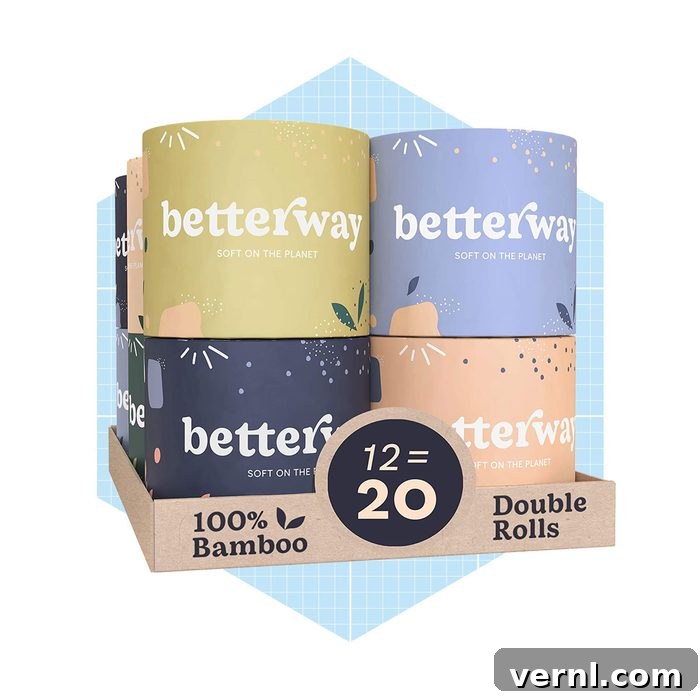
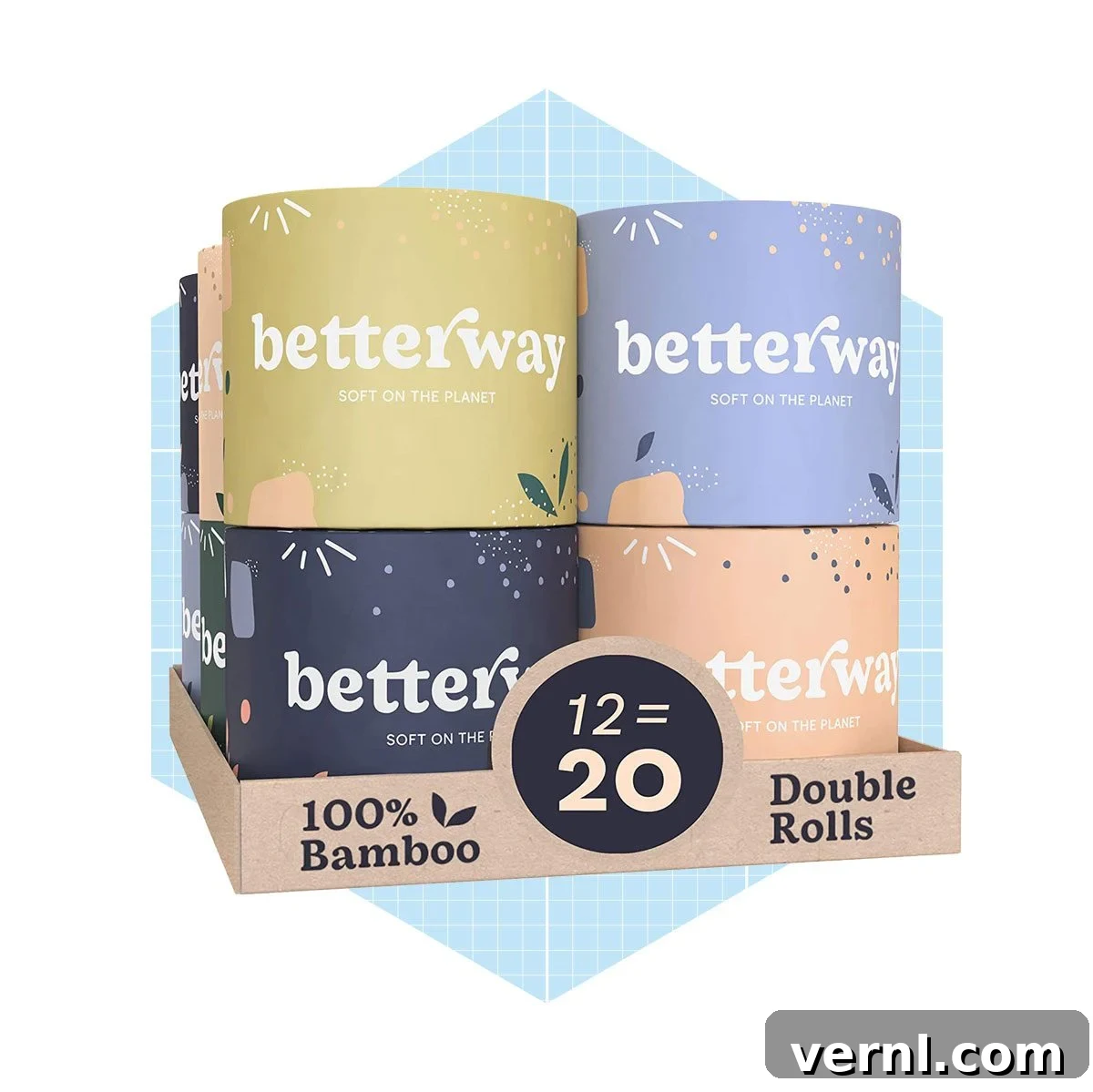
For consistent delivery and added savings, Betterway bamboo toilet paper offers a five percent discount on subscriptions through Amazon’s Subscribe & Save program. You can unlock an additional five percent off if you bundle other eligible products into your recurring order. This makes Betterway an attractive choice for those looking to automate their sustainable living choices while keeping costs down.
Best Budget Bamboo Toilet Paper
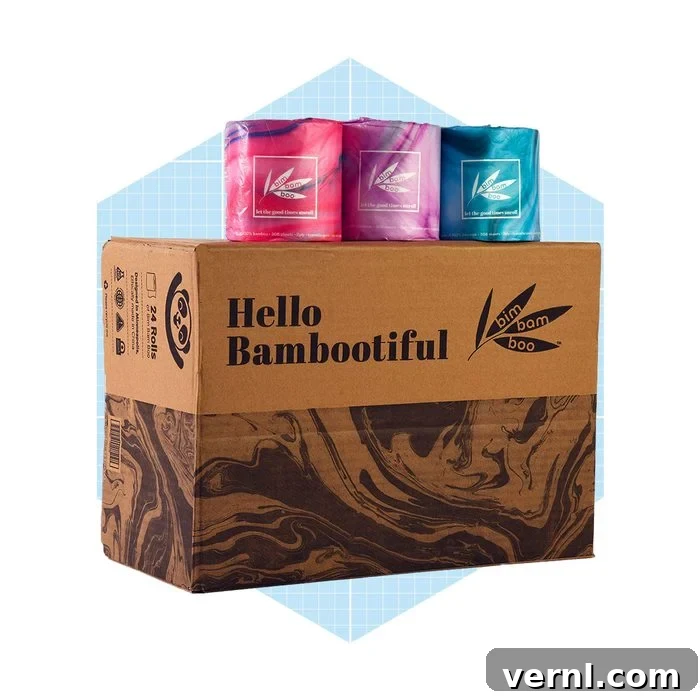
If cost is a primary concern without compromising on ethics, Bim Bam Boo’s bamboo toilet paper stands out. Priced at $27.99 for 24 rolls, it represents excellent value in the bamboo toilet paper market. The company sweetens the deal with free shipping and a $5.00 discount for new sign-ups. Beyond its affordability, Bim Bam Boo is recognized for its commitment to sustainability, earning a commendable B-plus on the NRDC’s sustainable tissue scorecard – a higher rating than any other bamboo toilet paper brand, indicating superior environmental performance.
Best Easy-to-Find Bamboo Toilet Paper
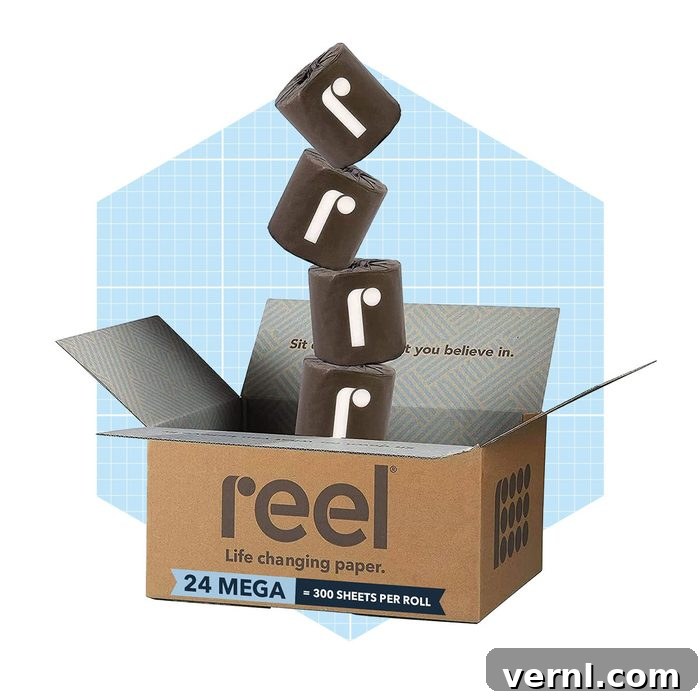
Convenience is key when integrating sustainable choices into a busy lifestyle. Reel bamboo toilet paper excels in this regard, being widely available across multiple platforms. You can purchase Reel on Amazon, at Walmart, and even through Target, in addition to directly from the Reel website. This widespread retail presence makes Reel one of the easiest bamboo toilet paper brands to locate and purchase, proving that making an eco-conscious choice doesn’t have to be an inconvenient one.
Conclusion: A Small Change for a Big Impact
The journey towards a more sustainable future often begins with small, conscious choices in our daily lives, and selecting eco-friendly toilet paper is a prime example. Moving beyond traditional virgin wood pulp, which contributes significantly to deforestation and climate change, bamboo toilet paper offers a compelling and increasingly accessible alternative. Its rapid renewability, lower carbon footprint, and septic-safe nature make it a responsible choice for both your home and the planet.
While factors like cost and perceived comfort can present initial hurdles, the growing market offers a diverse range of bamboo options to suit various preferences and budgets. By prioritizing products with certifications like FSC and supporting brands committed to transparent, ethical sourcing, consumers can make a genuine difference. Embracing bamboo toilet paper is more than just a purchase; it’s a statement—a tangible step towards reducing our environmental impact and fostering a healthier, more sustainable world for generations to come.