Navigating Public Lands: A Comprehensive Guide to What You Can and Can’t Take
America’s state and federal lands represent some of our nation’s most invaluable treasures. These vast expanses serve a multitude of purposes: they are critical habitats for diverse wildlife, custodians of breathtaking natural landscapes, and boundless arenas for recreation and exploration. While these public lands are intended for the enjoyment and use of all citizens, their accessibility comes with a significant responsibility. It’s a common misconception that “public” means unrestricted; in reality, a complex web of rules and regulations dictates what can and cannot be removed from these protected areas.
Whether your interest lies in observing wildlife, collecting plants, searching for historical artifacts, or uncovering ancient fossils, different regulations apply depending on the specific area you visit and the nature of what you intend to collect. Disregarding these guidelines can lead to severe penalties, environmental damage, and the irreversible loss of precious resources.
To provide clarity on this crucial topic, we’ve compiled an in-depth guide outlining key items that are strictly prohibited from removal from federal or state lands, alongside activities that might be permitted under specific conditions or with the appropriate authorization. To help us navigate these intricacies, we’ve enlisted the invaluable expertise of Cynthia Hernandez, a spokesperson for the National Park Service, who offers critical insights into preserving these cherished spaces.
Understanding State and Federal Lands: Our Shared Natural Heritage
State and federal lands encompass expansive areas managed and controlled by various governmental agencies. Their primary objectives typically revolve around conservation, recreation, and, in some cases, sustainable resource management or economic benefit. These lands are categorized by the managing authority, each with distinct mandates and operational guidelines.
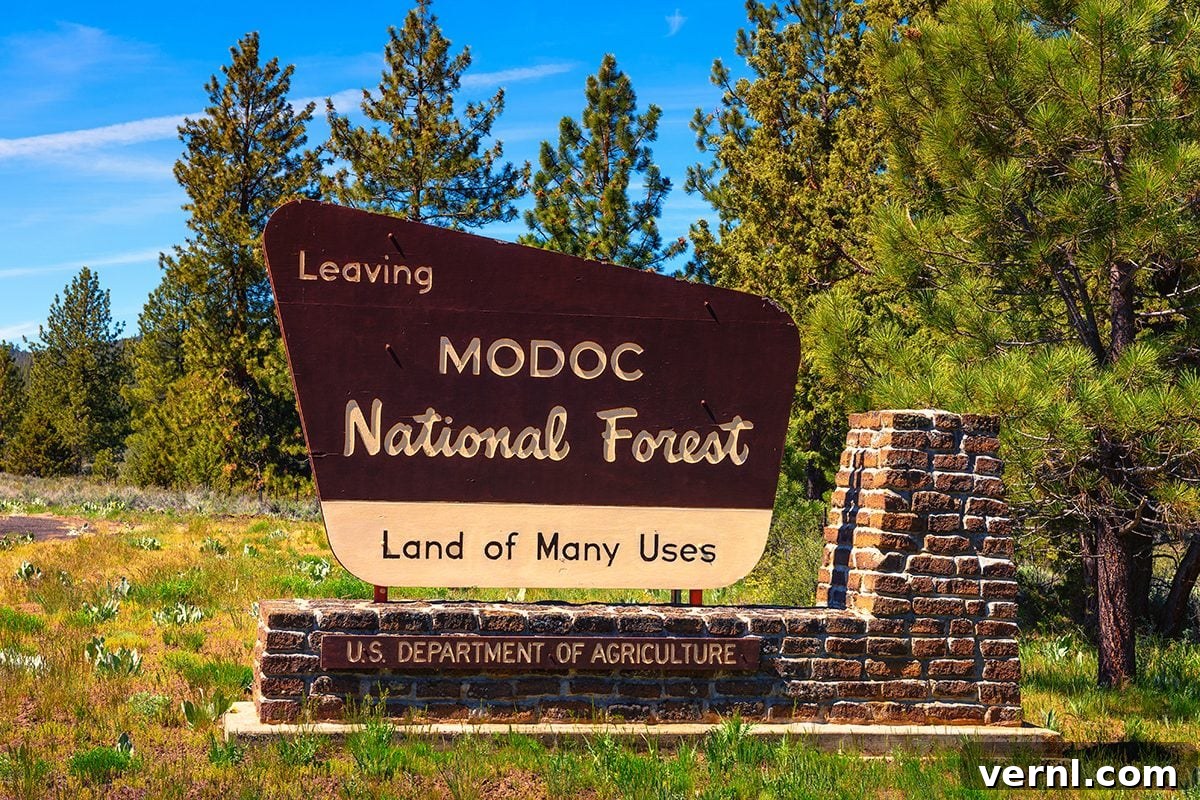
On the federal level, major land management agencies include the National Park Service (NPS), renowned for its focus on preservation and public enjoyment of natural and cultural wonders; the United States Forest Service (USFS), which manages national forests and grasslands for multiple uses including recreation, timber, and wildlife; the Bureau of Land Management (BLM), responsible for sustaining the health, diversity, and productivity of public lands for the use and enjoyment of present and future generations; and the Department of Fish and Wildlife (DFW), dedicated to conserving and protecting fish, wildlife, and their habitats.
Collectively, the United States government stands as the nation’s largest landowner, overseeing an astounding almost one-third of the total U.S. land area. This federally owned estate includes iconic national parks, revered national monuments, expansive national forests, and historically significant national historic battlefields, alongside vital wildlife refuges and military reservations. Each of these categories often entails a unique set of regulations designed to achieve its specific management goals.
At the state level, approximately nine percent of the total U.S. land area is managed by various state agencies. These often include departments such as the Department of Natural Resources (DNR) or the Department of Environmental Protection (DEP). Their responsibilities typically cover state forests, state parks, and state wildlife management areas, which similarly offer diverse recreational opportunities while striving for sustainable environmental stewardship. Understanding which agency manages a particular parcel of land is the first step toward understanding the rules that apply.
General Principles for Public Land Use: The “Leave No Trace” Ethic
Before delving into specific items, it’s crucial to grasp the overarching philosophy that governs responsible public land use: the “Leave No Trace” principles. These seven core tenets provide a framework for minimizing human impact on natural environments, ensuring that these areas remain pristine for current and future generations.
Cynthia Hernandez of the National Park Service eloquently states, “National parks are some of the most special, treasured and protected areas of our country. In order to preserve these natural and cultural resources for this and future generations, all visitors to national parks are expected to follow park laws and regulations and practice Leave No Trace principles to minimize their impact on park lands.” This ethos extends beyond national parks to nearly all public lands, emphasizing respect for the environment and its inhabitants.
One of the most pertinent Leave No Trace principles in the context of collecting is, “Leave what you find.” This principle is fundamental to preserving the natural integrity of an area and means refraining from picking plants, disturbing wildlife, or altering any environmental feature during your visit. It encourages visitors to observe and appreciate nature without taking anything away, ensuring that every subsequent visitor can experience the same untouched beauty.
It’s also important to recognize that while some activities might be permitted on lands managed by agencies like the BLM and USFS, as well as most state agencies, national parks generally enforce much more stringent rules and regulations due to their high level of protection and conservation focus. Always verify the specific rules for the land you intend to visit, as regulations can vary significantly even between different areas managed by the same agency.
What You *Might* Be Able to Take (With Conditions and Permits)
While the overarching principle is to leave no trace, certain public lands do permit the removal of specific items for personal use, often under strict conditions and almost always requiring a permit. Lands managed by the Bureau of Land Management (BLM) and the U.S. Forest Service (USFS), along with many state agencies, are generally more permissive in this regard, provided visitors do not damage the land, disturb vegetation, or negatively impact the environment. However, these allowances almost never extend to National Parks, which uphold a much higher standard of preservation.
Firewood and Christmas Trees: Sustainable Harvesting
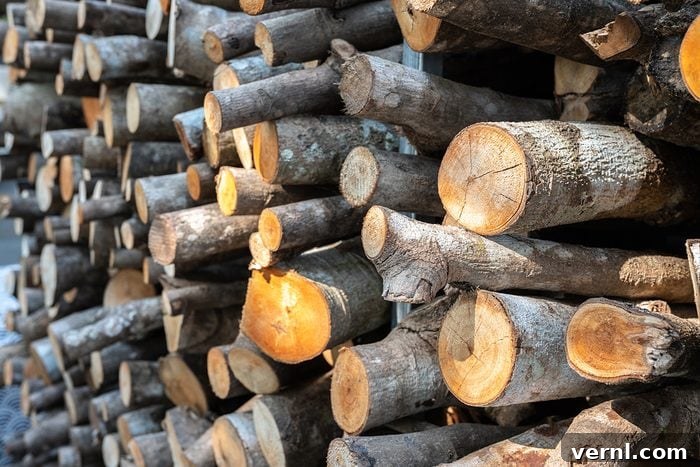
The collection of trees for personal use, such as firewood or Christmas trees, is a regulated activity allowed on designated BLM or USFS lands, typically requiring a permit. These permits often come with specific rules regarding the size and amount of wood that can be harvested, as well as clearly defined harvesting areas to ensure sustainable forest management. Regulations can differ significantly from one forest to another, reflecting local ecological conditions and management goals. Many state forests implement similar programs, making it essential to consult your state’s Department of Natural Resources (DNR) or equivalent agency for detailed information and permit acquisition.
It is crucial to note that these allowances do not extend to national parks. As Cynthia Hernandez confirms, “using or possessing wood from within [national] parks is prohibited.” This strict rule is in place to protect the natural ecosystem and prevent the spread of pests or diseases that can devastate park flora.
Plants, Berries, and Seeds: For Personal Enjoyment
On most BLM-managed lands, visitors are generally permitted to collect a small quantity of plants and their associated parts, such as seeds, flowers, or berries, strictly for personal use. This typically applies to common plant species that are not listed as endangered, threatened, or at-risk. However, rules can vary widely based on location and specific site designations. It is always best practice to inquire with the local field office before collecting, especially since regulations tend to be far more stringent in designated wilderness areas, national landmarks, or historic sites, where even minor disturbances can have significant impacts.
In stark contrast, collecting plants, berries, or seeds is unequivocally prohibited within national parks. “According to the Code of Federal Regulations, possessing, destroying, injuring, defacing, removing, digging or disturbing plants from their natural state is prohibited,” states Hernandez. This comprehensive prohibition ensures the preservation of the delicate ecosystems and the unique biodiversity found within national park boundaries, safeguarding them from any form of human-induced alteration.
Fossils, Rocks, and Minerals: Hobby Collection
For amateur enthusiasts, hobby collecting of common geological specimens like gold flakes, specific minerals, and widespread insect or mollusk fossils is often permissible on a majority of state and federal-owned lands. When collecting rocks, it’s imperative to do so in a manner that causes no disturbance to the surrounding environment or existing geological formations. The key here is “common” and “hobby”; collecting for commercial purposes or discovering significant scientific specimens usually falls under different, more restrictive rules.
However, within national parks, these collection activities are entirely forbidden. This prohibition extends to removing natural items such as shed antlers from deer or elk, or even abandoned bird nests. The aim is to maintain the natural cycle and appearance of the park, ensuring that all natural elements contribute to the ecosystem and the visitor experience without being removed or altered.
Fishing: A Recreational Pursuit
Fishing is a widely enjoyed recreational activity that is generally permitted, with the appropriate license, in most federal and state-owned lands. Exceptions apply to specifically protected aquatic areas or during certain seasonal closures. While catch and release is frequently encouraged as a conservation measure, it is often permissible to keep fish within regulated limits concerning size, species, and daily bag limits. These regulations are designed to manage fish populations sustainably and protect vulnerable species.
Fishing is also allowed in most national parks, provided visitors possess a valid park-specific or state fishing permit. Regulations within national parks often prioritize the protection of native fish species, which are typically designated as catch-and-release only. Conversely, non-native or invasive species might be permitted for retention, sometimes even encouraged, as part of efforts to manage and restore native ecosystems. Always consult the specific park’s fishing regulations before casting a line.
Hunting: Managing Wildlife Populations
Hunting is a regulated activity permitted within designated areas across most federal and state-owned lands, requiring appropriate state hunting licenses and permits. Lands managed by the Bureau of Land Management (BLM), for instance, are almost entirely open to both hunting and fishing, subject to state regulations. Hunting seasons on federal lands typically align with those established by the state, including specific bagging limits and species restrictions. Hunters are advised to contact their state’s fish and game department or the specific land managing agency for comprehensive information on legal hunting zones, seasons, and requirements. Hunting plays a vital role in wildlife management, helping to control animal populations and maintain ecological balance.
What You *Must Never* Take: Protecting Irreplaceable Resources
While some forms of collection are allowed under specific conditions, there are categories of items that are strictly off-limits for removal from any state or federal land. These items are considered irreplaceable, culturally significant, or vital to the ecological balance, and their unauthorized removal carries severe penalties, including substantial fines and imprisonment. Understanding these prohibitions is paramount for responsible public land use.
Endangered Plant or Animal Species: Federal Protection
Plant and animal species that are classified on the federal endangered species list receive rigorous federal protection under the landmark Endangered Species Act (ESA). This legislation makes it illegal to “take” (which includes harass, harm, pursue, hunt, shoot, wound, kill, trap, capture, or collect, or to attempt to engage in any such conduct) an endangered or threatened species. Removing endangered species, their parts, or their habitats from public lands is not only a grave ethical offense but also a serious legal violation. Such actions can result in heavy fines, potentially reaching tens of thousands of dollars, or even lead to imprisonment. The loss of even a single individual from an endangered population can have devastating effects on biodiversity and ecosystem health.
Archaeological and Historical Artifacts: Preserving Our Past
Objects of prehistoric or historic significance must never be removed or disturbed on federal or state land. These artifacts are windows into our past, offering invaluable insights into human history, cultural practices, and ancient environments. This category includes a vast array of items such as Native American artifacts (e.g., arrowheads, pottery shards, tools), historical military equipment, items from designated archaeological sites, and scientifically significant fossils (e.g., dinosaur bones, complete fossilized organisms). The Archaeological Resources Protection Act (ARPA) and other federal and state laws are in place to safeguard these irreplaceable cultural resources. Serious offenses, such as looting or defacing archaeological sites, can lead to severe penalties, including lengthy imprisonment and substantial fines. Leaving these artifacts undisturbed ensures that researchers can study them in context and that future generations can learn from the stories they tell.
Live Wildlife (Beyond Permitted Hunting/Fishing): Respecting Ecosystems
The vast majority of wildlife, even species not classified as endangered, are protected on federal and state lands. Their presence is integral to the health and functioning of the ecosystem. Hunting, trapping, or removing wildlife outside of specifically permitted and regulated activities (like licensed hunting or fishing seasons) is strictly illegal. This prohibition extends to capturing animals, disturbing nests, or interfering with their natural behaviors. Violators caught engaging in unauthorized wildlife removal may face significant fines, revocation of hunting/fishing licenses, and even criminal charges. Respecting wildlife means observing them from a safe distance, never feeding them, and allowing them to thrive undisturbed in their natural habitats. If you encounter injured wildlife, it is best to contact park rangers or local wildlife authorities rather than attempting to intervene yourself.
The Importance of Stewardship and Education
Our state and federal lands are a precious legacy, offering unparalleled opportunities for recreation, scientific discovery, and spiritual renewal. However, their continued existence and health depend entirely on the responsible actions of every visitor. Understanding and adhering to the regulations, whether it involves permits for firewood or strict prohibitions on archaeological artifacts, is not merely about avoiding legal penalties; it’s about upholding a moral obligation to protect these irreplaceable resources.
Before embarking on any adventure to public lands, take the initiative to educate yourself. Research the specific rules and requirements of the managing agency for your chosen destination. A quick call to a local ranger station or a visit to the agency’s website can provide all the necessary information. By practicing the “Leave No Trace” principles, leaving what you find, and respecting the natural and cultural integrity of these lands, you become a vital part of the conservation effort.
Responsible stewardship ensures that the stunning landscapes, diverse wildlife, and rich historical tapestry of America’s public lands remain vibrant and accessible for generations to come. Let us all commit to being guardians of these magnificent spaces, leaving them better than we found them.
About Our Expert
- Cynthia Hernandez is a National Park Service Spokesperson, based in Washington, D.C. Her extensive experience in public land management includes previous work for the Bureau of Land Management, giving her a broad perspective on the issues discussed.
Key Resources and Further Reading
- United States Department of the Interior: America’s Public Lands Explained (2023)
- Property and Environmental Research Center: State-Owned Lands in the Eastern United States: Lessons from State Land Management in Practice (2018)
- United States Forest Service: Know Before You Go – Tree Cutting
- Bureau of Land Management: Can I Keep This?
- United States Fish and Wildlife Service: Endangered Species Act, Section 11. Penalties and Enforcement
- Bureau of Land Management: Hunting, Fishing and Recreational Shooting
- National Park Service: Leave No Trace Seven Principles