
Why Are My Mouse Traps Not Working? Expert Tips for Effective Rodent Control
Discovering a mouse in your home can be an unsettling experience. For many homeowners, the immediate reaction is to deploy traditional mouse traps, hoping for a swift resolution. However, it’s a common frustration to find your mouse traps not working as expected. You might witness mice expertly snatching bait without triggering the trap, or perhaps the mechanism simply isn’t sensitive enough to react to a quick, light-footed rodent. This “cat and mouse” game can be incredibly frustrating, leaving you feeling helpless against a burgeoning rodent problem.
The good news is that you don’t have to surrender your home to these unwelcome guests. By understanding the common pitfalls of mouse trapping and implementing some smart, proven strategies, you can significantly improve your pest control strategy and effectively eliminate mice from your living spaces. This comprehensive guide will delve into why your mouse traps might be failing and provide actionable tips to help you achieve a mouse-free home.
Understanding Why Your Mouse Traps Fail: Common Reasons for Ineffective Rodent Control
If your efforts to catch mice have been fruitless, it’s crucial to analyze why your current approach isn’t yielding results. Many factors contribute to trap failure, from the placement of the trap to the type of bait used. Let’s explore the most common reasons why mouse traps often fall short:
1. Suboptimal Trap Placement
Mice, though small, are incredibly intelligent and creatures of habit. They are not brave explorers wandering aimlessly across open spaces. Instead, they meticulously follow routine paths, often hugging walls, skirting along baseboards, and utilizing hidden pathways to navigate your home. Placing traps and baits in the middle of a room, or any other open, exposed area, is largely ineffective because it contradicts their natural instincts for safety and stealth. Mice prefer to travel under cover, using furniture, appliances, and walls for protection. Ignoring these established travel patterns is a primary reason for trap failure.
2. Ineffective Bait Selection
The classic image of a mouse nibbling on a block of cheese is largely a myth propagated by cartoons. While mice might eat cheese if it’s the only option, it’s far from their favorite or most effective bait. Most people unwittingly opt for baits that simply don’t appeal enough to a mouse’s senses. For successful trapping, you need something highly aromatic and sticky that will entice them to linger. Dry, crumbly baits are easily snatched without triggering the mechanism. The goal is to keep the mouse engaged with the bait for long enough for the trap to spring.
3. Neglecting Mouse Behavior (Neophobia)
Mice are naturally cautious animals, a trait known as “neophobia” – the fear of new objects. When a new trap suddenly appears in their familiar environment, their instinct is to be wary and avoid it. Simply setting a trap and expecting immediate results often overlooks this crucial behavioral aspect. A mouse will likely observe the new object from a distance, cautiously approaching it only after a period of acclimation. This initial hesitancy can lead to traps being ignored for days or even weeks.
4. Scent Contamination
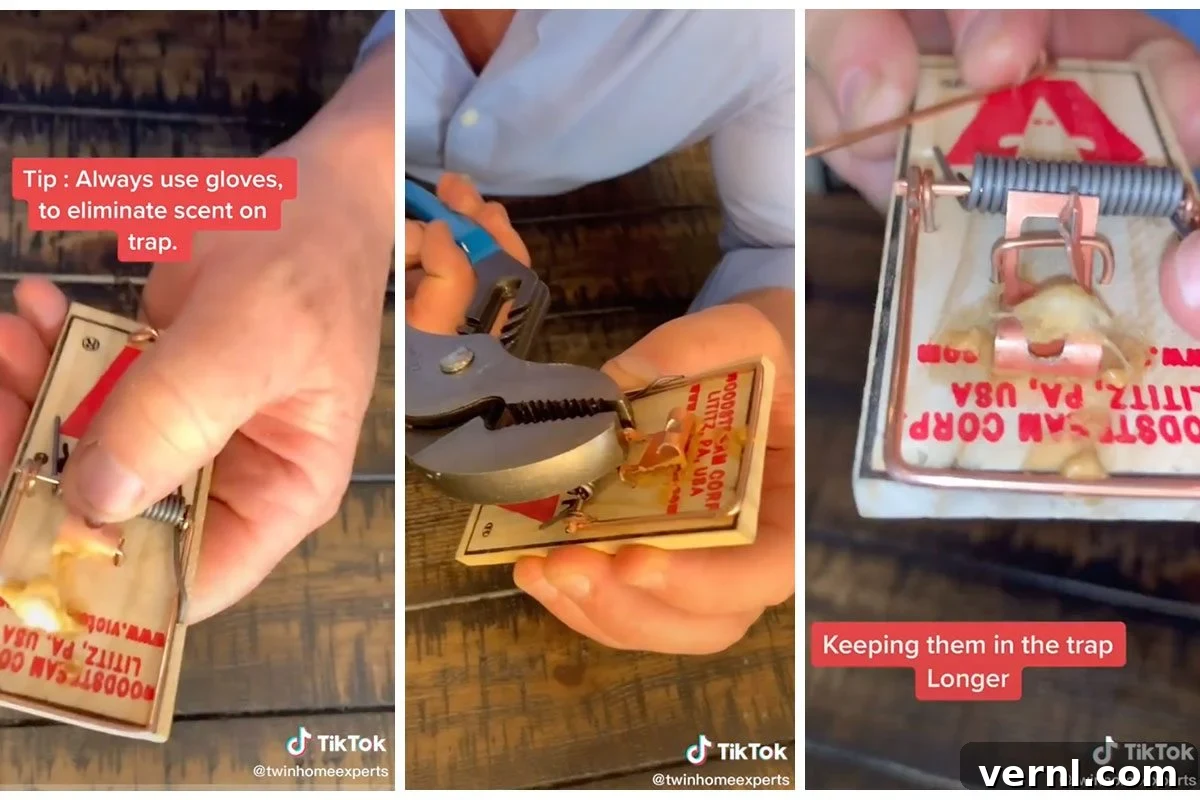
Experts frequently highlight that handling mouse traps with bare hands can significantly contribute to trap failure rates. Mice possess an incredibly keen sense of smell, far superior to humans. They can easily detect the human scent left on a trap, which acts as a major deterrent. The lingering odor of human skin, oils, or even specific products can signal danger to a cautious mouse, causing them to avoid the trap altogether, no matter how enticing the bait might be. This subtle yet powerful factor is often overlooked by homeowners.
5. Using Ineffective or Faulty Traps
Not all traps are created equal, and even standard snap traps can have their limitations. From manufacturing defects leading to spring failure to a mechanism that simply isn’t sensitive enough for light-footed mice, traditional spring traps aren’t always a foolproof solution for every rodent. A trap that’s too stiff, too old, or poorly designed might allow a mouse to escape unharmed time and again. It’s essential to consider the quality and type of trap being used, as relying solely on a single, potentially ineffective trapping strategy can hinder your progress.
Advanced Strategies for Effective Mouse Trapping: Troubleshooting and Tips
Overcoming the challenges of mouse trapping is often simpler than you might imagine. By making a few strategic adjustments to your traps and deepening your understanding of mouse behavior, you can dramatically increase your success rate. While classic snap traps remain a popular choice, remember there are other options, including sticky mouse traps and live traps, though humane considerations should always be a priority. Read on to discover how you can troubleshoot common issues and catch mice more effectively.
1. Optimize Bait Placement: Underneath, Not On Top
One of the most common mistakes is placing bait directly on top of the trigger pedal. When bait is positioned this way, a nimble mouse can often grab the food and scamper away before enough pressure is applied to activate the trap. The trap’s mechanism simply isn’t engaged quickly enough, allowing for repeated bait theft without a catch. This is a primary reason why many mouse traps appear to be “not working.”
To drastically improve your chances, try placing your bait underneath the trigger pedal. By doing so, the mouse is forced to exert more effort and spend more time manipulating the bait from below. This extended engagement ensures the mouse’s neck and body are in the critical strike zone for a longer duration, increasing the likelihood of a swift and successful activation. This simple adjustment can significantly reduce trap failures and boost your trapping efficiency.
2. Enhance Trap Sensitivity with a Simple Tool
Many traditional snap traps come with a factory setting that might be too stiff for smaller or lighter mice. Before setting and placing your trap, you can easily increase its sensitivity using a pair of needle-nosed pliers. First, carefully flip the arm bar back and out of the way. Then, locate the small latch or hook that holds the arm bar in place on the trap mechanism. Gently use your pliers to bend this latch inward slightly. This subtle modification makes the trigger mechanism far more responsive. Because traditional mousetraps are spring-loaded, a more finely tuned latch will cause the spring mechanism to react much faster and with less pressure when a mouse steps on the pedal, virtually eliminating those frustrating “bait stolen, no catch” scenarios.
3. Utilize Peanut Butter and Cotton for Enhanced Bait Engagement
This ingenious hack is designed to keep a mouse lingering at the trap for longer, preventing it from making a quick getaway with the bait unscathed. The longer a mouse is forced to interact with the bait, the higher your chances of a successful outcome. To implement this, take a small piece of cotton (a cotton ball or a piece torn from one works perfectly) and thoroughly apply a generous dollop of peanut butter to it. Peanut butter is not only highly attractive due to its strong aroma and stickiness, but when combined with cotton, it creates a formidable bait. Place this peanut-butter-covered cotton on top of the trigger pedal, pressing it in firmly so that some cotton fibers are peeking out. As the mouse attempts to eat the bait, the sticky peanut butter and fibrous cotton will get tangled in its mouth and paws, making it difficult to consume quickly and nearly impossible to snatch and run. This increased engagement time dramatically elevates your probability of trapping the mouse.
4. Strategic Trap Placement: Follow Their Paths
As established, mice are cautious, primarily nocturnal, and inherently wary of open spaces. Placing traps in the center of a room or highly trafficked human areas will yield very poor results. Instead, focus on placing traps in locations where you’ve observed direct evidence of mouse activity. Look for tell-tale signs such as small, rice-shaped droppings, fresh gnaw marks on wood or food packaging, or distinct greasy rub marks along walls (from their fur). These signs indicate active runways.
Concentrate your trapping efforts in dimly lit areas, such as along baseboards, inside kitchen cabinets, behind appliances (like refrigerators and stoves), under sinks, inside pantries, in attics, and basements. Mice frequently use these concealed spaces for navigation, foraging, and shelter. Orient the traps with the trigger end facing the wall to align with their natural travel patterns. Utilizing these strategic, low-light, and concealed locations will significantly enhance your trapping success. However, always exercise caution and ensure traps are placed where children and pets cannot easily access them.
5. Deploy Multiple Traps Simultaneously
Don’t just set one trap and hope for the best. If you’ve seen one mouse, there are likely more hiding. For effective mouse control, deploy multiple traps at once, especially in high-activity areas. A good rule of thumb is to place traps every 2-3 feet along identified mouse runways. This increases the chances of intercepting mice and dealing with an infestation more quickly. The more traps you have out, the higher your success rate will be.
Beyond Trapping: Comprehensive Mouse Prevention Strategies
While mastering the art of effective mouse trapping is essential for addressing an existing problem, focusing on prevention is equally, if not more, critical for long-term preventing mice from re-entering your house. A multi-pronged approach that combines effective trapping with robust preventative measures is the key to maintaining a truly mouse-free home.
1. Seal All Potential Entry Points
Mice are incredibly resourceful and can squeeze through astonishingly small openings – often as tiny as a dime or a pencil-width crack. Systematically inspect your entire home, both inside and out, for any potential entry points. Pay close attention to small cracks and gaps that might be present across foundations, exterior walls, around utility pipes (water, gas, electrical), under sinks, near the chimney, and around door and window frames. Use durable materials like steel wool (which mice cannot chew through) or high-quality caulk to seal these gaps. For larger holes, consider using hardware cloth or cement. Don’t forget to check attic vents and crawl space openings, ensuring they have secure screens.
2. Implement Strict Sanitation Practices
Food and water are primary attractants for mice. By eliminating these resources, you make your home far less appealing. Clean up food spills and crumbs immediately after meals. Never leave dirty dishes in the sink overnight. Store all food, including pet food and birdseed, in airtight containers made of glass, metal, or thick plastic that mice cannot chew through. Avoid leaving pet food out overnight. Regularly empty trash cans, especially those containing food waste, and ensure they have tight-fitting lids. A clean, tidy home drastically reduces the allure for rodents.
3. Declutter and Organize Storage Areas
Mice thrive in environments that offer ample hiding spots and nesting materials. Overstuffed basements, cluttered attics, messy garages, and packed storage closets provide perfect sanctuaries for rodents. These areas offer shelter, warmth, and a sense of security, making them ideal breeding grounds. Regularly decluttering these spaces and organizing items in sealed plastic bins minimizes the attractive hiding places and nesting opportunities for mice. Reducing clutter also makes it easier to spot signs of rodent activity, such as droppings or gnaw marks, earlier.
4. Address Exterior Attractants
Your yard can also play a significant role in attracting mice to your home. Trim back shrubbery, tree branches, and vines that touch or overhang your house, as these can provide easy access points to your roof and windows. Keep firewood stacked neatly and away from your home’s foundation. Clear away leaf litter, overgrown weeds, and other debris from around your home, as these can serve as sheltered harborage for mice. Ensure outdoor garbage cans are sealed tightly. By reducing outdoor attractants and pathways, you create a less inviting perimeter for rodents.
By combining these preventive measures with the effective mouse trapping tips mentioned in this guide, you’ll be well on your way to quickly achieving and maintaining a mouse-free home. Remember, consistency and thoroughness are key to successful rodent control.
It’s important to note: If you are experiencing a rat invasion, the strategies and traps discussed here may not be sufficient. Rats are larger and require different types of traps and more aggressive control methods. In such cases, it’s advisable to seek out specific solutions for effective rat control.
Frequently Asked Questions (FAQ)
Why is my mouse trap not catching mice, even with bait?
Mouse traps often fail due to several factors, including improper placement, insufficient trap sensitivity, or human scent contamination. Mice are cautious and can skillfully steal bait without triggering the trap if it’s not sensitive enough or if the bait is too easy to grab. To improve success, place traps along walls in dark corners, use highly appealing and sticky baits like peanut butter embedded in cotton, and consider bending the trap’s latch slightly to increase sensitivity. Always handle traps with gloves to avoid leaving human scent.
What are some effective alternatives to traditional mouse traps?
If traditional snap traps aren’t working, or if you prefer a different approach, several alternatives exist. Live traps allow you to catch mice unharmed and release them outdoors, far from your home. Ultrasonic repellents emit sound waves designed to deter mice, though their effectiveness can vary. Sealing cracks and openings in your home is also a crucial preventative measure to stop mice from entering in the first place. For severe infestations, professional pest control services are often the most effective solution.
What are the best baits to use for mouse traps?
The best bait for mouse traps should be aromatic and sticky to keep the mouse engaged. While the “cheese stereotype” is common, many experts recommend peanut butter as a top choice due to its strong smell and sticky consistency. Other effective baits include chocolate, nuts, seeds, soft cheese (in small amounts), or even a small piece of nesting material like dental floss or cotton with a dab of peanut butter. For best results, apply a small amount of peanut butter to a wad of cotton and embed it firmly onto the trap’s trigger, ensuring the mouse has to work to get it.
Should mouse traps be placed in specific locations?
Absolutely. Strategic trap placement is crucial because mice are creatures of habit and prefer specific travel routes. They instinctively stick to walls and shadowy corners, using these areas for protection and navigation to food sources. Placing traps perpendicular to walls, in dark, secluded spots, under furniture, behind appliances, or in areas where you’ve noticed droppings or gnaw marks will yield significantly better results. Avoid placing traps in open, central areas of a room, as mice will typically avoid these exposed locations.
How many mouse traps should I set, and how often should I check them?
It’s generally recommended to set multiple traps, especially if you suspect more than one mouse. A good guideline is to place traps every 2-3 feet along identified mouse runways. For a typical home with a minor mouse problem, 6-12 traps might be appropriate. You should check your traps daily, preferably in the morning and evening. Regular checking allows you to remove captured mice promptly, re-bait and reset traps, and monitor the effectiveness of your strategy. This also helps maintain hygiene and prevents attracting other pests.
Sources
- Positive Pest Management: “How To Remove Your Scent From Your Mouse Traps”
- My Pest Pros: “7 Myths About Mouse Elimination You Should Know”
- US Environmental Protection Agency: “Identify and Prevent Rodent Infestations”
- Illinois Department of Public Health: “House Mouse Prevention and Control”