
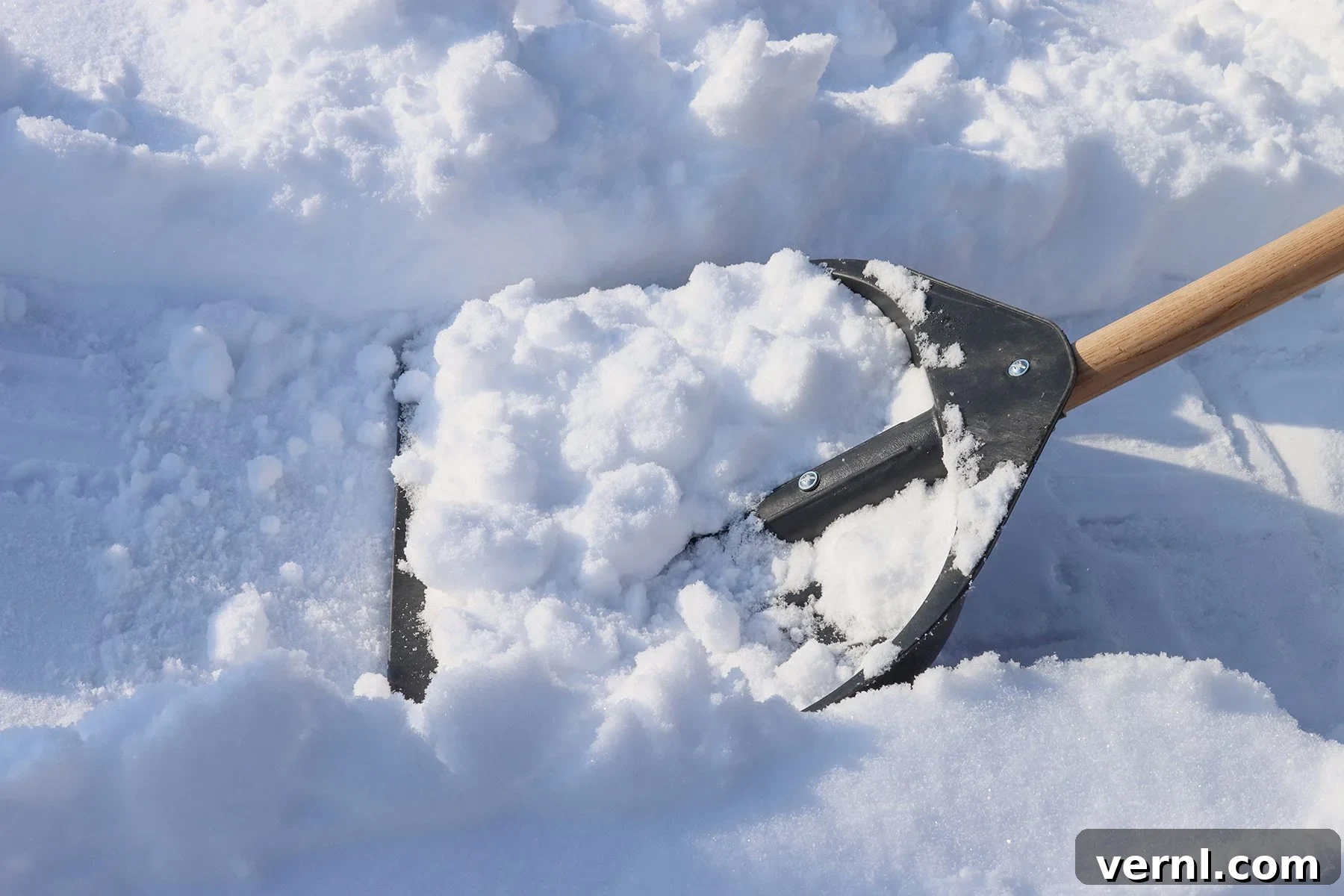
Snowy winter days often bring a sense of tranquil beauty, transforming familiar landscapes into pristine, white canvases. Yet, for many homeowners, this picturesque scene is quickly followed by the physically demanding and potentially hazardous task of shoveling snow. What might seem like a simple winter chore can, in fact, become a risky workout, placing considerable strain on your heart, muscles, and joints – risks that magnify significantly as we get older.
Understanding these inherent dangers and knowing how to approach snow removal safely is not just practical advice; it’s a critical component of winter health. This comprehensive guide will explore why snow shoveling can be so dangerous, provide clear indicators for when it’s time to stop shoveling yourself, and offer practical, actionable tips to minimize risks, ensuring your winter season remains enjoyable and safe.
The Hidden Dangers of Snow Shoveling: More Than Just a Winter Chore
Shoveling snow is far from a leisurely activity. It’s an intense, full-body workout that involves repetitive bending, heavy lifting, and awkward twisting motions. While challenging for anyone, these movements are particularly risky for older adults or individuals with underlying health conditions. The American Heart Association (AHA) consistently issues warnings each winter, highlighting a significant surge in heart-related emergencies directly linked to snow shoveling. This surge is a stark reminder of the physiological stress the activity imposes.
Cardiovascular Risks: A Silent Threat Beneath the Snow
For those over 55, or anyone with pre-existing cardiovascular vulnerabilities, snow shoveling poses a specific and heightened threat to heart health. The combination of cold temperatures and strenuous physical exertion creates a dangerous scenario for the cardiovascular system:
- Vasoconstriction in Cold Weather: Exposure to cold causes peripheral blood vessels to constrict (vasoconstriction). This narrowing reduces blood flow to the skin to conserve body heat but simultaneously increases resistance in the arteries, forcing the heart to work much harder to pump blood. This elevates blood pressure significantly.
- Sudden, Intense Exertion: Snow shoveling often involves sudden bursts of maximal effort, especially when lifting heavy, wet snow. This rapid increase in heart rate and blood pressure can overwhelm the heart, particularly if it’s not accustomed to such demands or if there are underlying blockages in coronary arteries.
- Increased Myocardial Oxygen Demand: The heart muscle requires more oxygen during physical activity. In cold weather, with constricted vessels and increased workload, the oxygen supply might not meet this heightened demand, leading to ischemia (reduced blood flow to the heart muscle) and potentially angina (chest pain) or a heart attack.
- Dehydration: While less obvious in cold weather, physical exertion still causes fluid loss. Dehydration can thicken the blood, making it harder for the heart to pump and increasing the risk of blood clots.
The AHA strongly advises that older adults, individuals with diagnosed heart conditions (such as coronary artery disease, history of heart attack or stroke), high blood pressure, or diabetes, should exercise extreme caution when shoveling snow. For many, avoiding the activity altogether is the safest choice.
This caution is supported by compelling research. A study published in The Journal of the American Medical Association (JAMA) revealed that individuals aged 45 and older face a significantly higher risk of experiencing a heart attack while shoveling snow compared to other daily activities. The study emphasized that even as little as 20 minutes of shoveling can dramatically increase the chances of a cardiac event, especially if pre-existing risk factors like high cholesterol, obesity, or a sedentary lifestyle are present. This data underscores that the danger is real and warrants serious consideration.
Musculoskeletal Injuries: Beyond the Heart
While cardiac events represent the most severe risks, musculoskeletal injuries are far more common and can result in significant pain, prolonged recovery, and reduced mobility. The repetitive motions and awkward body positions inherent in shoveling can strain various parts of the body:
- Back Injuries: The most prevalent complaint, ranging from acute muscle strains and sprains to more serious herniated discs. Improper lifting techniques, twisting while lifting, and prolonged bending are primary culprits.
- Shoulder Injuries: Rotator cuff tears, strains, and impingement are common due to the repetitive overhead or forceful throwing movements involved in moving snow.
- Knee Injuries: The constant bending, squatting, and pushing motions can aggravate existing knee conditions (like arthritis) or lead to new sprains and strains in the ligaments and tendons.
- Wrist and Hand Injuries: Strain can occur from gripping the shovel tightly, especially when encountering heavy or icy snow.
- Slips and Falls: Icy patches hidden beneath fresh snow, or developing during the shoveling process, pose a significant risk of slips and falls. These can lead to fractures (hips, wrists, ankles), concussions, or other serious injuries, particularly for older individuals whose bones are more brittle.
When to Hang Up Your Shovel: Recognizing Your Personal Limits
A crucial aspect of snow shoveling safety is understanding your individual capabilities and limits. Knowing when to stop, or better yet, when to avoid the activity entirely, is a life-saving skill. Self-awareness and proactive health management are paramount.
Who Should Seriously Consider Avoiding Snow Shoveling?
For certain individuals, the risks associated with shoveling snow far outweigh any benefits. If you identify with any of the following categories, it is strongly recommended that you make alternative arrangements for snow removal:
- Known Cardiovascular Disease: Including a history of heart attack, stroke, coronary artery disease, angina (chest pain), heart failure, or irregular heart rhythms.
- Uncontrolled High Blood Pressure or Diabetes: These conditions significantly increase the strain on your cardiovascular system.
- Recent Surgical Procedures: Especially cardiac, abdominal, back, or joint surgeries. Your body needs time to heal.
- Sedentary Lifestyle: If you do not regularly engage in moderate to vigorous physical activity, your body may not be conditioned for the demands of shoveling.
- Severe Respiratory Issues: Conditions such as chronic obstructive pulmonary disease (COPD), severe asthma, or other lung diseases that compromise breathing.
- Balance or Mobility Impairments: Any condition that increases your risk of falling, such as vertigo, severe arthritis, or neurological disorders.
- Extreme Age or Frailty: As bodies naturally become less resilient with advanced age, the physical toll of shoveling becomes disproportionately high.
- Currently Feeling Unwell: If you have a cold, flu, fever, or any other acute illness, your body is already under stress and should not be further taxed.
Immediate Warning Signs: Stop Shoveling Now!
Even if you generally feel capable of shoveling, your body can send critical signals that demand immediate cessation of activity. If you experience any of these symptoms while shoveling, stop immediately, seek warmth, and consider contacting emergency medical services if symptoms persist or worsen:
- Chest Pain or Discomfort: Any pressure, squeezing, fullness, or pain in the center of your chest.
- Shortness of Breath or Difficulty Breathing: Feeling unusually winded, struggling to catch your breath.
- Dizziness, Lightheadedness, or Fainting: Feeling unsteady, faint, or experiencing a sudden loss of consciousness.
- Pain Radiating to Other Areas: Discomfort spreading to your shoulder, arm (especially the left), back, neck, jaw, or stomach.
- Nausea or Vomiting: Feeling sick to your stomach.
- Unusual or Extreme Fatigue: Feeling suddenly and overwhelmingly tired.
- Cold Sweat: Breaking out in a cold, clammy sweat.
- Heart Palpitations or Irregular Heartbeat: Feeling your heart pound, race, or skip beats.
- Sudden Weakness or Numbness: Particularly on one side of your body.
Never ignore these warning signs. It is always better to call for help and seek medical attention than to risk your life over a cleared driveway.
Comprehensive Snow Shoveling Safety Tips for Everyone
For those who are medically cleared to shovel and feel physically prepared, adopting safe practices is crucial to minimize risks and prevent injuries. Here are essential tips for safe snow removal:
1. Prioritize Preparation Before You Begin
- Consult Your Doctor: Especially if you are over 40, have a history of heart issues, or lead a sedentary lifestyle, obtain medical clearance for strenuous activity before the winter season arrives.
- Dress Appropriately in Layers: Wear multiple layers of light, warm, and waterproof clothing. Layers can be easily removed as your body temperature rises, preventing overheating. Essential gear includes a warm hat, waterproof gloves or mittens, and sturdy, waterproof boots with excellent non-slip traction to prevent frostbite and falls.
- Stay Well-Hydrated: Physical exertion, even in cold weather, leads to fluid loss. Drink plenty of water or non-caffeinated beverages before, during, and after shoveling. Dehydration can increase strain on your heart.
- Eat a Light Meal: Avoid shoveling on a completely empty stomach, which can lead to low energy. Similarly, avoid heavy meals just before, as digestion diverts blood flow. A light snack or easily digestible meal an hour or two prior can provide sustained energy.
- Check Weather Conditions: Avoid shoveling during heavy snowfall, blizzards, or periods of extreme cold. High winds and sub-zero temperatures amplify risks of hypothermia and frostbite. Wait for conditions to improve, or shovel in smaller, more frequent increments.
2. Essential Warm-Up and Cool-Down Routines
- Pre-Shoveling Warm-Up (5-10 minutes): Never start shoveling cold. Begin with some light cardio to get your blood flowing, such as walking around your house, marching in place, or doing arm circles. Follow this with gentle stretches for your back, legs (hamstrings and quads), and arms. A proper warm-up prepares your muscles, improves flexibility, and significantly reduces the chances of strains or other injuries.
- Post-Shoveling Cool-Down: After you finish, take a few minutes to walk around and perform some light, gentle stretches again. This helps to gradually bring your heart rate down, reduce muscle soreness, and prevent stiffness.
3. Master Proper Shoveling Technique
Your technique is the most critical factor in preventing injuries and reducing strain on your body:
- Lift with Your Legs, Not Your Back: This is the golden rule of heavy lifting. Bend your knees, keep your back straight, and engage your core muscles as you squat down to scoop the snow. Then, stand up by straightening your legs, allowing your powerful leg muscles to do the work. Avoid hunching over or bending at the waist.
- Push, Don’t Lift (When Possible): Whenever feasible, push the snow to the side rather than lifting and throwing it. Pushing puts significantly less strain on your back, shoulders, and arms. Clear a path by pushing snow ahead of you in manageable sections.
- Scoop Smaller Amounts: Resist the urge to clear large amounts of snow at once. Heavy, wet snow is deceptively weighty. Take smaller, manageable scoops. A partially filled shovel is always safer and less fatiguing than an overloaded one.
- Avoid Twisting Your Body: Never twist your body to throw snow over your shoulder or to the side. This motion places dangerous rotational forces on your spine, which can lead to severe back injuries. Instead, pivot your entire body, including your feet, to face the direction you are throwing the snow.
- Keep the Shovel Close to Your Body: Hold the shovel as close to your body as possible. The further out you extend your arms, the more leverage the weight of the snow has, multiplying the strain on your back and shoulders.
4. Choose and Utilize the Right Tools
- Lightweight, Ergonomic Shovel: Invest in a lightweight shovel with an ergonomic, curved handle. These designs are engineered to minimize bending and reduce strain on your back and wrists. Some shovels also feature a second handle in the middle for better grip and leverage.
- Smaller Shovel Head: A shovel with a smaller head naturally limits the amount of snow you can scoop at one time, making the task less strenuous and safer.
- Snow Blower: For larger areas, heavy snowfalls, or if you are at higher risk, a snow blower is an excellent investment. It significantly reduces physical strain. Always familiarize yourself with its operation and follow all safety guidelines, especially regarding loose clothing and rotating parts.
- De-icers and Sand: Use salt, calcium chloride, or other de-icing agents to prevent ice formation or melt existing ice patches, drastically reducing the risk of slips and falls. Sand or kitty litter can also provide temporary traction on icy surfaces.
5. Pace Yourself and Take Frequent Breaks
- Frequent Breaks: Do not attempt to clear your entire property in one continuous effort. Take regular breaks to rest, hydrate, and gently stretch. If you feel tired, lightheaded, or experience any discomfort, stop immediately.
- Shovel Early and Often: If possible, shovel multiple times during a prolonged snowfall rather than waiting for a massive accumulation. Lighter, fresher snow is considerably easier to move than heavy, wet, compacted snow.
- Listen to Your Body: This cannot be overstated. Pay close attention to any signals of discomfort, fatigue, pain, or shortness of breath. Your body will tell you when you’re overdoing it, and ignoring these signals can have serious consequences.
Alternative Snow Removal Solutions for a Safer Winter
When in doubt, or if you simply prefer to avoid the inherent risks, there are several viable and often safer alternatives to shoveling snow yourself:
- Hire Professional Services: Many landscaping or dedicated snow removal companies offer seasonal contracts or on-demand services. This is a sound investment in your health and safety, providing peace of mind.
- Ask for Help: Don’t hesitate to reach out to family members, neighbors, or friends for assistance. Many communities also have volunteer programs or services designed to help elderly or disabled residents with snow removal.
- Utilize a Snow Blower: As mentioned, a well-maintained snow blower can be an excellent mechanical helper, significantly reducing the physical strain and risk, especially for larger driveways.
- Consider a Snow Plow Service: For very long driveways or expansive properties, a professional plowing service that clears snow with a truck-mounted plow can be the most efficient and safest option, particularly after heavy snowfalls.
- Neighborhood Teens or College Students: Often, local youths are looking to earn extra money and can provide a cost-effective and immediate solution for snow removal.
Conclusion: Embrace Winter Safely and Responsibly
Winter’s pristine beauty should be a source of joy, not a cause for concern over strenuous chores. While snow shoveling is an unavoidable part of winter for many, it carries significant and often underestimated risks, particularly for older adults and individuals with underlying health vulnerabilities. By understanding these dangers, recognizing your personal limits, adopting proper techniques, and not hesitating to ask for help or utilize alternative solutions, you can ensure a much safer and more enjoyable winter season.
Remember, prevention is always superior to treatment. Prioritize your health and well-being over a perfectly cleared driveway, and you’ll be able to appreciate the serene beauty of a snowy day without the associated risks or regrets. Stay warm, stay safe, and enjoy the winter wonderland responsibly.