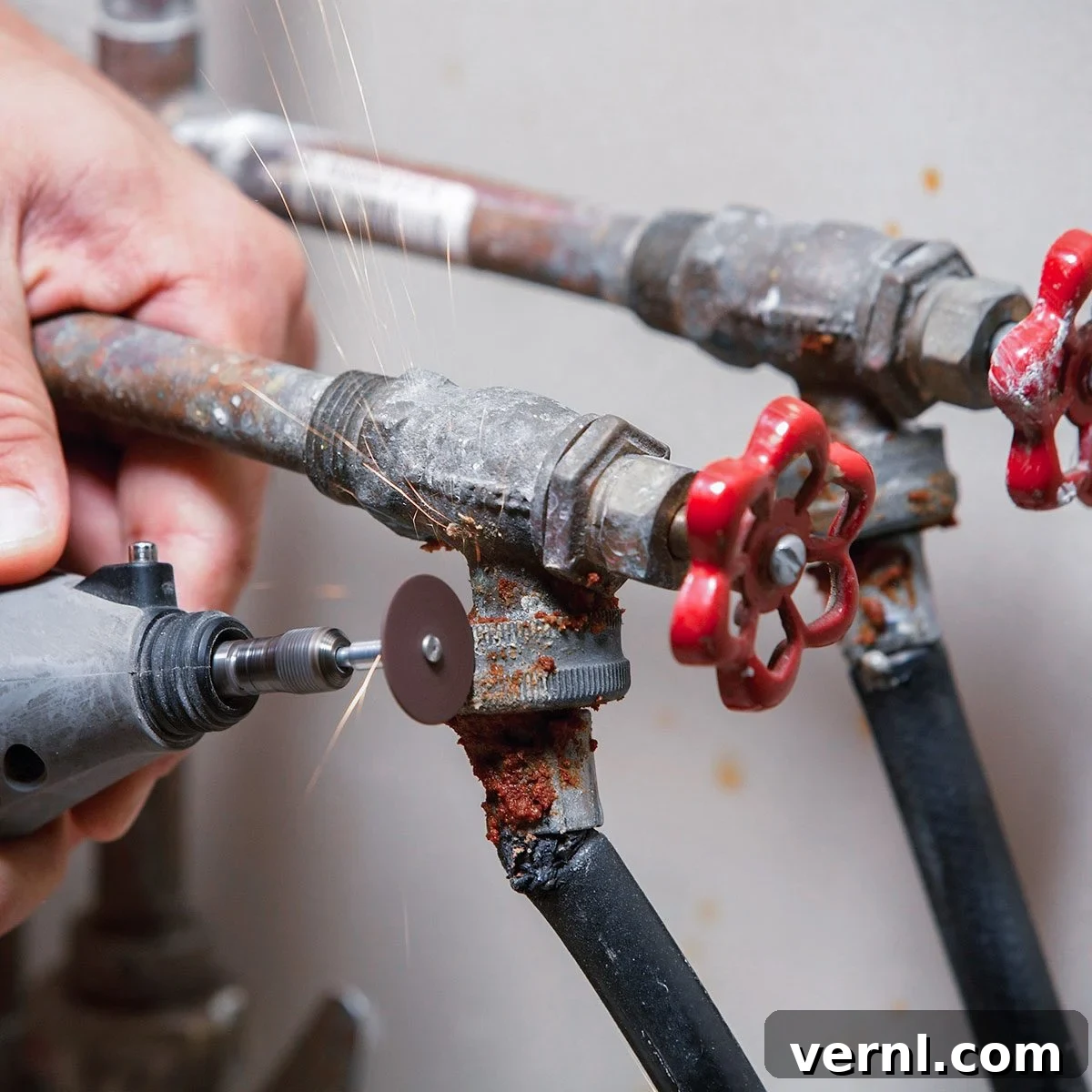
A rusted-on laundry hose can be one of the most frustrating obstacles in home maintenance, rendering the seemingly simple task of replacement or removal almost impossible. The corrosion fuses the hose connection to the valve, creating a stubborn bond that ordinary wrenches can’t break. This common household problem not only hinders routine appliance care but can also escalate into a significant issue if not addressed promptly, potentially leading to leaks or even a flooded laundry room down the line. Fortunately, this formidable challenge has a practical and surprisingly straightforward solution. With the right tools and a systematic approach, you can successfully conquer even the most stubbornly rusted washing machine hose. This comprehensive guide will walk you through every step, ensuring you have the confidence and knowledge to tackle this annoying problem safely and efficiently.
Essential Tools for Tackling a Rusted Washing Machine Hose
Before you begin, gathering the correct tools is paramount. While some tools might seem specialized, they are crucial for a clean, safe, and effective removal process. Having everything ready saves time and frustration.
- Rotary Tool with Abrasive Cutoff Wheel (e.g., Dremel): This is your primary weapon against rust. A rotary tool, such as a Dremel tool, fitted with an abrasive cutoff wheel, allows for precise cuts through the metal hose end without damaging the underlying valve threads. Its speed and small size make it ideal for working in tight spaces.
- Pipe Wrench or Water Pump Pliers: Once the cuts are made, these heavy-duty pliers or wrenches provide the necessary grip and leverage to twist off the freed hose remnants. Water pump pliers are particularly versatile due to their adjustable jaws, while a pipe wrench offers superior grip on rounded or irregular surfaces. While regular or needlenose pliers might seem like an option in a pinch, they rarely provide the sufficient force or grip for truly stuck fittings.
- Safety Glasses: This is non-negotiable. Cutting metal will produce sparks and tiny fragments of rust or metal debris. Protecting your eyes from these projectiles is critical to prevent serious injury.
- Wire Brush: After removal, a wire brush is essential for cleaning any remaining rust, corrosion, or debris from the valve threads. This ensures a clean surface for the new hose connection, preventing future issues and ensuring a tight seal.
- Towels and a Bucket: Even with the water supply shut off, there might be residual water in the hoses or valves. Having towels and a small bucket nearby will help manage any drips and keep your workspace dry.
- Penetrating Oil (Optional but Recommended): For extremely stubborn fittings, applying a penetrating oil (like WD-40 or a specialized rust penetrant) to the connection a few hours or even a day before attempting removal can help loosen the rust. While not always effective enough to avoid cutting, it can sometimes aid in the final twisting step.
Ensuring you have the right tools for the job not only makes the process easier but also significantly enhances safety and the likelihood of a successful outcome.
Safety First: Preparing for a Safe Hose Removal
Before any DIY project involving appliances and water, safety should be your absolute top priority. Skipping these preliminary steps could lead to personal injury, water damage, or electrical hazards. Take a moment to ensure your workspace is secure and ready.
- Shut Off the Water Supply: This is the most crucial step. Locate the hot and cold water shut-off valves for your washing machine. These are typically found directly behind the machine, connected to the wall. Turn both valves completely clockwise until they are snug and no longer allow water to flow. You might need to turn on the washing machine briefly (e.g., set it to a wash cycle) after shutting off the valves to release any residual pressure in the hoses and ensure the water has stopped flowing.
- Unplug the Washing Machine: For electrical safety, always unplug the appliance from its power outlet before performing any maintenance or repairs. This eliminates the risk of accidental startup or electrical shock, especially when working near water.
- Position the Washing Machine: Gently pull the washing machine away from the wall to give yourself ample space to work behind it. Ensure it’s stable and won’t rock or tip over while you’re manipulating the hoses.
- Wear Safety Glasses: As mentioned in the tools section, the cutting process will generate sparks and flying debris. Protect your eyes at all times.
- Protect Your Floor: Place old towels or a tarp on the floor beneath and around the working area. This will catch any drips from the hoses or valve and protect your flooring from water damage, especially important if you have hardwood or carpet. Have a small bucket ready for any larger amounts of water that might come out.
Taking these precautions ensures a safe environment, allowing you to focus on the task at hand without unnecessary risks.
Step-by-Step Guide: How to Remove a Rusted Washing Machine Hose Effectively
Once your workspace is safe and your tools are ready, you can proceed with the removal process. This method focuses on precision cutting and leverage, circumventing the need to brute-force a completely rusted connection.
Step 1: Strategic Cuts with Your Rotary Tool
The key to removing a rusted hose without damaging the valve is to relieve the tension caused by the corrosion. This is where your rotary tool comes into play. Carefully approach the hose connection where it meets the water valve.
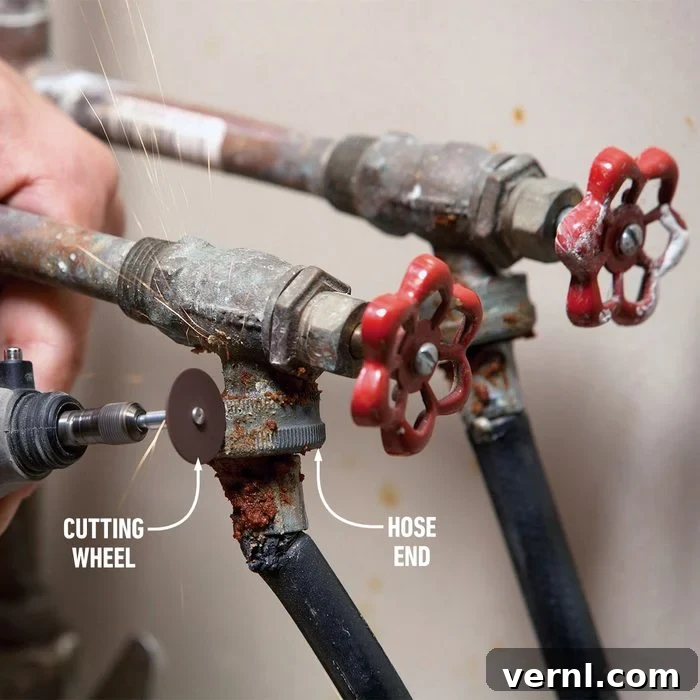
With your safety glasses firmly in place, begin by making a shallow cut through the metal end of the hose. Work slowly and methodically, allowing the abrasive cutoff wheel to do its job. The goal is to cut through the metal hose fitting itself, not into the valve it’s connected to. Create two distinct slices on opposite sides of the hose end. Imagine cutting small segments out of the metal ring of the hose fitting.
Try to avoid cutting too deep, but don’t panic if you lightly nick the threads on the valve. It’s a common concern, but typically not a major issue. The threads on the valve are primarily for guiding and securing the connection, not for creating a watertight seal. The actual seal is formed by the rubber washer inside the hose fitting compressing against the smooth face of the valve. Therefore, minor cosmetic damage to the threads will usually not compromise the integrity of your new hose’s seal. However, strive for precision to minimize any potential nicks.
A hacksaw can be used for this task, but a rotary tool with an abrasive cutoff wheel offers far superior control and speed, making the job much easier and less fatiguing, especially in confined spaces. Be mindful of sparks and debris during this step, ensuring your immediate area is clear of flammable materials.
Step 2: Unleash the Grip: Unscrewing the Stubborn Fitting
With the strategic cuts made, the structural integrity of the rusted hose fitting has been compromised, making it much more pliable. This is when your pipe wrench or water pump pliers become indispensable.
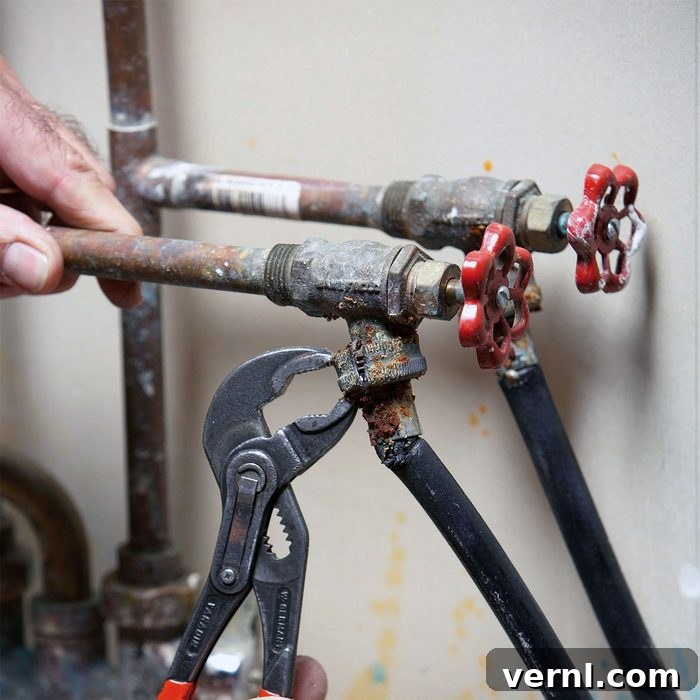
Firmly grip the now-weakened hose fitting with your chosen tool. Apply steady, twisting pressure in a counter-clockwise direction. The cuts should allow the fitting to deform slightly and break free from the rust’s grasp. If it’s still extremely stubborn, you can try applying a small amount of penetrating oil directly into the cuts and letting it sit for a few minutes before attempting to twist again. If the fitting begins to crumble or deform but won’t twist off, you might need to use the pliers to pry it off. Gently wiggle and pull the fragmented pieces away from the valve until the entire old hose fitting is removed. Be patient and persistent; sometimes, small bits of rust may still offer resistance, but the weakened structure of the hose end will eventually yield.
Step 3: Thorough Cleaning of the Valve Threads
Once the old hose fitting is completely off, inspect the exposed valve threads. You’ll likely find a good amount of rust, mineral deposits, and possibly remnants of the old rubber washer. It’s absolutely crucial to clean these threads thoroughly before attaching a new hose.
Take your wire brush and vigorously scrub the valve threads and the face of the valve where the rubber washer will sit. Remove every speck of rust, corrosion, and debris. A clean surface ensures that the new hose’s rubber washer will form a perfect, watertight seal, preventing future leaks. Any remaining grit could compromise this seal, leading to drips and potential water damage. Pay close attention to the smooth surface of the valve that the washer presses against, as this is where the primary seal is formed. A clean connection point will also make attaching the new hose much easier and reduce the chance of cross-threading.
Why Do Washing Machine Hoses Get Stuck and Rust?
Understanding the root causes of rusted washing machine hoses can help prevent future occurrences. Several factors contribute to this common problem:
- Moisture and Humidity: The laundry room is inherently a humid environment. Constant exposure to moisture, even in the form of condensation, can accelerate rust formation on metal components, especially the steel fittings of hoses.
- Dissimilar Metals: Often, the hose fittings are made of steel, while the washing machine and wall valves might be brass or another metal. When two different metals come into contact in the presence of an electrolyte (like water), an electrochemical reaction called galvanic corrosion can occur, leading to accelerated rust on the less noble metal (often the hose fitting).
- Mineral Deposits: Hard water contains minerals like calcium and magnesium. Over time, these minerals can build up around the hose connection, forming a hard scale that traps moisture and contributes to corrosion, effectively cementing the hose to the valve.
- Age and Wear: Like any other plumbing component, washing machine hoses and their fittings degrade over time. The metal can become weakened, protective coatings can wear off, and rust can begin to take hold, especially if they are rarely moved or inspected.
- Overtightening: While it might seem counterintuitive, overtightening a hose can actually contribute to it getting stuck. Excessive force can strip threads or compress the fitting components beyond their design limits, making future removal incredibly difficult. It can also damage the washer, leading to leaks and subsequent rust.
Being aware of these factors can help you take preventative measures and better understand why your hose might be so stubbornly attached.
Choosing the Best Replacement: Braided Stainless Steel Hoses
Now that you’ve successfully removed the old, rusted hose, it’s time to install a new one. This is not the time to cut corners on quality. Investing in the right type of hose can save you significant trouble and expense down the line.
Without a doubt, braided stainless steel hoses are the best washing machine hoses to use. They are widely regarded as the industry standard for a good reason, offering superior protection and longevity compared to traditional rubber hoses.
Why Stainless Steel Braided Hoses are Superior:
- Unmatched Durability: These hoses feature a reinforced rubber inner core encased in a flexible, woven stainless steel mesh. This external braiding provides exceptional protection against kinks, punctures, and abrasions that can weaken standard rubber hoses over time.
- Burst Resistance: The stainless steel braiding dramatically increases the hose’s burst strength, making them far less likely to rupture under high water pressure. This is a critical feature, as burst hoses are a leading cause of catastrophic laundry room floods.
- Flexibility and Kink Resistance: Despite their robust construction, braided stainless steel hoses remain flexible, allowing for easier installation and reducing the likelihood of kinks that can restrict water flow or weaken the hose wall.
- Extended Lifespan: Due to their superior materials and construction, these hoses typically last much longer than standard rubber hoses, often exceeding the recommended replacement intervals for their rubber counterparts.
- Auto-Shutoff Valves (Optional Feature): Many high-quality braided stainless steel hoses come equipped with an integrated auto-shutoff mechanism. These innovative valves detect a sudden surge in water flow (indicating a leak or burst) and automatically shut off the water supply to prevent flooding. This added layer of protection provides invaluable peace of mind, especially when you’re away from home.
While braided stainless steel hoses might have a slightly higher upfront cost than plain rubber hoses, the enhanced durability, reliability, and flood prevention they offer make them a far more economical and sensible choice in the long run. They are an essential upgrade for any washing machine setup.
When to Replace Your Washing Machine Hoses: A Lifespan Guide
Proactive replacement of washing machine hoses is just as important as knowing how to remove a rusted one. Hoses are under constant pressure, and over time, they will inevitably degrade. Ignoring their condition can lead to severe water damage, costing far more than the price of new hoses.
Plumbing experts generally recommend replacing your washing machine hoses every three to five years, regardless of their apparent condition. This is a preventative measure, as internal wear and fatigue might not be visible from the outside.
Signs It’s Time for Immediate Replacement:
Beyond the recommended lifespan, it’s crucial to inspect your hoses regularly for any visual indicators of damage or wear. If you notice any of the following, replace the hose immediately:
- Tears, Cracks, or Fraying: Any visible damage to the outer casing of a rubber hose, or fraying of the braiding on a stainless steel hose, indicates a weakened structure.
- Leaks or Drips: Even a tiny drip around the connection points or along the hose itself is a red flag. Leaks can quickly escalate into a flood.
- Kinks or Bulges: Kinks restrict water flow and put immense stress on the hose material, making it prone to bursting. Bulges indicate a weakened section where the inner lining is failing under pressure.
- Corrosion or Rust on Fittings: As you’ve now experienced, rust on the hose fittings is a sign of long-term exposure to moisture and deterioration.
- Discoloration or Brittleness: Rubber hoses can become discolored, hardened, or brittle over time due to exposure to heat, chemicals, and UV light. This loss of elasticity makes them susceptible to cracking.
- Mold or Mildew: Persistent mold or mildew around the hose connections can indicate a slow, persistent leak that is providing the moisture for growth.
While you might be tempted to try and “fix” a leaking hose with tape or clamps, this is a temporary and highly risky solution. The underlying damage will still be present, and a catastrophic failure remains imminent. A new braided stainless steel hose typically costs between $10 and $20, a minuscule expense compared to the potential costs of dealing with a flooded laundry room, which can involve thousands of dollars in repairs, mold remediation, and insurance claims. Proactive replacement is a smart and cost-effective approach to home maintenance.
Preventing Future Rusted Hoses and Leaks
After going through the effort of removing a rusted hose, you’ll want to take steps to prevent a recurrence. A little preventative maintenance goes a long way in protecting your home from water damage.
- Regular Inspections: Make it a habit to visually inspect your washing machine hoses every few months. Check for any of the signs of wear mentioned above (kinks, cracks, bulges, rust). A quick glance can save you a major headache.
- Proper Installation: When installing new hoses, ensure they are not overtightened. Hand-tighten the connections, then give them an additional quarter to half-turn with pliers. Overtightening can strip threads or damage the rubber washer, leading to leaks and subsequent rust. Also, ensure the hoses are not kinked or stretched taut.
- Turn Off Water Supply When Away: If you’re going on vacation or will be away from home for an extended period, it’s a good practice to turn off the water supply to your washing machine. This eliminates the risk of a hose bursting while you’re not there to catch it immediately.
- Provide Ample Space: Ensure your washing machine isn’t pushed too tightly against the wall, which can put unnecessary pressure on the hoses and cause them to kink or rub against surfaces. Leave a few inches of clearance.
- Consider Flood Alarms: For an extra layer of protection, consider placing small, battery-operated flood alarms on the floor near your washing machine. These devices will alert you with an audible alarm if they detect moisture, giving you early warning of a leak.
- Use Quality Hoses: As emphasized, always opt for braided stainless steel hoses for their durability and longevity.
By implementing these simple preventative measures, you can significantly reduce the risk of future rusted hoses, leaks, and costly water damage, ensuring your laundry room remains a functional and worry-free space.
Frequently Asked Questions (FAQs) About Washing Machine Hoses
Here are answers to some common questions homeowners have about washing machine hoses and their maintenance:
Can I use penetrating oil to remove a rusted hose without cutting?
While penetrating oil can sometimes help loosen mildly rusted connections, for a hose that is truly “rusted-on” to the point of being immovable by hand or wrench, cutting is often the most reliable and efficient method. The oil primarily works by seeping into threads, which are often completely fused by heavy rust. If the hose isn’t completely seized, try penetrating oil first, but be prepared for the cutting method if it fails.
What if I don’t have a rotary tool or am uncomfortable using one?
If you’re not comfortable using a rotary tool, a hacksaw can be used to make the cuts, though it will require more effort and precision in tight spaces. Alternatively, if you’re unable to perform the removal yourself, it’s always best to call a qualified plumber. They have specialized tools and expertise to handle even the most challenging rusted connections safely.
Are all washing machine hoses the same length?
No, washing machine hoses come in various lengths, typically ranging from 4 feet to 12 feet. Before purchasing replacements, measure the distance from your washing machine’s inlet valves to the wall valves to ensure you buy hoses that are long enough to reach comfortably without being stretched or too long that they create excessive slack and kinks.
How much does a plumber charge to remove and replace washing machine hoses?
The cost for a plumber to remove and replace washing machine hoses can vary widely based on your location, the complexity of the job (e.g., how stuck the hoses are), and the plumber’s hourly rates. Generally, you might expect to pay anywhere from $100 to $300 or more, including parts and labor. This cost can be significantly higher if additional plumbing issues are discovered or if severe water damage has occurred.
Can I reuse my old hose washers with new hoses?
Never reuse old hose washers. Always ensure new rubber washers are inserted into the new hose fittings before connecting them to the valves. New hoses typically come with new washers. These washers are crucial for creating a watertight seal, and old, compressed, or degraded washers will inevitably lead to leaks.
Conclusion: Empowering Yourself for a Leak-Free Laundry Room
Dealing with a rusted washing machine hose can initially seem like an overwhelming task, but as this guide illustrates, it’s a perfectly manageable DIY project with the right approach. By carefully following the steps for cutting, unscrewing, and cleaning, you can effectively remove even the most stubborn hose without damaging your plumbing. More importantly, this exercise empowers you to take control of your home maintenance.
Remember, the battle against leaks and water damage doesn’t end with removal. Proactive measures, such as choosing durable braided stainless steel hoses, adhering to regular replacement schedules, and performing routine inspections, are your best defense. These simple habits not only extend the life of your appliances but also safeguard your home against costly and disruptive water incidents. Embrace these tips, and enjoy the peace of mind that comes with a well-maintained and leak-free laundry room.