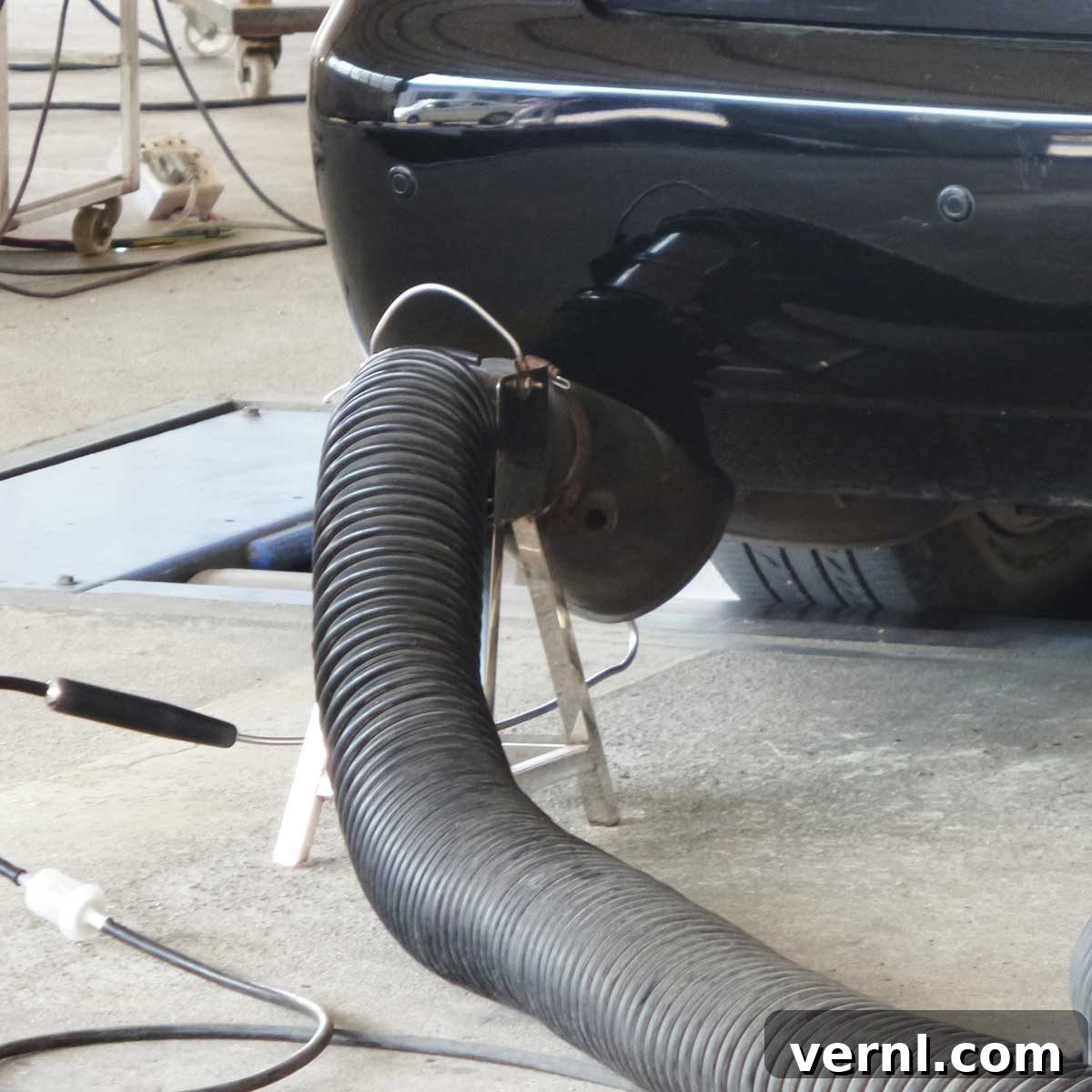
Understanding Car Smog: A Comprehensive Guide to Vehicle Emissions and Smog Tests
Car smog refers to the excessive exhaust fumes and other harmful pollutants that escape from your vehicle into the atmosphere, posing significant health and environmental hazards. These airborne contaminants are a major concern, particularly given the sheer volume of vehicles on our roads today. According to the United States Environmental Protection Agency (EPA), the U.S. transportation sector alone accounts for a substantial 28 percent of all airborne pollutants released into the atmosphere annually.
The automotive industry has made significant strides in mitigating these emissions. The introduction of On-Board Diagnostics, Second Generation (OBD II) systems, for instance, considerably reduced the amount of smog (a term derived from the combination of “smoke” and “fog”) produced and released by internal combustion engines. Despite these advancements, the scale of vehicle usage remains immense. With an estimated 273 million vehicles—ranging from compact cars to large commercial trucks—on the road, and Americans collectively driving over three trillion miles each year (as of 2018 data), the problem persists. On average, each vehicle contributes approximately 4.6 metric tons of smog contaminants to the atmosphere annually.
Understanding how vehicle smog is produced is crucial for both environmental protection and ensuring your car remains compliant with emission standards. This guide will delve into the intricacies of car smog, its various components, how it forms, and what you need to know to successfully pass a smog test, helping you maintain a healthier vehicle and a cleaner planet.
What Exactly Is Car Smog?
Car smog is a complex mixture resulting from both completely and incompletely burned vehicle pollutants. When we talk about vehicle emissions, we are primarily referring to four basic types of pollutants that exit your car’s tailpipe and escape from other parts of the engine system:
- Hydrocarbons (HC): These are unburned or partially burned fuel molecules.
- Carbon Monoxide (CO): A colorless, odorless, and highly toxic gas produced by incomplete combustion.
- Oxides of Nitrogen (NOx): A group of gases formed when nitrogen and oxygen react at high temperatures inside the engine.
- Solid Particulates: Tiny particles of carbon, ash, and fuel additives.
When these airborne pollutants mix with oxygen, nitrogen, and other compounds in the presence of sunlight, they undergo photochemical reactions. This process creates visible photochemical smog and ground-level ozone, a harmful pollutant that irritates the respiratory system and damages vegetation.
The sources and approximate percentages of these auto smog impurities from a typical vehicle are distributed as follows:
- 20 percent originates from crankcase vapors, which are gases that escape past the piston rings into the engine’s crankcase.
- Another 20 percent comes from fuel evaporation, primarily from the fuel tank and fuel system components.
- The remaining and largest portion, 60 percent, is expelled directly from the engine’s tailpipe as exhaust gases.
How Does Car Smog Occur? A Deeper Dive into Pollutant Formation
Each type of pollutant has its own set of causes and implications for your vehicle’s performance and the environment.
Hydrocarbons (HC)
Excess hydrocarbons are essentially unburned fuel that escapes the combustion process. This can result from several factors, including dirty motor oil saturated with combustion by-products and poor crankcase ventilation. Common causes of high hydrocarbon emissions range from a raw fuel leak and normal fuel evaporation (especially with an old or faulty fuel cap) to vapors escaping while filling the fuel tank.
More critically, mechanical or electrical failures can significantly contribute. These include a clogged PCV (Positive Crankcase Ventilation) valve, which is vital for recirculating crankcase gases, a leaking fuel injector, a defective fuel pressure regulator, or a failed engine sensor or ignition component. Any of these issues can lead to incomplete combustion, allowing raw, unburned fuel to make its way into the exhaust system and out the tailpipe. When your car produces excessive hydrocarbons, you’ll likely experience poor gas mileage and reduced performance. Furthermore, these unburned fuel particles can damage critical emissions control components like the oxygen (O2) sensor and the catalytic converter, leading to more costly repairs down the line.
Carbon Monoxide (CO)
Carbon monoxide is a deadly, colorless, and odorless toxin. It is a byproduct of incomplete combustion, which occurs when there isn’t enough oxygen to burn the fuel completely, or when the air/fuel mixture is too “rich” (meaning too much fuel relative to air). Frequent causes of excess carbon monoxide include a dirty air filter that restricts airflow, a faulty oxygen sensor that misinforms the engine’s computer about the exhaust gas composition, or issues with manifold pressure, throttle position, or coolant temperature sensors. These sensors are crucial for the engine’s computer to calculate the correct air-fuel ratio for efficient combustion.
STAY SAFE! Carbon monoxide is extremely dangerous. Even if your engine appears to be running well, never drive a car with a defective or leaking exhaust system. Be vigilant for rust holes or any openings in the car body, trunk, or floor pan, as exhaust fumes can seep into the passenger compartment. Critically, never, ever leave your car idling in a closed garage. Car exhaust, containing poisonous chemicals like carbon monoxide, can quickly accumulate to deadly levels in enclosed spaces, posing a severe risk to occupants.
Oxides of Nitrogen (NOx)
Oxides of nitrogen are primarily produced by extremely high temperatures during the combustion process within the engine cylinders. When combustion temperatures exceed certain thresholds, nitrogen and oxygen, which are naturally abundant in the air, react to form various nitrogen oxides. Common causes of high NOx emissions are a failed or failing catalytic converter, which is designed to convert harmful gases into less toxic ones, or a malfunctioning exhaust gas recirculation (EGR) valve. The EGR system is critical for reintroducing a small amount of exhaust gas into the combustion chambers to lower peak temperatures, thereby reducing NOx formation.
Additionally, high compression engines, engines that consistently run hot, or those that operate with a “lean” air/fuel mixture (too much air for the amount of fuel) can also produce excess NOx. While a lean-running engine might sometimes lead to increased fuel mileage, it often comes at the cost of higher NOx output. It’s a delicate balance; reducing hydrocarbons and carbon monoxide smog often involves conditions that might increase NOx, highlighting the complexity of emissions control systems.
Solid Particles (Particulate Matter)
Solid particulates, also known as particulate matter (PM), are often visible as black smoke exiting the tailpipe. These microscopic particles can be composed of unburned carbon (soot), ash from burning oil, or residue from fuel additives. Some of these particles are heavy enough to settle to the ground relatively quickly, contributing to local air and surface pollution. However, most are fine enough to remain suspended in the atmosphere for extended periods, traveling long distances and posing significant health risks when inhaled.
Common causes of smog-inducing black smoke and particulate emissions include problems with the fuel or ignition system (leading to incomplete combustion), a failing or failed engine sensor (disrupting optimal fuel delivery), or a severely worn engine that is burning oil in the combustion chambers. The accumulation of these smog particulates can also build up inside your engine, leading to all types of drivability issues, further increasing tailpipe smog levels, and causing premature engine wear and damage. Long-term exposure to particulate matter has been linked to respiratory diseases, heart conditions, and other serious health problems.
How To Get Your Car Checked for Smog
Navigating smog check requirements can vary significantly depending on where you live. The first step is to check your state’s Department of Motor Vehicles (DMV) or equivalent environmental agency website. This resource will provide specific information on whether your vehicle needs a smog test. Requirements often depend on your vehicle’s make, model, year, and the number of miles driven in a given period, typically the past 12 or 24 months. Some newer vehicles or very old classic cars may be exempt, while others require regular inspections.
Many states also mandate a smog check before or immediately after selling a vehicle, ensuring that the car meets emissions standards for its new owner. If your vehicle is due for a smog check, the DMV site will help you locate an approved testing site. It’s important to choose a reputable facility. While many repair shops offer smog testing, not all are authorized. If your usual repair shop is not an authorized smog testing site, you may want to consult with the local Better Business Bureau or review trustworthy online sites for customer feedback on various testing facilities. This helps ensure you receive fair treatment and accurate results. Once you’ve selected a facility, make an appointment for the test, and remember to bring your driver’s license and vehicle registration documents.
How To Pass a Car Smog Inspection: Essential Preparations
Proactive maintenance is key to successfully passing a smog inspection. Performing basic tune-ups and checks approximately 14 days before your scheduled smog test can significantly improve your chances. This allows your vehicle’s onboard computer to “relearn” optimal operating parameters and ensures any minor issues are resolved. Here’s a comprehensive checklist:
- Battery and Charging System Service: Service the battery, clean the terminals to ensure good electrical contact, and add battery fluid if necessary (for non-sealed batteries). A weak battery or a compromised charging system can adversely affect the performance of critical ignition and emission sensors, leading to inaccurate readings during the test.
- Oil and Filter Change: Change the engine oil and oil filter. Old, dirty oil can be saturated with combustion by-products, which can contribute to hydrocarbon emissions, especially through crankcase vapors. Fresh oil ensures cleaner engine operation.
- Coolant System Maintenance: Flush the coolant and replace the thermostat if needed. Your car needs to run at its peak operating temperature for optimal fuel efficiency and effective emissions control. An engine that runs too cool or too hot can produce higher emissions.
- Engine Tune-Up: If your car is running rough, perform a thorough tune-up. This includes checking spark plugs and wires (replacing them if worn to ensure complete combustion), replacing the air filter (to ensure proper air intake), replacing the PCV valve (to prevent crankcase vapor buildup), replacing the fuel filter (to ensure clean fuel delivery), and cleaning the throttle body (to optimize air flow). Also, consider adding a high-quality fuel injector cleaner to the fuel tank. After adding the cleaner, be sure to drive your vehicle until the fuel tank is down to about one-quarter full and then refill it before the test. This allows the cleaner to work through the system and ensures a full tank of fresh, clean fuel for the inspection.
- Tire Pressure Adjustment: Correctly set tire pressure to the manufacturer’s specifications. This is especially important if the smog check requires a dynamometer test, where the car is driven on rollers. Incorrect tire pressure can affect the accuracy of the test results.
- Gas Cap Inspection/Replacement: Replace the gas cap if your car is more than five years old or has accumulated more than 50,000 miles. A faulty or loose gas cap is a common cause of “Check Engine Light” illumination and can lead to evaporative emissions, which contribute to smog.
- Address the Check Engine Light (CEL): A vehicle will automatically fail a smog test if the Check Engine Light (CEL) is on. When the CEL illuminates, the engine’s computer stores a “trouble code” in its memory, indicating a specific problem. Many large auto parts stores offer free diagnostic code readings, which can help you identify the source of the problem before your test. Resolve any issues causing the CEL to illuminate and ensure it has been off for a sufficient “drive cycle” period (usually a few days of normal driving) so the system can complete its self-tests.
- Exhaust System Integrity: Make absolutely sure the exhaust system isn’t leaking. Even small leaks can affect sensor readings and allow raw exhaust gases to escape. Also, verify that the catalytic converter is in place and functioning correctly; this is a critical component for reducing harmful emissions.
- Drive Cycle Completion: After any repairs or battery disconnection, ensure your vehicle has completed its “drive cycle” monitors. This involves driving under various conditions (city, highway, idle) to allow the onboard diagnostic system to run all its self-tests and confirm everything is operating correctly. If these monitors are not “ready,” your vehicle may fail the smog test, even if there are no active trouble codes.
- Warm Up the Engine: Drive your car for at least 15-20 minutes before arriving at the testing station. A fully warmed-up engine operates more efficiently and its catalytic converter reaches optimal operating temperature, which is crucial for reducing emissions.
My Car Failed the Smog Test, Now What?
Failing a smog test can be frustrating, but it’s not the end of the road. You should receive a comprehensive report from the testing facility explaining exactly why your vehicle failed. This report typically details the specific pollutants that exceeded the limits and may also suggest what repairs are necessary to bring your car or truck into compliance with emission standards. It’s crucial to understand this report thoroughly.
When seeking repairs, ask your mechanic for a detailed estimate, which should include diagnostic fees, for the repairs your vehicle needs to pass the smog test. Given that emissions-related repairs can sometimes be complex and expensive, it’s often wise to consider getting a second opinion from another reputable repair shop. Sometimes the necessary repairs are straightforward and relatively inexpensive, while other times they might involve major components like the catalytic converter, which can be a significant investment.
If the repairs are prohibitively expensive, exceeding what you can reasonably afford, inquire if your state offers an emissions waiver. Many states provide a one- or two-year emission waiver if certain conditions are met. These conditions typically include spending a minimum or maximum amount on emissions-related repairs from an authorized facility, proving that you made a good-faith effort to fix the problem, but the vehicle still failed or the cost was too high. Understand the specific criteria and documentation required for a waiver in your state.
The Last Word: Driving Towards Cleaner Air
Maintaining vehicle smog levels within manufacturers’ specifications and government regulations is a sophisticated balancing act. It requires several different mechanical, electronic, and electro-mechanical parts and components to work precisely and harmoniously together. From the fuel system to the exhaust, each component plays a vital role in controlling emissions.
The good news is that most smog-causing problems can be largely avoided by diligently following your vehicle manufacturer’s recommended maintenance schedule. Regular oil changes, filter replacements, spark plug checks, and addressing warning lights promptly are not just about keeping your car running; they are about keeping it running cleanly. A well-maintained vehicle not only boasts improved fuel economy, saving you money at the pump, but also significantly decreases its smog output, which is beneficial for both your wallet and the environment. Ultimately, responsible vehicle ownership contributes to cleaner air, safeguards public health, and helps ensure your driving pleasure for years to come.