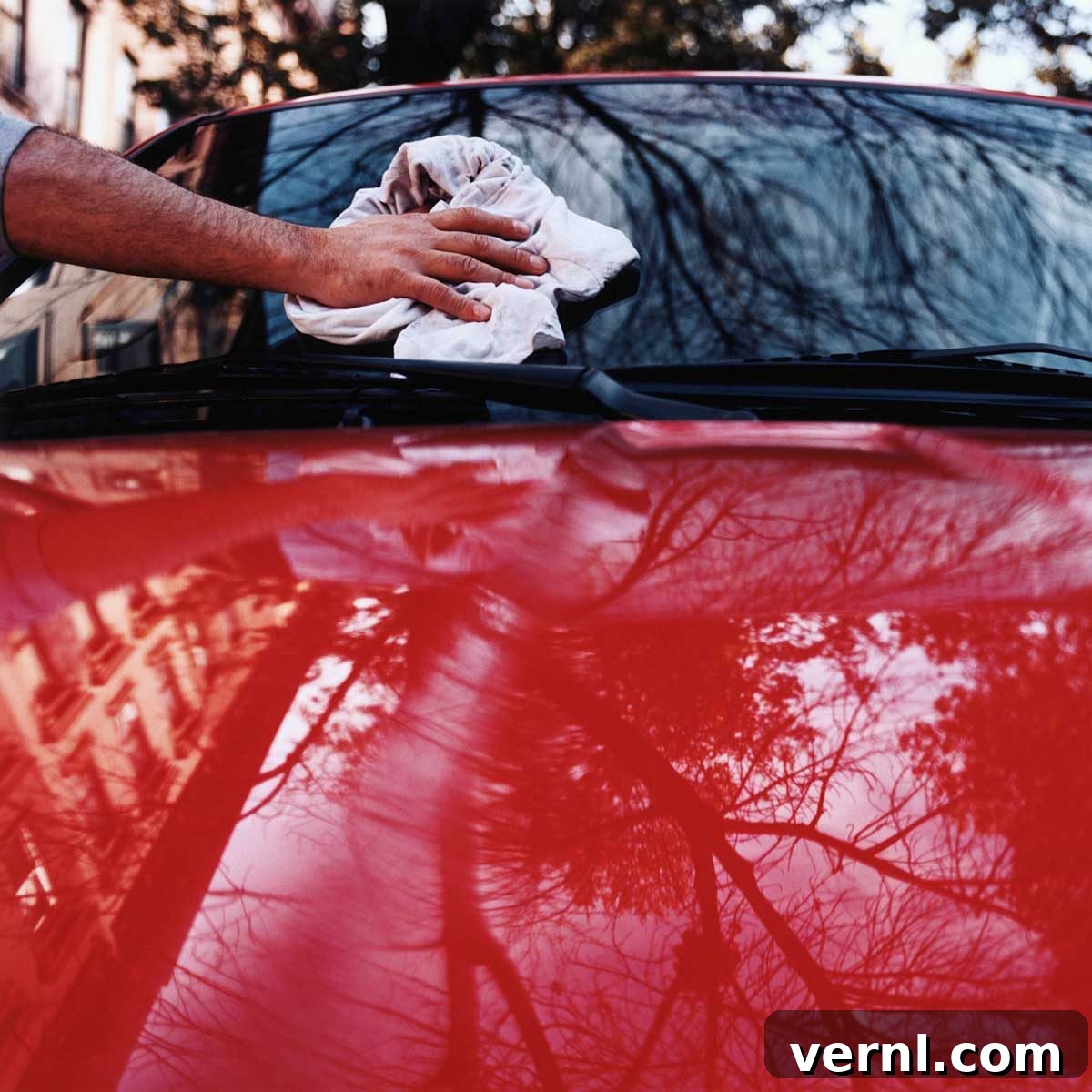
Achieving a show-room shine and long-lasting protection for your vehicle’s paintwork involves more than just a simple wash. Professional auto detailing significantly enhances your car’s aesthetic appeal and builds resilience against environmental damage. A fundamental part of this meticulous process is the strategic application of different compounds to the paint. Among the most commonly used and often confused products are car polish and car wax.
While both contribute to a superior finish, their functions are distinct and complementary. Car polish is an abrasive compound engineered to refine the paint surface, eliminating minor imperfections. In contrast, car wax serves as a protective layer, shielding the polished paint from external elements. Understanding the unique role of each product is key to unlocking your car’s full potential for both beauty and durability.
“Polish and wax are like skincare for your car; one exfoliates and the other moisturizes,” explains Kevin Oliff, general manager at AutoNation BMW Buena Park. “You need both for comprehensive paint care, but they serve entirely different purposes.”
For those new to the world of auto detailing, deciphering the nuances between car wax and polish, understanding their individual benefits, and knowing the correct application sequence is essential. This guide will clarify these distinctions, empowering you to achieve a professional-grade finish right in your driveway.
What Is Car Polish? The Art of Paint Correction
Car polish is a specially formulated liquid compound containing micro-abrasives designed to clean, smooth, and restore the original luster of your vehicle’s paintwork. Over time, the clear coat, which is the transparent protective layer over the colored paint, accumulates various surface imperfections. These can include fine scratches, swirl marks from improper washing, oxidation that causes dullness, water spots, and other microscopic roughness.
These imperfections scatter light, making the paint appear faded, cloudy, or less vibrant than its original factory finish. Car polish works by gently removing a minuscule layer of the clear coat, effectively leveling the surface and eliminating these defects. The result is a smoother, more reflective surface that significantly enhances the paint’s depth, clarity, and overall shine. Think of it as a gentle exfoliation for your car’s skin.
Types of Car Polish and Application
Car polishes come in various grades, from fine finishing polishes with very mild abrasives to more aggressive cutting compounds designed for heavier defects. The choice depends on the severity of the imperfections. For most enthusiasts tackling minor swirl marks and light oxidation, an all-in-one or a medium-grade polish is usually sufficient.
- Fine Polishes: Ideal for removing minor hazing, light swirls, and enhancing gloss.
- Medium Polishes: More abrasive, effective against moderate swirl marks, oxidation, and light scratches.
- Cutting Compounds: Designed for significant paint correction, removing deeper scratches, and heavy oxidation. These require careful application.
While some polishes can be applied by hand, the most effective and efficient method is using a power polisher, often referred to as an orbital buffer or a dual-action (DA) polisher. These machines ensure even product distribution and consistent abrasion, leading to superior results. The polish is typically dispensed onto a foam application pad, then gently massaged over the car’s paint in small sections. This process meticulously smooths out the imperfections, revealing the paint’s true potential and restoring that coveted factory sheen.
What Is Car Wax? The Ultimate Paint Protector
Like polish, properly applied car wax undeniably enhances the aesthetic appeal of vehicle paint. However, its primary and most critical function is to provide a protective barrier. Once the paint surface is clean and smooth after polishing, wax steps in to seal and shield it from the elements. This protective layer is vital for maintaining the paint’s integrity and preserving the results of your polishing efforts.
Car wax is available in various forms, each offering distinct characteristics and benefits. The most common types include:
- Natural Waxes (e.g., Carnauba): Known for producing a deep, rich, warm glow and excellent hydrophobic properties (water beading). Paste waxes often fall into this category. Carnauba wax, derived from the leaves of a Brazilian palm tree, is a popular choice among detailers for its natural luster. While offering beautiful aesthetics, traditional Carnauba waxes typically have a shorter lifespan, usually lasting a few weeks to a couple of months.
- Synthetic Waxes (Paint Sealants): These are polymer-based products engineered for maximum durability and protection. They form a robust chemical bond with the paint surface, creating a long-lasting shield against UV rays, acid rain, road grime, and other contaminants. Synthetic car waxes, often liquid or spray-on, generally last longer than natural waxes, sometimes up to six months or more, and offer excellent protection.
- Ceramic-Infused Waxes (Hybrid Waxes): A newer innovation, these products combine traditional wax components with ceramic (SiO2) technology. They offer the ease of application of a wax with enhanced durability, slickness, and extreme hydrophobic properties akin to full ceramic coatings, though not as long-lasting. Ceramic waxes can extend protection significantly, often lasting several months to a year.
Applying Car Wax for Maximum Benefit
Regardless of the type, the application process for car wax is generally similar: apply a thin, even layer onto the vehicle, allow it to haze or cure as per product instructions, and then buff off the excess using a clean microfiber towel. Buffing can be done either by hand or with a power buffer on a very low speed. When applied properly, wax not only enhances the vehicle’s gloss and depth but also creates a sacrificial layer that makes future cleaning easier and prevents contaminants from bonding directly to the paint.
Car Polish vs. Car Wax: The Essential Detailing Sequence
In my extensive experience, car polish and car wax are both indispensable components of a comprehensive auto detailing regimen. They are not interchangeable but rather sequential steps that build upon each other to achieve the best possible finish. A polishing job, no matter how meticulous, will not retain its pristine appearance for long if it’s not adequately protected by wax. Conversely, applying wax to unpolished, dull, or scratched paint will merely trap imperfections beneath a shiny layer, failing to bring out the paint’s true depth and sheen.
The optimal approach to car detailing involves a methodical, multi-step process designed to first correct and then protect:
- Pre-Wash and Thorough Car Wash: Begin by thoroughly washing the car using a pH-neutral car soap and the two-bucket method to minimize swirl marks. Rinse thoroughly and dry the vehicle completely using soft microfiber towels or a car blower. Any remaining dirt or water can compromise subsequent steps.
- Paint Decontamination (Optional but Recommended): For optimal results, especially on older vehicles, a clay bar treatment can be performed after washing. This step removes embedded contaminants that a regular wash cannot, such as industrial fallout, tree sap, and road tar. A smooth, contaminant-free surface is crucial for polish to work effectively.
- Polishing: This is where the magic of paint correction happens. Apply car polish to small sections of the vehicle at a time. Work the polish in gently and evenly with an orbital buffer or by hand using an appropriate applicator pad until the desired clarity is achieved and imperfections are visibly reduced. Ensure all polish residue is wiped away with a clean microfiber towel before moving to the next step.
- Final Prep: After polishing, it’s often beneficial to use an IPA (Isopropyl Alcohol) wipe-down or a dedicated panel prep spray. This removes any remaining polishing oils or residues, ensuring the paint is perfectly clean and ready for the protective layer to bond effectively.
- Waxing/Sealing: Once the paint is smooth, clean, and free of imperfections, it’s time to apply a quality car wax or sealant. Apply a thin, even layer over the entire vehicle body. Allow it to cure according to the product’s instructions, then carefully buff off any excess with a fresh, clean microfiber towel. This creates the protective barrier and enhances the deep, glossy shine.
By following this sequence, you first refine and restore your car’s paint to its best possible condition with polish, then lock in that beauty and protect it from future damage with wax. This synergistic approach ensures a dazzling, long-lasting finish.
Frequently Asked Questions About Car Polish and Wax
How long does car wax last?
The longevity of car wax varies significantly, generally lasting anywhere from a few weeks to upwards of one year, depending on several factors. “Most traditional waxes last six to eight weeks, but some high-end or ceramic-infused options can protect longer,” says Parham Koukia, lead detailer and operations manager at Panda Hub. “Ceramic wax may even last upwards of one year.”
Factors influencing durability include:
- Product Type: Natural Carnauba waxes typically offer shorter protection (1-3 months), while synthetic sealants (polymers) can last 4-6 months, and advanced ceramic-infused waxes often provide 6-12 months of protection.
- Environmental Exposure: Cars exposed daily to harsh UV radiation, heavy rain, snow, road salt, industrial fallout, or extreme temperatures will see wax degrade faster.
- Washing Frequency and Methods: Frequent washing, especially with harsh detergents or automatic car washes that use aggressive brushes and chemicals, will strip wax more quickly than gentle hand washing with pH-neutral car soaps.
- Paint Preparation: Wax applied to a thoroughly cleaned and decontaminated surface will bond better and last longer.
Are there eco-friendly options for car wax and polish?
Yes, the automotive detailing industry is increasingly recognizing the importance of environmental responsibility. Consumers can now find a growing number of eco-friendly options for both car polish and wax. When selecting products, look for ones that are:
- Water-based and Low-VOC (Volatile Organic Compounds) Polishes: These products reduce the release of harmful chemicals into the atmosphere during application.
- Plant-based and Biodegradable Waxes: Many brands now offer waxes formulated with natural, renewable ingredients that break down harmlessly in the environment.
“We’re big on using products that perform without harming the planet, and there’s a growing market for that now,” affirms Branden Waltz of Elite Pro. Beyond product choice, adopting water-saving washing techniques and properly disposing of used cleaning materials also contributes to a more eco-conscious detailing routine.
Can I wax my car without polishing it first?
While you certainly can apply wax to an unpolished car, the results will not be as profound or long-lasting as when applied over polished paint. Wax primarily protects and enhances the *existing* finish. If your paint has swirl marks, oxidation, or fine scratches, waxing over them will simply trap these imperfections under a shiny layer, making them potentially less noticeable but not actually removing them. For a truly pristine, deep, and reflective finish, polishing to correct imperfections before waxing for protection is always the recommended approach.
How often should I polish my car?
Polishing involves removing a microscopic layer of clear coat, so it’s not a step you should perform as frequently as waxing. Generally, most cars only need a full polish every 1-2 years, or whenever noticeable swirl marks, oxidation, or light scratches become apparent. Excessive or aggressive polishing can prematurely thin the clear coat. For minor marring between major polishing sessions, a ‘cleaner wax’ or all-in-one product can offer a gentle alternative that cleans and protects simultaneously.
What tools do I need for car polishing and waxing?
For polishing, a dual-action (DA) orbital polisher is highly recommended for safety and effectiveness, along with various foam pads (cutting, polishing, finishing). For waxing, foam applicator pads and multiple high-quality microfiber towels for buffing are essential. Other useful items include automotive detailing clay, car wash soap, buckets, grit guards, and a dedicated car drying towel or blower.
About the Experts
- Parham Koukia is lead detailer and operations manager at Panda Hub in Toronto. He has spent more than a decade mastering the art of car detailing, after turning his passion for automobiles into his profession.
- Branden Waltz is the owner of Elite Pro, a car detailing business in Charleston, South Carolina, specializing in detailing, ceramic coat and window tinting.
- Kevin Oliff is the general manager at AutoNation BMW Buena Park in California and has more than 20 years of experience in the automotive field.