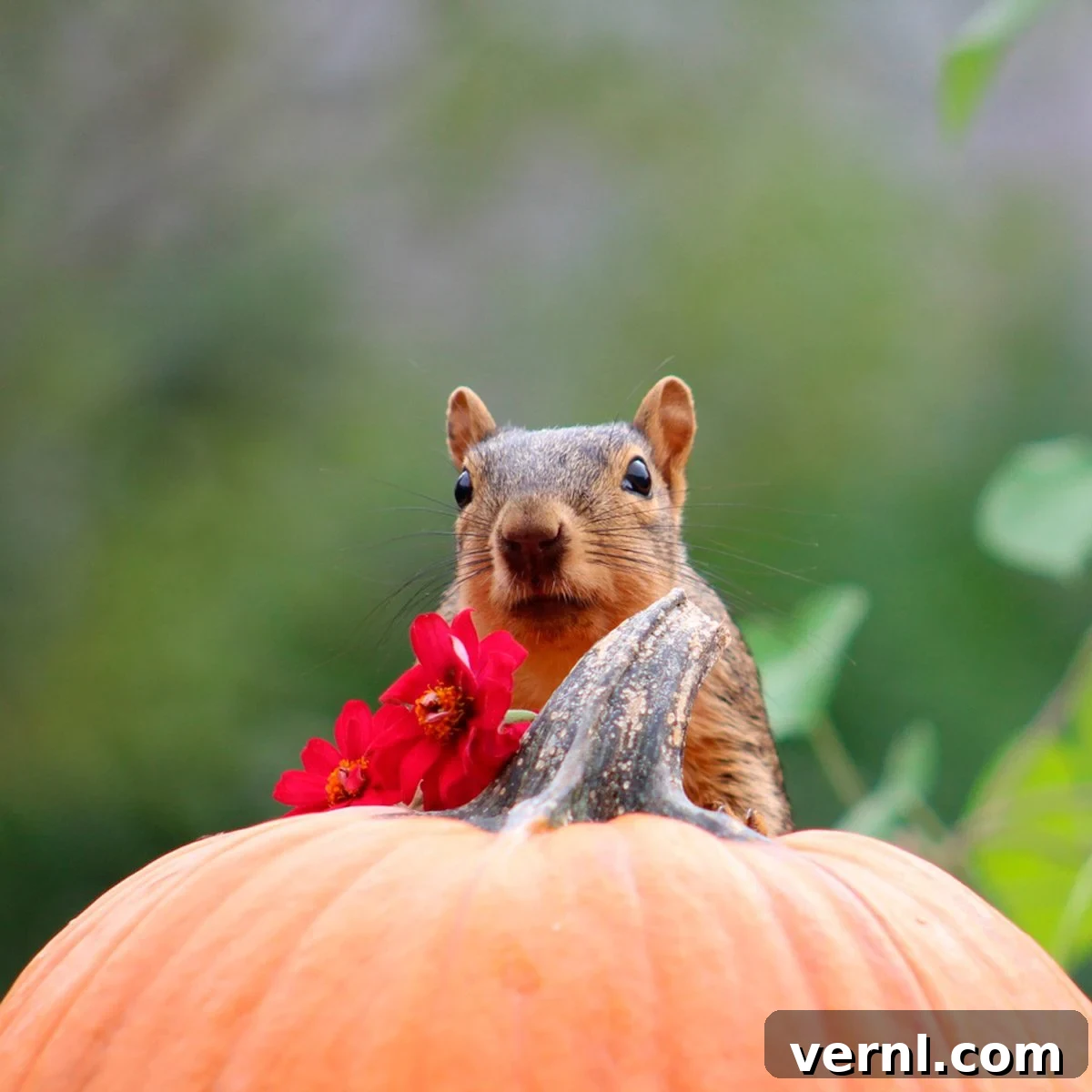
How to Protect Your Halloween Pumpkins from Squirrels and Pests
Halloween brings with it a delightful tradition of spooky fun, imaginative costumes, and, for many, the grand display of creatively carved or beautifully arranged pumpkins. These autumnal symbols are central to our festive decor, adorning porches, steps, and yards. However, the joy of a perfect Halloween setup can quickly turn to frustration when persistent, furry, four-legged visitors decide your decorative gourds are an open invitation to a hearty meal. Squirrels, driven by their innate instinct to forage and prepare for the leaner winter months, often see a plump pumpkin as an irresistible calorie source.
While generations past might have simply avoided this predicament by keeping their pumpkins safely indoors, perhaps in a front window as my parents did, today’s Halloween enthusiasts often prefer elaborate outdoor displays. This shift means our prized pumpkins are now more exposed to hungry wildlife. The good news is that you don’t have to abandon your outdoor pumpkin dreams. This comprehensive guide will explore a variety of effective and humane ways to safeguard your Halloween and autumn arrangements from opportunistic squirrel attacks, ensuring your festive decor remains pristine throughout the season.
Understanding Squirrel Behavior: Why They Love Your Pumpkins
To effectively deter squirrels, it helps to understand their motivations. Pumpkins, while not typically a squirrel’s absolute favorite food, are a convenient and accessible source of moisture, carbohydrates, and some nutrients. As autumn progresses, squirrels enter a phase of intense foraging, known as “scatter-hoarding,” to build up fat reserves and store food for the harsh winter ahead. A large, soft pumpkin sitting unprotected on your porch becomes an easy target, offering a quick meal with minimal effort. They are not intentionally mischievous; they are simply following their biological imperative.
The Humane Approach: Divert and Feed
Before deploying more direct deterrents, consider a harmonious and humane strategy: providing squirrels with an alternative, more appealing food source. This method leverages their natural foraging habits by redirecting their attention away from your decorative pumpkins. If given tastier and more accessible options, squirrels are very likely to leave your festive gourds untouched.
Setting Up a Strategic Squirrel Feeding Station
The key to this approach is setting up a dedicated squirrel feeder. Location is paramount: place the feeder a good distance away from your house and, critically, well away from your pumpkin displays. This ensures you are successfully diverting their attention, rather than inadvertently attracting them closer to your home and its decorations. Simple DIY feeders can be easily constructed from repurposed materials or purchased online, providing an easy-to-access buffet for your local squirrel population.
What to Offer at Your Squirrel Feeder
To make your feeding station irresistible, offer a variety of foods that squirrels genuinely adore:
- Peanuts: Unshelled peanuts are a highly popular choice, offering excellent fat content crucial for winter.
- Sunflower Seeds: Black oil sunflower seeds are particularly nutritious and attractive due to their high oil content.
- Corn: Whole ears of dried corn, often sold as “squirrel corn,” or cracked corn are perennial favorites.
- Other Nuts: Walnuts, almonds, and hazelnuts are also highly sought after and provide valuable energy.
- Stale Bread or Crackers: While not the most nutritious, these can serve as an occasional treat to round out their diet.
- Fruits and Vegetables: Small pieces of apples, carrots, or grapes can be offered in moderation for variety.
Consistency is important throughout the period you need your pumpkins protected. Once Halloween has passed and your pumpkins are ready to be removed, you can gradually reduce the supplementary feeding. This helps ensure the squirrels don’t become overly dependent on your generosity. As a final act of goodwill, come November 1st, you can even add your discarded pumpkins to their feeding station, allowing them to enjoy the leftovers without having damaged your display beforehand.
Proactive Deterrents: Direct Solutions to Protect Your Pumpkins
If the friendly feeding approach isn’t feasible, or if some particularly persistent squirrels still target your pumpkins, more direct deterrents may be necessary. These methods focus on making your pumpkins unappealing or the area around them undesirable for foraging. Here are five highly effective ways to safeguard your Halloween pumpkins.
1. Apply a Commercial Animal Repellent Spray
One of the simplest and most readily available solutions is to use a commercially produced animal repellent. These products are formulated to emit scents or tastes that squirrels and other pests find highly offensive, effectively keeping them at bay without causing harm. Common active ingredients often include garlic oil, putrescent whole egg solids (which mimic a rotten egg smell), or capsaicin from hot peppers. While the initial application might release an intense odor to humans, it generally dissipates over time, remaining potent enough to deter small animals.
Maximizing Effectiveness:
- Adhere to Instructions: Always carefully read and follow the manufacturer’s directions regarding application methods, frequency, and safety precautions.
- Thorough Coverage: Ensure complete and even coverage of the pumpkin’s surface, paying particular attention to the bottom, sides, and any carved openings where squirrels might begin gnawing.
- Regular Reapplication: Most outdoor repellents require reapplication after heavy rainfall or every few days to maintain their efficacy, especially in exposed outdoor settings.
- Safety Considerations: Opt for repellents explicitly labeled as safe for use around children and pets, especially if your pumpkins are placed in high-traffic areas.
2. Create a DIY Hot Pepper Repellent Spray
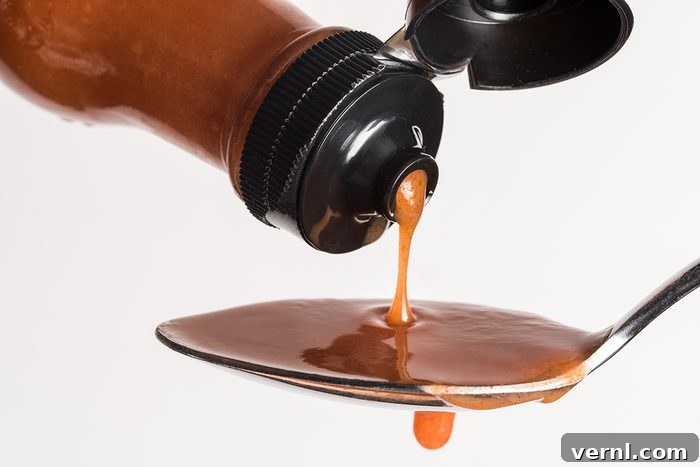
For those who prefer a homemade, non-toxic, and budget-friendly solution, a spicy repellent spray is an excellent choice. Squirrels, like most mammals, are highly sensitive to capsaicin, the compound found in hot peppers that causes a burning sensation. This DIY spray leverages their natural aversion without causing any lasting harm to the animals.
Simple Recipe and Safe Application:
- Ingredients: Combine a generous amount of concentrated hot pepper sauce (e.g., Tabasco, cayenne pepper sauce, or a mixture of chili powder and water) with plain water.
- Enhance Adhesion: Add a few drops of liquid dish soap to the mixture. The soap acts as a surfactant, helping the spray adhere more effectively to the pumpkin’s waxy surface and preventing it from washing off too quickly due to dew or light rain.
- Application Method: Transfer the solution to a clean spray bottle and liberally coat the entire pumpkin. For carved jack-o’-lanterns, ensure you spray both the exterior and interior surfaces.
- Safety First: Always wear gloves when preparing and applying the spray to avoid skin irritation. Exercise caution to prevent inhaling the mist or getting the solution in your eyes. Keep treated pumpkins out of reach of young children and curious pets who might try to touch or lick them.
This natural repellent will require reapplication, particularly after any significant precipitation or if you observe new signs of squirrel interest. It’s a highly effective, humane way to make your pumpkins unappetizing.
3. Utilize Pet Fur as a Natural Deterrent
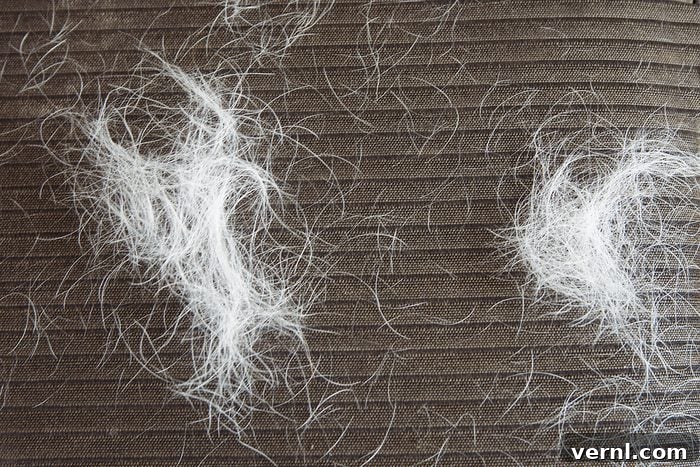
Harness the innate power of nature’s food chain to protect your pumpkins! Squirrels possess a natural wariness of predators such as dogs and cats, which are common presences in many residential environments. By strategically placing pet fur around your pumpkins, you can create the sensory illusion that a predator is nearby, making the area less appealing for foraging squirrels.
How to Collect and Apply:
- Gather Fur: Simply brush your dog or cat regularly, especially during shedding seasons, and collect the loose fur.
- Strategic Placement: Distribute handfuls of fur directly around the base of your pumpkins. For carved pumpkins, you can also gently tuck some fur into the carved openings or along the edges to enhance the deterrent effect.
- Efficacy and Maintenance: The scent of your pet’s fur acts as an olfactory deterrent. While its effectiveness can diminish over time, particularly after rain or strong winds, it is a completely free, organic, and harmless method. Regularly refreshing the fur will help maintain its potency and keep squirrels guessing.
This method is often most effective when used in combination with other deterrents, as particularly bold or desensitized squirrels might eventually overcome their apprehension if no actual predator is present.
4. Coat Pumpkins with Petroleum Jelly
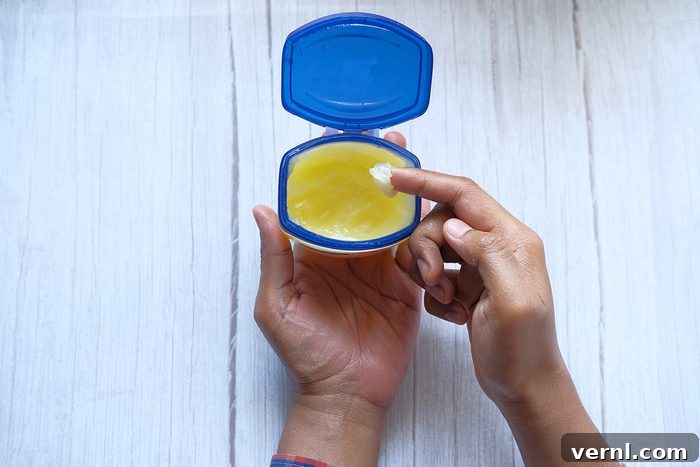
Squirrels are largely deterred by unpleasant textures, and a sticky, gooey surface is decidedly unappealing to their delicate paws and mouths. A thick, even coating of petroleum jelly creates exactly this kind of bothersome barrier, making your pumpkins far less desirable as a meal.
Application Technique:
- Petroleum Jelly: Rub a generous and uniform layer of petroleum jelly over the entire surface of your pumpkin. Pay meticulous attention to any softer areas or the edges of carved designs, as these are common points of entry for squirrels. This creates a slippery, sticky coating that squirrels find both difficult and highly unpleasant to gnaw through. A significant advantage of petroleum jelly is its impressive longevity; a single, well-applied coat can often last for the entire Halloween season, even enduring light precipitation.
- Hairspray (Less Durable Alternative): While some individuals use hairspray as an alternative for its sticky quality, it generally proves less durable and requires much more frequent reapplication, especially after rain or heavy dew. For long-lasting and reliable protection, petroleum jelly remains the superior choice.
While highly effective, remember that the pumpkin will be sticky to the touch. Position it in an area where it is unlikely to be accidentally brushed against by people or curious pets, as it can transfer residue.
5. Deploy Motion Detectors and Visual Deterrents
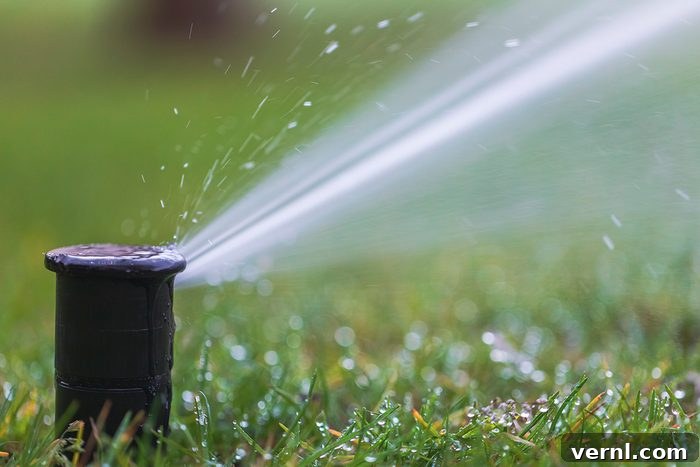
For a more advanced, automated, and often hands-off approach to getting rid of squirrels, consider integrating motion-activated and visual deterrents. These devices capitalize on a squirrel’s natural skittishness and aversion to sudden, unexpected changes in their environment.
Motion-Activated Sprinklers:
- Functionality: A strategically placed motion detector is linked to a sprinkler. When an animal enters the detection zone, the sprinkler activates, emitting a short, startling burst of water. The sudden spray and accompanying sound are typically enough to frighten squirrels away without causing them any harm.
- Ideal Application: This method is particularly well-suited for larger outdoor displays, rural properties, or expansive country gardens where a sprinkler’s activation won’t inadvertently disturb neighbors. It offers a humane, low-maintenance solution for consistent protection.
Visual Deterrents (Statues and Silhouettes):
- Predator Statues: In urban or suburban environments where a motion-activated sprinkler might be impractical, realistic visual deterrents are an excellent alternative. Placing a lifelike statue of a natural predator, such as an owl, fox, or even a hawk, near your pumpkins can be highly effective. Squirrels instinctively recognize these shapes as threats and tend to avoid their perceived territory.
- The Importance of Movement: For optimal results, select statues with features like bobble heads, or periodically change their location to prevent squirrels from becoming accustomed to their presence. A static object will eventually lose its scare factor.
- Other Visual Cues: Incorporate shiny objects, like old CDs or strips of aluminum foil, hung nearby. Their glinting light and unpredictable movement can also help deter squirrels. Pinwheels or small, fluttering flags can add an element of unexpected motion that further unsettles them.
Additional Smart Tips for Robust Pumpkin Protection
Beyond these primary methods, a few extra preventative measures can significantly boost your pumpkin’s defenses and ensure their longevity:
- Elevate Your Pumpkins: Whenever feasible, position your pumpkins on elevated surfaces such as sturdy tables, hay bales, or pedestals. This makes them slightly more challenging for squirrels to access compared to pumpkins placed directly on the ground.
- Select Flawless Pumpkins: When choosing your pumpkins, opt for ones that are firm, unblemished, and free of any soft spots, cuts, or bruises. Damaged areas provide an easier entry point for determined squirrels.
- Fortify Carved Pumpkins: Carved jack-o’-lanterns are especially vulnerable due to their exposed flesh. Consider applying a thin layer of petroleum jelly or a specialized pumpkin preserve spray to the carved edges. Using LED candles internally instead of traditional flames can also minimize heat, which might attract certain pests and reduce spoilage.
- Maintain a Clean Environment: Regularly remove any fallen nuts, seeds, berries, or fruits from your yard. These natural food sources can attract squirrels to the general area where your cherished pumpkins are displayed, increasing the likelihood of an unwanted encounter.
- Consider Pumpkin Location: Placing your pumpkins closer to your house or in high-traffic areas can also help, as squirrels are generally more timid around human activity.
Conclusion: Enjoy a Pristine and Squirrel-Free Halloween Display
Protecting your beautiful Halloween pumpkins from the persistent efforts of squirrels doesn’t have to be a source of endless frustration. By understanding squirrel behavior and thoughtfully employing a combination of these humane, effective, and often innovative strategies, you can significantly reduce the risk of damage. Whether you lean towards the friendly approach of diverting them with a well-stocked feeder, or prefer more proactive deterrents like repellents, sticky barriers, and motion sensors, you now have a comprehensive arsenal of options at your disposal.
Experiment with different methods to discover what works most effectively for your specific environment and the local wildlife. With a little preparation and vigilance, you can ensure your festive outdoor decorations remain pristine, allowing you to fully enjoy a truly spectacular and squirrel-free Halloween season!