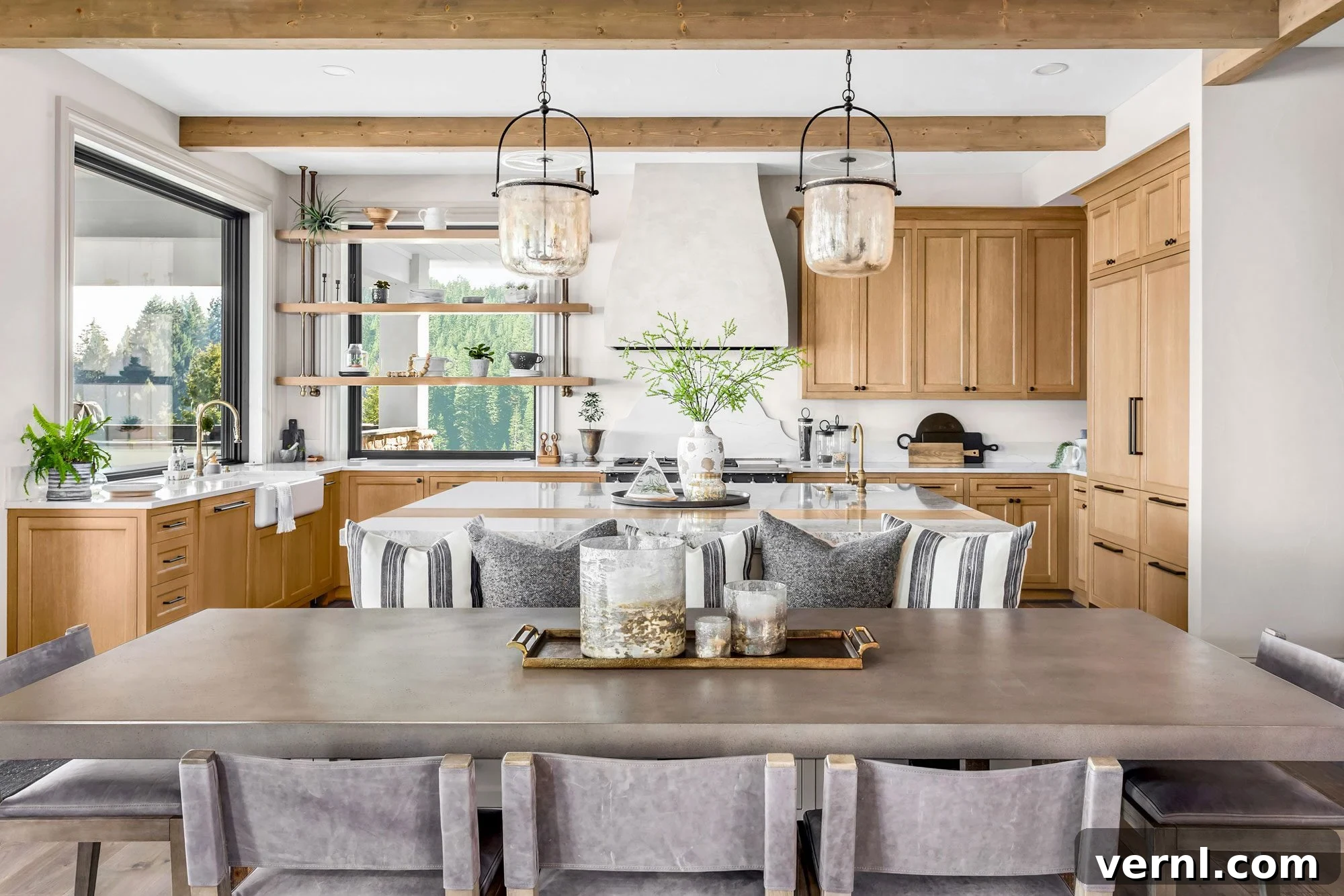
The Enduring Charm of Farmhouse Interior Design: A Comprehensive Guide to Modern Farmhouse Style
The allure of farmhouse interior design, particularly its modern iteration, has blossomed into a design phenomenon over recent years. Its widespread appeal means that even those with a passing interest in interior aesthetics can likely identify its signature elements. This style, known for its inviting warmth, rustic elegance, and functional beauty, has captivated homeowners and designers alike, transforming countless living spaces into cozy havens.
“Has anyone been more closely associated with the farmhouse style than Joanna Gaines?” asks interior designer Lindsay Boudreaux, proprietor and creative director at Shotgun Double. Indeed, her influence has been monumental.
Joanna Gaines, alongside her husband Chip, soared to fame through their hit HGTV show Fixer Upper. Their work not only popularized the modern farmhouse aesthetic but also introduced terms like “shiplap” into the everyday vocabulary. For the uninitiated, shiplap refers to horizontal wood paneling, often painted white, which provides a distinctive textured backdrop characteristic of the style.
“The first thing that comes to mind when I think of this style is white-painted, shiplap wood wall paneling,” Boudreaux elaborates. “But other markers of the ‘modern’ farmhouse style are reclaimed wood, a thoughtful mix of light and dark neutral colors in varying textures, and the comfort of handmade textiles, such as quilts and knitted blankets.” This blend of rustic and refined, old and new, is what gives modern farmhouse its unique and timeless appeal.
Meet Our Interior Design Experts
To delve deeper into the nuances of farmhouse design, we consulted leading experts in the field:
Lindsay Boudreaux is the proprietor and creative director at Shotgun Double, an interior design studio based in the vibrant Washington, D.C. area. Her expertise lies in creating spaces that are both beautiful and deeply personal.
Artem Kropovinsky is an esteemed interior designer and the founder of Arsight in New York City. Kropovinsky is renowned for his ability to merge classic elegance with contemporary functionality, creating truly sophisticated environments.
Ariana Lovato is the visionary owner and principal designer at Honeycomb Home Design in Arroyo Grande, California. Her designs are celebrated for their inviting warmth and thoughtful integration of personal touches that make a house feel like a home.
Understanding Farmhouse Interior Design: A Style Rooted in Comfort and Simplicity
At its heart, farmhouse interior design is an aesthetic that draws profound inspiration from the traditional, rustic charm found in rural farmhouses and country homes. “It combines elements of simplicity, warmth, and functionality to create a comfortable and inviting living space,” explains Ariana Lovato, emphasizing its practical yet comforting origins.
Lovato explains that the signature style evolved from genuinely functional roots. Historically, farmhouses were built to be robust and accommodating, providing ample space for large families and farmhands. This emphasis on utility and straightforward design continues to influence the style today, ensuring that farmhouse spaces are not only beautiful but also eminently livable.
While Joanna Gaines certainly popularized the style, she is by no means the only one mastering it. Lovato points to other influential designers like Studio McGee and Becky Shea Design Farmhouses, who also expertly incorporate essential farmhouse elements into their projects, each adding their unique spin to the beloved aesthetic. Lovato herself finds particular inspiration in old British farmhouses. “They have that truly rustic element that is hard to emulate in newer homes,” she notes, highlighting the authenticity and timeless character inherent in these historical structures.
Even if the farmhouse design trend has reached a peak in popularity, many of its core elements are destined to remain timeless. For homeowners who seek a harmonious balance between rustic design and the essential comforts of modern life, farmhouse design offers an enduring solution. Artem Kropovinsky eloquently captures this essence, stating that the style “mak[es] them warmly inviting spaces that lack pretense while being undeniably elegant.” It’s this blend of understated sophistication and approachable comfort that ensures farmhouse design’s lasting appeal.
Unpacking the Core Elements of Farmhouse Interior Design
Achieving the quintessential farmhouse dream goes beyond merely installing shiplap or adhering to a strict black-and-white color scheme. Our design experts reveal that a thoughtful integration of several key elements is crucial to authentically capture this beloved look. From foundational materials to decorative accents, each component plays a vital role in creating a cohesive, warm, and inviting farmhouse aesthetic.
The Foundation: Natural Materials and Architectural Details
The soul of farmhouse design is deeply rooted in its use of natural and often raw materials, echoing the functional and robust construction of traditional farm homes. Kropovinsky states that the look “is built around natural materials, such as exposed wood beams, hardwood floors, and stone embellishments.” These elements provide a textural richness and an authentic connection to nature that is indispensable for the style. Exposed wooden beams, whether structural or decorative, instantly add architectural character and rustic charm. Wide plank hardwood floors, often in natural or lightly stained finishes, contribute to the homey, unpretentious feel. Stone, whether as a fireplace surround, an accent wall, or a subtle kitchen backsplash, grounds the space and adds an element of natural strength and timelessness. Shiplap, while iconic, can also be complemented by other wall treatments like board and batten paneling, offering variations in texture and depth.
A Serene Palette: Embracing Neutrals and Soft Hues
The farmhouse aesthetic is synonymous with a calming and cohesive color palette, predominantly featuring neutrals. These colors, ranging from crisp whites and soft creams to warm beiges and gentle grays, create an airy and bright atmosphere that is both serene and inviting. This focus on light, neutral shades not only enhances the sense of spaciousness but also allows the natural textures and materials of the home to truly shine. While white often dominates, layered with various shades of off-white and cream, subtle hints of pale blues, greens, or even soft muted yellows can be introduced as accent colors through textiles or decorative items. The goal is a unified appearance that feels fresh, clean, and effortlessly elegant, without being stark or cold. This palette serves as the perfect canvas for the rustic elements and vintage finds that define the style.
Layering Warmth: The Art of Handmade Textiles and Varied Textures
Texture is paramount in farmhouse design, adding depth, warmth, and a tactile richness that invites touch and comfort. “Quilts and knits add a personal touch,” Boudreaux observes, explaining how these handmade items provide a crucial contrast with more rustic elements, such as weathered wood or furniture repurposed from industrial farm uses, like old barn carts. Lovato further elaborates that fabrics with natural textures, such as linen, burlap, and cotton, are frequently used for upholstery, curtains, and throw pillows. These materials, with their inherent imperfections and organic feel, lend a tangible element of comfort and authenticity to the space. Chunky knit blankets draped over a sofa, a vintage quilt folded at the foot of a bed, or a textured jute rug underfoot all contribute to the layered, lived-in feel that is a hallmark of farmhouse style, making every room feel cozy and welcoming.
Furniture with Purpose: Simple, Functional, and Inviting
Farmhouse furniture is characterized by its simplicity, robust construction, and above all, its functionality and comfort. Kropovinsky and Lovato both emphasize the importance of keeping furniture designs straightforward and practical. Comfort is key, as farmhouse homes are designed for relaxation and gathering. “Pieces often have a distressed or weathered appearance to enhance the rustic charm,” Lovato notes. This can manifest in solid wood dining tables with visible grain, sturdy upholstered sofas with linen or cotton slipcovers, and sturdy wooden chairs that evoke a sense of heritage. Common materials include pine, oak, and reclaimed wood, often chosen for their durability and natural beauty. The furniture should look like it has a story, perhaps passed down through generations, contributing to the lived-in, unpretentious atmosphere.
Illuminating Spaces: Maximizing Natural Light and Thoughtful Fixtures
A fundamental aspect of farmhouse interiors is an emphasis on natural light, which is beautifully reflected by the prevalence of white-based color palettes. “Large windows and light curtains contribute to an airy and bright atmosphere,” Lovato highlights. Maximizing natural light not only makes spaces feel larger and more open but also accentuates the natural textures and muted colors of the design. When it comes to artificial lighting, fixtures often blend utilitarian design with a touch of vintage charm. Think of galvanized metal pendants over a kitchen island, antique-inspired sconces in hallways, or lantern-style chandeliers in dining areas. These fixtures provide ample illumination while serving as decorative elements that reinforce the farmhouse aesthetic, combining practicality with understated elegance.
The Heart of the Home: Signature Farmhouse Kitchen & Dining Elements
The kitchen is arguably the true heart of any farmhouse home, designed for both extensive cooking and warm family gatherings. Lovato identifies the farmhouse or apron-front sink as a highly popular choice for kitchens, “contributing to the nostalgic and practical feel of the design.” Its deep basin and exposed front embody both functionality and a timeless appeal. Open shelving, typically crafted from rustic reclaimed wood, is another signature element. It allows for easy access to dishes and decorative items, while maintaining a casual and charming aesthetic. Large, sturdy kitchen islands often serve as central gathering points, complete with butcher block or stone countertops. Dining areas frequently feature expansive wooden tables, often paired with a mix of chairs and benches, fostering a communal and inviting atmosphere for meals.
Curated Character: Incorporating Vintage Finds and Meaningful Decor
The final layer of farmhouse design comes from thoughtfully curated decor and vintage finds, which imbue the space with personality and a sense of history. “Items like weathered signs, old tools, and repurposed items contribute to the overall nostalgic and lived-in look,” Lovato explains. These pieces tell a story and prevent the space from feeling too new or sterile. Scouting flea markets and vintage shops is essential for uncovering authentic treasures that add depth and character. Galvanized metal accents, woven baskets, antique crocks, ceramic pottery, and fresh greenery in simple vessels are all common decorative elements. The key is to select items that feel authentic, purposeful, and contribute to the overall narrative of a home that has been lovingly lived in and gathered over time.
Transform Your Home: Practical Steps to Achieve the Farmhouse Look
Embracing the farmhouse aesthetic doesn’t require a move to the countryside or a complete overhaul of your home. Our expert designers share practical and often inexpensive ways to infuse your existing space with the warmth and charm of farmhouse style. Whether you’re making subtle changes or undertaking more significant projects, these tips will guide you in creating an inviting and authentic farmhouse environment.
Start Small: Layering Textures and Soft Furnishings
One of the easiest and most impactful ways to introduce farmhouse charm is through textiles and layers. Kropovinsky suggests embellishing what you already have with elements like throw pillows, chunky knit blankets, or a jute rug. Look for fabrics with natural textures such as linen, cotton, and wool. These soft furnishings not only add warmth and comfort but also introduce varied textures that are essential to the farmhouse aesthetic. A simple, neutral-colored throw pillow can transform a modern sofa, while a large, hand-knitted blanket draped over an armchair instantly evokes a cozy, rustic feel. Jute and sisal rugs bring an organic, earthy texture underfoot, grounding the space with natural fibers.
Embrace the Power of Paint: A Fresh, Neutral Canvas
The color palette is fundamental to farmhouse design, and embracing white and other neutral tones is a foundational step. “I like to add white linen drapery panels into a space to make it feel cozy but also add that nice texture,” Lovato shares. Painting walls in shades of white, cream, or light gray instantly brightens a room, creating that airy, clean backdrop characteristic of farmhouse style. These neutral walls also serve as a perfect canvas for highlighting wooden elements, vintage finds, and colorful textiles. The choice of light curtains, especially in natural linen, further enhances the bright and open atmosphere, allowing ample natural light to permeate the space and truly make the design feel authentically farmhouse.
Strategic Furniture Choices: Blending Old and New
When it comes to furniture, focus on pieces that are simple, sturdy, and appear to have a history. “Instead of modern furniture, consider placing a wooden coffee table or distressed bookshelf,” Kropovinsky advises. Look for items made from natural wood, possibly with a distressed or reclaimed finish. This doesn’t mean you need to replace everything; even one or two key pieces, like a solid pine dining table, a rustic console table, or a vintage hutch, can significantly impact the room’s aesthetic. Don’t be afraid to mix and match; a distressed wooden chest can perfectly complement a comfortable, upholstered sofa, creating a curated, eclectic look that feels authentic and lived-in.
Open Up Your Space: Shelving and Storage Solutions
Open shelving is a hallmark of farmhouse kitchens and living spaces, offering both practicality and charm. Adding open shelving made of rustic reclaimed wood in the kitchen is an easy and relatively inexpensive way to bring this element into your home. It allows you to display beautiful dishes, vintage pottery, and other decorative items, breaking up solid cabinetry and making the space feel more open and accessible. In other areas of the home, a vintage hutch or a simple wooden bookshelf can offer similar open storage solutions. For flooring, remember that hardwood flooring is always on-trend and perfectly aligns with the farmhouse aesthetic, providing a durable and timeless base for any room.
The Finishing Touches: Thoughtful Decor and Greenery
The character of a farmhouse home is often found in its carefully selected decor. Begin by decluttering to allow your chosen pieces to stand out. Incorporate elements like galvanized metal buckets, woven baskets for storage, and antique-inspired signs with simple typography. Fresh greenery, such as potted herbs in the kitchen or eucalyptus branches in a vintage vase, adds life and a natural touch to any room. Remember the appeal of vintage finds: old tools displayed as art, repurposed crates, or family heirlooms can add a unique and personal story to your space. The goal is to create a collected, unpretentious look that feels genuinely inviting and reflective of your personal style.
Why Farmhouse Style Continues to Captivate: An Enduring Aesthetic
The enduring popularity of farmhouse interior design isn’t merely a fleeting trend; it’s a testament to a deeper human desire for comfort, authenticity, and connection. This style speaks to a yearning for simpler times, offering a refuge from the fast-paced modern world. Its emphasis on natural materials, a soft color palette, and functional yet beautiful pieces creates environments that are inherently welcoming and calming. Farmhouse design effortlessly blends rustic charm with modern convenience, proving that elegance doesn’t have to be ostentatious. It’s a versatile style that allows for personal expression through vintage finds and handmade textures, making each farmhouse home uniquely its own. As Lindsay Boudreaux and Artem Kropovinsky highlight, its lack of pretense, coupled with undeniable elegance, ensures that the farmhouse aesthetic will continue to captivate and inspire homeowners for many years to come.