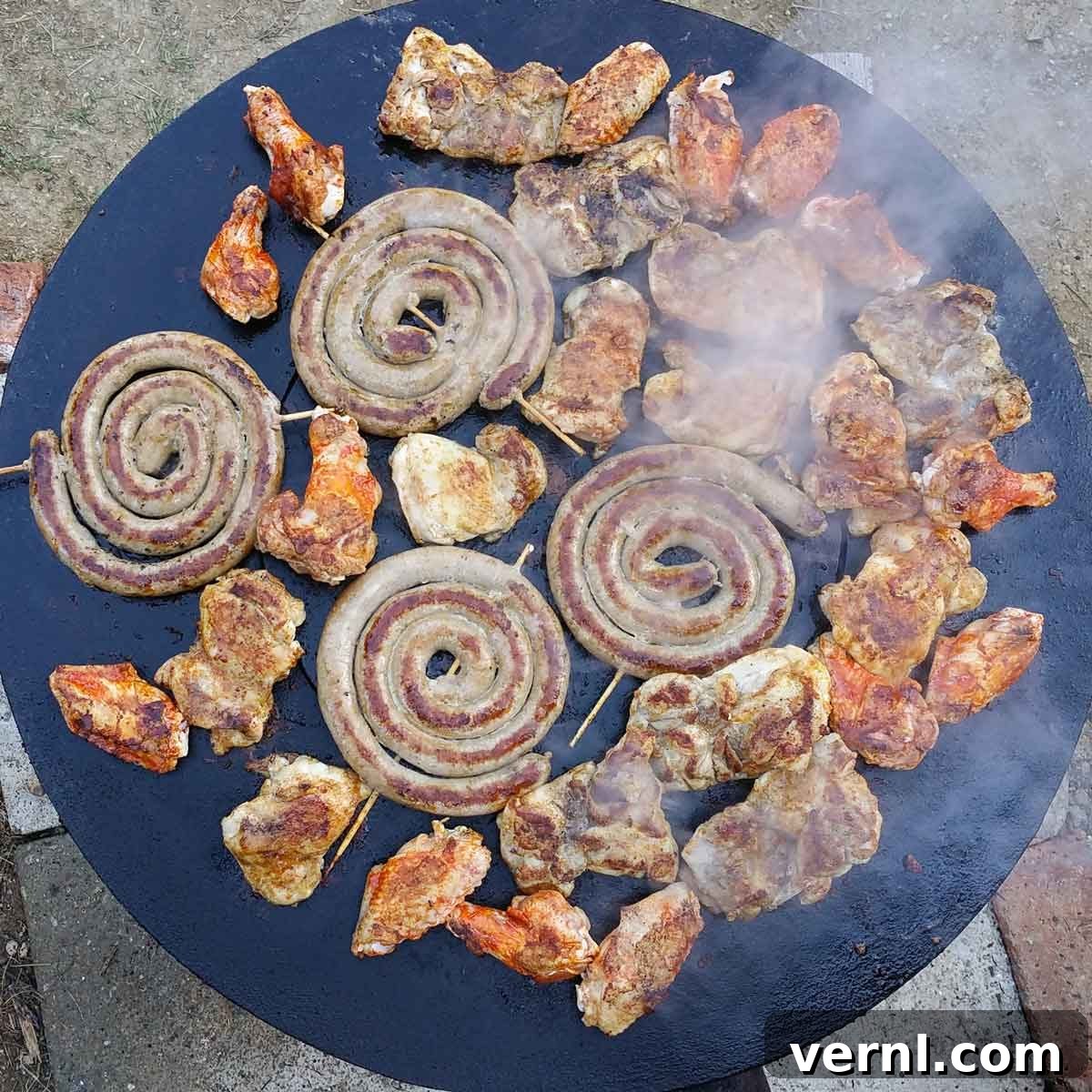
The Ultimate Guide to Discada Cooking: Master the Cowboy Wok
In the vibrant tapestry of outdoor cooking, a unique and increasingly popular trend is sweeping across North America, originating from the rich culinary traditions of Mexico and the Southwestern United States. It’s called discada cooking, a method as rustic and charming as its various monikers suggest: disco, BBQ disk, cowboy wok, plow disk cooker, or simply, disc grill. This distinctive way of preparing meals captivates enthusiasts with its simplicity, versatility, and the unparalleled flavors it imparts.
At its heart, discada cooking is a return to basics, utilizing a farming implement for culinary creativity. “The mystique is that you are cooking on a farming implement. These are disc blades used to turn the soil,” explains Chuck Peyton, the visionary founder of Blue Moon Disk Co. “You’re cooking on raw steel, and not fancy cast iron or Teflon or specialty coated cookware.” This raw, unadorned approach to cooking imbues food with a singular character that modern cookware simply cannot replicate.
Peyton’s journey with discada began after a transformative experience in Chihuahua, Mexico, where he was introduced to its unique appeal. Inspired to share this culinary secret, he meticulously crafted his first discada by welding closed the center hole of a retired plow disc and adding practical horseshoe handles for easy transport. This creation marked the debut product of Blue Moon Disk Co., launched in 2007. Since then, Peyton’s enterprise, based in Arkansas, has shipped these remarkable cooking discs to every corner of the U.S. Sales continue to soar as word of mouth spreads, fueled by engaging group cookouts and the infectious enthusiasm of those who have discovered the magic of discada.
If you’re ready to embrace a cooking style that marries heritage with practicality, here’s everything you need to know about the captivating world of discada.
What Is a Discada? Understanding the Cowboy Wok
A discada is more than just a cooking tool; it’s a testament to ingenuity and tradition, born out of a long and storied agricultural history in the Southwest and Northern Mexico. At its core, a discada is a circular carbon steel plate, repurposed from the plow discs once used to till the soil. For hundreds of years, these sturdy steel plates have been given new life as versatile cooking tools, with styles and adaptations as unique as the creators themselves.
Typically ranging from 20 to 24 inches in diameter, though larger and smaller versions exist, a discada bears a resemblance to a traditional wok due to its concave shape. However, it distinguishes itself with significantly thicker metal construction. This robust build is crucial for its performance, allowing for superior heat retention and distribution across its expansive surface. The thickness of the carbon steel ensures that once heated, the discada maintains a consistent temperature, which is essential for achieving perfectly cooked meals, though it does require careful attention to heat management to leverage its multi-zone cooking capabilities.
While the name “discada” literally refers to the steel plow disc itself, it has become commonly associated with the delicious food cooked within it, much like “barbecue” refers to both the cooking method and the resulting dish. And just like barbecue, the specific dish known as “discada” varies widely by region. In northern Mexico, for instance, a traditional discada is a beloved meat and tomato dish, often featuring a medley of beef, pork, and chorizo, simmered with vegetables and spices. This regional variation highlights the adaptability of the discada as a cooking vessel, capable of preparing everything from savory stews to sizzling stir-fries.
The Evolution of a Culinary Icon: From Field to Flame
The journey of the plow disc from an essential farming implement to a celebrated cooking surface is a fascinating tale of innovation born out of necessity. Farmers in Mexico and the American Southwest, always resourceful, recognized the inherent qualities of these discarded steel discs: their durable material, concave shape, and ability to withstand intense heat. With a few modifications—primarily welding the central axle hole closed and often adding handles—they transformed what was once scrap metal into an indispensable outdoor cooking tool.
This transformation wasn’t merely practical; it was cultural. The discada quickly became a centerpiece for communal gatherings, turning everyday meals into festive occasions. Its large surface area naturally encouraged group cooking, fostering a sense of camaraderie around the fire. This tradition of using a discada for shared meals, especially for carne asada or other celebratory dishes, is deeply ingrained in many communities, particularly in states like Chihuahua, where Chuck Peyton first encountered its magic.
Modern pioneers like Peyton, through companies like Blue Moon Disk Co., have helped bridge the gap between this rustic heritage and contemporary outdoor cooking. By refining the design—adding ergonomic handles and ensuring high-quality craftsmanship—they’ve made discada cooking accessible to a wider audience, spreading its unique charm far beyond its original geographical roots. This blend of tradition and thoughtful modernization has solidified the discada’s place as a cherished cooking method for a new generation of outdoor chefs.
Discada Styles and DIY: Crafting Your Cooking Experience
No matter what endearing name you choose to bestow upon it – whether discada, disco, or cowboy wok – the fundamental design remains consistent: a heavy-gauge steel disc suspended above a heat source, providing an expansive cooking surface and reliable heat. Yet, within this consistency, there’s a remarkable diversity in styles, allowing each discada to reflect the personality and practical needs of its owner or builder. From authentic repurposed farm tools to manufactured versions, there’s a discada for every preference.
Authentic Repurposed Plow Discs
Many discadas, particularly those celebrated for their authenticity, are crafted from genuine retired plow discs. These are the models that truly embody the “farming implement” mystique. Blue Moon Disk Co., for example, specializes in such designs, often featuring their iconic horseshoe handled design. These discs typically retain the rugged character of their agricultural past, offering a rich history alongside their cooking capabilities. They are prized by those who value tradition and the unique patina that develops with use.
Manufactured Steel Plate Discadas
For those seeking a more utilitarian and often less expensive entry into discada cooking, options exist that are constructed from new steel plates, designed to emulate the performance of traditional plow discs. Carolina Cooker’s utilitarian steel plates are a prime example. These discadas are typically heated to high temperatures and stamped into their characteristic concave shape, offering a robust and functional cooking surface without the artisan-level design or the pre-used history of a repurposed plow disc. They perform exceptionally well and serve as an excellent choice for a first-time discada user, offering durability and reliable cooking performance at a more accessible price point.
Modern & Feature-Rich Discadas
Pushing the boundaries of traditional design, some manufacturers offer modernized discada systems that integrate enhanced features for convenience and versatility. The FIREDISC, for instance, provides a contemporary aesthetic coupled with practical innovations. These models often feature higher edges, allowing them to hold a significant volume – up to five gallons of soup, stew, or chili – making them incredibly versatile for large-batch cooking or dishes with a lot of liquid. They often come as all-in-one portable propane cooking systems, catering to users who prioritize convenience and mobility for tailgating, camping, or backyard gatherings.
DIY Discada: Build Your Own Cowboy Wok
For the intrepid DIY enthusiast with welding experience and the necessary tools, crafting your own discada can be a rewarding and relatively straightforward weekend project. It offers the ultimate customization and the satisfaction of building your own culinary tool. Here’s a basic outline of the process:
- Source Your Disc: Begin by acquiring a suitable plow disc. Look for a carbon steel disc of appropriate thickness and diameter. Ensure it’s clean and free from heavy rust or damage.
- Weld the Center Hole: The central hole of the plow disc, originally for the axle, must be securely welded closed. This creates a continuous cooking surface and prevents food from falling through. Use sturdy steel plate for this patch, ensuring a strong, flat, and food-safe seal.
- Add Handles (Optional but Recommended): For ease of transport and manipulation, welding on sturdy handles is highly recommended. Horseshoe halves are a popular and visually appealing choice, but any robust steel handles will work. Ensure they are positioned symmetrically for balanced lifting.
- Assemble Your Setup: Once your disc is ready, you’ll need a heat source. A high-pressure propane burner and stand are ideal for controlled outdoor cooking. Connect this to a reliable propane tank. Ensure all connections are secure and leak-free.
- Season Your Discada: Before its first use, your DIY discada, like any carbon steel or cast iron cookware, must be properly seasoned. This creates a natural non-stick surface and protects against rust. (More on seasoning below).
Always prioritize safety when welding and working with high-pressure gas. Proper ventilation and protective gear are essential for a successful DIY project.
Why Use a Discada? Unlocking Unrivaled Flavor and Versatility
The allure of the discada extends far beyond its rustic charm; it’s a cooking tool that offers tangible benefits, delivering exceptional flavor and unparalleled versatility, especially for outdoor culinary adventures. Once you experience cooking on a discada, it’s easy to understand why its popularity is surging.
The Distinctive Flavor Advantage
“Cooking in a disco, besides being a fun way to cook, adds an extra flavor to the meal,” attests Mely Martinez, a renowned blogger at Mexico In My Kitchen. Martinez, who spent six years immersed in the culinary culture of Monterrey, Mexico, where using a discada to cook carne asada is practically a religion, beautifully articulates this point. “As soon as Friday afternoon arrives you can smell the aromas of wood- or charcoal-burning nearby your home,” she recalls. “Locals are either preparing to cook a meal using the disco or to make grilled meats.” This “extra flavor” comes from several sources: the inherent properties of seasoned carbon steel, which develops a rich, complex patina over time, and the open-air cooking environment that often incorporates the subtle smokiness of wood or charcoal, infusing dishes with a depth unavailable from indoor stovetop cooking.
Unmatched Versatility and Multi-Zone Cooking
One of the discada’s most compelling features is its expansive surface area, which provides ample room to cook large quantities and a diverse mix of foods simultaneously—a feat nearly impossible on a conventional stovetop or standard grill. This is where the concept of multi-temperature cooking truly shines.
Jason Allen of Carolina Cooker, a leading discada retailer based in North Carolina, elaborates on this advantage: “Discada cooks can take advantage of the multi-temperature effect of the large surface.” The center of the discada, directly above the heat source, gets the hottest, ideal for searing meats. As you move outwards, the temperature gradually decreases, creating distinct cooking zones. This allows for a masterfully orchestrated meal, such as:
- Fajitas: Sizzling meat can be seared to perfection in the fiery hot center. Just outside that, a ring of sautéing vegetables (onions, peppers) can soften and caramelize without overcooking. On the cooler, outermost rim, tortillas can be gently warmed, ready to wrap up the delicious fillings. All in one pan, for a perfect, cohesive meal.
- Breakfast Feasts: Imagine cooking crispy bacon in the center, fluffy scrambled eggs in the middle ring, and warming pancakes or tortillas on the outer edge, all at the same time for a hungry crowd.
- Stir-fries and Paellas: The large surface is perfect for tossing ingredients in a stir-fry, allowing vegetables to retain their crispness while proteins cook through. Similarly, a seafood or chicken paella can benefit from the even, radiating heat for a perfect crust.
- One-Pan Camping Meals: For campers and tailgaters, the discada streamlines meal prep, allowing a full meal to be cooked efficiently over a single heat source, minimizing cleanup and maximizing enjoyment.
This ability to manage different ingredients at varying temperatures simultaneously not only speeds up cooking but also ensures each component is cooked to its optimal doneness, making the discada an incredibly efficient and effective outdoor kitchen.
Communal Cooking and Outdoor Experience
Beyond its practical advantages, the discada fosters a unique social experience. Its large, central presence naturally draws people together, encouraging conversation and shared culinary enjoyment. There’s something inherently inviting about gathering around a sizzling discada, watching the ingredients transform and inhaling the tantalizing aromas. It elevates a simple meal into an event, making it perfect for family gatherings, barbecues, camping trips, and any outdoor celebration where good food and good company are paramount.
Getting Started: Seasoning and Heat Management for Your Discada
Embarking on your discada cooking journey requires a couple of crucial first steps: proper seasoning and understanding heat management. These practices are fundamental to maximizing your discada’s performance, ensuring non-stick properties, and protecting your investment for years to come.
The Art of Seasoning Your Discada
Like seasoning a cast iron skillet, seasoning your carbon steel discada is vital. This process creates a polymerized layer of oil on the metal surface, which acts as a natural non-stick coating and provides a protective barrier against rust. A well-seasoned discada will darken over time, developing a beautiful, glossy black patina that only improves with use.
Here’s how to properly season your discada:
- Initial Cleaning: Before the first seasoning, thoroughly wash your new discada with hot, soapy water and a stiff brush or steel wool to remove any manufacturing residues or protective coatings. Rinse completely and dry immediately and thoroughly to prevent rust.
- First Heat Cycle: Place the discada on your burner and heat it over medium-high heat until it begins to smoke slightly and change color, typically to a bluish or brownish hue. This opens the pores of the steel.
- Apply Oil: Using tongs and a paper towel or cotton rag, apply a very thin, even layer of high smoke point oil (like flaxseed oil, grapeseed oil, or vegetable oil) over the entire cooking surface, including the sides. Wipe off any excess oil; you want a microscopic layer, not a greasy one.
- Smoke Cycle: Continue heating the discada until the oil begins to smoke heavily. Maintain this heat until the smoking subsides, indicating the oil has polymerized and bonded to the steel. This process typically takes 10-20 minutes per layer.
- Repeat: Turn off the heat and allow the discada to cool slightly. Repeat the oil application and smoke cycle at least 3-5 times, or more if desired, allowing the discada to cool between layers. Each layer builds upon the last, creating a robust seasoning.
The more you season and cook on your discada, the better its non-stick properties and flavor-enhancing capabilities will become.
Mastering Heat Management
Effective heat management is key to utilizing the discada’s multi-zone cooking potential. Most discadas are used with high-BTU propane burners, which offer excellent control:
- High Heat Center: Position your primary heat source directly beneath the center of the discada. This area will naturally be the hottest, ideal for searing meats, achieving a crust on fried foods, or rapidly boiling liquids.
- Medium Heat Ring: As you move a few inches out from the center, the temperature gradually decreases to a medium heat zone. This is perfect for sautéing vegetables, cooking eggs, or simmering sauces.
- Low Heat/Warming Rim: The outermost edge of the discada will be the coolest, functioning as a warming zone. Use it to keep cooked food warm, toast tortillas, or gently cook delicate items.
Experiment with your burner’s intensity and the placement of food to understand your discada’s specific heat zones. Over time, you’ll instinctively know where to place ingredients for optimal cooking.
How to Clean a Discada: Maintaining Your Prized Cookware
Caring for your discada is remarkably similar to maintaining your favorite cast iron skillet. The goal is to preserve the precious seasoning layer that provides its non-stick properties and unique flavor. Proper cleaning and maintenance will ensure your discada remains a cherished cooking companion for generations.
Cleaning Without Soap
The golden rule for cleaning a discada is: **avoid soap.** Soap, especially harsh detergents, will strip away the hard-earned seasoning, leaving your discada vulnerable to rust and making food stick. Instead, follow these steps:
- While Still Warm (but not hot): It’s easiest to clean a discada while it’s still slightly warm after cooking.
- Hot Water and Scraper: Use hot water, a stiff brush, a metal spatula, or a dedicated discada scraper to remove any stuck-on food particles. For more stubborn bits, a chainmail scrubber (like those used for cast iron) or a steel wool pad can be very effective without damaging the seasoning.
- Avoid Harsh Scrubbing: While you want to remove food residue, avoid scrubbing so aggressively that you scratch off the seasoning layer.
- Rinse Thoroughly: Rinse the discada well with hot water to remove all food debris.
Drying and Oiling for Protection
After cleaning, the next steps are crucial for rust prevention:
- Thorough Drying: Place the cleaned discada back on the heat source (or over a low fire) immediately after rinsing. Heat it until all moisture has evaporated and the discada is completely dry. Any lingering water can lead to rust. You’ll often see wisps of steam as the last of the moisture evaporates.
- Light Oil Coating: Once dry, remove the discada from the heat (or turn off the burner). While it’s still warm, apply a very thin, even layer of cooking oil (such as vegetable, canola, or grapeseed oil) over the entire cooking surface and even the underside if it’s exposed. Use a paper towel or cotton rag to wipe off any excess oil. The goal is a barely visible sheen, not a thick, greasy layer. This light coating acts as a protective barrier against moisture and air, preventing rust.
Proper Storage
Store your discada in a dry place. Many people cover their discada with a lid or a dedicated cover to protect it from dust and moisture when not in use. If storing outdoors, ensure it’s well-protected from rain and humidity.
By following these simple cleaning and maintenance routines, your discada will not only last a lifetime but will also improve with every meal you cook, deepening its seasoning and enhancing its performance.
Embrace the Discada Lifestyle
From its humble origins as a farming tool to its current status as a culinary sensation, the discada offers a unique blend of heritage, versatility, and flavor that few other cooking implements can match. It’s more than just a piece of equipment; it’s an invitation to gather, to share, and to experience the joy of outdoor cooking in a truly authentic way. Whether you choose a classic repurposed plow disc, a convenient manufactured model, or embark on a rewarding DIY project, the discada promises to transform your backyard barbecues, camping trips, and family gatherings into memorable culinary events. Embrace the spirit of the cowboy wok, master its simple care, and unlock a world of incredible flavors that will keep you coming back for more.