Your Ultimate Guide to Preventing Bed Bugs: A Traveler’s Essential Checklist for Hotels and Beyond
The thought of encountering bed bugs is enough to send shivers down any traveler’s spine. Recent reports, particularly the widespread bed bug infestation in Paris, have only amplified these concerns, making travelers more vigilant than ever about the risk of inadvertently bringing these unwelcome hitchhikers home. Bed bugs are not merely an inconvenience; they are resilient pests that can transform a dream vacation into a stressful ordeal and lead to costly infestations at home. Understanding how to identify, avoid, and mitigate their presence is paramount for any seasoned or novice traveler.
Fortunately, with a few proactive measures and a keen eye, you can significantly reduce your risk of a bed bug encounter. This comprehensive guide outlines the essential steps every traveler should follow to safeguard their belongings and their peace of mind. From the moment you step into your hotel room to the instant you return home, these strategies will equip you with the knowledge to conduct a thorough inspection and implement effective prevention techniques, ensuring your travels remain free from these tiny, tenacious pests.
Essential Tips for Checking for Bed Bugs in Your Hotel Room
Before you even think about settling in and relaxing, make a thorough bed bug inspection your top priority. These six critical steps will guide you through properly examining your space, preventing not only immediate bites but also potential future infestations in your own home.
1. Strategically Place Your Luggage Out of Reach
Your first action upon entering any hotel room should be to secure your luggage. Robert Puckett, Ph.D., an associate professor and extension entomologist at Texas A&M, advises that bed bugs struggle to climb smooth, slick surfaces. This inherent weakness is your first line of defense. Instead of placing your suitcase on the floor, bed, or any upholstered furniture, immediately place it on the metal luggage stand provided by the hotel, or, if one isn’t available, in the bathtub or on a tiled bathroom floor. These surfaces are typically too smooth for bed bugs to get a grip and climb onto your bags.
Keep your suitcase elevated and closed while you perform your initial inspection of the room. This simple yet crucial step minimizes the chances of bed bugs easily migrating from an infested room directly into your belongings, buying you valuable time to assess the situation. Remember, the goal is to create a barrier between your personal items and any potential hiding spots for these pests.
2. Conduct a Meticulous Inspection of the Bed
It’s no surprise that bed bugs earned their name for a reason – they absolutely adore beds. These nocturnal pests are drawn to the warmth and carbon dioxide emitted by sleeping humans. A comprehensive inspection of the bed is the most critical part of your prevention strategy. Consumer Reports recommends a systematic approach, often referred to by the acronym S.L.E.E.P. (Survey, Lift, Elevate, Examine, Pull Back):
- Survey: Start by pulling back all the sheets and blankets. Look closely at the top sheet, pillowcases, and duvet for any unusual spots or stains.
- Lift: Carefully lift each corner of the mattress.
- Elevate: Prop up the mattress to get a good look at the underside and the box spring.
- Examine: Systematically check every part of the bed structure:
- Mattress Seams and Tufting: Pay very close attention to the piping, seams, and any tags on the mattress. These are prime hiding spots for bed bugs, their eggs, and nymphs.
- Box Spring: Inspect all sides of the box spring, especially along the edges and any tears in the fabric.
- Headboard: Carefully remove the headboard from the wall if possible, and inspect the back of it, the wall behind it, and any crevices or screw holes. Bed bugs can hide in surprisingly small gaps.
- Pillows: Remove pillowcases and inspect the pillows themselves for any signs.
- Bed Frame: Don’t forget to check the bed frame, particularly around joints and screw points.
- Pull Back: Finally, pull back any dust ruffles or bed skirts to inspect underneath.
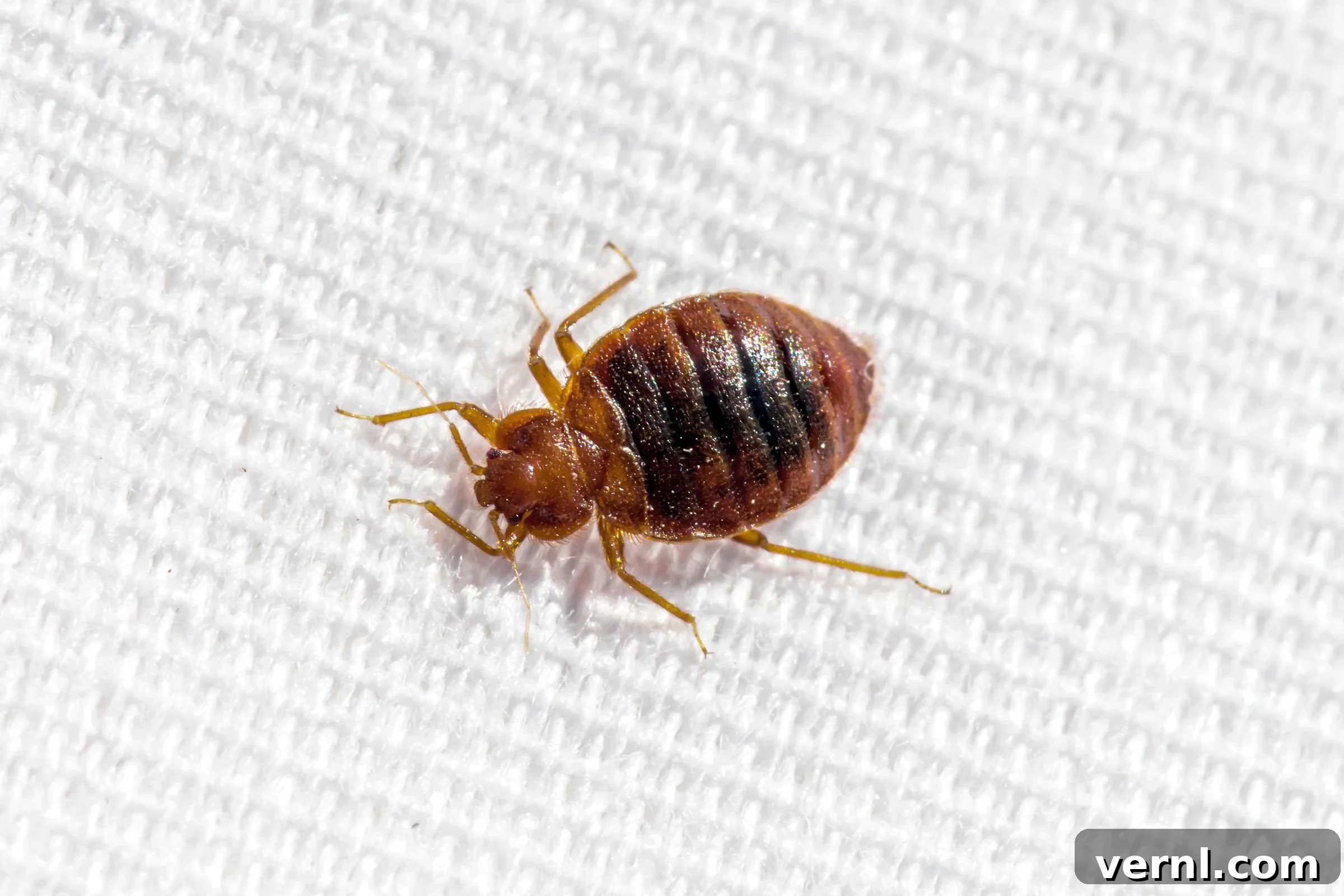
What exactly are you looking for? Scan for live adult bugs (which are typically reddish-brown and apple seed-sized), tiny pearly-white eggs (about 1mm long), translucent nymphs (smaller versions of adults), shed exoskeletons (empty shell-like casings), and perhaps the most tell-tale sign: “dark, rust-colored spots” of fecal matter. These spots often look like dried blood stains and can be found on sheets, mattresses, or walls near the bed. Always use a flashlight – even in a well-lit room – to check under the mattress, box spring, and into any dark crevices. A magnifying glass can also be a useful tool for a more detailed inspection.
3. Thoroughly Inspect All Soft Surfaces and Furniture
Bed bugs are master hiders and are not limited to just the bed. They love to burrow into tight spaces and crevices, making a comprehensive inspection of all soft surfaces crucial. As Michael Potter, Ph.D., a professor of entomology at the University of Kentucky, advised Consumer Reports, inspecting upholstered furniture is a necessary step.
“If I’m traveling, I’ll take a quick look at the couch or recliner, if there is one — at the seams and the head and neck area,” he says. Extend this vigilance to curtains, desk chairs, and any other fabric-covered items in the room. Lift cushions, check along seams, examine pleats in curtains, and inspect the undersides of chairs and sofas. Even items like alarm clocks, nightstands, and picture frames should be briefly examined, as bed bugs can squeeze into tiny cracks and voids. Remember, if it has a crevice or a fabric surface, it’s a potential hiding spot. A quick run of a credit card along seams can sometimes dislodge hidden bugs or eggs, revealing their presence.
4. Report Infestations Immediately and Strategize Your Next Move
If your meticulous inspection reveals any signs of bed bugs – whether it’s a live bug, suspicious stains, or shed skins – do not hesitate. Alert hotel management immediately and provide them with photographic evidence if possible. Document everything: the exact location of the findings, the time, and the names of the staff you speak with. Do not move to another room until you’ve spoken with management, as moving your belongings carelessly could spread the problem.
If you choose to remain at that hotel, Robert Puckett advises requesting a new room that does not share a wall, floor, or ceiling with the infested one. Bed bugs can travel through wall voids and electrical outlets, so an adjacent room is often just as risky. Ideally, you should request a room on a different floor or in a completely separate section of the hotel. If no suitable alternatives are available, or if you feel uncomfortable staying, consider seeking accommodation elsewhere and discussing potential refunds or compensation with the hotel. Prioritize your health and peace of mind above all else.
5. Bag All Your Belongings, Regardless of Findings
Even if your room inspection yields no evidence of bed bugs, Michael Potter wisely suggests taking a precautionary measure: place all your belongings in sealed plastic bags. This includes clothing, shoes, toiletries, and any other items that could potentially harbor a stray pest. Large, clear garbage bags or Ziploc bags are ideal for this purpose. Keep your bagged items consolidated and away from potential hiding spots, rather than spreading them out across the room.
“If there happen to be bugs, they sometimes will get into things,” he told Consumer Reports. “The more stuff you have around, the higher probability of that.” This practice serves as an excellent barrier, preventing any overlooked bed bugs from crawling into your luggage during your stay. It’s a small effort that can provide a huge safeguard against bringing these pests back to your home, where an infestation can be incredibly difficult and expensive to eradicate.
6. Prioritize Laundry and Heat Treatment Upon Return Home
The moment you return home from your trip, your first order of business should be tackling your laundry. This is a critical step in preventing any potential bed bugs from establishing themselves in your home. Garrett Thrasher, vice president of Thrasher Termite & Pest Control in Southern California, recommends leaving your luggage outside your home (e.g., in a garage, on a porch, or in a utility room) and immediately taking all clothing, whether worn or not, directly to the washing machine.
Here’s the crucial part: throw everything into the dryer on high heat. Thrasher emphasizes that water alone does not kill bed bugs. However, 30 minutes of sustained high heat (at least 120°F or 49°C) in a clothes dryer is highly effective at killing all life stages of bed bugs, including eggs. Do not air-dry items that have been exposed to a potentially infested environment. For delicate items that cannot withstand high heat washing or drying, consider professional dry cleaning, or seal them in bags and monitor them for several months.
As for your luggage, do not bring it directly into your bedroom. If possible, vacuum the inside and outside of your suitcase thoroughly, paying close attention to zippers, seams, and pockets. You can also use a portable steamer on the exterior and interior fabric. After cleaning, store your luggage in a garage or sealed in a large plastic bag for several weeks to ensure any stragglers are contained or die off. These rigorous post-trip steps are your best defense against inadvertently introducing bed bugs into your living space, preserving your home as a pest-free sanctuary.
Beyond the Hotel Room: Additional Strategies for Bed Bug Prevention
Preventing bed bugs isn’t just about what you do inside the hotel room; it encompasses your entire travel journey and even your post-trip routine. Here are some extra measures to bolster your defenses:
- Pre-Trip Research: Before booking, check recent online reviews of hotels for any mentions of bed bugs. While not foolproof, multiple reports can be a red flag.
- Travel Accessories: Consider using bed bug-proof luggage liners or packing cubes that can be sealed. This adds another layer of protection for your clothes.
- Public Transportation Vigilance: Bed bugs aren’t exclusive to hotels. They can be found in taxis, buses, trains, and even airplane seats. Briefly inspect your seating area before settling in, especially if you’re traveling on long journeys.
- Non-Washable Items: For items that cannot be laundered or dry cleaned (e.g., books, electronics, shoes), wipe them down thoroughly. You can also seal them in thick plastic bags with a desiccant packet or diatomaceous earth for an extended period (several weeks to months) to ensure any hidden bugs perish.
- Post-Trip Home Inspection: Even after taking precautions, it’s wise to conduct a mini-inspection of your home upon return, focusing on your bedroom. Check your mattress, box spring, and bed frame for any early signs, just in case.
- Bed Bug Mattress Encasements: At home, using bed bug-proof mattress and box spring encasements is an excellent long-term preventative measure. These covers trap any existing bugs inside and prevent new ones from colonizing your mattress.
- Early Detection is Key: If you suspect you’ve brought bed bugs home, the sooner you act, the better. Small infestations are much easier and less expensive to treat than widespread ones. Don’t hesitate to contact a professional pest control service if you find persistent evidence or multiple bugs.
While the thought of bed bugs can be daunting, staying informed and proactive is your best defense. By integrating these practices into your travel routine, you can significantly mitigate the risk of encountering these pests and ensure your journeys remain joyful and worry-free. Safe travels!