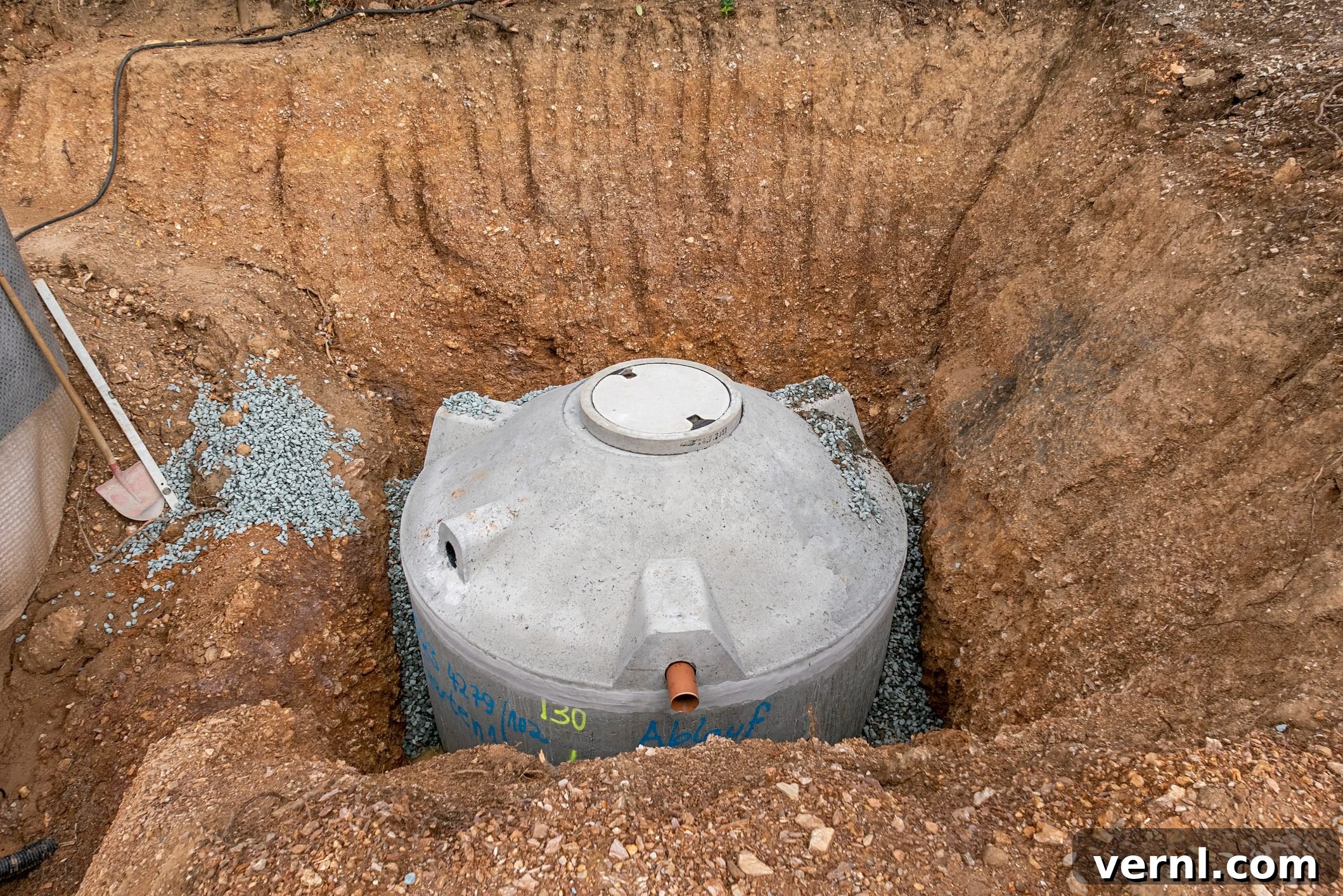
The concept of collecting and storing water in or near a home, using what we now call a cistern water system, boasts a rich history spanning millennia. Archaeological findings in parts of Western Asia reveal lime plaster cisterns embedded in house floors, dating back an astonishing 5,000 years. Similarly, the ingenious ancient Romans harnessed this technology, constructing cisterns beneath their homes to capture, filter, and store invaluable rainwater for various domestic uses. This enduring practice underscores humanity’s long-standing quest for self-sufficient and resilient water solutions.
Fundamentally, a cistern is an enclosed, watertight tank, designed to collect and store water. While it might bear a superficial resemblance to a septic tank in its buried form, their functions diverge significantly. Instead of wastewater, a cistern meticulously gathers rainwater, spring water, or even delivered water for household consumption or irrigation. Unlike a typical well, which draws from groundwater, a cistern serves purely as a storage vessel, its walls specifically engineered to be completely waterproof. Danny Pen, a seasoned plumber, notes that most residential cisterns are installed underground, emphasizing their discreet and protected nature.
In this comprehensive guide, we will delve into the intricacies of a modern cistern water system, exploring its components, operational mechanics, and critically examining both the advantages and disadvantages associated with its implementation. As interest in sustainable living and water independence grows, understanding these systems becomes increasingly vital for homeowners.
What Exactly Is a Cistern?
A cistern, at its core, is a specialized container engineered for the collection and long-term storage of water. These versatile reservoirs come in a wide array of sizes, capacities, and materials, and can be situated either underground or above ground, depending on specific needs and site conditions. Traditionally, cisterns are supplied by natural sources like rainwater (most commonly collected from rooftops), springs, or occasionally by supplementing low-yield wells. They can also be replenished by certified water hauling services in areas without consistent natural supply.
A key distinguishing feature of a cistern, particularly when compared to a well, is its complete impermeability. Its walls are meticulously constructed to be fully waterproof, preventing any leakage of stored water or infiltration of external groundwater, which is not the case with a conventional well that interacts directly with the water table. This watertight design ensures the integrity and quality of the stored water.
While historically and commonly employed for non-potable uses such as agricultural irrigation or flushing toilets, a properly designed and equipped cistern water system can also reliably supply potable (drinking quality) water for an entire household. However, this hinges critically on the purity of the water source and the installation of robust filtration and purification mechanisms. Rainwater, while often collected, typically requires extensive treatment to be deemed potable, whereas water sourced from a well or spring might need less intervention, depending on its initial quality.
Understanding How a Cistern Water System Operates
A modern cistern water system for domestic use functions as an integrated network, efficiently channeling water from an external source to your home’s plumbing. The fundamental process involves collecting water in the cistern, where it is stored, and then subsequently transferring it into the household water supply. While a gravity-fed system is possible if the cistern is positioned at a higher elevation than the home’s main water inlet, this setup is less common for most residential applications. More frequently, a pressure pump and a pressure tank are essential components, working in tandem to pressurize the water and deliver it consistently throughout the home.
Let’s explore the critical components that constitute a typical modern cistern water system:
- Water Source: The origin of your water is paramount. Cisterns can be efficiently fed by several sources. Rainwater harvesting, typically from clean rooftop surfaces, is a popular choice, though it requires specific collection infrastructure. Wells, particularly those with inconsistent yields, can benefit from a cistern buffer. Natural springs offer another pristine source. In situations where natural collection is insufficient, water can be delivered and poured into the cistern by certified water hauling vehicles. The choice of source dictates the type and intensity of pre-filtration and treatment required.
- Fill Port and Pre-Filtration: This is the entry point for fresh water into the cistern. Beyond a simple opening, fill ports are crucial for maintaining water quality. They are often equipped with robust screens, leaf diverters, and sometimes a ‘first flush’ mechanism. A first-flush diverter is particularly valuable for rainwater harvesting, as it shunts away the initial rainfall, which tends to carry the heaviest concentration of dust, leaves, and other debris from the roof, ensuring cleaner water enters the main storage. These initial filtering mechanisms are vital in preventing larger debris and contaminants from entering the storage reservoir.
- Storage Reservoir (The Cistern Itself): This is the core component, a meticulously watertight container that connects the water source to your home’s internal plumbing system. The optimal size and precise location of the cistern are determined by several factors, including the reliability of your water source, local rainfall patterns (for rainwater harvesting), and crucially, your family’s daily water consumption needs. On average, a household of three individuals might utilize approximately 200 gallons of water per day. Experts often recommend sizing your cistern to hold at least several days’ worth of water, providing resilience during dry spells or system issues. PennState Extension suggests a minimum capacity of 5,000 gallons for domestic rainwater cisterns to ensure adequate supply. Materials commonly include concrete, polyethylene, and fiberglass, each offering different durability and cost profiles.
- Reservoir Hatch (Access Point): Every cistern must incorporate a securely lockable access hatch. This hatch serves multiple critical functions: it allows for periodic inspection of water quality, facilitates essential cleaning procedures, and provides access for any necessary repairs or maintenance. Its watertight seal is non-negotiable, acting as a barrier against external contaminants, insects, and unauthorized access, thus safeguarding the purity of the stored water. A tank without this secure, watertight access cannot be considered a true cistern designed for reliable water storage.
- Water Pump: In the vast majority of residential setups, the storage reservoir is positioned at a lower elevation than the main water inlet of the house, rendering gravity alone insufficient for water delivery. This necessitates the installation of a robust water pump. The pump’s role is to draw water from the cistern and pressurize it, propelling it into the household’s intricate network of pipes, ensuring consistent water pressure for all fixtures and appliances. Various types of pumps, such as submersible or jet pumps, are selected based on the cistern’s depth and required flow rate.
- Pressure Tank: Working in conjunction with the water pump, a pressure tank is essential for maintaining a consistent water pressure throughout your home and preventing the pump from cycling on and off excessively. It stores a reserve of pressurized water, allowing the pump to operate less frequently, thus extending its lifespan and conserving energy.
- Withdrawal Pipe: This pipe forms the critical link between your storage reservoir and your home’s internal water system. To prevent the intake of sediment that naturally accumulates at the bottom of the cistern, the withdrawal pipe’s inlet should be strategically positioned several inches above the tank’s floor. This simple yet effective measure helps to maintain water clarity and protects household plumbing and appliances from sediment buildup.
- Post-Storage Filtration and Treatment System: Especially for potable applications, water exiting the cistern almost always passes through a series of filters and treatment stages. This typically includes sediment filters to remove fine particles, carbon filters to eliminate odors, tastes, and chemical contaminants, and often a UV (ultraviolet) purification system to neutralize bacteria, viruses, and other microorganisms, making the water safe for drinking and bathing. Advanced systems may also include reverse osmosis or other specialized treatments depending on the source water quality.
Cistern Water System: Weighing the Pros and Cons
For homeowners contemplating the installation of a cistern water system, a thorough understanding of its primary advantages and disadvantages is crucial for making an informed and confident decision. These systems represent a significant investment and commitment to alternative water sourcing.
Advantages (Pros)
As plumber Danny Pen highlights, “The immediate benefits include water free from chlorine and fluoride, and no more surprise boil notices – a significant advantage for individuals with sensitivities.” He further notes, “Should groundwater levels recede or a well begin to fail, a cistern provides a vital backup, allowing homeowners to seamlessly switch to rainwater collection or trucked-in water without incurring the exorbitant costs of drilling a new well.” Beyond these points, cistern water systems offer a range of compelling benefits:
- Enhanced Water Quality Control: By relying on collected sources like rainwater or carefully managed spring water, homeowners can significantly reduce their exposure to municipal water additives such as chlorine and fluoride, as well as potential groundwater contaminants like nitrates or heavy metals. With proper filtration, the water can be tailored to specific purity standards.
- Efficient Utilization of Underperforming Sources: Cisterns are invaluable for homes with weak, low-yielding wells or springs. Instead of constant pump cycling and potential water shortages, the cistern acts as a buffer, storing water incrementally until a sufficient volume is accumulated for household use, thereby maximizing the output of the existing source.
- Drought Resilience and Water Security: The ability to capture and store rainwater during periods of abundance is a powerful defense against drought. Cisterns provide a tangible form of water independence, ensuring a continuous supply even when municipal restrictions are in place or local aquifers are depleted. This significantly enhances household water security and peace of mind.
- Energy Independence (Gravity-Fed Systems): For cisterns strategically positioned above the home’s water inlet, gravity-fed systems can deliver water without any electrical input. This means a reliable water supply continues uninterrupted during power outages, a critical advantage during emergencies or in off-grid living scenarios.
- Reduced Environmental Impact: Rainwater harvesting directly lessens the strain on local groundwater supplies and municipal water infrastructure. It also mitigates stormwater runoff, which can contribute to erosion and pollute natural waterways. This makes cisterns an environmentally conscious choice, promoting sustainable water management.
- Potential for Reduced Water Bills: Over the long term, once the initial investment is recouped, relying on a cistern for a significant portion of your water needs can lead to substantial savings on monthly municipal water bills, offering a financial return on investment.
- Versatility for Non-Potable Uses: Even if full potable treatment is not desired, cisterns excel at providing water for irrigation, garden use, car washing, and toilet flushing, freeing up treated municipal water for higher-value uses and reducing overall consumption.
Disadvantages (Cons)
While the benefits are considerable, Pen cautions, “Not all cisterns are configured for drinking water; many are solely for irrigation or toilet use. If you intend to use this water for showering, cooking, or potable consumption, you’ll almost certainly need to invest in advanced filters, a UV purification system, or other treatment methods, which can become prohibitively expensive very quickly.” Furthermore, the buried nature of most cisterns makes small leaks or system malfunctions difficult to detect until a more significant failure occurs. He adds, “Mosquito breeding, algae growth, or mildew are preventable, but represent common challenges homeowners face with cistern water systems.” Other drawbacks include:
- High Initial Installation Cost and Complexity: Installing a cistern water system, particularly one large enough for whole-house potable use, is a substantial undertaking. It involves significant excavation (for buried tanks), specialized plumbing, pump and pressure tank integration, and potentially intricate filtration systems. The larger the family and the greater the water demand, the larger the required cistern and, consequently, the higher the overall cost. This is not a project typically suited for an inexperienced DIY enthusiast.
- Intensive Maintenance Requirements: Unlike connecting to a municipal water supply, a cistern system demands proactive and regular maintenance. This includes quarterly water testing for bacteria and contaminants, periodic emptying and cleaning of the tank, disinfection procedures, and diligent inspection and replacement of filters and screens. Neglecting these tasks can compromise water quality and system longevity.
- Increased System Complexity and Potential for Malfunctions: A cistern water system is inherently more complex than simply relying on city water or a basic well system. With more components—pumps, filters, UV purifiers, pressure tanks—there are simply more opportunities for things to go wrong. Troubleshooting and repairs often require specialized knowledge and can be costly and disruptive.
- Regulatory and Permitting Hurdles: Depending on your location, there may be specific local, county, or state regulations governing rainwater harvesting and the use of cistern water, especially for potable applications. Obtaining necessary permits can add to the cost and timeline of installation.
- Risk of Contamination: While preventable, cisterns can be susceptible to contamination from various sources, including animal droppings on rooftops, airborne pollutants, improper sealing, or insufficient filtration. This necessitates rigorous monitoring and maintenance protocols to ensure water safety.
- Space Requirements: Even buried cisterns require significant space for excavation and installation, and above-ground tanks can be large and aesthetically impactful, which might be a concern for some homeowners with limited property.
Cistern Water System vs. a Well: A Clear Distinction
The fundamental difference between a cistern water system and a traditional well lies in their respective roles regarding water acquisition. A cistern functions solely as a storage container for water sourced externally, whether that be rainwater, spring water, or delivered water. Conversely, a well itself is the direct source of water, drawing groundwater from beneath the earth’s surface.
While a cistern cannot replace a well as a primary water source, it can significantly enhance the utility of a low-yielding well. By acting as a buffer, a cistern allows a weak well to pump intermittently over time, gradually filling the storage tank, rather than being overstressed by continuous demand. However, it’s generally acknowledged that cistern water systems are typically more complex to set up and maintain, and often prove more expensive in both the short-term installation and long-term operational costs compared to a standard well system, particularly when aiming for potable water quality.
Cistern Water System Cost and Installation Considerations
The investment required for a cistern water system is highly variable, influenced primarily by the desired capacity of the storage reservoir and the overall complexity of the system. Several factors contribute to the total expenditure, including tank materials, installation labor, necessary pump and piping infrastructure, and the sophistication of the filtration and treatment systems.
For cistern tanks designed with sufficient capacity to supply an entire residential household, homeowners can anticipate paying anywhere from $3,000 to $10,000 for the tank alone. This figure does not typically include the substantial installation fees, which vary greatly. Smaller cisterns, intended solely for irrigation or non-potable uses, are considerably less expensive; a 200-gallon model, for instance, might cost a modest $150 to $300.
Beyond the tank, essential components such as pipes, fittings, a quality water pump, a pressure tank, and initial filtration systems will likely add approximately $1,000 to the total cost for a system adequate for an average family’s household water needs. The installation labor itself can easily incur another $1,000 or more. This cost is heavily influenced by factors such as the cistern’s location (above-ground installations are generally less labor-intensive than buried systems requiring extensive excavation), the length and type of piping to be laid, the complexity of connecting to existing plumbing, and any necessary electrical work for the pump.
Considering the magnitude and complexity of the task, attempting to DIY a complete cistern water system installation is generally not recommended for most homeowners. It’s a large-scale project demanding considerable specialized knowledge in plumbing, excavation, electrical work, and water quality management, along with access to specific heavy equipment. Engaging certified professionals ensures the system is installed correctly, safely, and in compliance with local regulations, safeguarding your investment and your family’s water supply.
Essential Cistern Water System Maintenance
“With buried cisterns,” Danny Pen emphasizes, “problems such as subtle leaks, insidious contamination, or a malfunctioning component can go entirely undetected until the system experiences a catastrophic failure. By that point, repairs often necessitate extensive excavation of the entire setup.” He strongly advises, “When your entire home’s water supply hinges on that single system, consistent and diligent regular maintenance is not merely recommended, it is your most effective defense against costly, disruptive repairs, and, most importantly, the key to preserving the safety and potability of your water.”
To ensure your cistern water system operates efficiently, reliably, and safely, adhere to the following crucial maintenance procedures:
- Regular Water Testing: It is imperative to test your cistern water for bacteria (such as E. coli and coliforms) and other potential contaminants, including heavy metals, turbidity, and pH levels, at least four times a year, or quarterly. Local health departments or accredited private laboratories can provide testing kits and analysis services. Regular testing is the only way to confirm the effectiveness of your filtration system and the safety of your water.
- Periodic Cistern Cleaning: Experts recommend emptying and thoroughly cleaning your cistern every one to two years. This process involves draining the tank, removing accumulated sediment, and scrubbing the interior surfaces to prevent algae and biofilm buildup. Given the confined space and potential for hazardous conditions, it is highly advisable to engage a professional cistern cleaning service, especially if the cleaning requires a person to physically enter the tank. They possess the necessary safety equipment and expertise.
- System Disinfection: After each thorough cleaning, and potentially after any repair or breach, your cistern must be disinfected. A common method involves using a solution of unscented 5.25 percent household bleach. The typical ratio is approximately 3-4 fluid ounces of bleach for every 1,000 gallons of water capacity. Once the bleach solution is introduced, run all water lines throughout your home until you detect the distinctive smell of bleach at every faucet. Allow the solution to sit within the pipes and tank for a minimum of 12 hours (or as directed by local guidelines). Following this, completely flush out the entire system by running water until no bleach odor remains, then refill the cistern with fresh water. During the 12-hour disinfection period, ensure you have an ample supply of bottled water for drinking, cooking, and personal hygiene.
- Filter and Screen Inspection & Replacement: Regularly inspect all pre-filters, screens, and cartridges at the water inlets, outlets, and within the treatment system. This includes roof washers, leaf screens, sediment filters, carbon filters, and UV lamp sleeves. Clean any debris from screens and replace filter cartridges according to the manufacturer’s recommendations (typically every 3-6 months, depending on water quality and usage). UV lamps also require annual replacement, even if they appear to be functioning, as their germicidal effectiveness diminishes over time.
- Pump and Pressure Tank Check: Periodically inspect the water pump for any signs of wear, leaks, or unusual noise. Verify that the pressure tank is maintaining correct air pressure, which ensures efficient pump operation and consistent water delivery.
- System Winterization (in cold climates): In regions prone to freezing temperatures, proper winterization of exposed pipes and components is crucial to prevent damage. This might involve insulating pipes, draining outdoor lines, or ensuring heating elements are functional for buried systems.
Frequently Asked Questions About Cistern Water Systems
Is cistern water safe to drink?
According to plumbing expert Danny Pen, to render cistern water truly safe for drinking, a comprehensive system is absolutely essential. This typically includes:
- A food-grade tank, constructed from materials that will not leach harmful chemicals into the water.
- Screened inlets and vents, meticulously fine-meshed to prevent the entry of insects, leaves, and other debris.
- A robust pre-filter for larger debris, often a ‘first flush’ diverter for rainwater systems.
- A highly effective sediment or carbon filter, or a combination of both, to remove particulate matter, odors, and chemical contaminants.
- A critical disinfection step, ideally a UV purifier, which effectively neutralizes bacteria, viruses, and other microorganisms.
Even with the most advanced setup, Pen stresses, “the water should undergo testing for bacteria and other potential contaminants at least quarterly by a certified laboratory.” He adds a vital caveat: “If a system was originally purposed for irrigation or toilet water, it almost certainly lacks the necessary safe materials and comprehensive filtration for potable use. Converting such a system would require significant upgrades, including proper filters, UV treatment, and potentially entirely new pipes or tank lining to ensure drinkability.”
How do I prevent mosquito breeding in a cistern?
Cisterns contain standing water, an ideal breeding ground for mosquitoes. The most critical measure is ensuring the cistern lid remains tightly sealed at all times, preventing adult mosquitoes from entering to lay eggs. However, even well-sealed lids can have tiny gaps, or mosquitoes might access through overflow pipes or vents. To effectively prevent breeding, Pen strongly recommends installing fine mesh screens (at least 1/16-inch or finer) on every opening, paying particular attention to the overflow pipe and any vent openings. These screens act as physical barriers.
Should you discover mosquito larvae already present in your cistern, Pen advises using a treatment specifically labeled safe for drinking water, such as a BTI-based mosquito larvicide. Bacillus thuringiensis israelensis (BTI) is a naturally occurring bacterium that targets mosquito larvae without harming humans, pets, or other wildlife.
How long does water typically last in a cistern?
Water can be stored in a properly maintained and sealed cistern for extended periods, often indefinitely, as long as it remains free from contamination and light exposure (which can promote algae growth). Regular maintenance, including cleaning, disinfection, and proper filtration, is key to maintaining water quality over time. Stored water is best consumed or replenished within 6-12 months for optimal freshness, especially if it’s for potable use.
Are there legal restrictions on rainwater harvesting?
The legality of rainwater harvesting varies significantly by location. While many regions encourage it for water conservation, some areas have specific regulations or even restrictions, often related to water rights or building codes. It is crucial to research and understand your local, county, and state laws regarding rainwater collection and storage before installing a cistern system, especially if you plan to use the water for drinking. Permits may also be required.
About the Expert
- Danny Pen brings over 12 years of comprehensive experience in plumbing, heating, and cooling systems. He currently leads New Era Plumbing & HVAC, a distinguished Massachusetts-based company specializing in expert inspection, repair, and replacement services across these critical home systems.
Source
- PennState Extension: Rainwater Cisterns: Design, Construction, and Treatment; (2022)