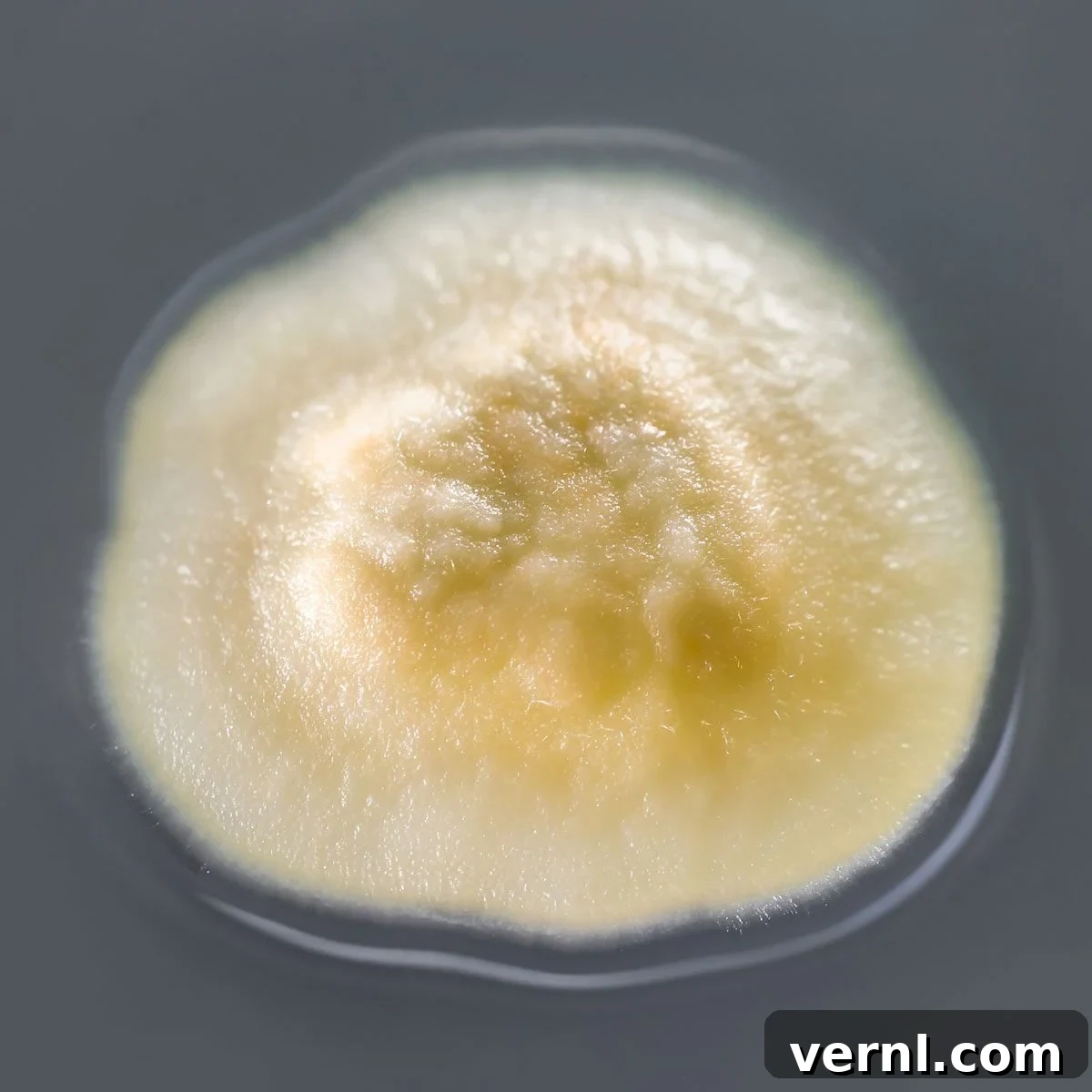
The presence of household mold is a serious concern that demands immediate attention. When confronted with mold, the initial steps involve identifying the specific type of mold you’re dealing with, understanding the underlying conditions that fostered its growth, and exploring effective strategies for its elimination. Among the many varieties of mold that can infiltrate homes, Acremonium mold is particularly common and has the potential to pose significant health risks. This comprehensive guide will equip you with the knowledge to recognize Acremonium mold and implement appropriate measures to address it, safeguarding your home and your family’s well-being.
What Is Acremonium Mold?
Acremonium mold derives its distinctive name from the same linguistic root as the English word “acrimonious,” which evokes a sense of bitterness or sharpness. This naming convention subtly hints at the potentially irritating and problematic nature of this fungus when it invades human environments. There are approximately 150 known species within the Acremonium genus, showcasing a remarkable diversity within this group of fungi. In their natural habitat, Acremonium species play a crucial and beneficial role within ecosystems. They are primarily saprophytic, meaning they thrive by breaking down organic matter, such as decaying plants, wood, and other biological debris. This decomposition process is vital for recycling nutrients back into the soil, contributing significantly to the health and sustainability of natural environments.
However, the dynamic shifts dramatically when Acremonium mold finds its way indoors. While essential for nature’s balance, these molds become undesirable and potentially hazardous inhabitants of homes, commercial buildings, and even human or animal bodies. Indoors, Acremonium often presents as a powdery, moist, or cotton-like growth. Its color can vary widely, appearing white, grey, pink, orange, or even purple, depending on the specific species, the substrate it’s growing on, and environmental conditions. It is typically slow-growing and can initially appear as small, isolated spots before spreading. Recognizing these visual cues is a critical first step in addressing a potential Acremonium infestation, highlighting the importance of understanding this particular type of fungal intruder.
Where Is It Commonly Found?
Acremonium mold has an absolute requirement for high levels of moisture to germinate, grow, and spread. This fundamental need explains why water-damaged buildings represent one of the most prevalent indoor environments for an Acremonium outbreak. Any structure that has experienced leaks, floods, or persistent condensation provides an ideal breeding ground for this type of mold. Therefore, regular and meticulous inspection of areas prone to moisture accumulation is paramount in preventing its establishment.
Several key areas within a household are particularly susceptible to mold-promoting leaks and high humidity, making them prime locations for Acremonium growth:
- Bathrooms: Showers, bathtubs, sinks, toilets, and their associated plumbing are constant sources of moisture. Leaky pipes behind walls, inadequate ventilation leading to chronic humidity, and grout or caulk deterioration can all create conditions ripe for Acremonium.
- Laundry Rooms: Washing machines and dryers are frequently used with water. Leaks from hoses, overflowing tubs, clogged dryer vents that trap moisture, and general humidity can foster mold growth on walls, floors, and even inside appliances.
- Basements: These subterranean spaces are inherently vulnerable to moisture issues. Flooding, high ambient humidity, foundation cracks that allow water intrusion, and sump pump failures can quickly transform a basement into a perfect environment for Acremonium to flourish on concrete, wood, and stored items.
- Kitchens: Areas under sinks, behind dishwashers, and around refrigerators are susceptible to leaks and spills that can go unnoticed, providing hidden pockets of moisture for mold to develop.
- HVAC Systems: Air conditioning systems generate condensation as a normal part of their operation. If condensation pans are not properly drained, or if ductwork is leaky or improperly insulated, standing water or high humidity within the system can become a fertile ground for Acremonium mold. This can then circulate mold spores throughout the entire building.
- Attics and Crawl Spaces: Poor ventilation, roof leaks, and insufficient insulation can lead to condensation and moisture buildup in these often-overlooked areas, creating hidden mold reservoirs.
Beyond these common spots, Acremonium can also colonize various porous building materials, including drywall, insulation, wood, and fabrics, making it essential to address any moisture intrusion promptly and thoroughly to prevent widespread contamination.
What Are the Health Effects?
Exposure to Acremonium mold, like many other types of indoor mold, can trigger a range of health issues, with the severity often depending on the individual’s sensitivity, the extent of exposure, and their overall health status. The health effects can be broadly categorized into allergic reactions, superficial infections, and more serious deep-seated or systemic infections, especially in vulnerable populations.
For many individuals, the initial response to mold exposure is an **allergic reaction**. Common symptoms include sneezing, coughing, a runny or stuffy nose, itchy eyes, skin rashes or hives, and throat irritation. People with pre-existing respiratory conditions like asthma may experience an exacerbation of their symptoms, including wheezing, shortness of breath, and chest tightness. These reactions are typically a response to mold spores, fragments, or mycotoxins irritating the respiratory system or skin.
Acremonium mold is also known to cause **superficial infections**, particularly on the skin and nails. It can infect the skin, leading to conditions like dermatomycosis (fungal skin infection) or onychomycosis (nail infection), which can manifest as discoloration, thickening, and brittleness of the nails. Entry points for these infections often include cuts, scrapes, or other breaks in the skin barrier, allowing the mold to penetrate and colonize the tissue.
More concerning are the potential for **deep-seated or systemic infections**, especially in individuals with compromised immune systems. Acremonium species are considered opportunistic pathogens, meaning they primarily cause disease in those whose immune defenses are weakened. These infections can occur when the mold enters the body through various routes, including surgical wounds, severe cuts, or inhalation of spores that then colonize internal organs. Once inside, Acremonium can grow within the whole body, leading to a variety of serious conditions:
- Respiratory Tract Infections: Inhalation of spores can lead to pneumonia-like symptoms, particularly in the lungs and sinuses.
- Central Nervous System Infections: In severe cases, Acremonium can cause meningitis or encephalitis, infections of the brain and spinal cord.
- Endocarditis: Inflammation of the inner lining of the heart chambers and valves.
- Osteomyelitis: Infection of the bone or bone marrow.
- Keratitis: Eye infections that can lead to vision impairment if not treated promptly.
A notable example of its pathogenic potential is *Acremonium kiliense*, which has been implicated in outbreaks of post-surgical infections in hospitals. In such instances, the HVAC (heating, ventilation, and air conditioning) system was often identified as the source of the microbial contamination, highlighting how airborne spores from contaminated environments can pose a direct threat to patient health. Individuals who are immunocompromised—including the elderly, very young children, those undergoing chemotherapy, organ transplant recipients, or people with chronic diseases like diabetes or HIV/AIDS—are at a significantly higher risk for these severe, invasive infections. Therefore, any suspected mold exposure accompanied by health symptoms, particularly in vulnerable individuals, warrants immediate professional medical consultation.
How to Remove and Prevent Acremonium Mold
Effectively removing and preventing Acremonium mold, much like dealing with most other mold types, hinges on a fundamental principle: eliminating the source of unwanted moisture. Addressing the moisture problem is not just a first step; it is the most critical factor in achieving long-term mold eradication. Acremonium cannot thrive without a consistent water source, so cutting off its lifeline is paramount.
Comprehensive Prevention Strategies:
- Control Moisture Levels: Regularly inspect your home for leaks from pipes, roofs, and appliances. Fix any identified leaks immediately, no matter how minor.
- Improve Ventilation: Ensure adequate ventilation in high-moisture areas like bathrooms and laundry rooms. Use exhaust fans during and after showers and while cooking. Open windows when possible to allow air circulation.
- Maintain Indoor Humidity: Keep indoor humidity levels below 60%, ideally between 30% and 50%. Use dehumidifiers in basements, crawl spaces, and other damp areas.
- Proper Drainage: Ensure that gutters and downspouts are clean and direct water away from your home’s foundation. Grade the ground around your house so that it slopes away from the foundation.
- Insulate Pipes: Insulate cold pipes to prevent condensation buildup, especially in humid environments.
- Clean and Maintain HVAC Systems: Regularly change air filters, have your HVAC system inspected and cleaned by professionals annually, and ensure condensation pans are draining correctly.
Step-by-Step Acremonium Mold Removal:
- Identify and Fix the Moisture Source: Before any mold removal begins, you must locate and repair the issue causing the moisture. Without this crucial step, any cleaning effort will only be a temporary fix, and the Acremonium will inevitably return.
- Contain the Area: To prevent the spread of mold spores to uncontaminated areas, seal off the affected space. Use plastic sheeting and duct tape to cover doorways and vents. Turn off HVAC systems to prevent spore circulation.
- Wear Personal Protective Equipment (PPE): Always protect yourself. Don a N95 or P100 respirator to prevent inhaling spores, wear gloves (disposable nitrile or heavy-duty rubber), and eye protection (goggles). It’s also advisable to wear old clothes or disposable coveralls to avoid tracking spores elsewhere.
- Remove Contaminated Loose Items: All loose, porous items that are heavily infected with Acremonium mold should be removed and discarded. This includes items like carpets, rugs, drapes, upholstery, and some types of furniture. Porous materials are incredibly difficult to clean thoroughly because mold hyphae (root-like structures) can penetrate deep into the material, making superficial cleaning ineffective. Seal these items in heavy-duty plastic bags before removal to prevent spore dispersion.
-
Kill the Acremonium on Structural Areas: For non-porous structural areas (like painted walls, tile, metal) or other materials that cannot be easily removed and thrown away, you need to use an effective mold killer. Wiping the surface to make it look clean is insufficient; Acremonium will reappear within a week or two if its spores and hyphae are not completely eradicated.
Use a non-toxic, registered fungicide specifically designed for mold removal. Ensure the product is EPA-registered, indicating it has been tested and proven effective against fungi. Follow the manufacturer’s instructions meticulously for application, contact time, and ventilation. These fungicides are formulated to penetrate and kill the mold spores and hyphae at their source. For structural areas like drywall or wood that are extensively contaminated, removal and replacement might be the only viable option, even after applying fungicides, as the mold may have compromised the material’s integrity.
- Thorough Drying: After cleaning and treating the area, ensure it is thoroughly dried to prevent re-growth. Use fans, dehumidifiers, or open windows (if outdoor humidity is low) to facilitate drying.
- Professional Remediation: If the mold covers a large area (generally greater than 10 square feet), if you or your family members are experiencing significant health issues related to mold exposure, or if the mold is in your HVAC system, it is highly recommended to consult with a professional mold remediation specialist. Professionals have the expertise, equipment, and safety protocols to handle extensive mold growth safely and effectively, preventing further contamination and ensuring thorough removal.
By adhering to these rigorous prevention and removal guidelines, you can effectively combat Acremonium mold, restoring the health and safety of your home environment.