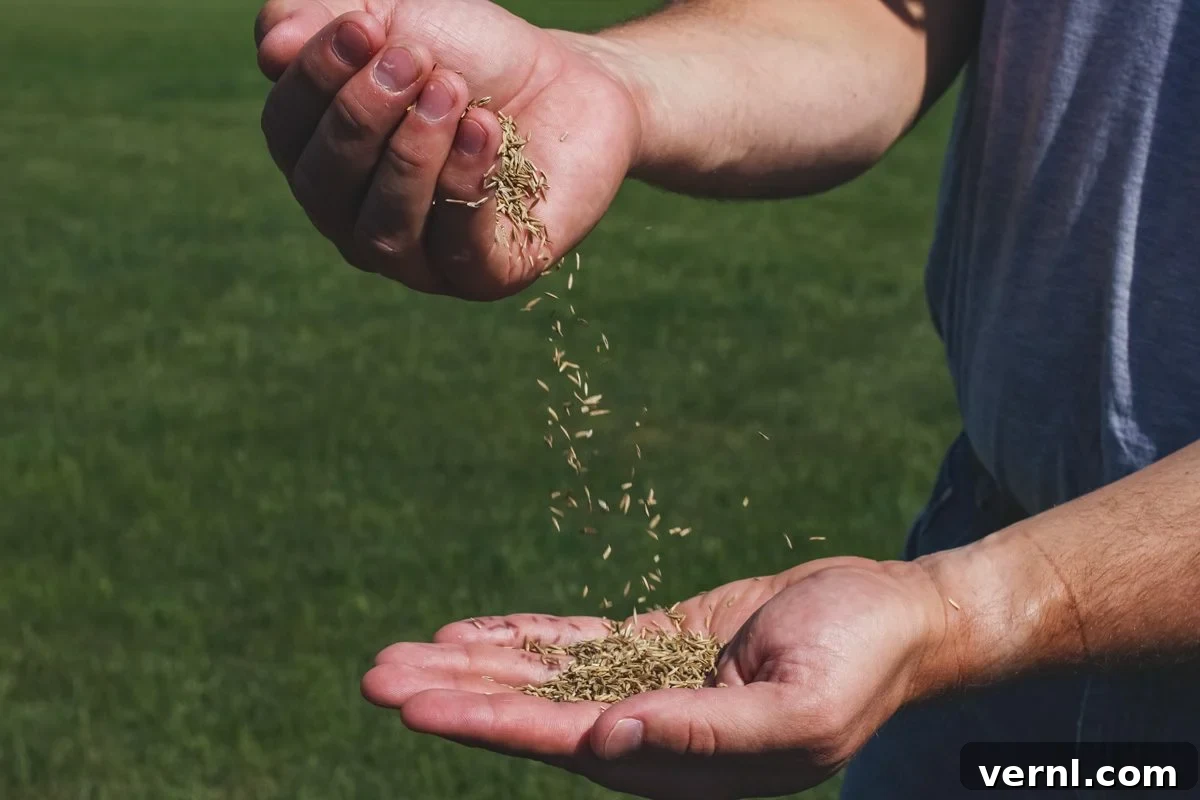
For homeowners, landscapers, and turf managers alike, cultivating a lush, vibrant lawn or athletic field is a source of pride and a significant investment of time and resources. From meticulously preparing the soil to carefully manicuring the grass, every step contributes to a successful outcome. However, a common and crucial question often arises when planning to establish new turf or repair bare patches: “Does grass seed go bad?” The prospect of spending hours sowing seeds only to find a sparse, unsuccessful germination can be incredibly frustrating and costly, requiring further investment to correct. Fortunately, with insights from leading experts in landscape and turfgrass science, you can equip yourself with the knowledge to ensure your grass seed remains in optimal condition, ready to bring your green vision to life.
In this comprehensive guide, we’ll delve into the vital topic of grass seed viability. We’ve consulted with esteemed landscape professionals, turfgrass specialists, and university professors to explore whether grass seed truly expires, how long it can realistically last, the primary factors that contribute to its degradation, the telltale signs of compromised seed, and, most importantly, actionable strategies to preserve your investment and prevent your grass seed from losing its essential ability to grow.
Does Grass Seed Really Go Bad?
The straightforward answer is yes, grass seed does go bad. It’s crucial to understand that a grass seed is not an inert object; it’s a living organism, a miniature plant embryo encased in a protective shell, holding the potential for new growth. As such, like any living entity, it has a finite lifespan and requires proper care to maintain its vitality. When grass seed “goes bad,” it fundamentally means that its internal biological processes have deteriorated to the point where it can no longer germinate and sprout into a healthy seedling. Michael Fidanza, a professor of plant and soil science at Pennsylvania State University, emphasizes this biological reality, explaining that once a seed loses its viability, its purpose as a reproductive unit is lost.
This decline in viability isn’t always an abrupt event; it’s often a gradual process. Over time, even under relatively good conditions, the embryo’s energy reserves deplete, and its cellular structures can weaken. The goal of proper storage and handling is to slow down this natural aging process, extending the period during which the seed can successfully germinate and establish new turf.
Why Does Grass Seed Lose Its Viability?
Beyond the natural physiological aging process inherent to all living seeds, several environmental and biological factors can significantly expedite the deterioration of grass seed. Understanding these culprits is key to effective prevention. “Temperature, moisture and humidity, and bacterial and fungal pathogens all can affect seed function and growth,” explains Fidanza, highlighting the critical interplay of external conditions.
Environmental Factors: The Silent Threats
- Temperature Extremes: Heat is arguably the most detrimental environmental factor for stored grass seed. High temperatures accelerate the seed’s metabolic rate, causing it to consume its precious internal energy reserves much faster than it would in cooler conditions. Prolonged exposure to warmth, especially above 75°F, can lead to overheating, denature vital enzymes within the embryo, and ultimately kill the seed, preventing germination entirely. Direct sunlight, as Fidanza notes, exacerbates this problem by rapidly increasing seed temperature.
- Excess Moisture and Humidity: While moisture is essential for germination, premature exposure to it during storage is catastrophic. A humid environment or direct contact with moisture can trigger the seed to begin the germination process prematurely. If these conditions aren’t sustained (i.e., the seed then dries out or is not planted), the seedling will die, rendering the seed unviable. Moreover, damp conditions are ideal breeding grounds for mold and fungal growth. Jon Trappe, a turfgrass extension educator at the University of Minnesota, specifically points out that grass seed not stored in a cool and dry environment is highly susceptible to mold, which consumes the seed’s nutrients and releases toxins, effectively destroying its ability to sprout.
- Light Exposure: While less critical than temperature or moisture for viability, continuous exposure to light, especially direct sunlight, can contribute to heat buildup and potentially trigger photo-degradation of the seed’s protective outer layers and internal components over very long periods. A dark storage environment is generally preferable.
Biological Factors: Pests and Pathogens
- Fungal and Bacterial Pathogens: These microscopic organisms thrive in warm, humid conditions and can quickly colonize grass seed. They feed on the stored nutrients within the seed, weakening or killing the embryo, and can spread rapidly through a bag of seed. Signs of fungal growth are a clear indication that the seed’s viability is severely compromised.
- Pests: Rodents (mice, rats) and various insects (weevils, beetles) view grass seed as a food source. They can chew through bags, contaminate the seed with droppings, and directly consume the valuable seed embryos, significantly reducing the usable quantity and overall viability. Evidence of pest activity, such as holes in packaging or droppings, is a red flag.
How Long Does Grass Seed Last? Understanding Its Lifespan
Unlike many food products, grass seed doesn’t come with a strict “best by” or expiration date. Its longevity is highly variable, ranging from a few weeks to several decades, depending predominantly on storage conditions and, to a lesser extent, the seed’s inherent characteristics. Grady Miller, an ENVU-distinguished professor of sustainability and extension specialist at North Carolina State University, notes this wide range, underscoring the critical role of careful storage.
It’s important to differentiate between a seed remaining “viable” and maintaining a high “germination rate.” A seed might technically still be viable after several years, meaning a small percentage could sprout. However, as Trappe highlights, the “germination rate will gradually go down over time.” This means that while some seeds might still sprout, a much larger quantity will be required to achieve the desired density of turf, making older seed less cost-effective and reliable.
Factors Influencing Longevity:
- Storage Conditions: This is, without a doubt, the single most critical factor. Ideal conditions—cool, dry, dark, and airtight—can significantly extend seed viability. Seeds stored poorly in hot, humid garages or sheds will degrade much faster than those kept in a climate-controlled environment.
- Grass Species and Type: Different grass species can exhibit varying natural longevities. For example, some fescues and ryegrasses might naturally have a slightly shorter storage life compared to certain bluegrass varieties, though proper storage can mitigate these differences. Amanda Folck, an assistant extension educator of turfgrass management at the University of Nebraska-Lincoln, confirms that the type, quality, and species of grass seed are all impactful factors. Seed coatings, which some manufacturers apply, can also offer a degree of protection, potentially extending viability by shielding against moisture and pathogens.
- Initial Seed Quality: The quality of the seed when it was initially harvested and processed also plays a role. Seeds harvested at their peak, properly dried, and cleaned free of debris and weed seeds will naturally have a better starting point for long-term viability. Always look for high-quality seed from reputable suppliers.
Recognizing the Signs: Has Your Grass Seed Gone Bad?
While the definitive test of viability comes during planting, there are several visual and olfactory cues, along with practical tests, that can give you a strong indication of whether your grass seed has lost its ability to germinate. Paying attention to these signs can save you considerable time, effort, and disappointment.
Key Indicators of Compromised Seed:
- Age and Test Date: The most immediate indicator is the age of the seed. Grass seed bags are legally required to display a “test date,” which indicates when a sample of that batch was tested for germination rates and purity. As Bob Mann, senior director of technical and regulatory affairs of the National Association of Landscape Professionals, notes, the older the seed past its test date, the higher the likelihood that its viability has diminished. While not an expiration date, using seed within one year of its test date offers the best chance for maximum germination.
- Visible Mold or Fungi: This is a clear warning sign. If you open a bag of grass seed and notice fuzzy, discolored patches, typically white, gray, or greenish, it indicates the presence of mold or fungi. These organisms thrive in damp conditions and will have consumed the seed’s nutrients, rendering it incapable of growth.
- Pest Damage: Inspect the seed bag for any holes, tears, or chew marks. Inside, look for small droppings, insect carcasses, or actual live pests. Any evidence of pest infestation means the seed has likely been contaminated or consumed, significantly reducing its quantity and viability.
- Unpleasant Odor: Healthy grass seed typically has a subtle, earthy, or grain-like smell. If your seed emits a strong, musty, moldy, or otherwise unpleasant odor, it’s a strong indication of moisture damage, fungal growth, or decomposition.
- Altered Appearance: Fidanza points out that compromised grass seed can appear brittle, clumpy, or discolored. Healthy seeds should generally be uniform in color and texture. Clumping suggests moisture absorption, while unusual discoloration (darkening, unusual dullness) can indicate degradation. Brittle seeds might suggest they’ve dried out too much after absorbing some moisture, essentially “killing” the embryo.
The Home Germination Test: A Practical Solution
If you’re unsure about your seed’s viability, performing a simple germination test at home is a highly effective way to gauge its potential. This test won’t determine 100% viability, but it will give you a good estimate of your current germination rate:
- Gather Materials: You’ll need about 10-20 grass seeds, two paper towels, a shallow dish or plastic bag, and water.
- Prepare the Seeds: Moisten the paper towels thoroughly, but ensure they are not dripping wet.
- Lay Out Seeds: Evenly spread your 10-20 grass seeds on one half of a moist paper towel. Fold the other half over the seeds.
- Create a Humid Environment: Place the folded paper towel with seeds into a plastic bag or a shallow, covered dish to maintain humidity.
- Provide Warmth: Keep the bag or dish in a warm spot, ideally between 65-75°F (18-24°C), out of direct sunlight.
- Monitor and Moisten: Check the seeds daily. Ensure the paper towel remains moist; mist with water if it starts to dry out.
- Observe Germination: Depending on the grass type, seeds should begin to sprout within 5 to 14 days. Count how many seeds germinate.
- Calculate Rate: Divide the number of germinated seeds by the total number of seeds you tested (e.g., if 8 out of 10 sprouted, you have an 80% germination rate). This percentage will give you a reliable estimate of how much seed you’ll need to apply to achieve your desired lawn density.
How to Prevent Grass Seed From Going Bad: Best Practices for Storage
While the answer to “Does grass seed go bad?” is indeed yes, proactive measures can significantly extend its shelf life and maintain its germination potential. Proper storage is paramount to safeguarding your investment.
Optimal Storage Environment: The Golden Rules
- Maintain Cool and Stable Temperatures: The ideal temperature range for storing grass seed is between 40-75°F (4-24°C). Trappe specifically recommends this range. Crucially, aim for *stable* temperatures, avoiding fluctuations that can stress the seed. A climate-controlled basement, a cool pantry, or even a refrigerator (for smaller quantities) can be suitable locations. Avoid hot attics, garages, or sheds where temperatures can soar in summer and plummet in winter.
- Ensure a Dry Environment: Humidity is the enemy of stored seed. The storage area must be dry to prevent premature germination and fungal growth. If you live in a particularly humid climate, consider placing a desiccant packet (like silica gel) within the storage container, but ensure it doesn’t directly contact the seed.
- Avoid Direct Sunlight: Store seed in a dark location or within opaque containers. Direct sunlight can cause temperature fluctuations and potentially degrade the seed’s quality over time.
- Consider Freezing: For very long-term storage, properly freezing grass seed can be highly effective, but it comes with a caveat. The seed must be completely dry and stored in an airtight, moisture-proof container *before* freezing. If any moisture is present, it will expand and damage the seed embryo, rendering it unviable. Freezing slows down all metabolic processes to a near halt, preserving viability for years or even decades.
Protecting Your Seed from External Threats:
- Airtight Containers are Key: The original bag, if it’s sealable and robust, can be adequate for short-term storage. For longer durations or opened bags, transfer the seed to an airtight container. Heavy-duty plastic buckets with tight-fitting lids, metal tins, or even thick, sealable freezer bags (if freezing) are excellent choices. As Mann suggests, these containers are crucial for creating a barrier against moisture and pests.
- Pest Control: Store seed in locations where it’s inaccessible to rodents and insects. Elevating containers off the floor can deter some pests, and ensuring your storage area is generally clean and pest-free is beneficial.
The Best Prevention: Use It Promptly
Ultimately, one of the most effective strategies to prevent grass seed from going bad is to simply use it. Plan your planting projects carefully and purchase only the amount of seed you anticipate needing. If you do end up with excess, prioritize using it in the next appropriate planting season. Fidanza advises, “Sow the seed within a year (of its test date) to ensure the best chances of maximum germination and growth.” This window maximizes your success rate and ensures you get the most out of your seed.
The Importance of Starting with Quality Seed
While proper storage is critical, the journey to a thriving lawn begins even before the seed is stored. Purchasing high-quality seed from reputable suppliers provides a strong foundation. Quality seed typically has a higher initial germination rate, better purity (fewer weed seeds), and is often more resilient, making it inherently more likely to perform well and tolerate less-than-perfect storage for a short period. Always scrutinize seed labels for information on germination rates, test dates, and the blend of grass species to ensure you’re starting with the best possible product for your specific needs.
Conclusion
Understanding that grass seed is a living entity with a finite lifespan is the first step toward successful lawn care. While it does go bad, the good news is that you have significant control over its longevity. By diligently implementing best practices for storage—focusing on cool, dry, dark, and airtight conditions—and being vigilant for the telltale signs of deterioration, you can protect your investment. Remember, conducting a simple germination test can offer peace of mind, and ultimately, using your grass seed within a year of its test date provides the highest probability of achieving that lush, vibrant lawn you envision. With these expert-backed strategies, you’re well-equipped to ensure your grass seed stays fresh and ready to sprout, paving the way for a beautiful and resilient landscape.
About the Experts
- Bob Mann is the senior director of technical and regulatory affairs of the National Association of Landscape Professionals. He has been an active member of the professional lawn care industry for more than 30 years and previously served as the president of the Massachusetts Association of Lawn Care Professionals.
- Michael Fidanza, Ph.D., has been a professor of plant and soil science at the Pennsylvania State University for the last 25 years. In addition to his role as a professor, he is currently an American Society of Agronomy Fellow and edited the “Achieving Sustainable Turfgrass Management” textbook in 2023.
- Grady Miller, Ph.D., is an ENVU-distinguished professor of sustainability and extension specialist at North Carolina State University. As someone who routinely evaluates turfgrass germplasm, he is knowledgeable about grass seed and has used his expertise to publish more than 750 articles on turfgrass management while serving as an Agronomy Society of America Fellow.
- Amanda Folck is an assistant extension educator of turfgrass management at the University of Nebraska-Lincoln. Since 2023, she has been helping educate students within the Agronomy and Horticulture Department.
- Jon Trappe, Ph.D., is a turfgrass extension educator who has been working with the University of Minnesota since 2023. With more than 20 years of experience in the turfgrass industry, he has been able to develop a wide understanding when it comes to preserving seed viability and the best turfgrass management practices.