
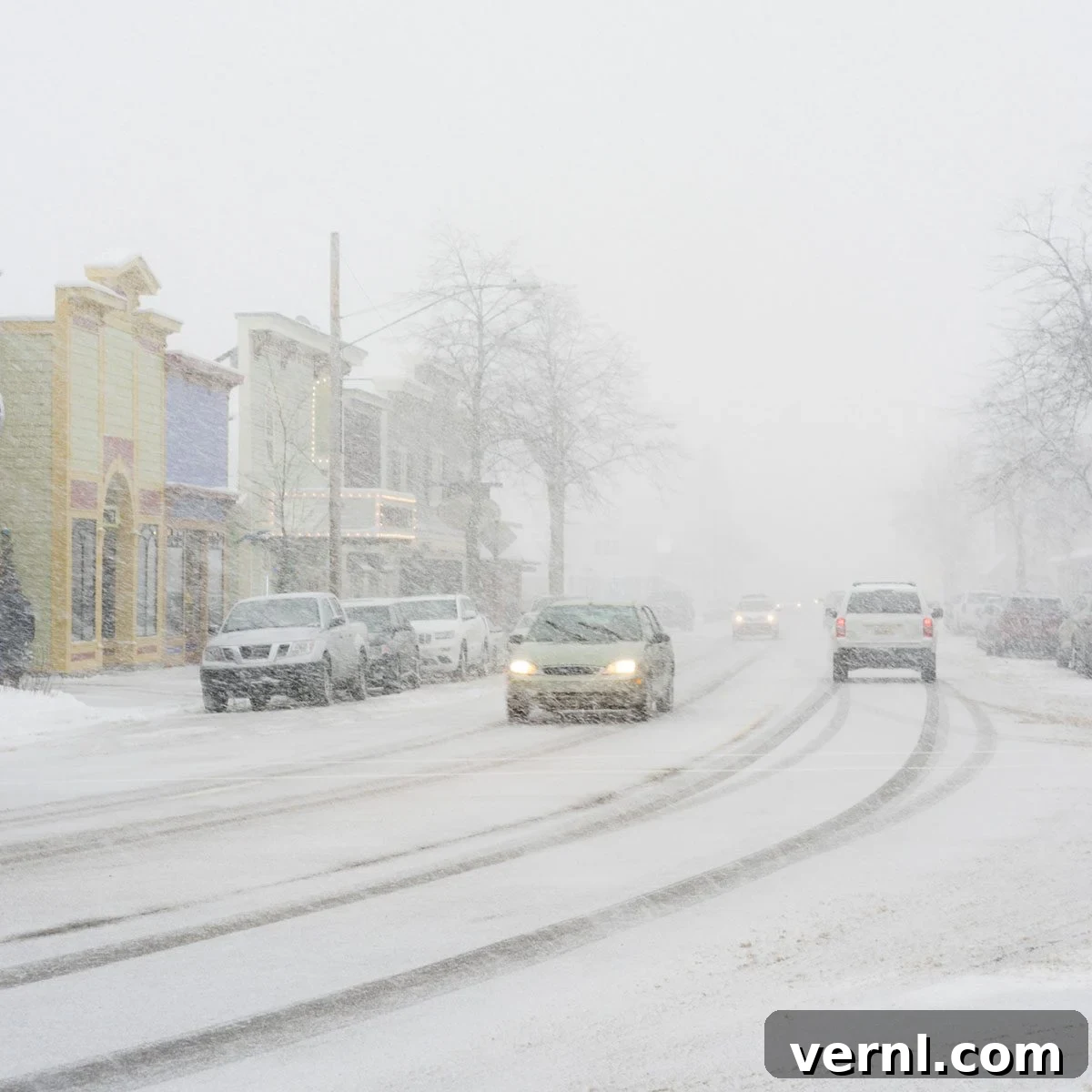
Winter driving presents a unique set of challenges and can be genuinely hazardous, especially in certain regions of the United States. Navigating icy roads, heavy snowfall, and reduced visibility demands heightened awareness and thorough preparation from every driver. A recent comprehensive report from MoneyGeek has shed light on the states where these risks are most pronounced, providing crucial insights for residents and travelers alike. By meticulously analyzing data from the National Highway Traffic Safety Administration’s (NHTSA) Fatality Analysis Reporting System (FARS), MoneyGeek identified the areas where winter driving conditions contribute to the highest rates of accidents and fatalities. This essential information serves as a critical guide for anyone facing the inevitable perils of winter roads. Understanding these high-risk zones and adopting proactive safety measures can significantly reduce the potential for danger, ensuring safer journeys when snow and ice dominate the roadways.
Which States Are the Most Dangerous for Winter Driving
MoneyGeek’s insightful analysis delved deep into various factors to pinpoint the states where winter driving poses the greatest threat. Their methodology considered not only the sheer number of winter-related fatalities but also fatality rates adjusted for exposure, alongside overall driving safety metrics during the colder months. This comprehensive approach ensures that the rankings reflect a true measure of risk, accounting for differences in population density, traffic volume, and the severity of winter weather. Here, we highlight the top five states that emerged from this rigorous evaluation as the riskiest for winter driving, urging drivers in or planning to pass through these areas to exercise extreme caution and prioritize preparedness.
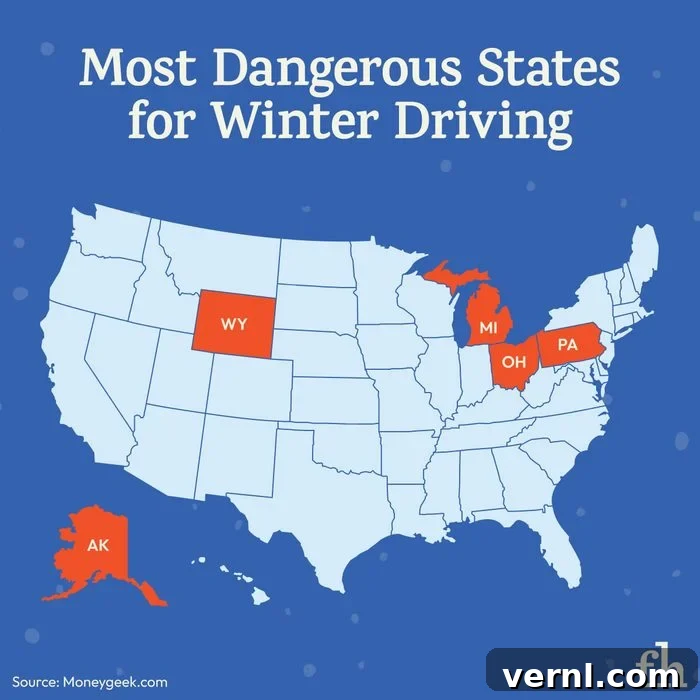
Michigan
Winter Danger Score: 100.0
Winter Driving Fatality Rate: 0.45
Michigan stands out at the top of this hazardous list with a perfect danger score, a stark reflection of its brutal winters. Known for significant lake-effect snowfalls, especially around the Great Lakes, Michigan’s extensive network of highways, combined with frequent heavy snow and icy conditions, creates a perfect storm for accidents. Drivers here must contend with whiteout conditions, sudden black ice appearances, and rapidly deteriorating road surfaces, making vigilance and vehicle preparedness non-negotiable for safe passage.
Alaska
Winter Danger Score: 81.2
Winter Driving Fatality Rate: 1.57
While Alaska’s fatality rate is notably higher, its slightly lower overall danger score compared to Michigan reflects a different set of challenges. The Last Frontier experiences extreme cold temperatures, prolonged periods of darkness, and remote, often unmaintained roads. These factors, combined with vast distances between communities and limited emergency services in many areas, amplify the risks. Driving in Alaska means facing relentless ice, deep snow, and the unique challenges of sub-zero temperatures affecting vehicle performance, demanding an exceptional level of preparedness and self-reliance.
Pennsylvania
Winter Danger Score: 73.4
Winter Driving Fatality Rate: 0.30
Pennsylvania’s position on this list is largely due to its varied topography, which includes mountains, valleys, and densely populated urban corridors. The state experiences a wide range of winter weather phenomena, from heavy snowstorms in the mountains to freezing rain and ice across its busy interstate highways. The combination of significant commuter traffic, diverse geographical challenges, and unpredictable weather patterns, including rapid temperature drops leading to icy conditions, makes winter driving particularly perilous across the Keystone State.
Wyoming
Winter Danger Score: 73.1
Winter Driving Fatality Rate: 0.99
Wyoming, with its vast open spaces and high elevations, is synonymous with harsh winter conditions. Blizzards, high winds, and ground blizzards that cause whiteout conditions are common, especially along critical interstates like I-80. The danger is compounded by long stretches of road with limited services, making vehicle breakdowns in severe weather a life-threatening situation. Drivers in Wyoming frequently encounter slick conditions, deep snow drifts, and reduced visibility, necessitating extreme caution and a robust emergency kit.
Ohio
Winter Danger Score: 72.0
Winter Driving Fatality Rate: 0.27
Similar to Michigan, Ohio’s proximity to the Great Lakes and its dense highway system contribute significantly to its winter driving dangers. The state experiences frequent lake-effect snow, freezing rain, and ice storms that can rapidly transform major roadways into treacherous paths. High traffic volumes, particularly in metropolitan areas, mean that even minor weather events can quickly escalate into major disruptions and accidents. Ohio drivers must be constantly prepared for sudden changes in road conditions and prioritize defensive driving techniques to navigate its challenging winter landscape.
How to Stay Safe While Driving in the Winter
Winter driving doesn’t have to be an intimidating experience if you approach it with the right mindset and preparation. Adopting proactive strategies and honing your driving skills for adverse conditions can make all the difference between a safe journey and a hazardous one. Safety on winter roads begins long before you even turn the key in the ignition.
Prioritize Vehicle Maintenance and Inspection
- Tires are Your Lifeline: Ensure your tires are in excellent condition. Snow tires offer superior traction on ice and snow compared to all-season tires, especially when temperatures consistently drop below 45 degrees Fahrenheit (7 degrees Celsius). Check tire pressure regularly, as cold weather can cause it to drop.
- Battery Health: Cold weather significantly impacts battery performance. Have your battery tested by a professional to ensure it can withstand the chill and provide reliable starting power.
- Fluid Levels: Top off all essential fluids. This includes engine oil, brake fluid, and most importantly, windshield washer fluid formulated for winter, which resists freezing and effectively clears salt and slush.
- Wipers and Defrosters: Ensure your windshield wipers are in good working order and your defroster clears your windows efficiently. Visibility is paramount in winter conditions.
- Lights Check: Verify all exterior lights – headlights (high and low beam), tail lights, brake lights, and turn signals – are clean and fully functional to enhance your visibility to other drivers and help you see the road clearly.
Master Safe Driving Techniques for Winter Conditions
- Gentle Inputs: Ice and snow drastically reduce traction. Accelerate slowly, brake gently, and make turns smoothly. Abrupt movements can easily lead to a skid. Imagine an egg under your foot on the accelerator and brake pedals.
- Increase Following Distance: In normal conditions, a three-second following distance is recommended. In winter, this should be extended to at least eight to ten seconds to give yourself ample time to react and stop safely on slick surfaces.
- Avoid Cruise Control: Never use cruise control on wet, icy, or snowy roads. You need to be in full control of your vehicle’s speed and traction at all times to prevent skidding.
- Know How to Recover from a Skid: If your vehicle begins to skid, remain calm. Steer gently in the direction you want the front of the car to go. Avoid slamming on the brakes, which can worsen the skid.
- Visibility is Key: Keep your windshield, windows, and mirrors clear of snow and ice at all times. Use your low-beam headlights during snowfall and fog, and avoid using high beams as they can reflect off the snow and impair visibility.
Plan Ahead and Stay Informed
- Monitor Weather Reports: Always check local weather reports and road conditions before heading out. If a storm is approaching or conditions are severe, consider postponing your trip.
- Plan Your Route: Stick to major roads if possible, as they are usually prioritized for plowing and salting. Inform someone of your route and estimated arrival time, especially if traveling long distances.
- Clear Your Vehicle Completely: Before driving, thoroughly clear all snow and ice from your entire vehicle – windshield, windows, roof, hood, trunk, and lights. Snow flying off your car can obscure your view and create hazards for other drivers.
- Stay Alert: Be extra vigilant for unexpected hazards like black ice, which is nearly invisible, especially on bridges and overpasses where surfaces freeze faster.
What Should Be in Your Car Safety Kit in Winter
A well-stocked car safety kit can genuinely be a lifesaver, transforming a potentially dangerous roadside emergency into a manageable inconvenience. Getting stranded in winter conditions, whether due to a breakdown or an accident, demands immediate access to essential survival and repair items. Prepare a comprehensive kit and keep it readily accessible in your vehicle throughout the winter months.
Survival and Personal Comfort Essentials
- Warmth: Pack blankets or a sleeping bag, extra hats, gloves, socks, and hand warmers. Layers are crucial for retaining body heat in freezing temperatures.
- Non-Perishable Food and Water: Include energy bars, nuts, dried fruit, or other non-perishable snacks. Keep bottled water, perhaps in an insulated container, to prevent freezing.
- First Aid Kit: A comprehensive kit should include bandages, antiseptic wipes, pain relievers, any personal medications, and a basic first aid guide.
- Lighting and Power: A reliable flashlight with extra batteries is essential for visibility in the dark. A portable phone charger or power bank will ensure your communication devices remain operational.
Vehicle Assistance and Repair Tools
- Jumper Cables: Essential for jump-starting a dead battery, a common issue in cold weather. Ensure you know how to use them safely.
- Tire Chains: If you live in an area prone to heavy snow or plan to drive through mountainous regions, tire chains can provide crucial traction. Understand local regulations regarding their use and practice installing them.
- Ice Scraper and Snow Brush: Non-negotiable for maintaining clear visibility. A small shovel can also be invaluable for digging out tires or clearing snow around your vehicle.
- Traction Aid: A bag of sand, salt, or non-clumping cat litter can provide much-needed traction if your tires are spinning on ice or in deep snow.
- Basic Tool Kit: Include a multi-tool, pliers, a screwdriver, and an adjustable wrench for minor roadside repairs.
- Warning Devices: Road flares, reflective triangles, or LED warning lights can alert other drivers to your presence, especially if you’re stranded on the side of the road in low visibility.
Communication and Navigation Aids
- Physical Maps: While GPS is convenient, a traditional paper map can be a lifesaver if your phone loses signal or battery in remote areas.
- Whistle: A simple whistle can be used to signal for help if you’re stranded and your voice won’t carry.
Understanding Winter Road Hazards
Beyond the fresh powder, winter brings a variety of deceptive road conditions. Black ice, a thin, transparent layer of ice that forms on the road surface, is particularly dangerous because it’s nearly impossible to see. It often forms on bridges, overpasses, and shaded areas that freeze before other parts of the road. Freezing rain creates a slick glaze on everything it touches, including roads and vehicle surfaces, making driving exceptionally treacherous. Slush, a mixture of snow and water, can cause hydroplaning or pull your vehicle in unexpected directions, especially when hitting deep puddles at speed. Packed snow, while offering more traction than ice, can still be very slippery and uneven, affecting steering and braking. Whiteout conditions, caused by heavy snowfall and strong winds, can reduce visibility to almost zero, disorienting drivers and making it impossible to see the road or other vehicles. Understanding these specific hazards is crucial for anticipating dangers and adjusting your driving accordingly.
Vehicle Preparedness: Beyond the Kit
True winter readiness extends beyond packing an emergency kit. It involves ensuring your vehicle itself is optimized for cold weather performance. Regular maintenance checks are vital. Make sure your defroster and heater are fully functional. Your headlights should be properly aimed and clean to maximize visibility during long winter nights. Check your exhaust system for any leaks, as carbon monoxide poisoning can occur if fumes enter the cabin, especially if you’re idling for extended periods while stuck. Consider rustproofing your vehicle, as road salt used for de-icing can accelerate corrosion. Investing in a roadside assistance plan can also provide peace of mind, offering a safety net if your vehicle breaks down in extreme conditions. These proactive measures ensure your vehicle is as resilient as you are to the demands of winter driving.
Driving in winter conditions, particularly in the states identified as most dangerous, demands a rigorous commitment to safety. From meticulous vehicle preparation and understanding specific winter hazards to adopting cautious driving techniques and assembling a comprehensive emergency kit, every step you take to prepare is an investment in your safety and the safety of those around you. Stay informed about weather and road conditions, plan your journeys wisely, and never underestimate the unpredictable nature of winter. By embracing these practices, you can navigate the challenges of winter driving with greater confidence and significantly reduce the risks, ensuring your travels are as safe as possible, regardless of how harsh the weather becomes. Buckle up, be prepared, and drive safely this winter.