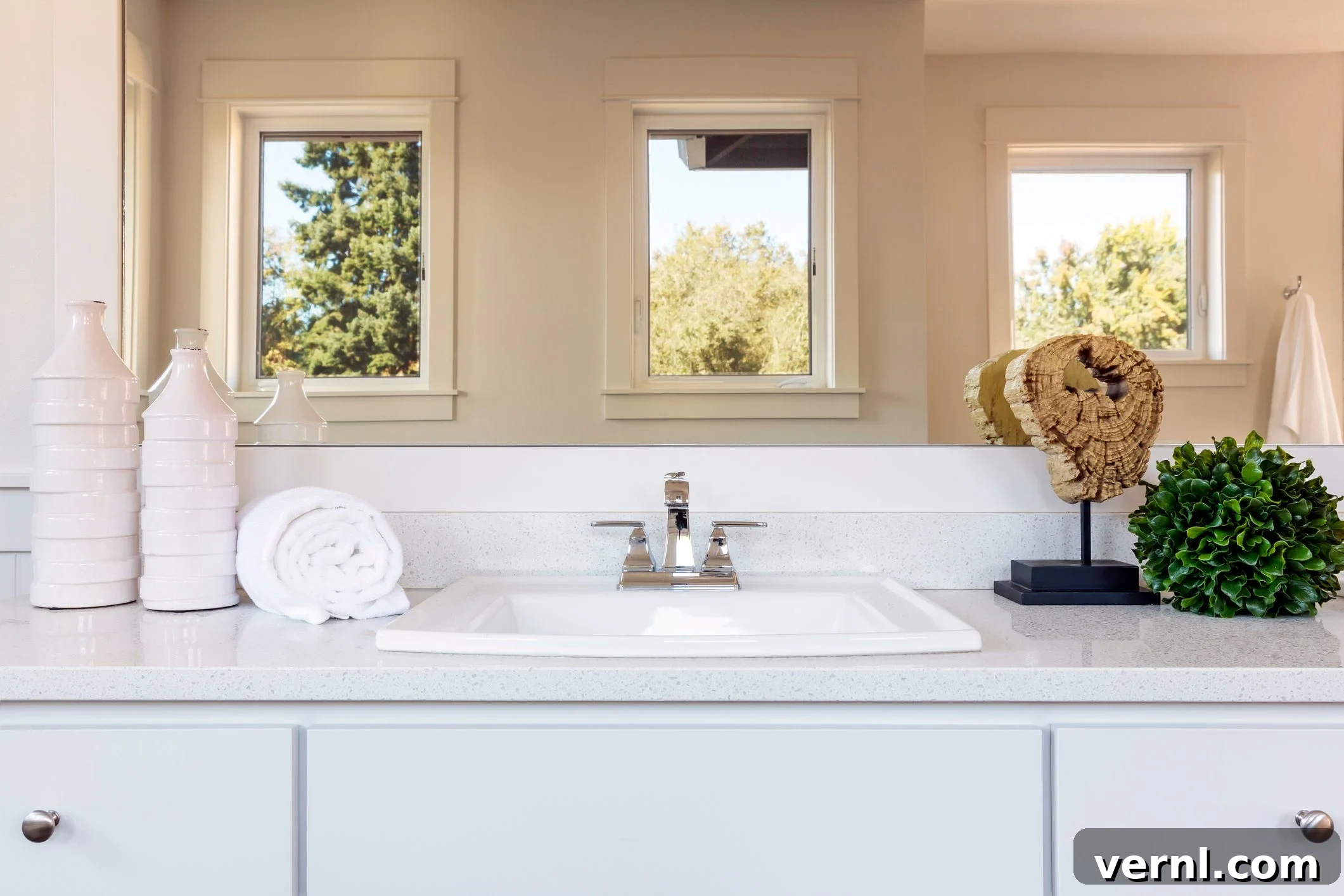
The Ultimate Guide to Drop-In Bathroom Sinks: Style, Installation, and Value
When it comes to selecting the perfect fixture for your washroom, drop-in bathroom sinks stand out as a perennially popular choice. Far more common than many other bathroom sink types, these versatile basins are manufactured in an impressive array of shapes, sizes, and materials, making them suitable for virtually any aesthetic. Given that the sink often serves as a focal point and one of the most frequently used fixtures in a bathroom, this extensive selection offers homeowners abundant opportunities to express their personal style and enhance their space.
Whether your bathroom vanity countertop boasts a luxurious, high-end designer finish or a practical, resilient laminate surface, there is an ideal drop-in sink waiting to complement it. These sinks are renowned for being among the most budget-friendly bathroom sink options available. Furthermore, their straightforward installation process often makes them a preferred choice over undermount sinks, which are their most prominent alternative. This combination of affordability and ease of installation largely contributes to their enduring appeal and widespread use in homes across the globe.
While their low cost is a significant driver of their sustained popularity, it’s important to note that the market also offers a plethora of high-end drop-in models. For those looking to invest in premium materials or unique designs, a range of luxurious options exists, proving that “drop-in” doesn’t necessarily mean compromising on elegance or quality. From minimalist designs to ornate statements, a drop-in sink can seamlessly integrate into any bathroom renovation project, offering both functionality and aesthetic appeal.
What Exactly Is a Drop-In Bathroom Sink?
The functionality of a drop-in sink is clearly communicated by its name: the basin literally “drops into” a precisely cut opening in a countertop. The distinguishing feature of this sink type is its visible rim, which rests directly on the countertop surface. This rim serves a dual purpose: it supports the sink’s weight and provides a finished edge, effectively concealing the cut edges of the countertop. Because of this design, drop-in sinks are also frequently referred to as “self-rimming” or “top-mount” sinks.
The prominent rim of a drop-in sink is primarily responsible for its structural support. In some cases, the sink can be adequately secured to the countertop using only a strong bead of silicone caulk. However, for enhanced stability and to prevent any potential movement, most modern drop-in models are equipped with fastening clips. These clips are designed to attach to the underside of the countertop, firmly holding the sink in place. This additional security ensures a long-lasting and stable installation.
Beyond the initial step of cutting the hole in the countertop and the final tasks of connecting the faucet and drain lines, the installation of a drop-in sink is remarkably simple and requires minimal specialized tools. For many DIY enthusiasts, a screwdriver is often the only tool necessary to secure the sink clips, making it a very accessible project for homeowners looking to update their bathroom themselves.
Exploring the Variety: Types of Drop-In Bathroom Sinks
While the classic oval drop-in bathroom sink is a familiar sight in countless homes, the available range extends far beyond this traditional shape. Modern designs encompass a wide array of forms, including sleek square and contemporary rectangular basins. These variations aren’t just aesthetic; they also offer practical differences in depth, with options ranging from as shallow as five inches to as deep as eight inches, catering to different preferences for water containment and overall sink profile. Some innovative designs even feature triangulated sides that gently slope towards the drain, offering a distinctive and visually engaging alternative to the standard bowl.
The material choices for drop-in sinks are equally diverse, allowing for incredible design flexibility. Traditional porcelain and ceramic drop-ins are widely popular, known for their shiny white finish that brings a clean, classic look to any bathroom. These materials can also feature elegant floral or geometric glazed patterns, adding a touch of personality and artistry. For those seeking a more modern or industrial aesthetic, lightweight copper or stainless steel models provide a striking contrast and beautifully complement minimalist, monochrome bathroom color palettes or even more dramatic design motifs.
Beyond these common options, drop-in sinks are also crafted from premium materials such as natural stone, offering unique textures and inherent durability; robust cast iron and enameled steel, known for their longevity and vintage charm; and advanced solid surface materials, which provide seamless aesthetics and excellent stain resistance. Unlike their kitchen counterparts, which often feature multiple basins for varied tasks, bathroom drop-in sinks are typically designed with a single basin, perfectly suited for everyday grooming and hygiene needs.
Pros and Cons of Drop-In Bathroom Sinks
When embarking on the journey to select a new bathroom sink, homeowners often find themselves weighing the benefits and drawbacks of drop-in sinks against their primary competitors. While undermount sinks are a popular alternative, and vessel sinks occupy a distant third in popularity, understanding the specific advantages and disadvantages of drop-ins is crucial for making an informed decision that aligns with your lifestyle and design preferences.
Drop-In Sink Advantages
- Effortless Installation: One of the most compelling advantages of drop-in sinks is their relative ease of installation. While a precise hole must be cut into the countertop, the visible rim of the drop-in sink offers a forgiving margin for error. Any minor imperfections in cutting or measuring are neatly concealed by the rim, making the installation process much less stressful for DIY enthusiasts compared to the exacting precision required for undermount sinks.
- Ideal for Laminate Countertops: Drop-in sinks are particularly well-suited for laminate countertops. The design of the rim effectively hides the exposed, often unfinished, plywood edges that are characteristic of laminate countertops. This not only provides a clean, finished appearance but also offers a protective barrier against moisture infiltration, which can be critical for the longevity of laminate surfaces.
- Cost-Effectiveness: Without a doubt, the cost-effectiveness of drop-in sinks is a significant draw. They represent some of the most affordable bathroom sink options on the market, making them an excellent choice for budget-conscious homeowners or those undertaking multiple bathroom renovations. Despite their accessible price point, the vast selection ensures there’s a drop-in sink to fit every budget without sacrificing style or functionality.
- Unmatched Design Flexibility: The sheer variety of shapes, sizes, materials, and finishes available for drop-in sinks is unparalleled. Whether you’re aiming for a traditional, contemporary, rustic, or minimalist aesthetic, you are almost guaranteed to find a drop-in sink that perfectly complements your existing bathroom décor. This flexibility empowers homeowners to create a truly personalized space.
Drop-In Sink Disadvantages
- The Rim as a Dirt and Grime Accumulator: One of the most frequently cited drawbacks of drop-in sinks is the potential for the rim to accumulate dirt, grime, and mildew. Because the rim sits on top of the counter, a slight ledge is created where debris, water splashes, and soap residue can collect. While proper caulking around the edges helps prevent this, vigilance is required, as caulk can degrade over time, necessitating re-caulking every few years to maintain hygiene and prevent mold growth.
- Reduced Counter Space: The visible rim of a drop-in sink, while aesthetically functional, inevitably occupies a portion of your countertop space. For bathrooms with limited counter real estate, this reduction can be a significant consideration, potentially impacting the usability of the vanity surface for toiletries and other items.
- Risk of Leaks if Not Maintained: A poorly caulked rim or caulk that has worn out can pose a risk of water seepage. If water manages to penetrate beneath the rim, it can drip into the sink cabinet below, potentially leading to water damage, mold growth, and structural issues over time. Regular inspection and maintenance of the caulk seal are essential to prevent this.
- Can Appear “Utilitarian”: Due to their widespread use and often simple designs, some homeowners find the ubiquity of drop-in sinks to be a drawback if they are striving to make a distinctive design statement. While high-end and unique models exist, the perception of a drop-in sink can sometimes lean towards the functional rather than the luxurious, which might not align with every homeowner’s vision for a custom bathroom.
Drop-In Sinks vs. Undermount Sinks: A Detailed Comparison
When choosing a bathroom sink, the decision often boils down to two main contenders: drop-in and undermount. While both offer excellent functionality, their distinct installation methods and aesthetic impacts lead to different advantages and disadvantages. Understanding these differences is key to selecting the best sink type for your bathroom renovation.
Installation Differences
- Drop-In Sinks: As discussed, drop-in sinks are installed from the top, with their rim resting on the countertop. This makes installation relatively straightforward for DIYers, as the rim can conceal minor imperfections in the countertop cut. The process typically involves cutting a hole, applying caulk, dropping the sink in, and securing it with clips.
- Undermount Sinks: Undermount sinks are installed from underneath the countertop, creating a seamless transition from the counter to the sink basin. This installation requires precise cutting of the countertop, usually done by professionals, and a strong adhesive and clips to hold the sink securely. The lack of a rim means the countertop edges must be perfectly finished and sealed to prevent moisture damage.
Aesthetics and Design Impact
- Drop-In Sinks: The visible rim of a drop-in sink defines its presence on the countertop. This can either be a design feature, framing the sink and complementing the faucet, or it can be seen as interrupting the flow of the counter. Drop-ins offer a more traditional or classic look, though modern rim designs are also available.
- Undermount Sinks: Undermount sinks offer a sleek, contemporary, and minimalist aesthetic. The seamless transition from counter to sink makes the countertop appear larger and uncluttered, enhancing the overall spaciousness and luxury of the bathroom. This look is highly sought after in modern design.
Cleaning and Maintenance
- Drop-In Sinks: The rim of a drop-in sink can accumulate grime and require regular cleaning to prevent mold and mildew buildup. The caulk seal around the rim also needs periodic inspection and re-caulking.
- Undermount Sinks: Undermount sinks are generally easier to clean because there’s no rim to trap dirt. Spills and debris on the countertop can be wiped directly into the sink, promoting a more hygienic surface. However, the seal between the sink and the underside of the counter is critical and, if compromised, can lead to leaks and hidden water damage.
Cost Considerations
- Drop-In Sinks: Typically more affordable in terms of the sink unit itself and often in installation costs, especially if you DIY.
- Undermount Sinks: The sinks themselves can sometimes be pricier, and professional installation for countertop cutting and mounting is often recommended, adding to the overall cost.
Ultimately, the choice between a drop-in and an undermount sink often comes down to personal preference for aesthetics, budget, and willingness for DIY versus professional installation. Both types are highly functional and can serve a bathroom beautifully for many years.
How to Install a Drop-In Bathroom Sink
Installing a drop-in bathroom sink is a project that many homeowners can confidently tackle, especially with the right preparation and tools. Most drop-in bathroom sinks come packaged with a precise template designed to simplify the crucial steps of measuring and marking the outline for the countertop cut-out. This template ensures accuracy and helps achieve a professional finish.
The method for cutting the countertop varies depending on its material. If your countertop is made of laminate, wood, or a solid-surface material, you can typically use a jigsaw to make the necessary cut. This tool offers the precision and maneuverability required for creating the sink opening. However, for more challenging materials such as natural stone, concrete, or quartz countertops, it is highly recommended to have the cut pre-fabricated at the factory or to enlist the services of a professional installer. These materials require specialized tools and expertise to prevent damage and ensure a clean, precise opening.
Once the countertop hole is prepared, the actual sink installation begins. The standard procedure involves applying a generous bead of silicone caulk to the underside of the sink’s rim. This caulk provides a watertight seal and helps secure the sink. The sink is then carefully lowered and “dropped” into the prepared hole. Following this, the sink is firmly secured to the underside of the countertop using the fastening clips provided by the manufacturer. It’s crucial to consult the installation instructions that come with your specific sink model, as there can be variations in clip design and proper tightening procedures.
After the sink itself is securely in place, the remaining steps of the installation process are universal to most sink types. This includes installing the drain assembly and connecting the faucet to the water supply lines. One significant advantage unique to drop-in sinks is the ability to attach the faucet to the sink basin before dropping the entire unit into the countertop. This pre-installation step eliminates the frustration of trying to tighten lock nuts and make connections while working in the cramped confines of the sink cabinet, making the overall process much more comfortable and efficient.
Excellent Drop-In Bathroom Sinks: Top Picks for Every Budget
To help you navigate the vast market, here are some excellent drop-in bathroom sink options, categorized by budget, that offer great value and style for your home.
Best Budget Drop-in Bathroom Sink
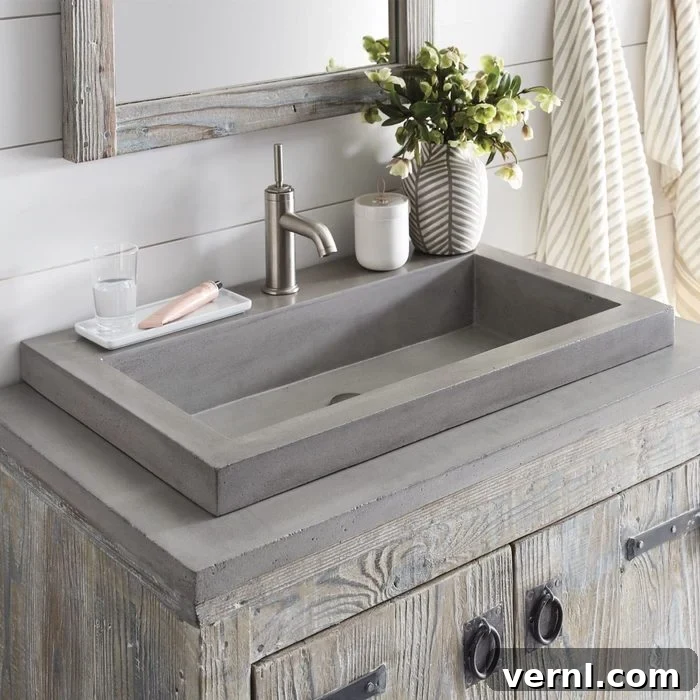
The Glacier Bay Aragon Self-Rimming Drop-In Bathroom Sink is an outstanding choice for those seeking quality on a budget. Its classic oval shape, measuring a compact 17-in. x 20-in., makes it perfectly suited for smaller bathrooms or powder rooms where space is a premium. This functional sink features a reliable front overflow channel to prevent spills and is designed with three faucet holes, accommodating standard four-inch center-set faucets. Priced at an incredibly accessible $39, the Glacier Bay Aragon is consistently one of the most cost-effective yet dependable drop-in sinks available on the market, proving that you don’t have to break the bank for a functional and attractive basin.
Best Mid-Range Drop-In Bathroom Sink
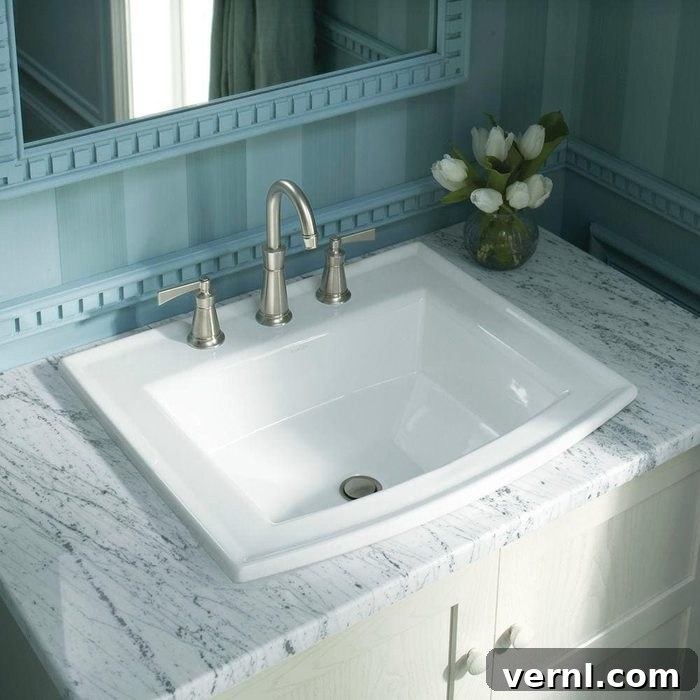
For homeowners looking for a balance of style, durability, and value, the Kohler Archer Drop-In Vitreous China Bathroom Sink is an exceptional mid-range option. This rectangular sink boasts a contemporary design with a clean, faceted appearance that adds a touch of modern sophistication to any bathroom. It features an integrated overflow system for safety and three holes specifically spaced to accommodate a widespread faucet, offering more design flexibility for your chosen fixtures. With a generous depth of almost eight inches, and a bottom that gradually slopes towards the drain, it ensures efficient water management. All this quality and design elegance comes at a reasonable price of $159, making the Kohler Archer a smart investment for a stylish and functional upgrade.
Best High-End Drop-In Bathroom Sink
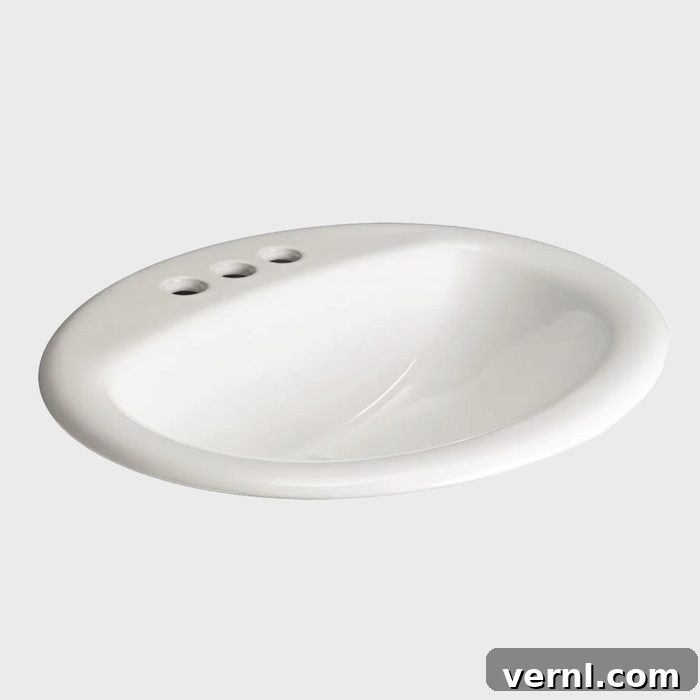
For those desiring a truly distinctive and luxurious statement piece, the Native Trails NativeStone 30-inch Rectangular Stone Composite Sink offers unparalleled craftsmanship and aesthetic appeal. This spacious, shallow basin, measuring 26-in. x 12-in. and less than five inches deep, is a testament to artisanal design. Each sink is meticulously handcrafted from a unique blend of concrete and natural jute fiber, ensuring that no two pieces are exactly alike – a truly unique touch for your home. Costing less than $1,000, this exquisite sink is compatible with either a countertop-mounted or a wall-mount faucet, allowing for even greater design flexibility and added sophistication. The Native Trails NativeStone sink is more than just a fixture; it’s a piece of art that elevates the entire bathroom experience.
Also, find out why sinks stop working, so you can address common issues effectively.