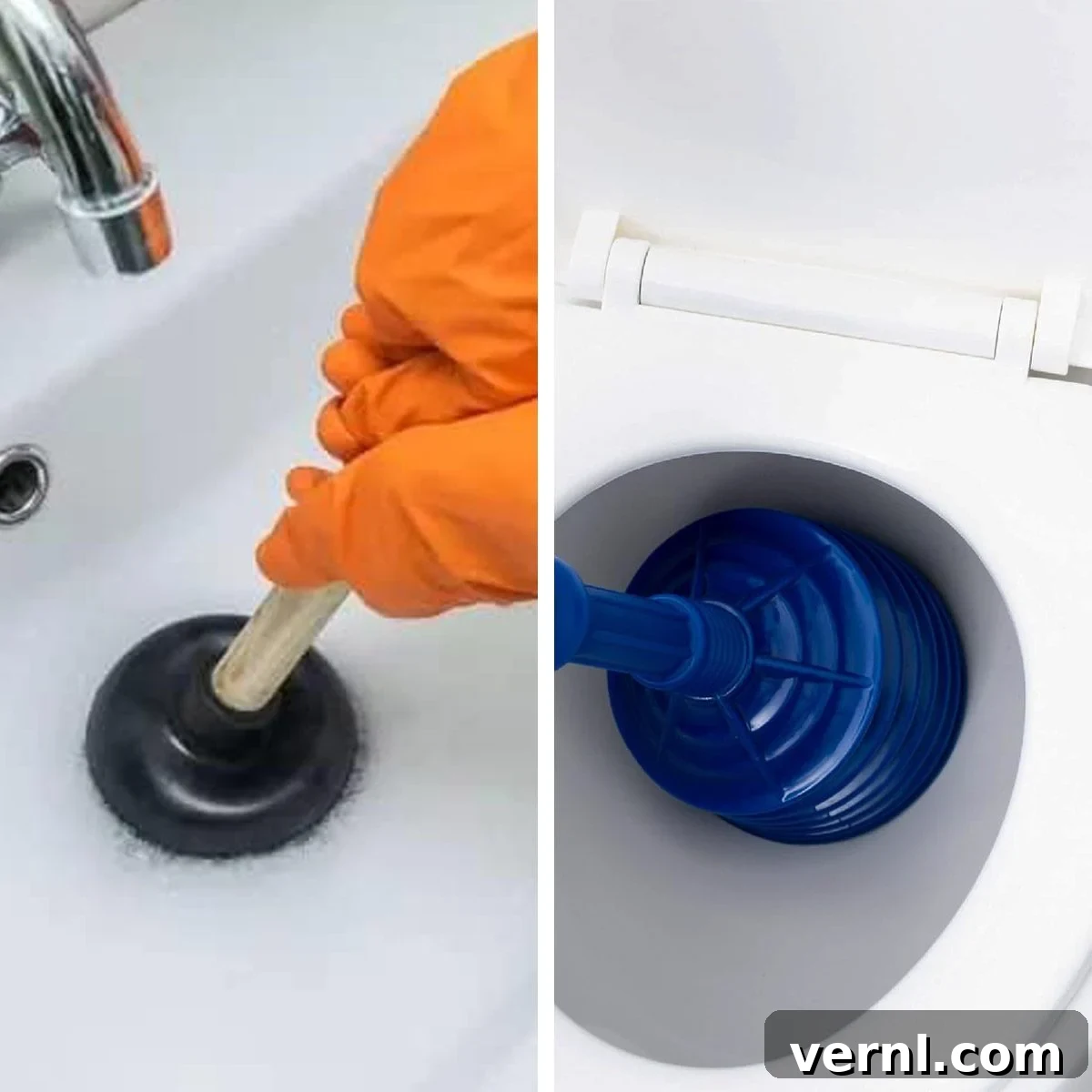
The Unsung Hero: An Essential Guide to Plungers for Every Homeowner
Among the myriad tools and gadgets that populate our homes, few are as universally present, yet as often overlooked, as the humble plunger. Typically tucked away in a cupboard or behind a toilet, this unassuming device is often seen as a last resort, a symbol of plumbing distress we hope never to encounter. Much like a first aid kit, it’s there for emergencies, and its importance is often only truly appreciated in moments of minor crisis.
But is a single plunger truly sufficient for all your household needs? Plumbing experts emphatically suggest having at least two: one specifically dedicated to toilets, and another for clearing clogs in sinks, bathtubs, and other household drains. The reasoning is simple and critical: hygiene. Using the same plunger that has been in contact with toilet waste to clear a kitchen sink drain is not only unsanitary but also potentially hazardous. Different types of clogs and different drain designs necessitate specialized tools and techniques for effective and hygienic resolution.
Beyond the simple act of “plunging,” there are significant differences in plunger design and even the technique required to operate them effectively, depending on whether you’re tackling a toilet or a sink. To demystify these nuances and equip homeowners with the knowledge to handle common clogs, we consulted Ron Spruce, a licensed plumber with over 33 years of invaluable experience in the field. His insights provide a comprehensive understanding of this essential household tool, ensuring you choose the right plunger and use it correctly, every time.
Understanding the Mechanics: How Does a Plunger Work?
At its core, a standard plunger is a marvel of simplicity and effectiveness, composed of two fundamental parts: a flexible rubber cup and a sturdy handle. This ingenious design has remained largely unchanged since its invention in 1874, when it was patented by John Hawley under the name “vent clearer.” Hawley’s original instructions, though dating back nearly 150 years, still perfectly encapsulate the device’s operational principles.
The magic of a plunger lies in its ability to manipulate hydraulic pressure. When the rubber cup is placed over a drain and pressed down, it creates a seal. The subsequent push and pull motion rapidly changes the water pressure within the drainpipe. A forceful push generates positive pressure, pushing water and the clog material downwards. A swift pull then creates negative pressure, or a vacuum, attempting to pull the clog upwards and away from the blockage point. This oscillating force, often repeated several times, works to dislodge and break apart the obstruction, allowing it to be carried away by the flowing water.
Hawley’s original instructions, updated for modern terminology and context, perfectly illustrate this process for a clogged sink drain:
A small quantity of water is allowed to flow into the sink, covering the drain opening. The plunger cup is then precisely positioned around the drain, ensuring a complete seal is formed. The handle is pressed down suddenly – a motion commonly referred to as “plunging” – forcing the water beneath the cup into the drain. This action creates a powerful hydraulic force that dislodges the clog, enabling it to be carried off and flushed away by the outgoing water.
This simple yet highly efficient mechanism underscores why the plunger remains an indispensable tool in every household. Its effectiveness, however, is significantly amplified when the correct type of plunger is chosen for the specific drain and clog.
Choosing the Right Plunger for Sink Drains
When it comes to clearing clogs in sinks, bathtubs, or showers, the best choice often closely resembles Hawley’s original design: a classic cup-style plunger. Ron Spruce highly recommends “a basic plunger with an old-school short wooden handle and a simple rubber head.” These tried-and-true models are widely available and typically cost less than $10, offering exceptional value for their effectiveness.
The shorter handle, usually around eight to ten inches, is a key feature for sink plungers. It provides ample leverage without being cumbersome, making it easier to maneuver in tight spaces beneath a sink or around a bathtub faucet. Its compact size also makes storage incredibly convenient, allowing it to be stashed discreetly under a cabinet without taking up too much space. While the basic design is highly effective, aesthetic variations with more modern finishes or materials are available in the $15 to $20 range for those who prefer a more contemporary look.
The versatility of a standard cup plunger makes it ideal for a variety of drain types. Its flat-bottomed cup can form a strong seal over the typically flat and wider openings of kitchen sinks, bathroom sinks, and even bathtub drains. The key is to ensure the rubber is pliable enough to create a tight vacuum, which is crucial for the push-and-pull action needed to dislodge common sink clogs like hair, grease buildup, and soap scum.
Navigating Toilet Clogs: Specialized Plungers for Toilets
Toilet drains present a unique challenge due to their integrated S-trap design, which is designed to hold water and prevent sewer gases from entering your home. This curved, internal pathway makes clearing toilet clogs different from those in sinks. Consequently, specialized plungers have evolved to address these specific needs. There are three common types of plungers typically used for toilets: the standard cup plunger (a larger version of a sink plunger), the flange toilet plunger, and the accordion plunger.
The Superior Choice: Flange Toilet Plunger
For Ron Spruce, the veteran plumber, the flange toilet plunger stands out as the unequivocal best choice for toilet clogs. “It has a baffled spout at the end that counter-sinks into the bowl,” Spruce explains, “so that when you push, the force is directed straight through the integrated trap of the toilet.” This flange, an extendable rubber flap that protrudes from the main cup, is specifically designed to fit snugly into the toilet’s drain opening, creating an incredibly effective and direct seal.
Spruce emphasizes the importance of choosing a well-constructed flange plunger with a long handle. A longer handle, typically around two feet, provides crucial leverage and keeps the user at a comfortable, hygienic distance from the toilet bowl. A typical flange toilet plunger usually ranges from $20 to $25, an investment that pays dividends in effectiveness and cleanliness.
Furthermore, Spruce advises selecting a plunger with softer, more flexible rubber for the cup and flange. The varied shapes and sizes of toilet drains mean that a pliable material can more easily conform to the opening, guaranteeing a superior seal. This enhanced seal is paramount for generating the concentrated hydraulic pressure necessary to clear stubborn toilet clogs efficiently, minimizing splashing and maximizing the force applied directly to the blockage.
The Suboptimal Option: Standard Cup Toilet Plunger
While standard cup plungers are excellent for sinks, their effectiveness in toilets is significantly diminished. These models feature a longer handle suitable for toilet use but lack the crucial flange that extends into the drain. They can be purchased for around $12, roughly half the price of a dedicated flange plunger, making them an attractive option for budget-conscious buyers. However, this cost saving often comes at the expense of performance and potential mess.
“You can use a regular rounded-head plunger in toilets, but they’re not designed to create a seal in the same way,” Spruce confirms. While they may offer some push-and-pull action, the absence of a tight seal means much of the pressure will escape around the edges of the cup. This not only makes the task harder and more frustrating but also increases the likelihood of pulling wastewater and solid material back into the toilet bowl, creating a highly unsanitary situation.
Ultimately, while a standard cup plunger might work for very minor clogs, it’s generally a less efficient and potentially messier solution for toilet blockages. The slightly higher investment in a flange plunger is well justified by its superior performance, ease of use, and hygienic benefits.
The High-Pressure Performer: Accordion Toilet Plunger
The accordion plunger, sometimes referred to as a bellows plunger, derives its name directly from its distinctive design. Its corrugated, expandable body allows it to generate exceptionally high water pressure with minimal effort from the user, making it a powerful tool for stubborn clogs.
These plungers are typically a bit shorter than traditional flange plungers, which means the user may be positioned closer to the toilet bowl. However, the unique accordion structure compensates for this by efficiently compressing air and water, delivering a concentrated burst of force directly into the drain. This high-pressure capability can be particularly effective against compact or deeply lodged blockages.
Accordion plungers generally cost about the same as a good flange toilet plunger. While they excel in generating power, some users find them slightly harder to clean due to their numerous folds, and forming a perfect seal can sometimes be more challenging depending on the specific toilet bowl design. Despite these minor considerations, their powerful action makes them a valuable option for homeowners seeking maximum unclogging force.
Mastering the Technique: Using a Sink Plunger Effectively
Beyond selecting the correct tool, the technique employed is equally crucial for successfully clearing a clog. When working on different drains, there’s a fundamental difference in approach. For sink plungers, the goal is to create a dynamic push-and-pull action that shakes the clog loose.
Spruce advises starting with a strong, decisive initial plunge. This forceful downward motion helps to break any superficial blockage and establish a strong hydraulic connection with the clog. Immediately following this, execute a backward pull that is as strong as possible, without breaking the seal you’ve created around the drain. This vigorous pull creates powerful suction, which is highly effective at lifting and dislodging common sink culprits like hair, grease, and soap scum that tend to cling to pipe walls.
Repeat this push-and-pull cycle rhythmically and vigorously for several minutes. You should hear gurgling sounds as the clog begins to break apart or move. If the water level is too low, add more water to ensure the plunger cup is fully submerged and can maintain a proper seal. Patience and persistence are key. Once the water starts to drain freely, remove the plunger and flush the drain with hot water for a few minutes to help clear any remaining debris and rinse the pipes thoroughly.
The Gentle Touch: Using a Toilet Plunger Properly
Surprisingly, using a toilet plunger requires a more nuanced and delicate approach, particularly regarding the pulling motion. As Spruce explains, “When you pull on the toilet plunger, pull lightly, then focus on the push down to force the water through.” This technique is critical because of the unique design of the toilet’s integrated trap.
A strong, aggressive pull with a toilet plunger can have two highly unpleasant and counterproductive results. First, it can inadvertently jam clogged material even tighter into the intricate curves of the toilet’s internal trap. This makes the blockage more stubborn and difficult to clear, potentially requiring a plumber. Second, and perhaps more unappealing, a powerful pull can cause solid or liquid waste to spray back out of the toilet bowl, creating a significant mess and hygiene hazard.
While some backflow is almost inevitable with any toilet plunging, a gentle pull will keep it to an absolute minimum. The primary force for clearing a toilet clog should come from the powerful, directed push, which forces water directly through the trap and against the blockage. Insert the flange firmly into the drain opening to create a tight seal, then gently pull back just enough to reset the cup, followed by a strong, deliberate push. Repeat this gentle pull and firm push sequence rhythmically. Listen for the sound of the water draining and the bubbles rising, indicating that the clog is beginning to clear. With patience and the correct technique, your toilet will be flowing freely once more.
Expert Insight: Meet Ron Spruce
- Ron Spruce is a highly respected licensed plumber and the proud owner of Rightway Plumbing, based in Oregonia, Ohio.
- With an impressive career spanning over 33 years, Spruce has dedicated his expertise to countless plumbing projects of all shapes and sizes, earning a reputation for reliability and deep industry knowledge.
Maintaining Your Plungers and Knowing When to Call a Pro
After successfully clearing a clog, proper maintenance of your plunger is essential for hygiene and longevity. Always rinse your plunger thoroughly with hot water, and consider disinfecting it with a bleach solution or a dedicated bathroom cleaner, especially after toilet use. Store plungers in a caddy or a designated storage area to prevent contamination and keep them out of sight. Regularly inspect the rubber cup for cracks or hardening; a compromised cup won’t form a proper seal, rendering the plunger ineffective.
While plungers are incredibly effective for many common clogs, there are instances when they might not be enough. If a clog persists after several attempts with the appropriate plunger and technique, or if you suspect a deeper issue like a main line blockage, it’s time to call a professional plumber. Persistent clogs can indicate more serious problems that require specialized tools and expertise. Knowing when to step back and seek professional help can save you from further damage, frustration, and potential plumbing emergencies.
Conclusion: The Indispensable Household Tool
The humble plunger, often underestimated and underappreciated, is truly a household essential. By understanding the different types of plungers available, selecting the correct one for the specific drain, and employing the right technique as advised by seasoned experts like Ron Spruce, homeowners can confidently tackle most common clogs. Investing in two quality plungers – one for toilets and one for sinks – ensures both effectiveness and optimal hygiene.
Beyond being a simple rubber cup on a stick, the plunger represents preparedness, self-reliance, and a practical solution to an annoying, yet inevitable, household problem. With this comprehensive guide, you are now equipped not just to own a plunger, but to wield it effectively, keeping your drains clear and your home running smoothly.