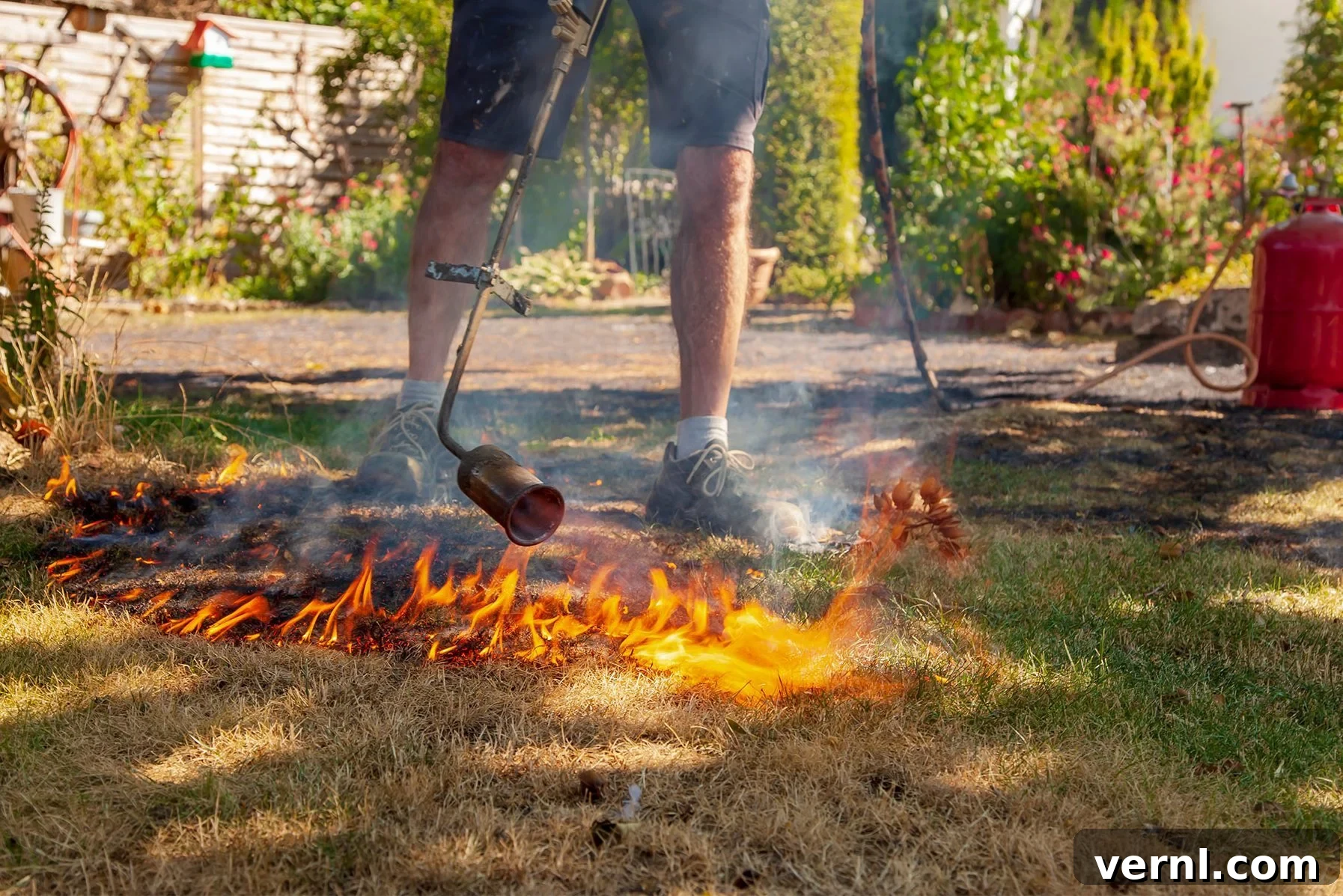
Mastering Weed Control: A Comprehensive Guide to Propane Weed Torches
Once considered a niche tool primarily for large-scale agricultural operations and roadside maintenance in the 1930s, propane weed torches have undergone a significant transformation. Today, they represent a cornerstone of sustainable weed management for organic farmers and an increasingly popular solution for homeowners seeking effective, chemical-free alternatives. This method, lauded for its minimal physical exertion and time commitment, offers a powerful way to reclaim your garden and pathways from unwanted flora. As Garrett Poshusta from The Grit and Polish aptly puts it, “Flame weeding can be an effective alternative” for those weary of traditional methods.
After years of grappling with persistent weeds through arduous pulling, questionable spraying, and endless frustration, I personally transitioned to burning weeds with a propane torch, and the results have been nothing short of transformative. This guide delves into everything you need to know about weed torches, incorporating invaluable insights and expert tips from industry professionals like Garrett Poshusta and Tim Thompson from YouTube’s Farm Learning with Tim Thompson.
Understanding the Weed Torch: Design and Functionality
A weed torch is an elegantly simple yet highly effective device designed for targeted weed eradication. At its core, it comprises a long, ergonomic wand featuring a comfortable handle on one end and a robust burner cylinder head on the other. This wand serves as the conduit, connecting directly to a liquid propane source – typically a standard propane tank. Once ignited at the burner head, the torch generates an intense, concentrated flame, reaching temperatures that can exceed 2000 degrees Fahrenheit. This powerful heat is then precisely directed at unwanted vegetation, swiftly killing the green growth by rupturing plant cells.
The versatility of weed torches is evident in the variety of styles available, catering to different scales and applications. For smaller gardens, patios, and residential use, single-head torches are common, offering precision and ease of maneuverability. In contrast, large agricultural fields or extensive properties might benefit from multi-head setups, designed for broader coverage and increased efficiency. Wands themselves come with various handle designs; some are straight, while others feature a curved profile. Many users, including Poshusta, find curved wands significantly more comfortable during prolonged use, reducing strain and improving control.
Investing in a Weed Torch: What to Expect Regarding Cost
The price of a residential weed torch can vary significantly, generally ranging from $30 to $250. This wide spectrum reflects differences in torch size, heating capacity, build quality, and additional features. At the lower end of the price range, you’ll find smaller, lighter torches designed for occasional use and lighter tasks, often producing lower temperatures suitable for annual weeds. These are typically handheld units that connect directly to a small propane cylinder.
Moving up the price scale, more robust models designed for frequent use and larger areas come into play. These often feature higher BTU (British Thermal Unit) outputs, allowing for quicker and more effective wilting of tougher weeds. They usually require a full-size propane tank and may include mobility systems like wheeled carts, making it easier to transport the tank around your property. Additional features such as integrated igniters, adjustable flame controls, and durable construction can also contribute to a higher price point, offering enhanced convenience and longevity.
The Efficacy of Flame Weeding: Does It Truly Work?
Absolutely, incorporating propane weed torching into your weed management strategy can be remarkably effective. The immediate impact is undeniable: the intense heat rapidly destroys the green, above-ground foliage of weeds, causing them to wilt and die back within minutes or hours. This “thermal shock” is particularly devastating for annual weeds and the top growth of perennial weeds.
However, it’s crucial to understand that while the visible green growth is quickly eliminated, the root system of certain hardier perennial and woody weeds might remain intact. These resilient plants possess the ability to regrow from undisturbed roots, necessitating a more persistent approach. As Thompson advises, “Repeated applications are necessary, but eventually, the roots will become depleted and die due to continued heat treatment.” This continuous assault on the plant’s energy reserves ultimately starves the root system, preventing regrowth.
Weed torches exhibit peak effectiveness against young, small annual weeds, typically two to three inches tall. At this stage, their root systems are shallow and less developed, making them more susceptible to complete eradication with a single treatment. “Torching is most effective on small weeds with small roots,” Poshusta emphasizes. He further recommends that “frequent, low-intensity application will give the best results.” This strategy focuses on catching weeds early and repeatedly weakening any regrowth, rather than attempting to incinerate mature, established plants.
Safety First: Essential Precautions for Burning Weeds
While highly effective, using a weed torch demands a strict adherence to safety protocols due to the extreme temperatures it generates. Weed torch flames can reach a scorching 2000 to 2250 degrees Fahrenheit, making personal safety and fire prevention paramount.
Personal Protective Equipment (PPE): Always prioritize your personal safety. When operating a weed torch, wear long pants, a long-sleeved shirt made of natural fibers (which are less prone to melting than synthetics), sturdy close-toed shoes, and heat-resistant gloves. Eye protection is also highly recommended to shield against any stray debris or sparks. Always face the torch head away from your body when lighting and using it, maintaining a safe distance. Thompson reminds us to “Be aware of the direction of the flame when using the torch, and remember that the tip will remain hot for a period of time after use.” Never touch the burner head immediately after use.
Fire Prevention: The most significant risk associated with flame weeding is inadvertently starting a fire. To mitigate this risk, never torch weeds during dry conditions, periods of drought, or on windy days, as embers can easily spread. Always have a readily available water source – such as a garden hose, a bucket of water, or a fire extinguisher – nearby to promptly extinguish any unintended flames. Consider performing flame weeding after a soaking rain, when the surrounding vegetation and ground are moist, significantly reducing the risk of sparking a brush fire. Furthermore, always check local burn bans or fire restrictions in your area before operation. “Make sure there are no burn bans active in your location and take precautions to avoid unintended fire spread,” Poshusta strongly advises. Be mindful of your surroundings, ensuring no flammable materials like dry leaves, wood chips, or structures are within the torch’s operating range.
Step-by-Step Guide: How to Effectively Use a Weed Torch
Operating a weed torch is relatively straightforward, but mastering the technique for optimal results and safety requires attention to detail. Always consult and follow all manufacturer instructions for your specific torch model.
- Connection and Ignition: Begin by ensuring all valves on both the propane tank and the torch wand are in the closed position. Securely connect the torch to the propane tank, ensuring a tight seal. Once connected, slowly open the valve on the propane tank, allowing gas to flow into the torch system. Next, slightly open the torch valve, then use a flint spark igniter or a long-handled lighter to ignite the gas at the burner head. Adjust the flame size to a steady, controlled burn using the control knob on the torch wand. A blue flame with a visible inner cone indicates proper combustion.
- Targeted Application and Wilting: Direct the burner head towards the weeds you wish to remove, maintaining a distance of approximately 4 to 6 inches above the ground. Apply heat in a slow, sweeping motion across the plants. The goal is not to incinerate the weeds into ash, but rather to cause “thermal shock” – heating the plant cells quickly enough to rupture their internal structures. You will observe the leaves changing color, turning glossy, or beginning to wilt. “You don’t have to completely incinerate the leaves. Simply wilting them down is often sufficient,” Poshusta clarifies. This rapid wilting indicates successful cell damage.
- Pacing and Coverage: Move slowly and deliberately across the area, ensuring all visible weeds receive adequate heat treatment. The speed at which you move should correspond to the type and size of the weeds. “The woodier the weeds, the slower you need to go,” Thompson advises, as tougher plants require more sustained heat to achieve cell rupture. For users working with larger propane tanks, which can be heavy, consider using a tank cart. This mobility system significantly eases the process of moving your setup around your yard, preventing fatigue and allowing for more thorough coverage.
Weed Torch Pros and Cons: A Balanced Perspective
The Advantages of Flame Weeding
A propane torch offers a compelling array of benefits, making it an attractive option for many gardeners and homeowners seeking efficient weed control:
- Chemical-Free Weed Management: Perhaps the most significant advantage is the elimination of chemicals and herbicides. This provides peace of mind for those concerned about the environmental impact of traditional weed killers, particularly around edibles, pets, and children. It aligns perfectly with organic gardening practices.
- Instant Gratification: One of the most satisfying aspects of flame weeding is the immediate visual confirmation of its effectiveness. “The big two advantages of heat torches are the instant results (you can literally look back at yellowing weeds as you work) and the lack of toxic chemicals,” Thompson highlights. Watching weeds wilt and droop within moments of heat application offers a tangible sense of accomplishment.
- Preservation of Beneficial Plants: Unlike broad-spectrum herbicides that can drift and harm desirable plants, a weed torch allows for highly targeted application. This precision ensures that neighboring beneficial plants, pollinators, and soil microbes remain unharmed, fostering a healthier garden ecosystem. Once the burned weeds decompose, beneficial plants can quickly fill the void.
- Effectiveness on Hardscapes: Weed torches excel in areas where manual weeding is difficult and chemical use is undesirable. Poshusta notes, “[Weed torches] are particularly useful around patios, sidewalks and other hardscape or gravel surfaces since these don’t burn.” Weeds sprouting in the cracks of driveways, pavers, and retaining walls – notoriously stubborn to pull – can be effortlessly managed with a focused flame, eliminating the need for bending and kneeling.
- Reduced Physical Effort: Flame weeding significantly reduces the physical strain associated with traditional methods like hand-pulling, hoeing, or tilling. It allows gardeners to remain upright, minimizing backaches and knee pain, making it accessible for individuals with physical limitations.
The Disadvantages of Flame Weeding
Despite its numerous benefits, it’s important to acknowledge the limitations and potential drawbacks of using a propane weed torch:
- Fire Hazard: The primary concern is the inherent risk of fire. As Thompson warns, “You need to be careful not to use it on fire danger days.” Operating the torch in overly dry, windy conditions or near flammable materials can quickly lead to an uncontrolled blaze. This necessitates constant vigilance and adherence to all safety precautions.
- Requires Multiple Treatments for Perennials: While effective for annuals, achieving complete eradication of perennial weeds with deep taproots or extensive rhizomes often requires multiple applications. The initial burn kills the top growth, but the plant may regrow from its root reserves. This ongoing commitment can be more time-consuming than a single chemical application, though ultimately more sustainable.
- Fossil Fuel Consumption: As Poshusta points out, “It also doesn’t work well when weeds are in close proximity to other plants you want to keep,” and it relies on burning fossil fuel. The use of propane, a fossil fuel, presents an environmental consideration for those striving for entirely carbon-neutral gardening practices. While it avoids chemical pollution, it does contribute to greenhouse gas emissions.
- Limitations Around Desirable Plants: The intense heat of a weed torch can indiscriminately damage or kill any plant it touches. This makes it unsuitable for weeding within garden beds where desired plants are closely interspersed with weeds. Its use is best confined to pathways, cracks, gravel areas, and open fields.
- Potential for Surface Damage: While excellent for hardscapes, excessive or prolonged heat can potentially discolor or damage certain surfaces like asphalt or delicate paving materials. Caution and moderate application are key in such areas.
Frequently Asked Questions About Weed Torches
Do weed torches effectively kill the roots?
The extent to which a weed torch kills roots varies significantly depending on the type of weed and the intensity/duration of heat application. “Different types of weeds may respond differently to being burned. Some will die off completely and others will grow back from the roots and require another round,” Poshusta explains. Annual weeds with shallow, fibrous root systems are often completely eradicated. However, perennial weeds with deep taproots (like dandelions) or spreading rhizomes (like quackgrass) are more resilient. The initial burn typically destroys only the top growth, forcing the plant to draw on root reserves for regrowth. Repeated torching depletes these reserves, eventually leading to root death. It’s a process, not always a one-time solution for persistent weeds.
Is it legal to use a propane torch for weeding?
The legality of using a propane torch for weed control is not universal and can vary significantly based on local, municipal, state, and even federal regulations. These laws often relate to fire safety, air quality, and outdoor burning restrictions, especially during dry seasons or in urban areas. It is imperative to always check your local ordinances, fire department guidelines, and environmental regulations before purchasing and operating a weed torch. Failure to do so could result in fines or penalties. When burn bans are active, using a weed torch is typically prohibited.
What kind of weeds are best suited for flame weeding?
Flame weeding is most effective on young, tender annual weeds, typically those under 3-4 inches tall, with shallow root systems. Examples include crabgrass, chickweed, lamb’s quarter, and young broadleaf weeds. It can also manage the top growth of perennial weeds, but as discussed, requires repeated applications to exhaust their root systems. It is generally not recommended for very large, woody weeds or weeds with extensive, deep taproots unless you are committed to multiple treatments over time.
Can a weed torch be used on lawns?
No, a weed torch is generally not suitable for use on lawns. The intense heat would indiscriminately kill both the weeds and the desirable grass, leaving scorched patches. For weeds in lawns, spot-treating with specific herbicides (if you choose to use chemicals), manual removal, or organic lawn care practices are more appropriate methods.
About the Experts Featured in This Guide
- Tim Thompson is an esteemed Australian Agriculture educator and the host of Farm Learning with Tim Thompson on YouTube. His platform is dedicated to empowering individuals with vital knowledge and practical skills for better land management. He features leading farmers and practitioners who generously share their expertise, innovative ideas, and product insights to simplify life on the farm or homestead.
- Garrett Poshusta forms one half of the dynamic husband-and-wife team behind The Grit and Polish. This popular website serves as a comprehensive resource for home maintenance, renovation, and improvement tutorials. Since 2008, Garrett and his wife have dedicated themselves to renovating and managing rental properties, accumulating a wealth of practical experience they share with their audience.
Next, find out if salt kills weeds and if it’s a viable alternative for your garden.