
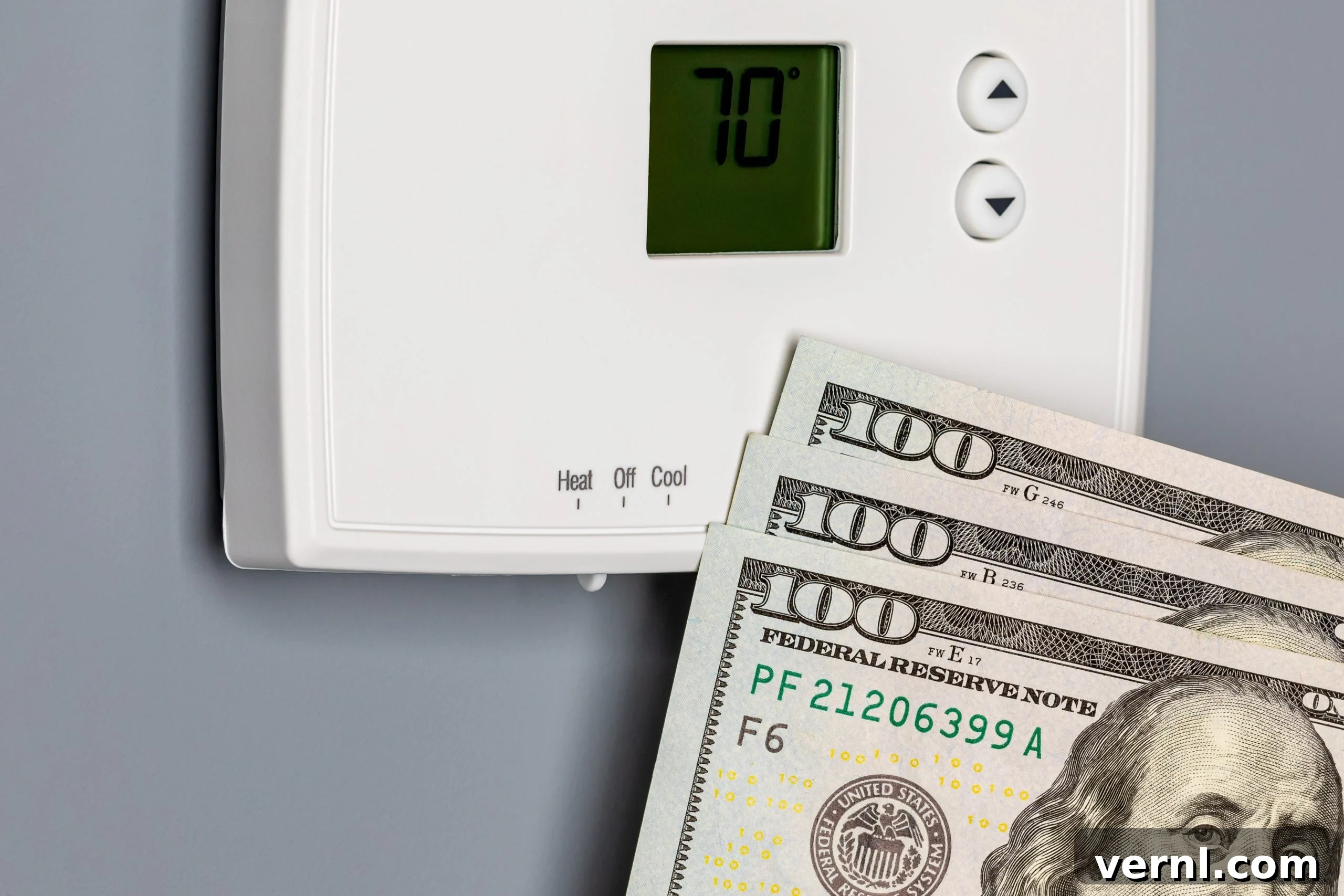
The Truth About Closing Heating Vents: Why It Doesn’t Save Money and What To Do Instead
As the chill of winter approaches, homeowners across the globe naturally begin to focus on energy costs. With residential heating fuels reaching unprecedented price points, finding effective ways to lower your monthly heating bill has become more critical than ever. In the quest for savings, many ideas circulate, some backed by science and others by popular misconception. One of the most pervasive and seemingly logical “hacks” is the practice of closing heating vents in unused rooms. The idea suggests that by restricting heat to areas not in use, your furnace or heat pump will demand less energy, leading to a noticeable reduction in your utility bills. While this notion sounds appealing at first glance, promising a simple solution to a complex problem, the reality is far different. This widely accepted strategy is not only ineffective but can actually be detrimental to your heating system’s efficiency and longevity, ultimately costing you more in the long run. In this comprehensive guide, we will delve into why closing heating vents fails to deliver on its promise and explore proven, smart, and sustainable methods to truly save energy and keep your home warm and comfortable all winter long.
Why Closing Heating Vents in Unused Rooms is a Costly Myth
The core premise behind closing heating vents rests on the assumption that reducing the number of open vents will decrease the “heat demanded” by your forced-air system. While it’s true that a warmer indoor space will experience a greater rate of heat loss when there’s a significant temperature difference with the outdoors, the impact of closing a few vents on this overall heat loss is negligible. You would only see a substantial change in heat loss if you were heating rooms to an uncomfortably high, almost uninhabitable temperature. For typical indoor temperatures, simply closing vents makes virtually no difference to the rate at which heat escapes your home’s envelope. The heat still finds its way out, just more slowly from the “closed-off” room, but at a greater cost due to system inefficiencies. Furthermore, this seemingly harmless action introduces several significant disadvantages that far outweigh any perceived benefit.
Detrimental Effects on Your Home and Heating System
- Stagnant Air and Compromised Indoor Air Quality (IAQ): When you close heating vents and typically the doors to unused rooms, you effectively cut off these spaces from your home’s ventilation system. This leads to stagnant air, a prime condition for increased humidity and the formation of window condensation, especially in cooler rooms. Over time, persistent condensation can foster the growth of mold and mildew, not only creating unpleasant odors but also releasing spores into the air that can trigger allergies, asthma, and other respiratory issues for your family. Poor indoor air quality can significantly impact your health and comfort, making your home less pleasant and potentially harmful. Beyond health concerns, excessive moisture can lead to structural damage, such as peeling paint, warped wood, and compromised window frames, resulting in expensive repairs.
- Reduced Heating System Efficiency and Accelerated Wear: Forced-air heating systems, whether a furnace or a heat pump, are meticulously engineered to operate within specific airflow parameters. These systems rely on a balanced exchange of air: cool, unheated air is drawn from your home through cold air return ducts, heated, and then distributed back into your living spaces via warm air supply ducts. The design accounts for a precise pressure balance throughout the ductwork. When you close vents, you disrupt this delicate balance. This restriction of airflow causes several critical problems:
- Increased Static Pressure: The blower motor has to work harder to push air through a more restricted duct system. This increased static pressure puts undue strain on the motor, leading to higher electricity consumption and reduced energy efficiency.
- Overheating (Furnaces) or Freezing (Heat Pumps/AC): For furnaces, restricted airflow means less air passes over the heat exchanger. This can cause the heat exchanger to overheat, triggering safety mechanisms that shut the system down prematurely (short cycling). While this prevents damage, it also means the system isn’t heating effectively and is constantly starting and stopping, wasting energy. For heat pumps (or air conditioners in summer), reduced airflow over the indoor coil can cause it to freeze up, leading to a complete loss of heating (or cooling) capacity and potential damage to the compressor.
- Blower Motor Strain and Premature Failure: The continuous effort of forcing air through a constricted system significantly increases wear and tear on the blower motor. This added strain shortens its lifespan, making expensive repairs or premature replacement more likely.
- Uneven Heating in Occupied Rooms: Instead of directing more heat to the open vents, closing others often causes the system to work harder to achieve the thermostat setting, but it doesn’t necessarily result in better heating in the rooms you *do* want warm. The system may struggle to maintain consistent temperatures across the house, leading to comfort imbalances.
Proven Strategies to Cut Heating Costs and Boost Home Comfort
Instead of relying on ineffective myths, focus on strategies that are scientifically proven to reduce energy consumption and improve your home’s overall efficiency. These solutions address the root causes of heat loss and system inefficiency, offering substantial, long-term savings.
Prioritize Home Envelope Enhancements: Insulation and Air Sealing
One of the most impactful investments you can make to lower your heating bills is to improve your home’s thermal envelope. Many homes, even relatively new ones, suffer from inadequate insulation and air leakage. The Environmental Protection Agency (EPA) estimates that properly insulating and air sealing your house can lead to average energy savings of 15% on heating and cooling costs, with some homes experiencing even greater reductions.
- Upgrade Attic Insulation: Heat rises, making the attic one of the most critical areas for insulation. Ensure your attic has adequate R-value (a measure of thermal resistance) for your climate zone. Blown-in fiberglass or cellulose insulation are common and effective options. Proper attic insulation creates a formidable barrier against heat escaping upwards.
- Improve Wall Insulation: While more complex to install in existing homes, adding insulation to exterior walls, either through drill-and-fill methods or during a siding replacement, can significantly reduce heat transfer through the walls. This creates a more consistent indoor temperature and reduces reliance on your heating system.
- Seal Air Leaks and Gaps: Insulation alone isn’t enough; you must also seal air leaks. These tiny cracks and gaps around windows, doors, electrical outlets, plumbing penetrations, and where walls meet the ceiling or floor act like tiny chimneys, allowing warm air to escape and cold drafts to enter. Use caulk for stationary gaps and weatherstripping for moving components like windows and doors. Don’t forget to check attic hatches and crawl space openings. A professional energy audit can pinpoint the most significant air leakage points in your home.
- Insulate Basements and Crawl Spaces: Insulating the rim joists in your basement or crawl space, as well as the walls themselves, can prevent significant heat loss through the foundation, making floors warmer and reducing drafts.
Optimize Your Heating System for Peak Performance
Even the most efficient heating system will underperform if it’s not properly maintained. Regular care and strategic upgrades can dramatically enhance its efficiency and extend its lifespan.
- Regular Professional Maintenance: Schedule an annual tune-up for your furnace or heat pump with a qualified HVAC technician. During a service visit, they will clean components, check for wear and tear, lubricate moving parts, inspect electrical connections, and calibrate the system. For heat pumps, refrigerant levels and coil cleanliness are also crucial. A well-maintained system runs more efficiently, consumes less energy, and is less prone to unexpected breakdowns.
- Strategic Filter Replacement: This is a simple yet often overlooked task. A dirty air filter restricts airflow, forcing your system to work harder and consume more energy. It also compromises indoor air quality. Check your filter monthly and replace it every 1-3 months, or more frequently if you have pets or allergies. Investing in a higher MERV (Minimum Efficiency Reporting Value) filter can improve air quality, but ensure your system can handle the increased airflow resistance.
- Consider a High-Efficiency System Upgrade: If your heating system is old (typically over 15 years for furnaces, 10-12 for heat pumps), it may be operating at a significantly lower efficiency than modern units. Newer models boast higher AFUE (Annual Fuel Utilization Efficiency) ratings for furnaces and higher SEER (Seasonal Energy Efficiency Ratio) and HSPF (Heating Seasonal Performance Factor) ratings for heat pumps. While the initial investment can be substantial, the long-term energy savings, improved comfort, and potential government rebates or incentives often make it a wise financial decision.
- Ductwork Inspection and Sealing: Your ductwork is the circulatory system of your forced-air heating. Leaky ducts, often located in unconditioned spaces like attics, crawl spaces, or basements, can lose 20-30% of the heated air before it even reaches your living spaces. Have your ducts inspected for leaks and sealed with mastic sealant or metallic-backed tape (not duct tape, which degrades over time). Professional duct sealing is a highly effective way to improve system efficiency and ensure heated air reaches its intended destination.
- Install a Smart or Programmable Thermostat: Upgrade from a manual thermostat to a programmable or, even better, a smart thermostat. These devices allow you to set different temperatures for various times of the day, automatically lowering the heat when you’re away or asleep. Smart thermostats take it a step further, learning your habits, allowing remote control via smartphone, and even integrating with home automation systems, optimizing your heating schedule for maximum savings and comfort.
Everyday Habits and Simple Fixes for a Warmer Home
Beyond major renovations and system upgrades, several simple, everyday practices can contribute significantly to a warmer home and lower energy bills.
- Leverage Natural Sunlight: During sunny winter days, open curtains and blinds on south-facing windows to allow natural sunlight to passively heat your home. This solar gain can notably warm up rooms. Remember to close them once the sun sets to trap that warmth indoors.
- Utilize Heavy Curtains and Blinds: At night, or on cloudy days, close heavy curtains or thermal blinds. These act as an additional layer of insulation, preventing heat from escaping through windows, which are often the weakest point in a home’s thermal envelope.
- Seal Windows and Doors Effectively: Even if your windows and doors are relatively new, they can still be a source of drafts. Ensure weatherstripping is intact and consider adding temporary window film insulation kits for older, drafty windows. Use door snakes or draft stoppers at the base of exterior doors to prevent cold air infiltration.
- Dress in Layers: This simple, common-sense approach is often overlooked. Dressing warmly with sweaters, socks, and comfortable layers allows you to set your thermostat a few degrees lower without sacrificing comfort, leading to immediate energy savings.
- Adjust Your Water Heater: While not directly related to space heating, hot water accounts for a significant portion of household energy consumption. Lower your water heater’s thermostat to 120°F (49°C) – it’s still hot enough for most uses and saves energy. Consider insulating older water tanks.
- Utilize Ceiling Fans (in reverse): In winter, set your ceiling fans to rotate clockwise at a low speed. This pushes warm air that has risen to the ceiling back down into the living space, helping to distribute heat more evenly and making a room feel warmer without raising the thermostat.
Conclusion: Invest in Smart Energy Solutions, Not Myths
The quest for lower heating bills is a universal challenge, but it’s crucial to distinguish between effective, proven strategies and popular myths. Closing heating vents in unused rooms is a prime example of a well-intentioned but ultimately counterproductive idea. Far from saving you money, it can lead to decreased indoor air quality, potential moisture damage, and significant strain on your heating system, potentially leading to costly repairs and reduced efficiency. Instead, focus your efforts and resources on strategies that deliver tangible, long-term results. By investing in proper insulation and air sealing, committing to regular HVAC maintenance, upgrading to energy-efficient systems, and adopting smart daily habits, you can significantly reduce your winter energy consumption, enhance your home’s comfort, and contribute to a healthier indoor environment. Prioritize these smart energy solutions to truly take control of your heating costs this winter and for many years to come.
Further Reading: Essential Resources for Energy Savings
Explore more expert tips and detailed guides to further optimize your home’s energy efficiency and comfort:
- Why Are Heating Bills Increasing This Winter?
- 25 Smart Ways to Slash Your Heating Bills This Winter
- Simple Tricks That Will Keep Your House Warm All Winter Long
- Unexpected Ways to Keep Your House Warm This Winter
- 12 DIY Projects to Keep Your House Warm This Winter
- Effective Ways to Warm Up a Cold Room That Actually Work
- How to Keep Your House Warm During a Power Outage
- The Best Ways to Heat a Garage In the Winter
- How to Save on Heating Costs In an Apartment
- Common Heating Myths You Need to Stop Believing
- Simple Heating and Air Conditioning Fixes You Can Do Yourself
- Debunking the Myth: Does Closing Heat Registers Really Save Energy?
- This Simple Fan Trick Can Keep Your House Warm All Winter