
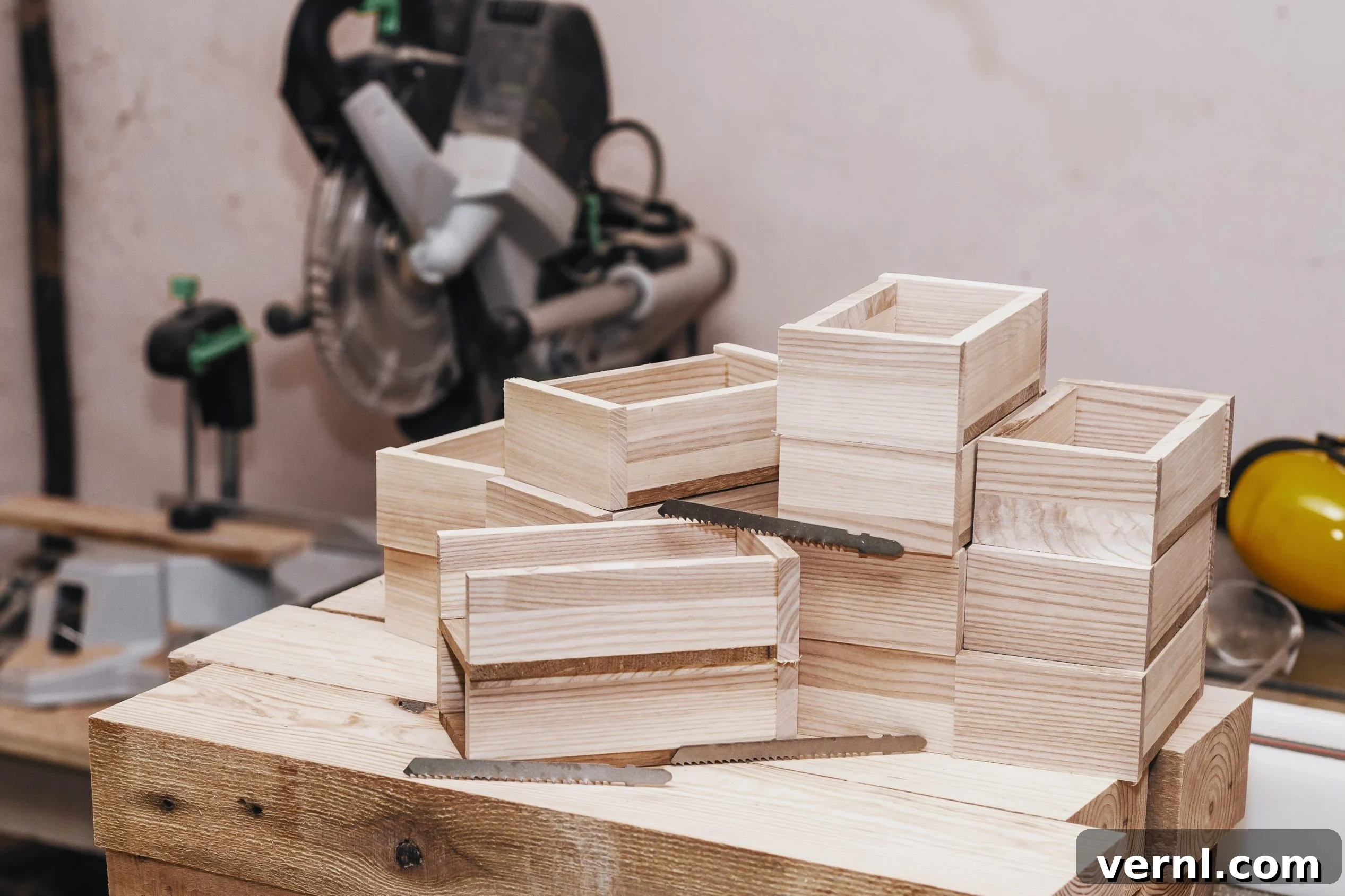
Ash, often overshadowed by its more frequently celebrated counterparts, stands as a truly remarkable and surprisingly versatile wood. With a density and porosity that mirror the robust characteristics of white oak, ash is a genuine workhorse material. Its admirable qualities extend to its workability, proving equally pleasant and efficient whether shaped by the precise touch of traditional hand tools or the power of modern machinery. This innate ease of manipulation, combined with its inherent strength, makes it a preferred choice for a vast array of projects, from the intricate joinery of high-end custom furniture to the rigorous demands placed upon everyday items like baseball bats.
For the discerning woodworker or the curious beginner, understanding the full scope of ash wood is crucial. This comprehensive guide aims to demystify ash, providing you with all the essential knowledge. By exploring its unique properties, diverse types, practical advantages, and potential drawbacks, you will gain the confidence needed to confidently incorporate this exceptional timber into your very next woodworking endeavor, unlocking its full potential and appreciating its understated elegance.
What is Ash Wood? An In-Depth Look at This Versatile Hardwood
Ash is unequivocally classified as a hardwood, a distinction that fundamentally defines its origin and characteristics. This means it originates from deciduous trees, specifically those belonging to the genus Fraxinus, which are renowned for shedding their leaves each autumn. Among these, the most commercially significant species in North America is the White Ash (Fraxinus americana), which serves as the primary source for the lumber known as ash wood. Its unique aesthetic features include a heartwood that typically exhibits a medium brown hue, often with subtle reddish or grayish undertones, providing a warm and inviting appearance. In stark contrast, the sapwood, which is the younger, outer section of the tree, presents a lighter, more delicate cream or beige color, contributing to the distinct visual appeal of ash timber.
A notable characteristic of the white ash tree is its relatively rapid growth rate. This accelerated development often results in a substantial amount of sapwood in harvested logs, a trait that, far from being a disadvantage, is frequently sought after by skilled woodworkers. The pale, creamy tones of ash sapwood offer an attractive and often more affordable alternative to the darker, richer brown of white oak, especially when a lighter aesthetic is desired for a project. Beyond its visual appeal, ash shares remarkable similarities with white oak in terms of its workability, density, and strength, making it an excellent substitute or a standalone choice for projects demanding both beauty and resilience. Its straight grain and inherent toughness allow for clean cuts and smooth finishes, making it a joy to work with across various applications.
Exploring the Diverse Types of Ash Wood
While often discussed generally, “ash wood” encompasses several distinct species and descriptive terms that are important for woodworkers and consumers to understand. Each type boasts unique properties, geographical origins, and specific applications, contributing to the rich tapestry of this remarkable timber. Here are the main types of ash trees and other relevant terms you should be familiar with:
- White Ash (Fraxinus americana): As the most prevalent commercial species in North America, White Ash is primarily found growing across the Eastern United States. It is highly valued for its excellent strength-to-weight ratio, superior shock resistance, and good dimensional stability, meaning it holds its shape well against changes in humidity. Its heartwood typically ranges from a light to medium brown, often lighter than its Black Ash cousin. White Ash boasts an impressive Janka hardness rating of 1,320 pound-force (lbf). The Janka rating is a crucial metric in woodworking, derived from a test that measures the resistance of a wood species to indentation, indicating its hardness and durability. To put this in perspective, softer hardwoods like cherry have a Janka rating of around 950 lbf, while the incredibly durable white oak comes in slightly higher at 1,360 lbf. This places White Ash firmly in the upper tier of commonly available hardwoods, ideal for furniture, flooring, and sporting goods.
- Black Ash (Fraxinus nigra): Predominantly growing in the cooler, wetter regions of the Northeastern U.S. and Canada, Black Ash is distinct from White Ash in several ways. It generally has a slightly darker coloration, often with a more grayish-brown hue, and is notably less dense. This lower density is reflected in its Janka rating of 850 lbf, which makes it softer and more pliable than White Ash. This particular characteristic, however, makes Black Ash exceptionally suitable for specific applications, especially basket weaving, where its flexibility allows it to be easily pounded and split into thin, pliable strips. Unfortunately, Black Ash is also highly susceptible and frequently cited as the preferred host species for the destructive emerald ash borer (EAB), making its future availability a significant concern.
- European Ash (Fraxinus excelsior): Widely distributed across Europe and parts of southwestern Asia, European Ash shares a striking resemblance to North American White Ash. In many practical applications, it is largely indistinguishable in terms of appearance and mechanical properties. Both species exhibit similar grain patterns, color variations, and strength characteristics. The primary, and often only, reliable way to ascertain if you are acquiring European Ash rather than a North American variety is to inquire about the lumber’s specific geographic origin and sourcing from your supplier. It is widely used for similar purposes as White Ash, including furniture, flooring, tool handles, and sports equipment.
- Swamp Ash: This term does not denote a distinct biological species of ash but rather describes the specific characteristics of ash lumber harvested from trees that have grown in wet, waterlogged, or swampy areas. The unique growing conditions lead to faster growth and a lower density, resulting in a wood that is exceptionally lightweight and often exhibits a more open, porous grain structure. Luthiers, those skilled craftspeople who make stringed instruments, particularly electric guitars, highly prize swamp ash for its distinctive tonal qualities – it is known for producing a balanced, resonant sound with clear highs and strong mids. Its lightness also contributes to more comfortable instruments.
- Olive Ash: Similar to swamp ash, “olive ash” is not a separate species but a descriptive term applied to the heartwood of certain ash trees that display unusual, dark, streaky patterns. These striking streaks of brown and black, often intertwined with the lighter ash background, create a visual effect reminiscent of the grain found in olive trees. This unique coloration is typically a result of specific mineral deposits or growth conditions. Most commercially available olive ash is sourced from imported European ash, where these distinctive patterns are more commonly observed. It is highly valued for decorative purposes in fine furniture, cabinetry, and veneers due to its unique and luxurious aesthetic.
The devastating impact of the emerald ash borer beetle (EAB) cannot be overstated when discussing ash wood. This invasive pest, believed to have been inadvertently introduced to North America from Asia in the 1990s, has rapidly become an ecological catastrophe. Lacking any significant natural predators in its new environment, the EAB has spread relentlessly across the North American continent over the past few decades, leaving a trail of destruction in its wake. It has already decimated hundreds of millions of ash trees, causing widespread ecological and economic damage. Current projections suggest that ash populations are expected to continue to decline dramatically, with estimates indicating a potential loss of as much as 80 percent of the remaining ash trees over the next 75 years. This ongoing crisis not only threatens the ecological balance of North American forests but also has significant implications for the future availability and pricing of ash lumber, urging woodworkers to consider sustainable sourcing and explore alternatives where appropriate.
The Comprehensive Pros and Cons of Ash Wood
Understanding the advantages and disadvantages of ash wood is crucial for making informed decisions in your woodworking projects. Its unique combination of properties makes it suitable for many applications, yet it also presents certain limitations.
Pros of Ash Wood
- Exceptional Availability: One of ash’s most significant advantages is its widespread availability. Despite the challenges posed by the emerald ash borer, ash lumber remains readily accessible at nearly all hardwood lumber retailers and specialty wood suppliers across North America. This consistent supply makes it an easy wood to source for both large-scale commercial projects and smaller hobbyist endeavors.
- Attractive Price Point: Compared to many other domestic hardwoods, ash is often among the most cost-effective options available commercially. Its competitive pricing makes it an appealing choice for budget-conscious woodworkers who do not want to compromise on quality, strength, or aesthetics. This affordability allows for larger projects or more intricate designs without the prohibitive cost associated with premium hardwoods.
- Outstanding Durability and Strength: Ash is renowned for its remarkable durability, making it an ideal choice for items that endure heavy use and require excellent resistance to impact and shock. It is a dense, tough wood that can withstand significant stress and maintain its structural integrity and beauty over many years. Its elasticity and shock-absorbing qualities are particularly why it’s favored for sporting goods and tool handles.
- Excellent Workability: Woodworkers consistently praise ash for its cooperative nature. Its straight, open grain makes it relatively easy to cut, plane, sand, and machine with both hand tools and power tools. It responds well to adhesives, takes fasteners securely, and can be steam-bent with great success due to its flexibility, opening up possibilities for curved designs.
- Beautiful Aesthetics and Finishing Potential: The clean, often straight grain of ash, combined with its distinct light sapwood and medium brown heartwood, offers a pleasing aesthetic. It takes stains and finishes exceptionally well, allowing woodworkers to achieve a wide range of looks, from a natural, clear finish that highlights its inherent beauty to darker stains that can mimic more expensive woods like oak or walnut. Its lighter color also makes it an excellent candidate for painted finishes when a solid color is desired.
- High Shock Resistance: Ash possesses an impressive ability to absorb shock and impact without splintering or breaking. This characteristic is paramount in applications like baseball bats, hockey sticks, and various tool handles, where sudden, forceful impacts are routine. This resilience contributes significantly to the longevity and safety of products made from ash.
Cons of Ash Wood
- Inconsistent Color Matching: One of the primary challenges when working with ash is the potential for significant color variation between boards. Many ash boards will naturally feature a mix of both the lighter, creamy sapwood and the darker, medium brown heartwood. While this can offer a rustic or varied aesthetic, it can make color matching for projects requiring a uniform appearance considerably more difficult, often necessitating careful selection or the use of heavy staining to homogenize the tones.
- Poor Rot and Insect Resistance: Ash wood possesses poor natural resistance to rot, decay, and insect infestation. This inherent vulnerability makes it a less than ideal choice for outdoor woodworking projects or any applications where it will be exposed to moisture, ground contact, or pest threats without extensive preservative treatments. For exterior use, other wood species or pressure-treated ash should be considered.
- Tendency to Splinter: While generally easy to work with, ash can have a tendency to splinter, especially if tools are dull or if cuts are made against the grain without proper support. Care must be taken during machining and sanding to achieve the smoothest finish and prevent tear-out.
- Long-term Impact of EAB: The ongoing devastation caused by the emerald ash borer is a significant long-term concern. While ash is currently available and affordable, the projected decline in ash populations could lead to increased prices and reduced availability in the coming decades, potentially affecting the sustainability of its use.
Diverse Applications: What Is Ash Wood Used For?
Ash wood’s unique blend of strength, flexibility, workability, and aesthetic appeal lends itself to an incredibly wide range of applications, demonstrating its versatility across various industries and crafts.
-
Furniture Manufacturing: Ash is a premium choice for crafting a broad spectrum of furniture, including durable dining tables, sturdy chairs, elegant cabinet frames, and bed frames. Its strength and resistance to shock make it ideal for pieces that undergo daily use and require long-lasting integrity. The light, clean appearance of ash also makes it particularly popular for contemporary, minimalist, and Scandinavian-style furniture designs, where its natural grain can be a focal point.
-
Utility Woodwork and Interior Millwork: Beyond fine furniture, ash excels in utility applications where toughness and resilience are paramount. It is frequently chosen for high-traffic flooring due to its durability and ability to withstand wear and tear. Furthermore, ash is used for interior millwork such as baseboards, door frames, and window casings, providing a clean, elegant finish. Its strength also makes it suitable for heavy-duty applications like crates, pallets, and tool benches.
-
Sporting Goods and Tool Handles: This is arguably one of ash’s most iconic uses. Its exceptional shock absorption and elasticity are precisely why baseball bats are often made out of ash. The wood’s ability to flex and then return to its original shape without breaking is critical for enduring the impact of a fast-pitch baseball. Similarly, ash is the material of choice for hockey sticks, lacrosse sticks, and a variety of tool handles, including axes, hammers, and shovels, where its resistance to splitting under stress is invaluable.
-
Musical Instruments: Especially in the realm of electric guitars, specific types of ash, particularly swamp ash, are highly regarded. The lightweight and resonant properties of swamp ash make it an excellent body wood, contributing to a balanced tone with good sustain and clarity. It’s also occasionally used for drum shells and other percussive instruments where its bright, articulate sound is desired.
-
Cabinetry and Built-Ins: Ash’s attractive grain, light color, and good stability make it a popular choice for kitchen cabinets, bathroom vanities, and custom built-in shelving. It offers a bright, airy feel to interiors and can be stained to match various décor styles, from traditional to ultra-modern.
-
Veneer and Plywood: Due to its distinctive grain patterns and strength, ash is also sliced into thin veneers for decorative paneling, furniture surfaces, and the outer layers of plywood, offering a cost-effective way to utilize its aesthetic qualities across larger surfaces.
Ash Wood Cost and Purchasing Considerations
When considering ash wood for your projects, understanding its cost and how to purchase it effectively is essential. Historically, ash has been positioned in the lower to mid-range price bracket for domestic hardwoods, making it an attractive option for many woodworkers. However, the dynamics of pricing are continually evolving, largely influenced by supply, demand, and environmental factors.
While ash remains one of the more affordable domestic hardwoods, typically ranging from $5 to $10 per board foot, it is crucial to be prepared for potential price increases in the foreseeable future. The severe and ongoing impact of the emerald ash borer, which is decimating ash populations across North America, is likely to lead to reduced availability and, consequently, higher prices as supply dwindles. Factors such as the lumber’s grade (e.g., FAS – First and Seconds, Select & Better), width, thickness, and the region from which it is sourced can all influence the final price. Wider and clearer boards will naturally command a higher price per board foot.
For comparison, most other furniture-grade domestic hardwoods typically range from $5 to $15 per board foot. For instance, red oak might fall between $6-$12, hard maple $7-$14, cherry $8-$15, and more exotic or premium options like black walnut can easily exceed $15-$20+ per board foot. This still places ash at a very competitive price point for its quality and strength, making it an excellent value proposition.
When purchasing ash, consider these tips: Always buy from reputable lumberyards that can provide information on the wood’s origin and grade. Understanding the grading system (FAS, Select & Better, #1 Common, #2 Common) will help you choose wood that meets your project’s quality requirements while managing costs. For instance, if you need long, clear boards for furniture, FAS or Select & Better grades are ideal. If you’re building utility items or will be cutting around defects, a lower grade might suffice and save you money. Always measure in board feet (length in inches x width in inches x thickness in inches / 144) to accurately calculate costs. Given the EAB crisis, consider discussing sustainable sourcing options with your supplier or exploring locally salvaged ash, which can sometimes be more affordable and environmentally responsible.