
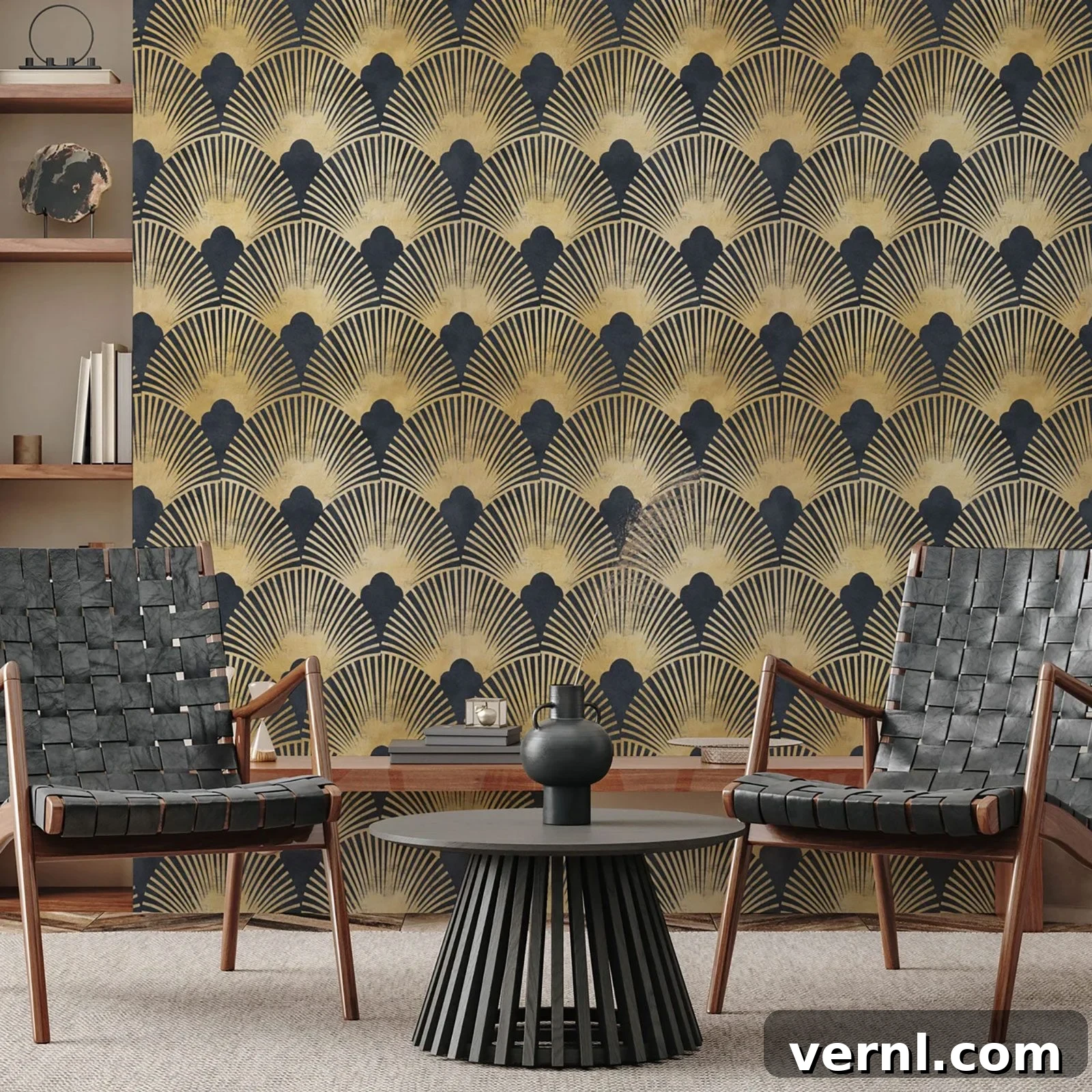
Who said the 2020s couldn’t recapture the vibrant spirit of the 1920s? A century after its initial emergence, the dazzling Art Deco style is experiencing a magnificent revival, offering you a golden opportunity to infuse your home with an undeniable dose of glamor, sophistication, and timeless elegance.
But how do you skillfully integrate pops of Art Deco style into your personal living spaces while maintaining your unique aesthetic? As with all interior design trends, it’s entirely possible to celebrate your individual flair and personality while incorporating thoughtful hints of this beloved and iconic style. Prepare to transform your home into a testament to luxurious design.
What is Art Deco Style?
If your imagination is captivated by the opulent settings depicted in “The Great Gatsby,” then Art Deco style speaks directly to your aesthetic sensibilities. Emerging in the Roaring Twenties, the Art Deco movement was, in many ways, a direct reflection of the era’s exuberant optimism, rapid industrialization, and burgeoning luxury. It represented a clear and decisive departure from the organic, flowing lines and naturalistic motifs characteristic of the preceding Art Nouveau style, opting instead for a bolder, more streamlined, and distinctly modern aesthetic.
This highly influential design style made an indelible impact across all facets of society and culture—from cutting-edge interior design and monumental architecture to fashion, art, and even industrial product design. Art Deco truly gained significant momentum in the 1920s and remained a persistently popular home design style throughout the challenging period of the Great Depression in the 1930s, and even into the 1940s. Its widespread celebration eventually began to wane as society transitioned, with the emergence of mid-century modern decor in the 1950s offering a new, more understated vision of contemporary design. However, the inherent glamor and striking visual appeal of Art Deco ensures its cyclical return to prominence.
Should you wish to delve deeper into the fascinating decor trends which dominated each decade, we have comprehensive guides to satisfy your curiosity.
Iconic Motifs of Art Deco Design
Now that we’ve established a foundational understanding of what Art Deco style embodies, let’s explore some of the most common and recognizable motifs that define this distinguished aesthetic and which you should seek out for your own home.
Geometric Shapes: The Foundation of Deco Aesthetics
Perhaps the most defining characteristic of Art Deco is its celebration of geometric shapes and precise, often angular patterns. This period embraced a distinct visual language of harsh, sleek, and often symmetrical lines, reflecting the era’s fascination with machinery, speed, and modern progress. Consequently, you will rarely encounter fluid, meandering, or overly soft shapes; instead, structure and order reign supreme, creating a sense of powerful dynamism and sophisticated clarity.
Consider the iconic architecture of the time: some of the world’s most famous skyscrapers, such as the majestic Empire State Building and the intricately detailed Chrysler Building, are magnificent products of this very era. Their soaring, angular forms and stepped profiles perfectly embody the Deco spirit. You can largely credit significant technological advancements and a collective desire for a new, forward-looking aesthetic for the period’s profound embrace of angular and structured design. When sourcing Art Deco home items, keep a keen eye out for classic patterns like chevrons, trapezoids, triangles, bold zigzags, and elegant fan motifs, all rendered with crisp, defined lines.
The Radiance of Sunbursts
Another beloved and instantly recognizable Art Deco motif is the sunburst. This captivating design, radiating outwards from a central point, symbolizes optimism, new beginnings, and a sense of dynamic energy. It’s a motif that effortlessly introduces glamor and a focal point into any room. You can easily find a sunburst-shaped mirror to elegantly position above your fireplace, instantly bringing a touch of this radiant period into your home. Alternatively, consider incorporating the motif through decorative wall art, intricate tile work for your floor or backsplash, or even a stunning clock face.
Sweeping Curves and Stepped Forms
While the Art Deco style is predominantly defined by its structured and angular nature, this does not preclude the presence of curves. However, unlike the organic and free-flowing curves of Art Nouveau, Art Deco curves are typically sweeping, bold, and often symmetrical, maintaining an underlying sense of order and grandeur. They are less about natural growth and more about stylized elegance and motion.
Stepped forms, reminiscent of ancient ziggurats and modern skyscrapers, are another incredibly popular motif you’ll frequently observe in Art Deco design. These tiered arrangements add a sense of grand scale and architectural solidity to everything from furniture to lighting fixtures. We highly recommend experimenting with this captivating motif; for instance, this stunning Art Deco peel-and-stick wallpaper beautifully embodies the stepped pattern, offering an impactful yet easily reversible transformation.
A Touch of Exotica and Playfulness
Lastly, and perhaps most importantly, do not be afraid to inject a sense of fun and adventure into your space—the pioneering designers of the Art Deco era certainly did! The discovery of Tutankhamun’s tomb in 1922 sparked a widespread fascination with ancient Egypt, leading to the frequent infusion of Egyptian-inspired touches into homes, often manifested through stylized motifs like hieroglyphs, lotus flowers, and sphinxes. Beyond Egyptomania, it was also common to see glimmering accents of animal print, evoking the adventurous spirit of safaris, alongside influences from Asian art, African tribal patterns, and even Aztec designs. This blend of global influences contributed to the era’s sophisticated yet exotic allure, often expressed through highly polished surfaces and rich lacquers that added depth and sheen.
Transform Your Home: Mastering Art Deco Elements
Ready to embark on the exciting journey of infusing every facet of your home with the distinguished Art Deco style? Here is your comprehensive guide on how to achieve this, exploring everything from flooring and statement furniture to luxurious fabrics, dazzling lighting, and beyond.
Opulent Colors: Setting the Mood
The carefully chosen colors of the Art Deco era were instrumental in bringing this illustrious style to vibrant life. Rich, deeply saturated, and luxurious colors were undeniably all the rage, creating an atmosphere of grandeur and sophistication. Bring this inherent glamor into your home by confidently leaning into bold hues. Experiment with sumptuous shades of deep blues (like sapphire or navy), emerald greens, ruby reds, golden yellows, or even vibrant fuchsia pinks. These jewel tones evoke a sense of preciousness and exoticism.
Of course, too many intensely deep colors in your home can feel overwhelming or diminish natural light. Therefore, don’t hesitate to thoughtfully lighten elements with elegant beige, warm cream, or crisp off-white paint. These sophisticated neutrals were particularly popular in high-traffic living spaces such as expansive living rooms and formal dining rooms, providing a serene backdrop that allowed bold furniture and artwork to truly shine. A crucial aspect of color in Art Deco style is the strategic use of thoughtful touches of chrome, polished silver, gleaming gold, or stark black to provide contrast and balance. And remember, you can absolutely maintain a predominantly neutral color scheme in your space and still powerfully celebrate this style—in fact, neutrals pair beautifully with the rich, often exotic wood characteristic of this era, allowing their grain and polish to become a textural focal point.
Statement Furniture: Form Meets Function
Let’s delve into the distinctive furniture styles you might select to inject authentic Art Deco pizzazz into your home. Unquestionably, one of the most defining characteristics of furniture from this era is its imposing scale and robust presence—often referred to as “super-size.” Art Deco pieces were designed to make a statement, showcasing strong, confident forms. If you’re looking to introduce this grandeur into your bedroom, consider a majestic armoire or a grand, upholstered headboard that commands attention.
When sourcing furniture, prioritize sleek, geometric silhouettes. Designers of this era generally reserved intricate details for other aspects of the living space, meaning the furniture itself shouldn’t be excessively ornate or fussy. Instead, its beauty lies in its clean lines, striking proportions, and often exotic materials. To add visual interest and a touch of unparalleled luxury, opt for pieces featuring tortoiseshell or mother-of-pearl inlay, or consider accents of highly polished chrome, glass, or mirrored surfaces, all of which were highly beloved and utilized in this prestigious period. Materials like lacquered wood (especially black or deep red), Macassar ebony, and zebrawood were frequently used for their dramatic visual appeal.
Luxurious Textures and Fabrics
When it comes to Art Deco style fabrics, lean confidently into sumptuous choices like plush velvet, sleek silk, rich satin, and sophisticated leather. These materials not only add visual depth but also invite a tactile experience, enhancing the overall sense of luxury. For a truly wild and adventurous touch, consider incorporating a pop of zebra print, leopard spot, or even a stylized crocodile texture. The Art Deco style heavily features geometric patterns, so you can also source fabrics that incorporate bold chevrons, zigzags, or fan motifs. Experiment with color blocking for a dynamic effect, or keep it elegantly simple with a solid fabric in one of the era’s most buzzed-about, jewel-toned hues.
As for textures beyond fabrics, do not be afraid to experiment boldly with mirrors, polished chrome, gleaming brass, and other highly reflective, shiny materials. This era is intrinsically about opulence, glamor, and capturing light, so always keep that in mind. The smooth, cool feel of glass and metal contrasts beautifully with the softness of velvet. Furthermore, you can ingeniously use those geometric patterns we’ve repeatedly mentioned to infuse texture and add captivating dimension to a space, perhaps through embossed leather, quilted velvet, or intricately woven fabrics.
Dramatic Flooring: The Foundation of Style
Up next, we focus on the foundation of your space: flooring. To bring your floor up to par with Art Deco style standards, enthusiastically embrace bold patterns. Classic herringbone floors were a hallmark of the time, offering a sophisticated geometric texture. Likewise, starburst designs, often rendered in contrasting wood tones or mosaic tiles, were also incredibly popular, providing a dynamic focal point.
This style, at its heart, is a celebration of geometric shapes and precise symmetry, which is beautifully reflected in tile or linoleum flooring that features classic checkerboard patterns or intricate tessellations. Some Art Deco flooring even visually engages viewers by leaning into complex, almost kaleidoscopic shapes, creating a sense of movement and grand scale.
Don’t shy away from the exciting prospect of mixing and matching patterns. Many innovative designers in this period deliberately placed rugs with bold, structured geometric patterns directly on top of already visually busy floors, adding layers of texture and visual interest. Consider rich parquet patterns, polished marble, or even dramatic black and white tile to set a truly authentic Deco stage.
Dazzling Lighting: Illuminating with Glamour
To fully embrace Art Deco style with your lighting fixtures, seek out selections that exude undeniable glamour and feature distinctive geometric patterns or tiered designs. Opal glass, with its milky translucence and soft glow, was a particularly popular material during this resplendent era of the 1920s, making a light fixture crafted from it an excellent and authentic choice. Frosted glass, etched glass, and colored glass were also frequently employed to create stunning visual effects.
Additionally, lighting characterized by sleek lines, clean forms, and a sense of architectural precision is an outstanding choice. Take a direct cue from this period’s deep love affair with soaring skyscrapers and select a lampshade or fixture featuring polished chrome, gleaming brass, or frosted glass with skyscraper-inspired stepped shapes or angular motifs etched into its surface. Look for tiered chandeliers, dramatic wall sconces, or table lamps with geometric bases to truly capture the luxurious and sophisticated glow of the Art Deco era.
Essential Art Deco Materials for Authenticity
Beyond furniture and fabrics, the choice of materials is paramount to achieving an authentic Art Deco aesthetic. Metals played a crucial role, with chrome, nickel, and polished steel being favored for their sleek, modern gleam, often contrasted with the warmth of brass or bronze. Glass, in all its forms—frosted, etched, stained, and most notably, mirrored—was extensively used to add brilliance and expand spaces. Exotic woods like Macassar ebony, zebrawood, and rosewood were highly prized for their striking grain patterns and rich colors, frequently finished with a high-gloss lacquer that added depth and a luxurious sheen. Marble and other polished stones provided a sense of enduring grandeur, while Bakelite was a revolutionary plastic used for smaller decorative items and hardware, showcasing the era’s embrace of new technologies.
Accessorizing with Art Deco Flair
The right accessories can transform a room from merely furnished to truly Art Deco. Mirrors are essential; think large, often framed with geometric patterns or iconic sunburst designs, strategically placed to reflect light and create a sense of spaciousness. Sculptures, particularly those depicting stylized human figures, animals, or abstract forms in bronze, chrome, or alabaster, were highly fashionable. Decorative vases, often geometric, fluted, or crafted from colored glass, added pops of color and texture. Clocks, with their intricate faces and often architectural forms, served as both functional items and artistic statements. Art Deco artwork, ranging from travel posters to abstract paintings, embraced bold colors and geometric compositions. Even smaller items like barware, decorative screens, and intricate jewelry boxes contributed to the overall opulent atmosphere, inviting closer inspection and appreciation.
Integrating Art Deco into Modern Interiors
While the allure of Art Deco is undeniable, the key to successful integration in a contemporary home lies in balance and thoughtful curation. The goal isn’t to create a period museum but to infuse your space with the style’s inherent glamor and sophistication. Start by identifying key focal points: perhaps a stunning Art Deco mirror above a fireplace, a dramatic geometric patterned rug, or a pair of elegant velvet armchairs. Mix vintage Deco pieces with modern, clean-lined furniture to prevent the space from feeling dated. Focus on quality over quantity, choosing a few impactful pieces rather than overwhelming the room. Embrace the characteristic metallics and bold colors as accents, allowing them to pop against a more neutral contemporary backdrop. By selectively incorporating Art Deco elements, you can achieve a design that feels both historically rich and refreshingly current, echoing the grandeur of the past while firmly rooted in the present.
Embrace the Roar: Your Art Deco Home Awaits
The resurgence of Art Deco style offers an exciting opportunity to imbue your home with an unparalleled sense of history, luxury, and sophisticated glamor. From its defining geometric motifs and opulent color palettes to its statement furniture and dazzling lighting, every element invites you to create a space that is both visually stunning and deeply personal. Embrace the bold, celebrate the luxurious, and let the spirit of the Roaring Twenties echo through your modern living spaces. Your Art Deco-inspired home awaits, ready to enchant and impress for years to come.