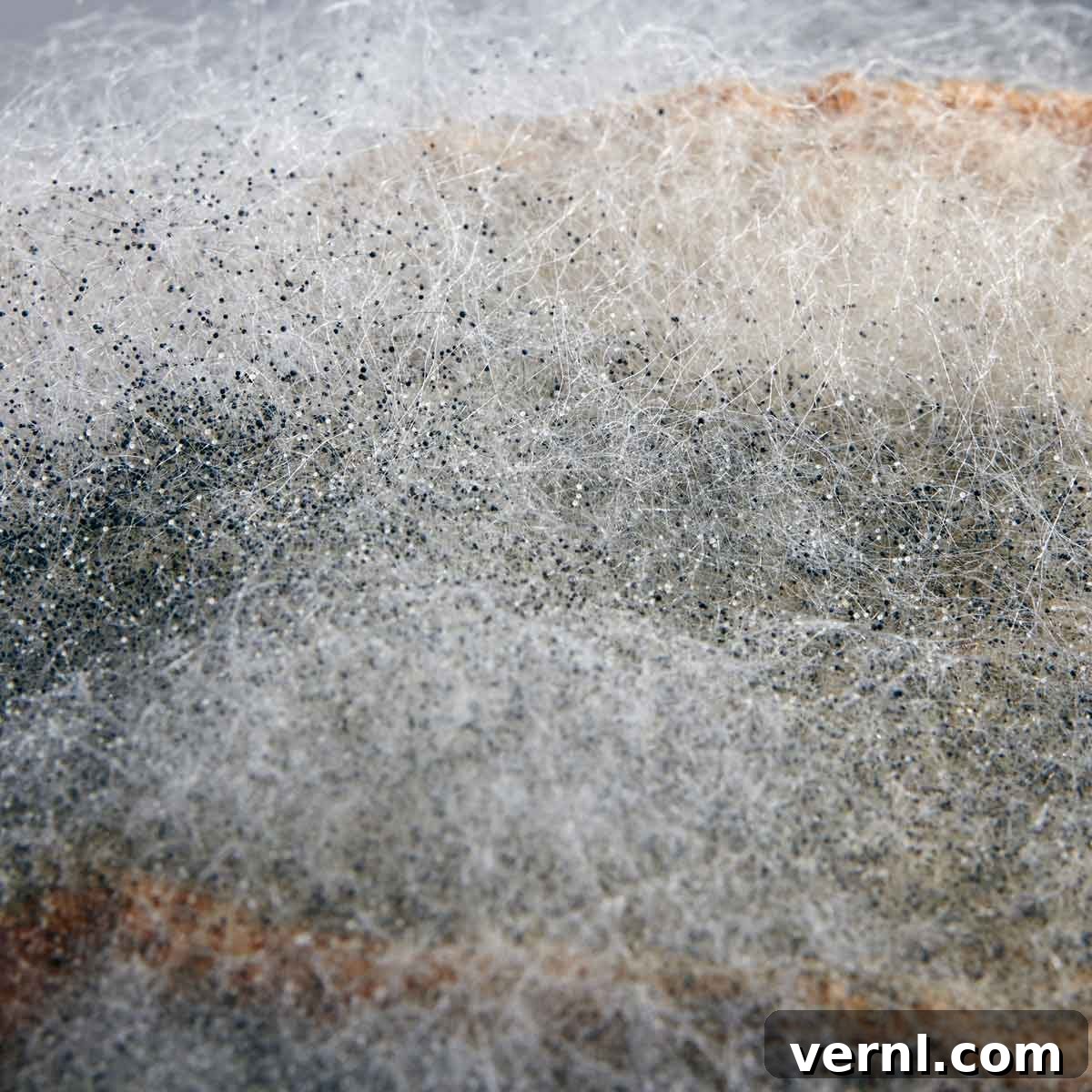
Understanding Rhizopus Stolonifer: The Ubiquitous Black Bread Mold
In the vast world of microorganisms, certain species stand out due to their widespread presence and distinct characteristics. Among these is Rhizopus Stolonifer, an organism commonly recognized as black bread mold. This thread-like fungus is one of the most prevalent members of the Rhizopus genus, first formally identified in 1818 by the pioneering German scientist Christian Gottfried Ehrenberg. While the genus encompasses at least ten recognized species, Rhizopus Stolonifer is arguably the most familiar, primarily because of its notorious tendency to colonize and spoil bread. Its common name perfectly describes its appearance and preferred substrate. Understanding this common mold is crucial for both household cleanliness and appreciating its broader ecological and industrial roles.
The morphology of Rhizopus Stolonifer is fascinating. It typically begins as fuzzy white growths, rapidly expanding into a dense network of thread-like structures called hyphae. As it matures, small, spherical black dots, known as sporangia, emerge. These sporangia are filled with spores, giving the mold its characteristic dark appearance and its “black bread mold” moniker. The adaptability of these spores is remarkable; they can change shape and characteristics depending on the available food source and environmental conditions, contributing to the mold’s pervasive nature across various substrates.
Where Is Rhizopus Stolonifer Commonly Found?
Rhizopus Stolonifer is truly a ubiquitous organism, meaning its spores are found virtually everywhere in the natural environment. From the air we breathe to the soil beneath our feet, these microscopic reproductive units are constantly present, awaiting the right conditions to spring to life. However, for these spores to germinate and begin growing, they require two essential elements: adequate moisture and a readily available food source rich in starches or sugars. This dependence on specific nutrients makes many common household items, particularly food, prime targets for colonization.
Ideal Growth Environments
- Food Items: Beyond its namesake bread, Rhizopus Stolonifer frequently thrives on a variety of perishable foods. This includes soft fruits such as strawberries, peaches, grapes, and tomatoes, as well as vegetables like potatoes and sweet potatoes. These items offer the perfect blend of moisture and simple carbohydrates needed for rapid growth.
- Soil and Decaying Organic Matter: As a saprophytic fungus, it plays a vital role in decomposition. It helps break down dead plant and animal matter in soil, recycling nutrients back into the ecosystem.
- Indoor Environments: In homes, it can be found in damp areas with stagnant air, especially where food debris or dust containing organic matter accumulates. Kitchens, pantries, and sometimes bathrooms can become hotspots if moisture levels are not managed.
Agricultural and Industrial Significance
While Rhizopus Stolonifer and other Rhizopus species are often associated with spoilage, they also have significant, albeit sometimes contradictory, impacts in other sectors:
- Agricultural Losses: Unfortunately, various species of Rhizopus are responsible for substantial agricultural losses worldwide. They cause “leak disease” or soft rot in numerous soft fruits, leading to rapid decay and significant economic impact. This includes strawberries, tomatoes, and stone fruits. In tobacco leaves, certain Rhizopus species cause “pole rot,” further demonstrating their detrimental role in crop production. Farmers and distributors constantly battle these molds to preserve harvests and minimize waste.
- Industrial Applications: Despite their destructive potential in agriculture, some Rhizopus species have valuable applications in biotechnology and pharmaceuticals. Notably, certain strains are instrumental in the production of steroid medications. They possess enzymes capable of performing specific biotransformations, which are crucial steps in synthesizing various corticosteroids and other steroidal compounds. Furthermore, they are used in fermentation processes for producing organic acids (like lactic acid and fumaric acid) and enzymes, highlighting their versatility beyond simple decomposition.
What Are the Health Effects of Rhizopus Stolonifer?
For the vast majority of healthy individuals, constant exposure to Rhizopus Stolonifer and other common molds poses no significant health threat. Our immune systems are generally well-equipped to handle the inhalation of spores without adverse reactions. However, for a specific group of individuals, exposure can lead to serious health complications, primarily a rare but severe fungal infection known as Zygomycosis, now more commonly referred to as Mucormycosis.
It’s important to note that while Rhizopus Stolonifer can technically cause infections, the species most frequently implicated in human mucormycosis is Rhizopus arrhizus (also known as Rhizopus microsporus). Regardless of the specific species, the underlying risk factors are similar. Mucormycosis infections are exceedingly rare, but when they do occur, they tend to be aggressive and can be life-threatening.
Who Is at Risk?
The primary individuals susceptible to developing mucormycosis from Rhizopus molds are those with compromised immune systems. This includes:
- Individuals with Uncontrolled Diabetes: Especially those experiencing diabetic ketoacidosis, which creates an ideal environment for the fungus to thrive.
- Cancer Patients: Particularly those undergoing chemotherapy, which suppresses the immune system.
- Organ Transplant Recipients: Who are on immunosuppressive medications to prevent organ rejection.
- People with HIV/AIDS: Whose immune systems are severely weakened.
- Individuals on Prolonged Corticosteroid Therapy: Which can suppress immune responses.
- Patients with Neutropenia: A condition characterized by a low count of neutrophils, a type of white blood cell crucial for fighting infection.
- People with Iron Overload (Hemochromatosis): As iron can promote fungal growth.
- Those with Severe Malnutrition or Skin Trauma: Which can provide entry points for the fungus.
Symptoms and Affected Areas
When mucormycosis does occur, the infection often manifests in specific areas of the body, depending on the route of entry and the patient’s underlying conditions. Common forms include:
- Rhinocerebral Mucormycosis: This is the most common form, typically affecting the sinuses, eyes, and brain. Symptoms can include facial pain or swelling, headache, fever, nasal congestion, black lesions on the nasal bridge or inside the mouth, and vision problems.
- Pulmonary Mucormycosis: Affecting the lungs, usually after inhaling spores. Symptoms resemble pneumonia, including fever, cough, chest pain, and shortness of breath.
- Cutaneous Mucormycosis: Occurs when the fungus enters through a break in the skin, causing redness, swelling, blisters, and blackening of the skin.
- Gastrointestinal Mucormycosis: Rare, but can occur after ingesting contaminated food, leading to abdominal pain, nausea, vomiting, and gastrointestinal bleeding.
- Disseminated Mucormycosis: A severe form where the infection spreads to multiple organs, often indicating a very advanced and critical condition.
Early diagnosis and aggressive treatment, often involving antifungal medications and surgical debridement of infected tissue, are crucial for improving outcomes in these severe cases. However, it’s vital to reiterate that for the vast majority of the general population, Rhizopus Stolonifer remains a harmless nuisance primarily associated with food spoilage, rather than a direct health threat.
How to Effectively Remove and Prevent Rhizopus Stolonifer (Black Bread) Mold
Encountering Rhizopus Stolonifer in your home, especially on food items, can be unsettling. This fast-growing mold initially appears as fuzzy white cotton, rapidly developing its characteristic black sporangia. While it poses minimal risk to healthy individuals, its presence indicates favorable conditions for mold growth, which can lead to further issues and unnecessary food waste. Fortunately, managing and preventing this particular mold is often more straightforward than dealing with other, more insidious types of household molds, largely due to its specific reliance on starches and sugars as a primary food source.
Comprehensive Prevention Strategies
Prevention is always the best approach when it comes to mold. By controlling the environmental factors that Rhizopus Stolonifer needs to thrive, you can significantly reduce its chances of taking hold in your home.
1. Moisture Control: The First Line of Defense
Since mold requires moisture to grow, reducing humidity levels is paramount:
- Maintain Low Indoor Humidity: Aim for indoor humidity levels between 30% and 50%. Use a hygrometer to monitor levels and a dehumidifier in damp areas like basements, laundry rooms, or poorly ventilated kitchens.
- Ensure Adequate Ventilation: Use exhaust fans in kitchens and bathrooms during and after moisture-generating activities. Open windows when weather permits to allow fresh air circulation.
- Fix Leaks Promptly: Inspect pipes, roofs, and foundations regularly for any signs of leaks. Even small drips can create perfect breeding grounds for mold. Address any water damage immediately.
- Dry Damp Areas: Thoroughly dry any wet surfaces or spills within 24-48 hours. Don’t leave damp towels or clothes piled up.
2. Smart Food Storage and Hygiene
Given its preference for starches and sugars, proper food handling is critical:
- Refrigeration: Store perishable foods like bread, fruits, and vegetables in the refrigerator to slow down mold growth. While refrigeration doesn’t stop mold entirely, it significantly retards its development.
- Airtight Containers: Keep opened food items, especially bread and baked goods, in airtight containers to limit exposure to airborne spores and moisture.
- Consume Perishables Quickly: Avoid buying excessive amounts of perishable foods that might spoil before consumption. Regularly check expiry dates and consume items within their recommended shelf life.
- Inspect Foods: Before purchasing, inspect fruits and vegetables for any signs of mold or damage. Discard any food showing mold growth; do not attempt to cut off the moldy parts, as the invisible hyphae can penetrate deep into soft foods.
- Keep Kitchens Clean: Regularly wipe down countertops, inside pantry shelves, and appliance surfaces. Clean up food crumbs and spills immediately. Pay attention to hidden areas where food debris might accumulate.
3. General Home Cleanliness
- Regular Dusting and Vacuuming: Dust and dirt can contain mold spores and organic matter that serve as food sources. Regular cleaning helps reduce the overall spore count in your home.
- Dispose of Trash: Empty kitchen waste bins frequently, especially those containing food scraps.
Effective Removal Techniques
If you discover Rhizopus Stolonifer in your home, it’s important to act quickly and safely to remove it.
1. Safety First
- Protect Yourself: When cleaning mold, wear gloves, eye protection, and a N95 respirator mask to avoid inhaling spores and direct skin contact.
- Ventilate: Open windows and use fans to ensure good air circulation in the affected area during and after cleaning.
2. Removing Mold from Surfaces
For small areas of non-porous surfaces (like countertops, tiles, glass):
- Soap and Water: Often, a simple solution of detergent and water with a scrub brush or cloth is sufficient to physically remove the mold. After scrubbing, rinse the area thoroughly and dry completely.
- Vinegar Solution: White vinegar (undiluted) can be sprayed directly onto moldy surfaces and left to sit for an hour before scrubbing and rinsing. Its mild acidity can kill some mold species.
- Registered Fungicides: For more persistent mold or larger areas, consider using a registered fungicide designed for household use. Always follow the product instructions carefully, ensuring adequate ventilation and wearing appropriate protective gear. Products like Concrobium Mold Control Spray can be effective as they eliminate mold spores and create an invisible barrier to prevent future growth.
Important Note: For porous materials like drywall, insulation, or carpet that are heavily contaminated with mold, removal often involves discarding the affected materials. Mold can penetrate deep into these materials, making complete removal difficult or impossible.
3. Dealing with Mold Staining
Sometimes, even after the mold organism is killed and removed, a dark stain might remain on visible surfaces. These stains are often cosmetic and do not necessarily mean live mold is still present.
- Oxygen-Based Mold Stain Removers: To get rid of these unsightly stains, use an oxygen-based mold stain remover. These products typically use hydrogen peroxide or similar oxidizing agents to bleach away the discoloration without necessarily killing the mold, which should have been addressed by a fungicide or cleaning solution first. Always test on an inconspicuous area first to ensure it doesn’t damage the surface.
4. Addressing the Root Cause
After cleaning, the most critical step is to identify and resolve the underlying cause of the moisture or food source that allowed the mold to grow. Without addressing the root problem, the mold is very likely to return.
- Ensure the area remains dry and clean.
- Revisit your food storage and kitchen hygiene practices.
- Monitor humidity levels regularly.
By implementing these comprehensive prevention and removal strategies, you can effectively manage Rhizopus Stolonifer and maintain a healthier, mold-free environment in your home.
Conclusion
Rhizopus Stolonifer, the familiar black bread mold, is a pervasive organism with a fascinating dual nature. While it plays an essential role in natural decomposition and even has beneficial industrial applications, it is primarily known for its rapid colonization of food, causing spoilage and agricultural losses. For most healthy individuals, direct exposure poses little to no threat. However, for those with compromised immune systems, it can lead to severe mucormycosis infections, highlighting the importance of understanding its health implications.
Effectively managing Rhizopus Stolonifer in the home hinges on proactive measures: vigilant moisture control, meticulous food storage, and consistent cleanliness. When mold does appear, prompt and safe removal, coupled with addressing the root cause, is crucial for maintaining a healthy living environment. By adopting these strategies, we can mitigate the nuisance and potential risks associated with this ubiquitous fungus, ensuring our homes and food remain safe and clean.