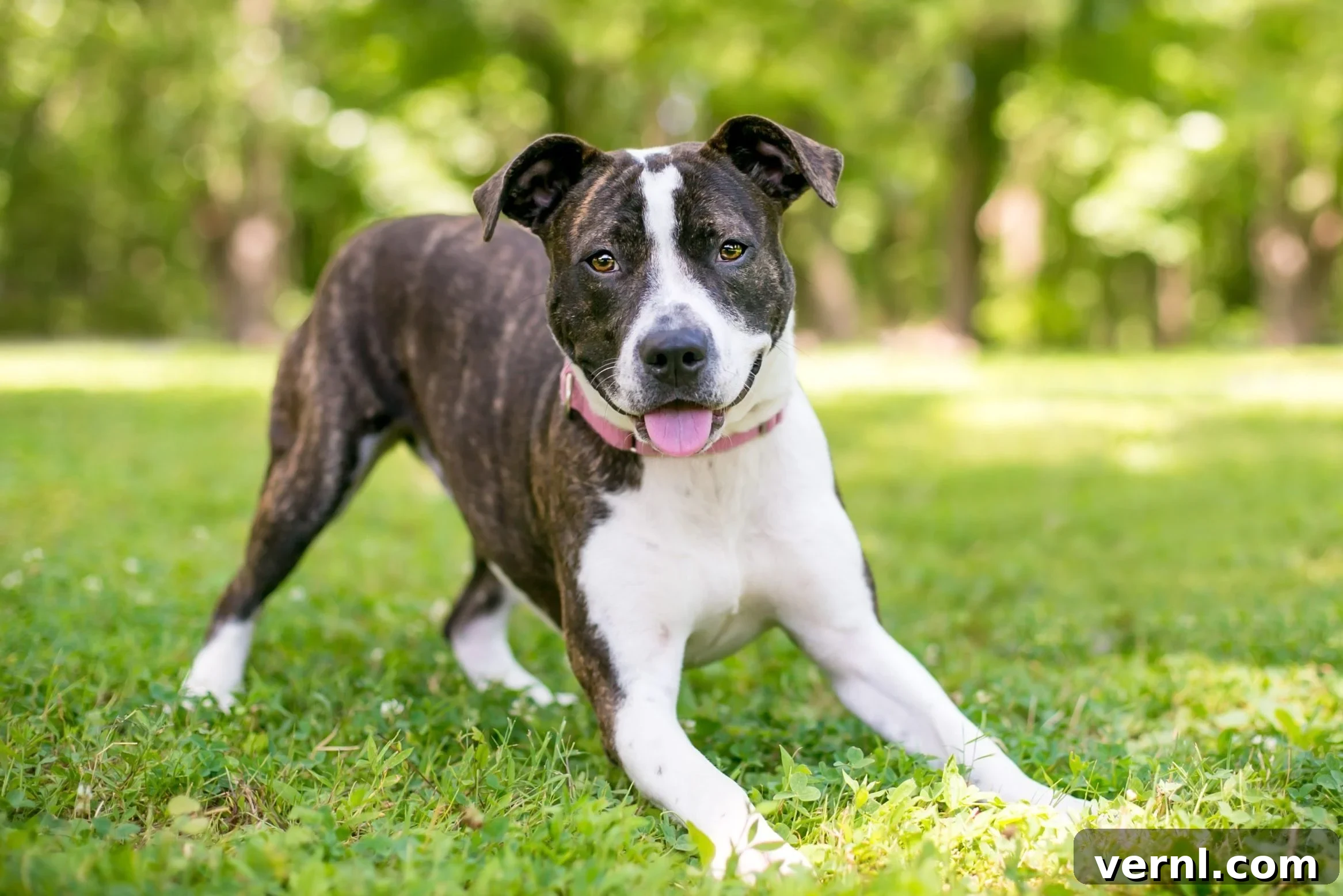
The Canine Conundrum: Unraveling Why Dogs Kick Grass and How to Cultivate a Pristine Lawn
Every household with a beloved canine companion eventually settles into a unique routine, especially concerning potty breaks. Regardless of your dog’s specific outdoor habits, one common and often amusing sight many owners witness is the post-potty ritual: a vigorous flurry of hind legs, sending grass, dirt, and debris scattering in every direction. This energetic display often leaves owners scratching their heads, wondering: why do dogs kick the ground with their back legs after they relieve themselves?
While it might look like an attempt to “clean up” or simply an excited burst of energy, dogs aren’t tidying up the yard. This distinctive behavior is, in fact, a deeply ingrained form of canine communication known as “scrape behavior.” It’s a natural instinct, an ancient practice rooted in their wolf ancestors, designed to convey a complex message to other canines in the vicinity. Their bodies are remarkably equipped for this, producing a unique chemical signature through scent glands located in their paws, which is spread and intensified by the act of kicking.
As fascinating as this natural instinct is, the practical outcome for homeowners is often less than ideal. A perfectly manicured lawn can quickly develop unsightly patches and bare spots, making it a challenge to maintain that lush, green appearance. The good news is that you don’t have to choose between a happy dog and a beautiful yard. With a little understanding, strategic planning, and consistent effort, you can create a harmonious outdoor space where both your furry friend and your pristine lawn can thrive.
Why Do Dogs Kick Up Grass? Unpacking the Instinct
For thousands of years, long before dogs became our domesticated companions, their wild ancestors relied on sophisticated methods to communicate within their packs and warn off rivals. The act of kicking up the ground after relieving themselves is a direct evolutionary echo of these ancient instincts. It’s a natural sequence of events for many dogs: they find a designated spot, relieve themselves, then turn to engage in a vigorous display of scraping with their hind legs.
This ground-kicking serves multiple purposes, none of which involve trying to be mischievous or ruin your landscaping. Primarily, it’s a visual message, a social display to other animals. The disturbed earth and scattered grass act as a visual marker, drawing attention to the spot. But more importantly, it’s a powerful olfactory statement. Your dog isn’t just leaving behind waste; they are depositing a potent personal advertisement.
Dogs possess specialized scent glands located between the pads of their paws. When they scratch and kick the ground, these glands release pheromones – chemical compounds that carry vital information about the individual dog. This “perfume” tells other canines a wealth of information: their gender, reproductive status, dominance level, and even their general emotional state. It’s essentially a dog’s personal calling card, loudly proclaiming, “I was here!” This makes sense when you consider that in the wild, establishing territory and communicating one’s presence is crucial for survival and social structure. So, your four-legged family member isn’t trying to destroy your lawn; they’re simply engaging in a deeply ingrained form of communication, letting other dogs in the neighborhood know precisely who they are and who’s boss.
Understanding Canine Scrape Behavior: More Than Just Kicking Dirt
To fully appreciate this behavior, it’s important to differentiate it from simply burying waste. While some dogs might attempt to cover their feces, the vigorous hind-leg kick is distinct. It’s about broadcasting presence, not hiding it. The act of scraping enhances both visual and olfactory cues. Visually, the torn-up earth is an unmistakable sign to other animals that something happened there. Olfactorily, the churning of the ground releases the scent from the paw glands, mixing it with the scent of the urine or feces, creating a potent and long-lasting message that can travel on the wind.
This complex system allows dogs to navigate their social world, understand territorial boundaries, and even find potential mates. For your pet, it’s a completely natural and instinctual action, a remnant of a time when these signals were vital for survival and social cohesion within a pack.
The Impact of Dog Kicking on Your Lawn
While scrape behavior is perfectly natural for your dog, its consequences for your lawn can be far from ideal. The repetitive, forceful action of those hind legs can quickly turn a lush, green carpet into a patchwork of torn grass, bare spots, and displaced soil. This physical damage not only looks unsightly but can also weaken the overall health of your lawn, making it more susceptible to weeds and disease.
Beyond the aesthetic concerns, this constant agitation of the soil can lead to uneven terrain, potentially creating tripping hazards or making it difficult to mow. If your dog frequently kicks in the same areas, the soil can become compacted, further hindering grass growth. Moreover, if your dog performs this action on rough, abrasive surfaces like concrete or gravel, it could potentially cause injury or excessive wear to their paw pads. Therefore, while we respect our dogs’ natural inclinations, finding a balance that protects both their well-being and your landscape is essential.
How to Stop a Dog From Kicking Up Grass: Practical Solutions for a Pristine Yard
Stopping a natural, instinctual behavior entirely can be challenging, but you can certainly mitigate its impact and redirect your dog’s energy to preserve your lawn. The key lies in understanding your dog’s motivation and providing alternative, more acceptable outlets. Here are some effective strategies:
Establish a Designated Potty Area
One of the most effective ways to manage grass kicking is to create a specific, less conspicuous area in your yard solely for potty breaks. This strategic placement ensures that any kicking or “scrape behavior” occurs in a location where lawn damage is less noticeable or less problematic. According to Kathy Santo, a certified canine athlete specialist and owner of Kathy Santo Dog Training, successfully establishing this routine requires clear direction and focused energy from both you and your pup.
“To help your dog distinguish where the area is, consider using a round dog exercise pen or wooden stakes in the ground with surveyor tape wrapped around them (leave an opening for the door!). The height of the wooden stakes can be minimal,” Santo advises. “The idea is to have a visual barrier that the dog can see. This visual cue helps your dog understand the boundaries of their designated spot.”
Furthermore, Santo suggests altering the surface of this area: “If possible, change the surface of the potty area to something other than grass. My puppies are trained to go on wood pellets, which is what’s in my outdoor potty area.” Dogs are highly adaptable and can learn to associate a particular texture or surface with relieving themselves. Options include a patch of sand, gravel, mulch, or even specialized dog litter pellets. This not only protects your grass but also makes cleanup easier. To transition your dog, consistently leash them and guide them to this designated spot every time they need to go. Praise and reward them enthusiastically with treats and verbal affirmation immediately after they use the designated area, reinforcing the positive association. Consistency is paramount during this training phase.
Implement “Distract and Redirect” Techniques
Another highly effective method for curbing post-potty kicking is the “distract and redirect” approach. This involves intervening the moment your dog finishes their business, before they even have a chance to start kicking. The goal is to immediately shift their focus and energy towards a different, more desirable activity.
A simple vocal distraction from you, such as a cheerful “Good boy!” or a specific cue like “Let’s go!” delivered with enthusiasm, can be enough to break their concentration. Immediately follow this with the toss of a favorite ball, a frisbee, or another engaging toy. The instant reward of chasing an object will refocus their energy and help them forget their instinctual urge to kick. This technique works by creating a new, positive association. Instead of associating “being finished” with kicking the ground, your dog will begin to associate it with immediate movement away from the spot and the exciting prospect of playtime.
The key to success with this method is timing and consistency. Be ready to act the moment your dog concludes their potty break. The more consistently you apply this “distract and redirect” pattern, the quicker your dog will learn the new routine. Over time, they should naturally move away from the potty spot in anticipation of the fun activity, hopefully forgetting all about the grass-kicking habit.
How to Fix Patchy Grass From Dogs: Restoring Your Lawn’s Health
Despite your best efforts, sometimes a dog’s natural habits can lead to unsightly damage on your lawn. Those yellow or brown patches, often surrounded by darker green rings, are commonly known as “dog spots.” Understanding their cause is the first step toward effective repair and prevention.
Understanding Dog Spots: The Science Behind the Damage
Jason McCausland, National Technical Coordinator at Weed Man, sheds light on this common problem: “When your dog urinates or defecates on your lawn, it may result in a discolored, brown patch of grass that can be difficult to remove. This is called ‘dog spot’.” The primary culprit isn’t the urine itself, but its high concentration of nitrogen. “It’s caused by the high levels of nitrogen in a dog’s urine and feces, which can cause the grass in the affected area to die,” McCausland explains.
While nitrogen is a vital nutrient for grass growth, an excessive concentration acts like an overdose, essentially “burning” the grass and leading to its demise. This phenomenon is often mistaken for damage from other salt sources, such as road salt or fertilizer spills. However, McCausland provides a clear identifier: “You can identify a dog spot by the margin of dark green, rapidly growing grass surrounding a bright yellow patch of dying grass.” This darker ring occurs because the nitrogen concentration is slightly diluted at the edge of the spot, stimulating a burst of growth, while the center receives a fatal dose.
Effective Lawn Repair Methods
Once you’ve identified and understood the cause of dog spots, you can take targeted action to restore your lawn. The repair process involves a few key steps:
- Remove Dead Grass: Start by gently raking away all the dead, brown grass from the affected area. This clears the way for new growth and prevents existing dead material from hindering seed germination.
- Amend the Soil: Dog urine can alter the soil pH. It’s often beneficial to lightly aerate the soil in the bare patch with a hand rake or fork, then mix in a small amount of fresh topsoil or compost. This revitalizes the soil and creates a better environment for new seeds to thrive.
- Choose the Right Seed: Select a grass seed blend that is suitable for your local climate and existing lawn type. Some grass varieties, like Fescue and Perennial Ryegrass, are generally more tolerant to dog urine than others, such as Kentucky Bluegrass. Consider using a repair kit specifically designed for pet spots, which often contain seed, soil amendments, and a natural absorbent.
- Seed and Water: Evenly spread the grass seed over the prepared area, following the manufacturer’s recommendations for coverage. Lightly cover the seeds with a thin layer of topsoil or peat moss to protect them from birds and wind. Immediately after seeding, water the area gently but thoroughly.
- Consistent Watering: This is crucial for successful germination and establishment. Keep the soil consistently moist (but not waterlogged) for several weeks, watering frequently with light applications, especially during dry periods.
- Patience and Protection: It takes time for new grass to establish. Protect the newly seeded area from heavy foot traffic, and if possible, keep your dog away until the new growth is well-established. Allow the new grass to reach a few inches in height before its first mow, and set your mower blades to a higher setting.
Frequently Asked Questions About Dogs and Lawn Care
Is Dog Waste Bad for Grass?
Yes, absolutely. Both dog urine and feces are detrimental to the health and appearance of your lawn. While often mistakenly thought of as a natural fertilizer, dog waste contains an extremely high concentration of nitrogen and other compounds that, in excess, will burn and kill grass. It’s akin to pouring too much concentrated fertilizer in one spot—it overwhelms the plants rather than nourishing them. As Dominique Charles, owner of My Plots and Plans, states, “My dog does potty in the yard, but I’m really particular about picking it up to avoid problems. And who wants to step in poop in your backyard? The urine can kill grass. I try to run water over the spot where he pees to help dilute it and help grass continue to grow in those areas.”
Beyond the direct chemical burn, dog waste also poses significant health hazards. Jason McCausland emphasizes this: “It’s a common myth that dog poop is a quality fertilizer. In reality, an excess of dog poop can cause damage and discoloration to your lawn. Plus, it’s a potential health hazard. When a mower runs over an excess of pet waste, all that bacteria spread across the rest of your lawn, where you and your kids want to relax and play. It’s best to establish a routine to regularly collect the pet waste in your yard and dispose of it responsibly.” Dog feces can harbor various bacteria, parasites, and viruses that can be harmful to humans and other pets. Therefore, establishing a regular practice of cleaning up dog waste promptly is essential for maintaining both a healthy lawn and a safe environment.
How Long Will Patchy Grass Take to Grow Back In After Dog Kicks It Up?
The time it takes for patchy grass to recover after being damaged by dog activity, whether from kicking or urine spots, varies depending on several factors, including the extent of the damage, the type of grass, your climate, and the diligence of your repair efforts. “It can take time and patience to repair lawns damaged with dog spots. You may need to use a combination of methods to achieve your desired results,” says McCausland.
For minor scuff marks or areas where grass has simply been displaced, recovery might be relatively quick, especially if you simply rake the grass back into place and water it. However, for true “dog spots” where the grass has died due to nitrogen burn, the process will take longer. Once you’ve reseeded, you can expect to see new sprouts within 7-21 days, depending on the grass type. Full establishment of a dense patch of new grass can take anywhere from 4-8 weeks or even longer. Consistent watering and protection from further damage are critical during this period. To prevent recurring problems, McCausland advises, “Regularly clean up after your dog so that the feces does not sit long enough to cause a buildup of nitrogen in the soil, which can cause brown spots. Water the areas where your dog urinates and defecates to dilute the nitrogen and prevent further damage.” This proactive approach is key to long-term lawn health.
Are Some Dog Breeds More Prone to Kicking Grass?
While scrape behavior is a universal canine instinct, anecdotal evidence suggests that certain breeds, particularly those with a strong prey drive or territorial instincts, might exhibit this behavior more frequently or intensely. Herding breeds, terriers, and some working breeds, for example, might have a heightened sense of territory and a stronger inclination to mark their presence. However, ultimately, it comes down to individual personality and environmental factors rather than a strict breed-specific trait. Any dog, regardless of breed, can and will likely engage in this natural behavior.
Are There Products to Prevent or Repair Dog Spots?
Yes, the market offers several products designed to help prevent or repair dog spots. For prevention, some dog food additives claim to neutralize nitrogen in urine, though their effectiveness is debated and should be discussed with a vet. More reliably, lawn treatments containing enzymes or specific soil amendments can help break down nitrogen in the soil and mitigate damage. For repair, numerous “dog spot repair kits” are available, often including a mix of fast-growing grass seed, soil conditioners, and sometimes even a protective mulch. Additionally, certain types of grass, such as tall fescue and perennial ryegrass, are known to be more tolerant to dog urine than others, making them a good choice for lawns frequented by pets.
About the Experts
- Kathy Santo (IACP CDT, CDTA, PDTI, CCAS) is the esteemed owner, CEO, and Head Trainer of Kathy Santo Dog Training, Inc., located in Waldwick, New Jersey. A respected authority in canine behavior, Kathy is a published author, an accomplished AKC Obedience Competitor, and a frequent guest on major media outlets including the Today Show, Fox and Friends, CNN, CBS Early Show, Diane Rehm’s NPR Show, and was a regular guest on the Martha Stewart Show, TBS Move and a Makeover, among many other national television programs and publications.
- Jason McCausland serves as the National Technical Coordinator at Weed Man, a leader in the lawn care industry. With over 25 years of dedicated experience, Jason has been an integral member of the Weed Man family and the broader green industry. After graduating from college, he began his professional journey as a lawn technician, accumulating a rich reservoir of expertise in all facets of the Weed Man franchise system, making him an invaluable resource for lawn health and maintenance.
- Dominique Charles is the passionate owner of My Plots and Plans, a business dedicated to empowering clients with essential skills for cooking and growing their own food. Her expertise extends to creating sustainable and healthy living environments, including thoughtful approaches to pet-friendly yard care.